Artwork
The Raising of Lazarus
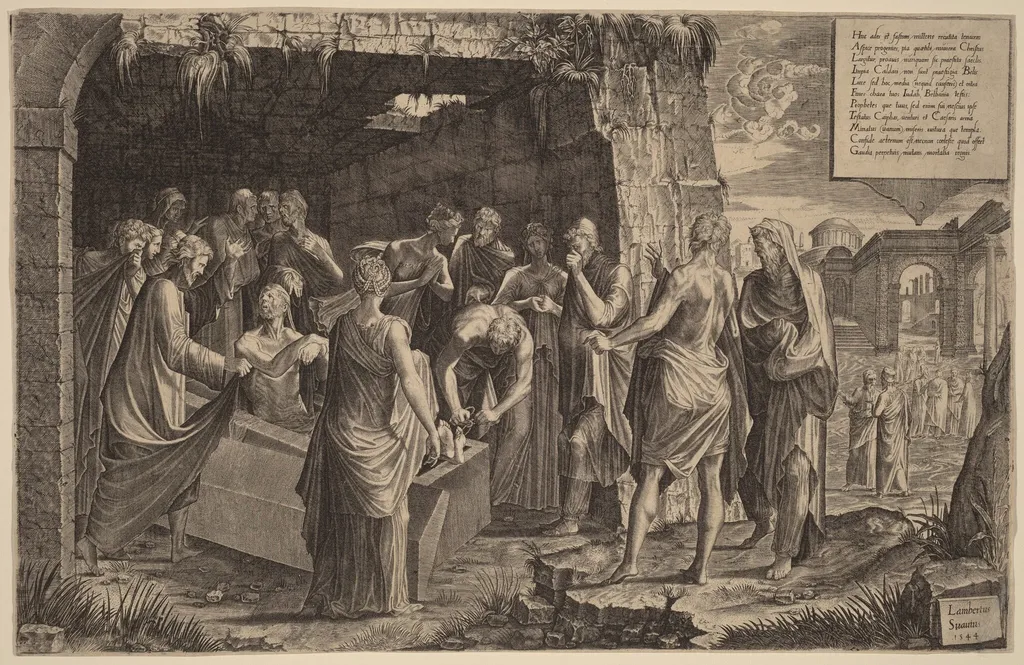
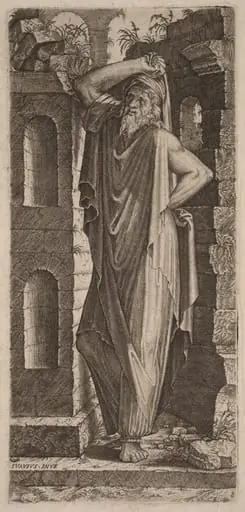
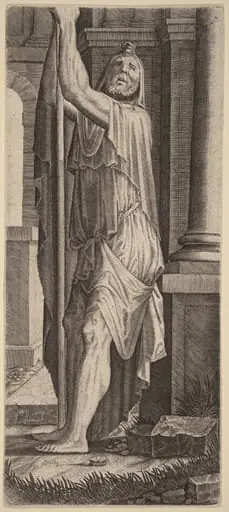
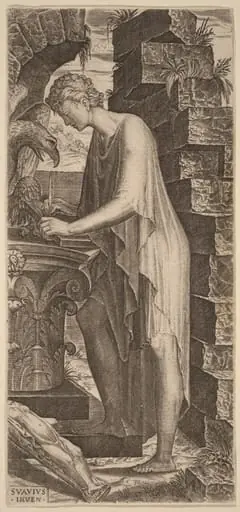
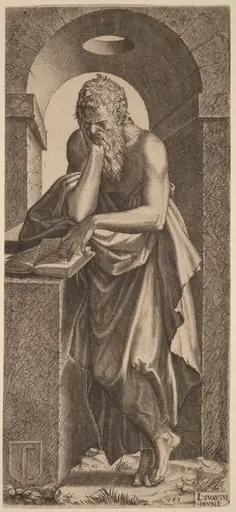
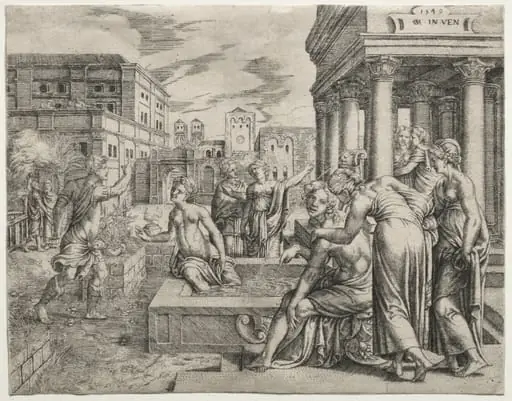
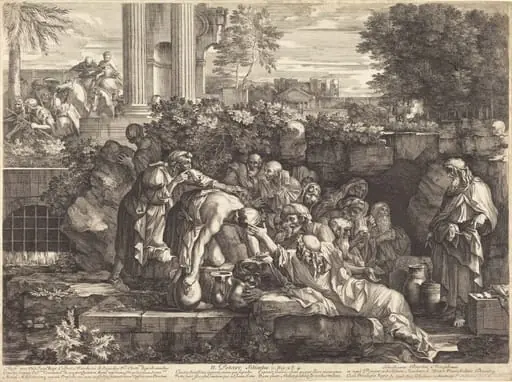
The Raising of Lazarus is an ink print by the Renaissance artist Lambert Suavius. It dates from 1544 and is held in the collection of the National Gallery of Art.
About this work
Overview
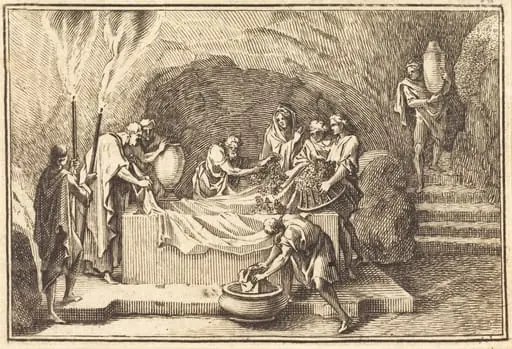
Executed on laid paper using fine linear techniques, the print captures a moment of communal awe as figures surround the recumbent man on a stone slab.
Created in 1544 by Lambert Suavius, this engraving depicts the biblical miracle of Lazarus being restored to life. Executed on laid paper using fine linear techniques, the print captures a moment of communal awe as figures surround the recumbent man on a stone slab. The composition balances intimate human reactions with a distant architectural backdrop, suggesting both sacred drama and earthly setting.
Subject & Meaning
The scene illustrates John 11:43–44, where Christ calls Lazarus from the tomb. Suavius emphasizes collective witness: some reach toward the revived man, others recoil or gesture in disbelief. The temple-like structure behind them anchors the event in a sacred landscape, while the rocky hillside evokes Bethany. The Latin inscription reinforces the narrative’s theological weight, inviting viewers to reflect on resurrection and divine authority.
Technique & Style
Suavius employed meticulous engraving to render texture and depth, using fine, controlled lines to model folds in fabric and the contours of faces. Contrasts between light and shadow are achieved through dense hatching, particularly in the drapery and the figures’ expressions. The background remains sparsely detailed, directing focus to the central group and enhancing the scene’s emotional gravity.
History & Provenance
The print was produced in the mid-16th century, likely for devotional or educational use among literate audiences familiar with biblical texts. Suavius, active in the Low Countries, worked within a tradition of religious printmaking that disseminated scriptural stories through accessible imagery. Few early impressions survive, and the work remains rare in public collections.
Context
During the Reformation, printed images like this served as visual sermons, especially where access to clergy or scripture was limited. Suavius’s engraving aligns with Northern European traditions that favored detailed, narrative-driven compositions over idealized forms. The inclusion of Latin text reflects the continued use of ecclesiastical language even amid growing vernacular literacy.
Legacy
Though Suavius is not widely known today, his engraving exemplifies how religious narratives were translated into intimate, tactile formats for private contemplation. The work contributes to a broader corpus of Reformation-era prints that shaped popular understanding of biblical events through visual precision and emotional restraint.
Artist & collection