Artwork
Untitled
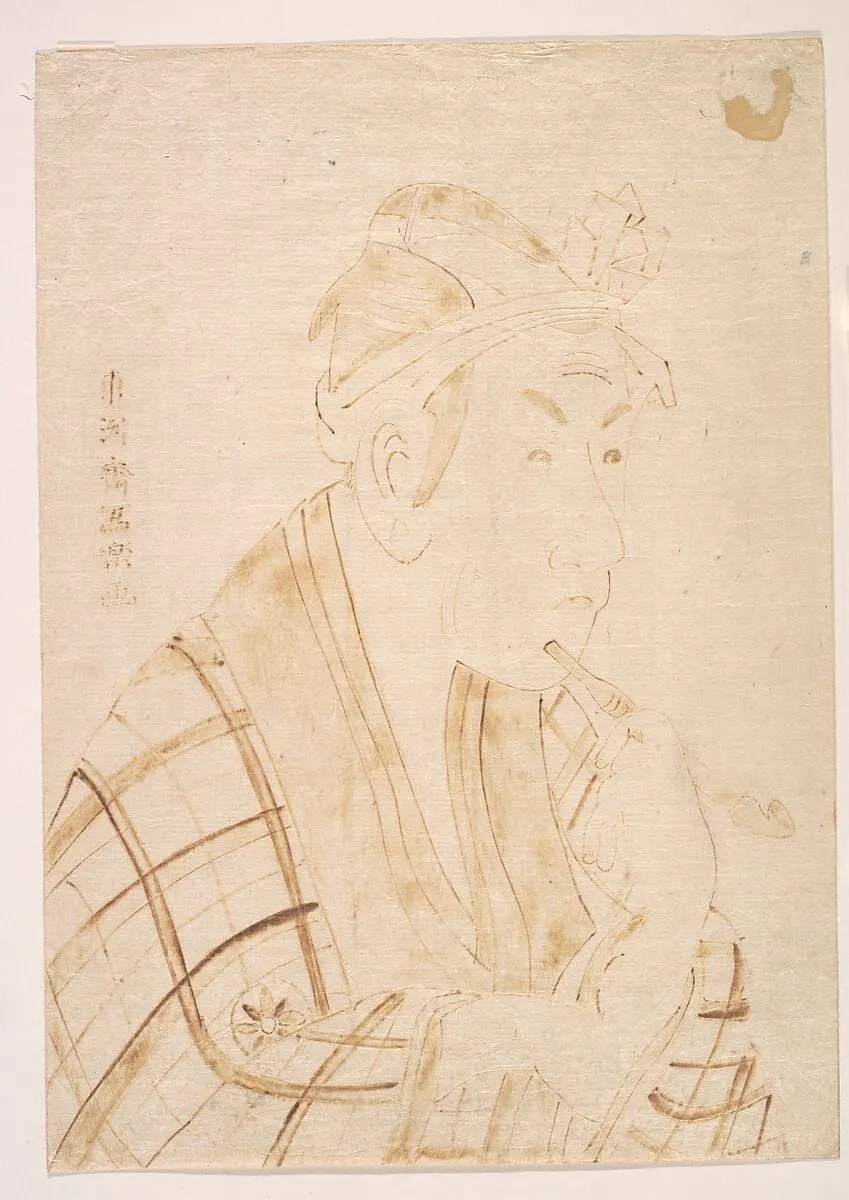
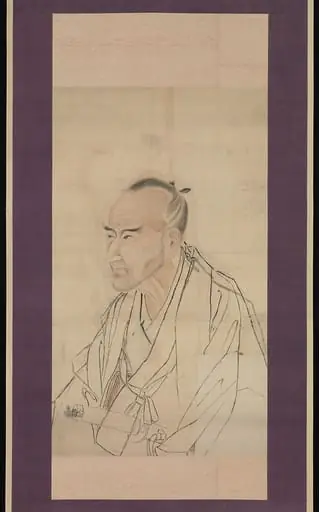
Untitled is an ink print by the Baroque artist Tōshū. It dates from 1772 and is held in the collection of the Metropolitan Museum of Art.
About this work
Overview
This monochrome woodblock print, attributed to Tōshūsai Sharaku and dated around 1772, is a rare example of his early draft-like work.
This monochrome woodblock print, attributed to Tōshūsai Sharaku and dated around 1772, is a rare example of his early draft-like work. Executed in ink on paper, it departs from the polished actor portraits for which he later became known. The composition captures a solitary male figure in profile, rendered with minimal detail and a sense of immediacy, suggesting it may have been a preparatory study rather than a finished piece.
Subject & Meaning
The figure, identified only by his attire and posture, appears to be a man of some status, distinguished by his tall, feather-adorned hat and the pipe he holds. The inclusion of a simple table with a single flower introduces a quiet, domestic note, contrasting with the figure’s alert stance. The absence of context or narrative leaves the subject’s identity ambiguous, inviting speculation about his role or mood without offering resolution.
Technique & Style
Sharaku employed swift, angular ink lines to define form, avoiding smooth contours in favor of a scratchy, energetic texture. Shadows and volume are suggested through sparse cross-hatching and varying line weight, not shading. The background elements—a chair, table, and flower—are rendered in loose, almost gestural strokes, reinforcing the sense of spontaneity. The print’s raw quality suggests it was made rapidly, possibly as a study or sketch.
History & Provenance
The work entered the collection of The Metropolitan Museum of Art as part of its holdings of Japanese prints, though its exact provenance prior to acquisition remains undocumented. Unlike Sharaku’s published actor prints, this piece was likely never intended for mass reproduction, making its survival and preservation unusual. Its attribution to Sharaku rests on stylistic analysis rather than inscriptions or historical records.
Context
Created during the late Edo period, this print reflects a moment when ukiyo-e artists were experimenting beyond commercial theater portraiture. Sharaku, soon to become famous for his dramatic actor prints, may have used such sketches to study posture, expression, and costume. The informal nature of this work aligns with a broader trend among artists to explore personal observation outside the constraints of publisher-driven production.
Legacy
Though not widely exhibited or reproduced, this print offers insight into Sharaku’s artistic process before his public debut. Its unpolished character challenges assumptions about the precision of ukiyo-e production and highlights the role of preparatory work in Japanese printmaking. Scholars value it as a window into the artist’s hand and the informal practices that underpinned his later, more famous output.
Artist & collection


 Untitled
 Untitled
 Untitled
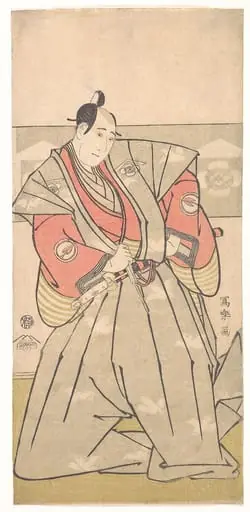 Untitled
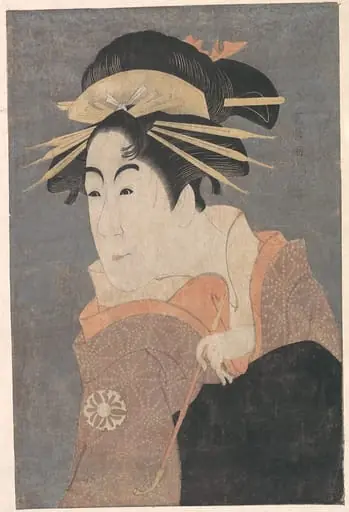
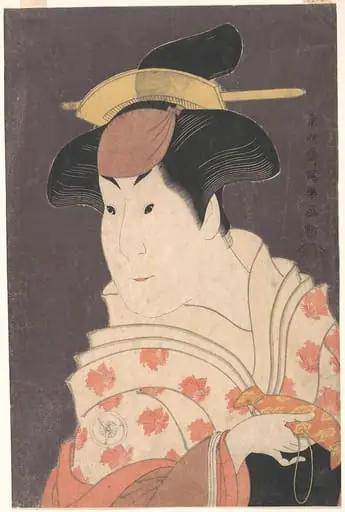 東洲斎写楽画 四代岩井半四郎の重の井 『恋女房染分手綱』|Iwai Hanshirō IV as Shigenoi in the Play "Koinyōbō Somewake Tazuna"
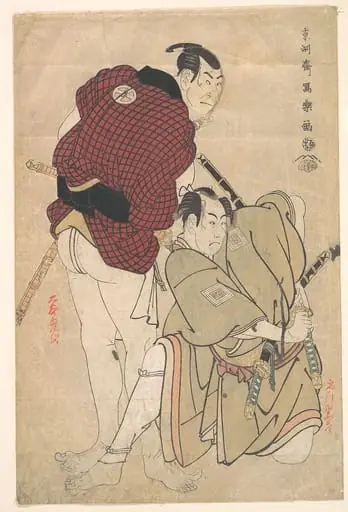
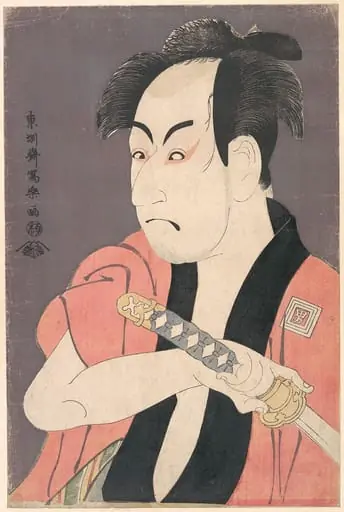 東洲斎写楽画 初代市川男女蔵の奴一平 『恋女房染分手綱』|Ichikawa Omezō I in the Role of Yakko Ippei from the Play "Koinyōbō somewake tazuna"
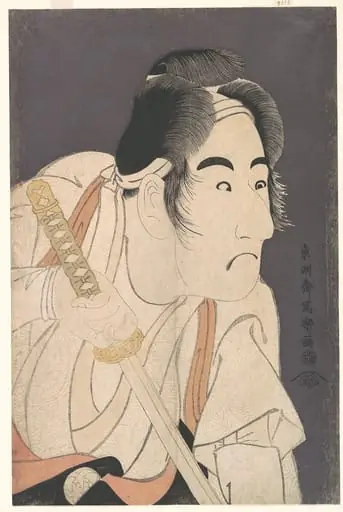 東洲斎写楽画 二世坂東三津五郎の石井源蔵 『花菖蒲文禄曽我』|Bandō Mitsugorō II as Ishii Genzō in the Play "Hana-ayame Bunroku Soga"
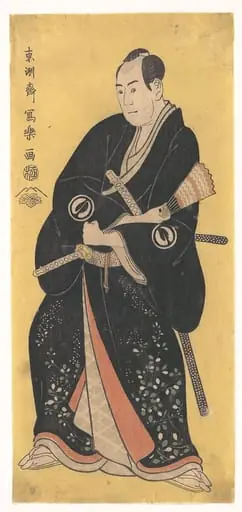 Untitled
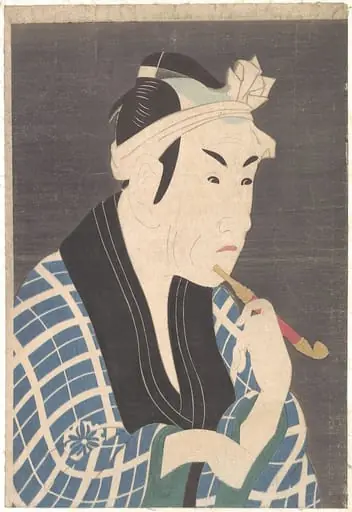
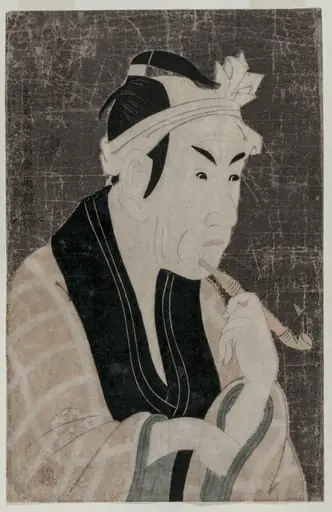 Matsumoto Koshiro IV as Gorobei, the Fish Seller from Sanya
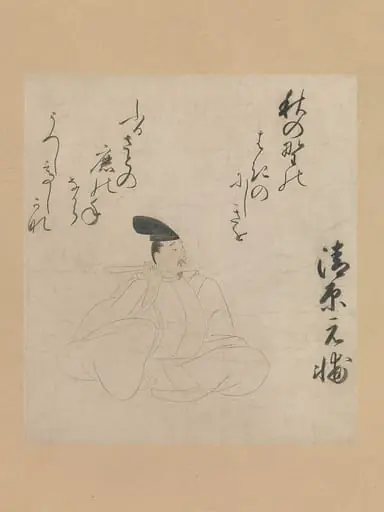 清原元輔 「為重本 時代不同歌合絵巻」 断簡 |The Poet Kiyohara Motosuke, from the “Tameshige Version” of Thirty-six Poetic Immortals (Tameshige-bon Jidai fudō utawase emaki)
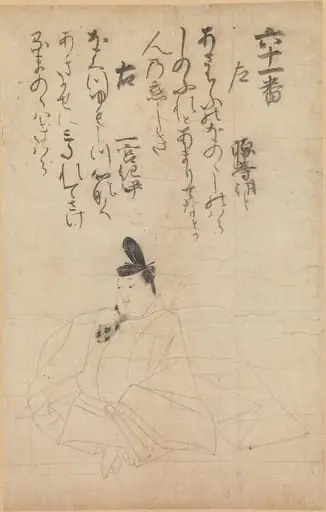 Untitled
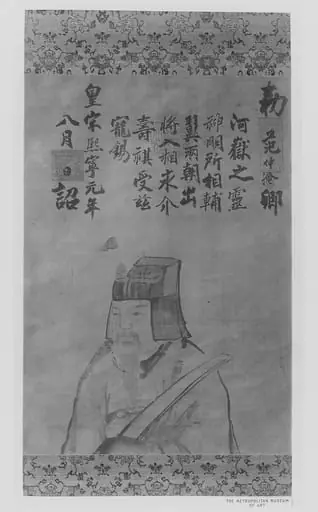 Untitled
 Untitled
 Untitled
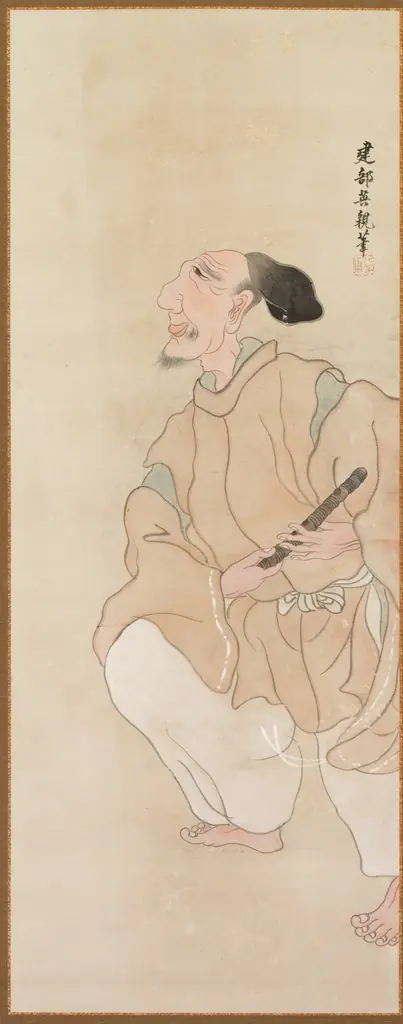 Genre Figures
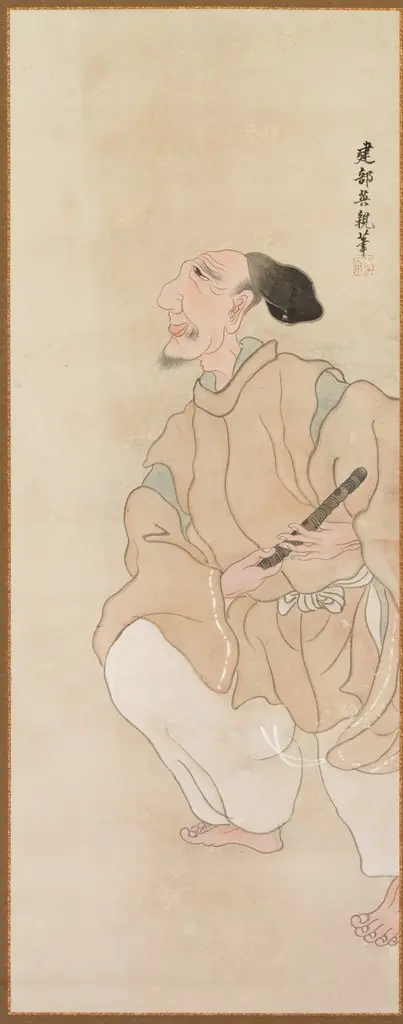 Genre Figures
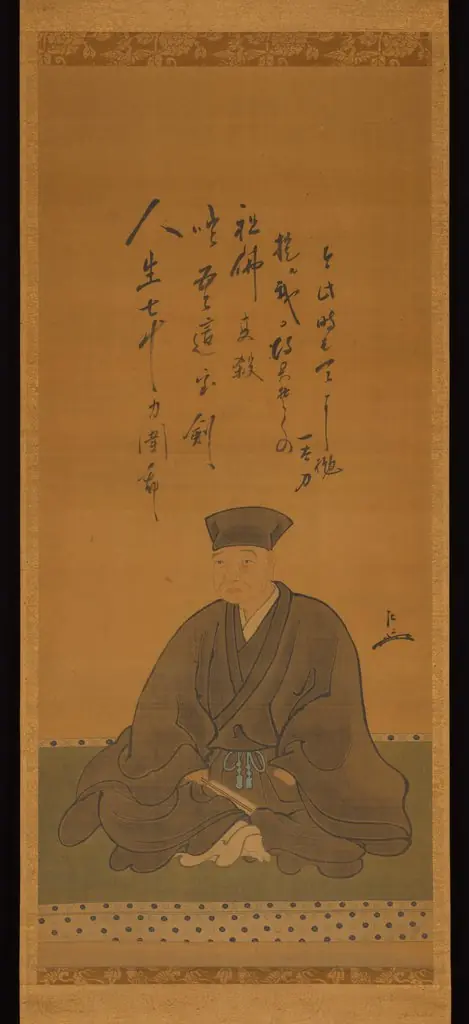 Portrait of Sen no Rikyū with his Death Poem
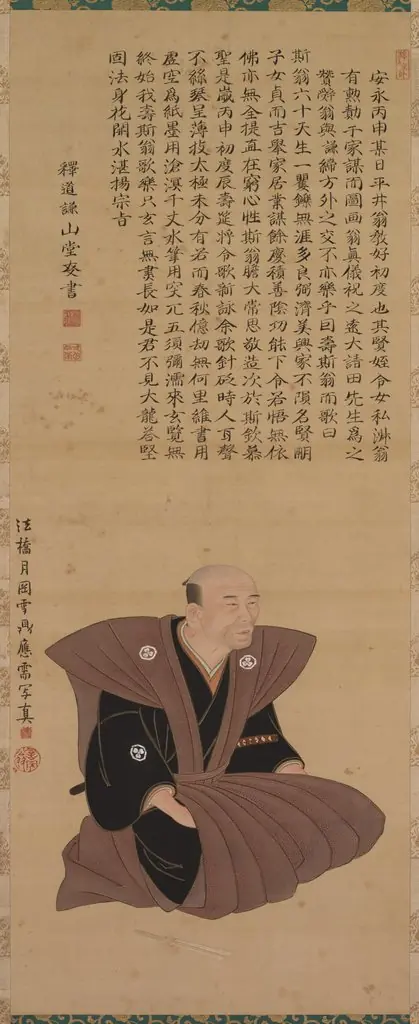 Portrait of Samurai-Official: Hirai KyoseiHirai Kyosei
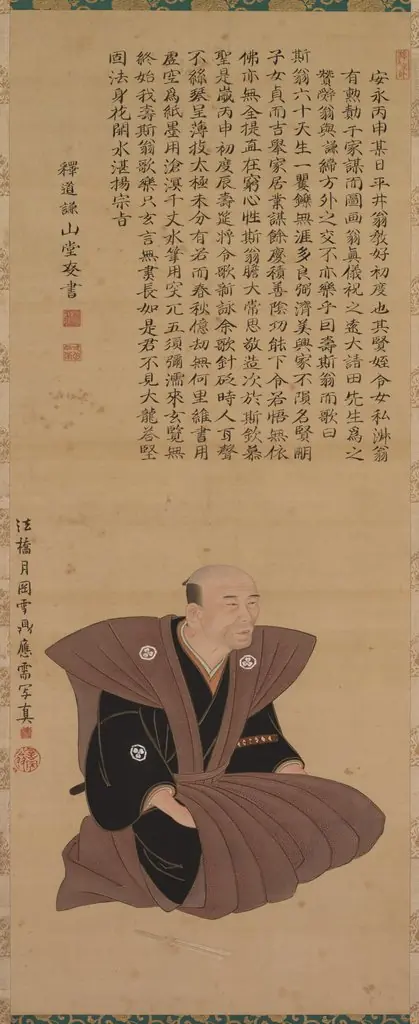 Pair of Portraits of Samurai-Officials: Hirai Kyosei and Hirai Rinsei
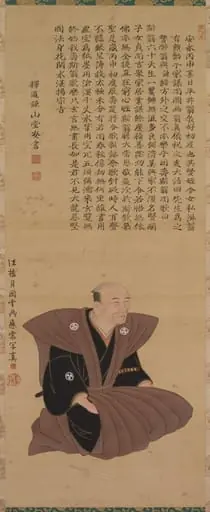 Portrait of Samurai-Official: Hirai KyoseiHirai Kyosei