Artwork
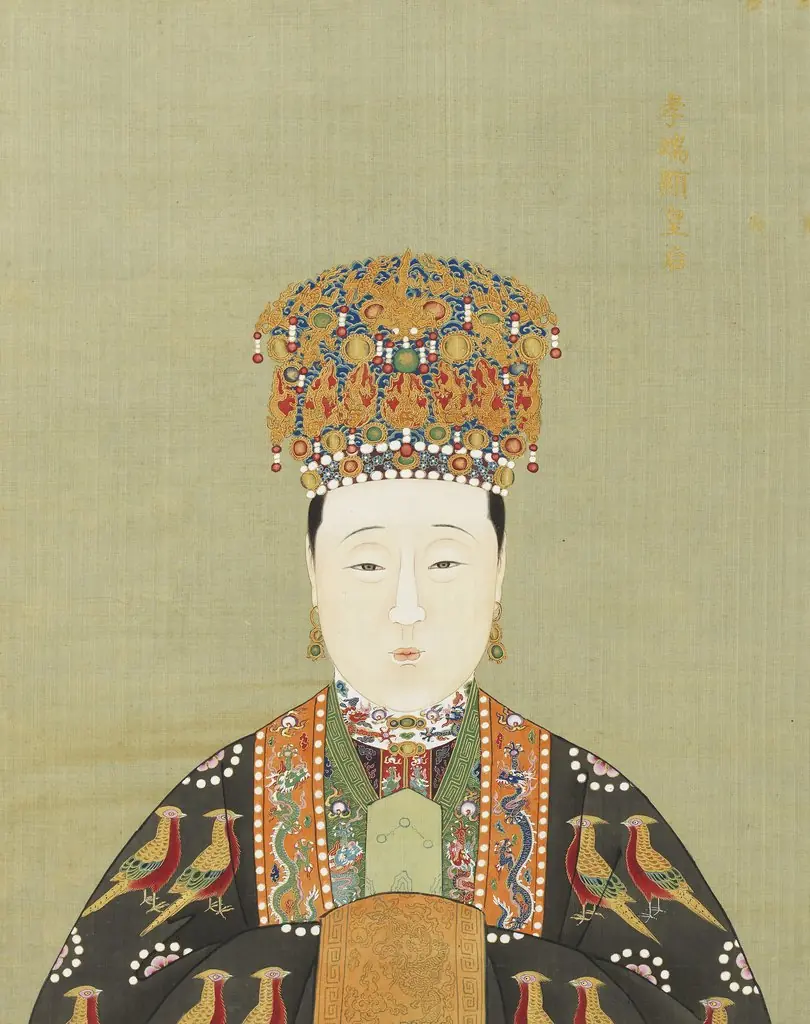
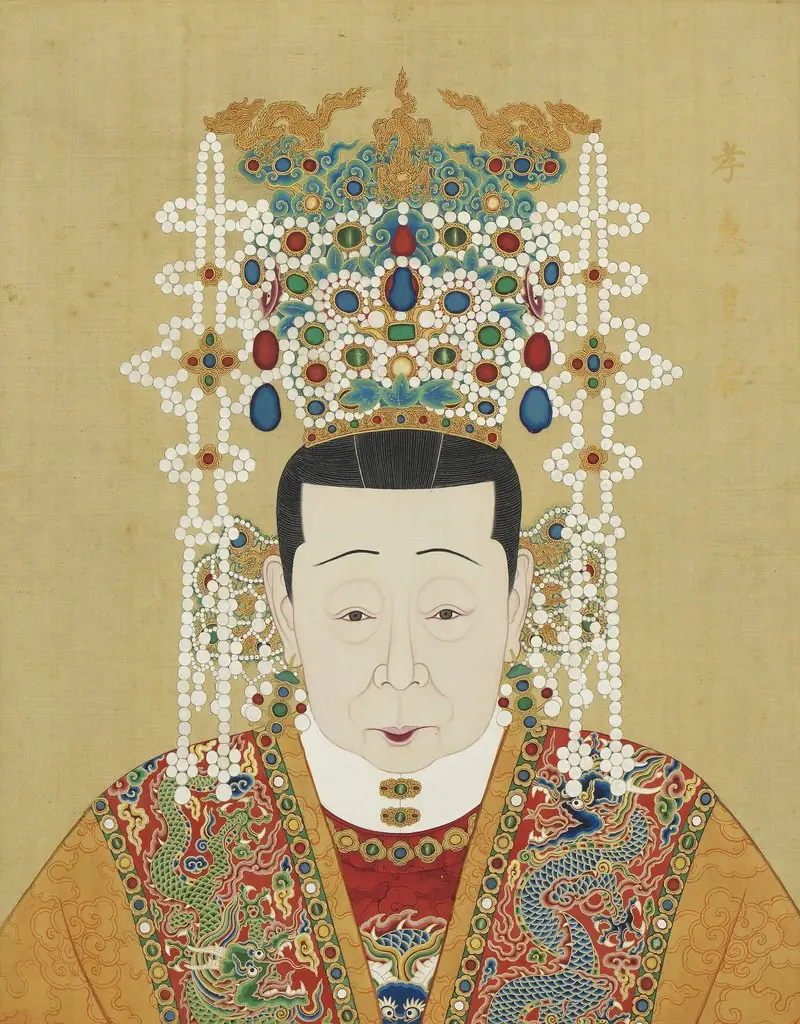
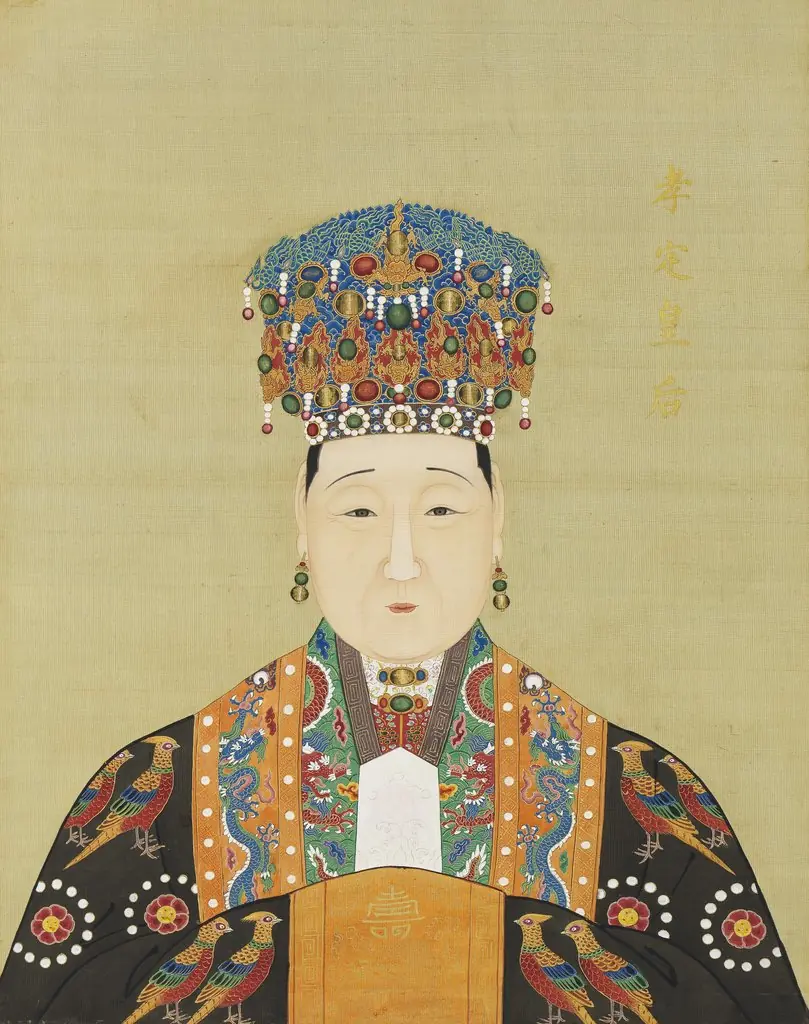
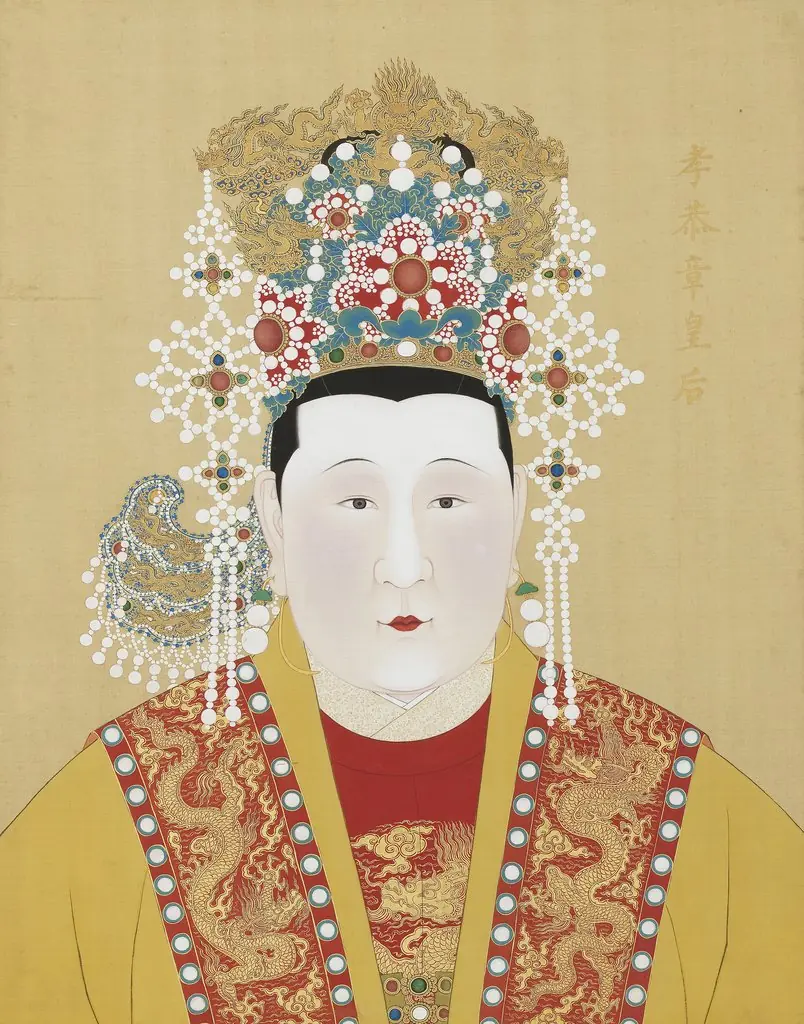
明代帝后半身像册(一)-孝静毅皇后
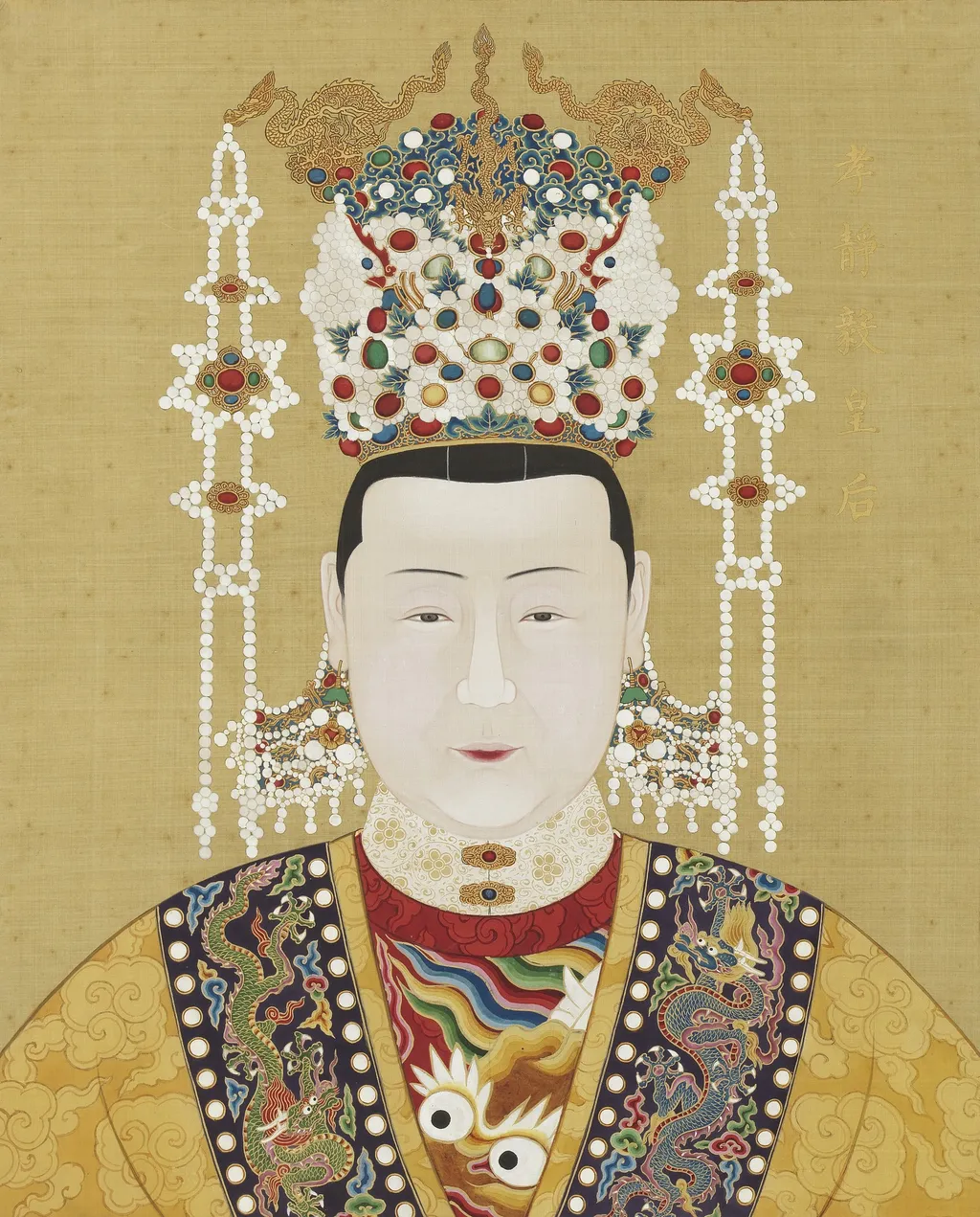
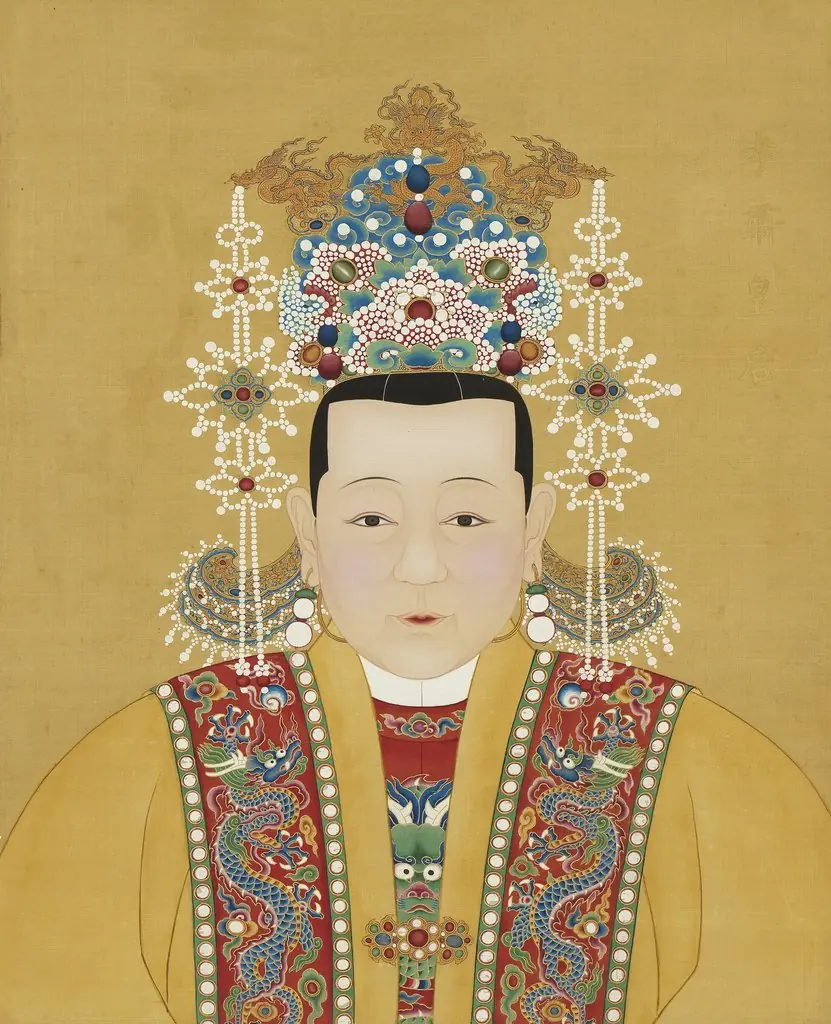
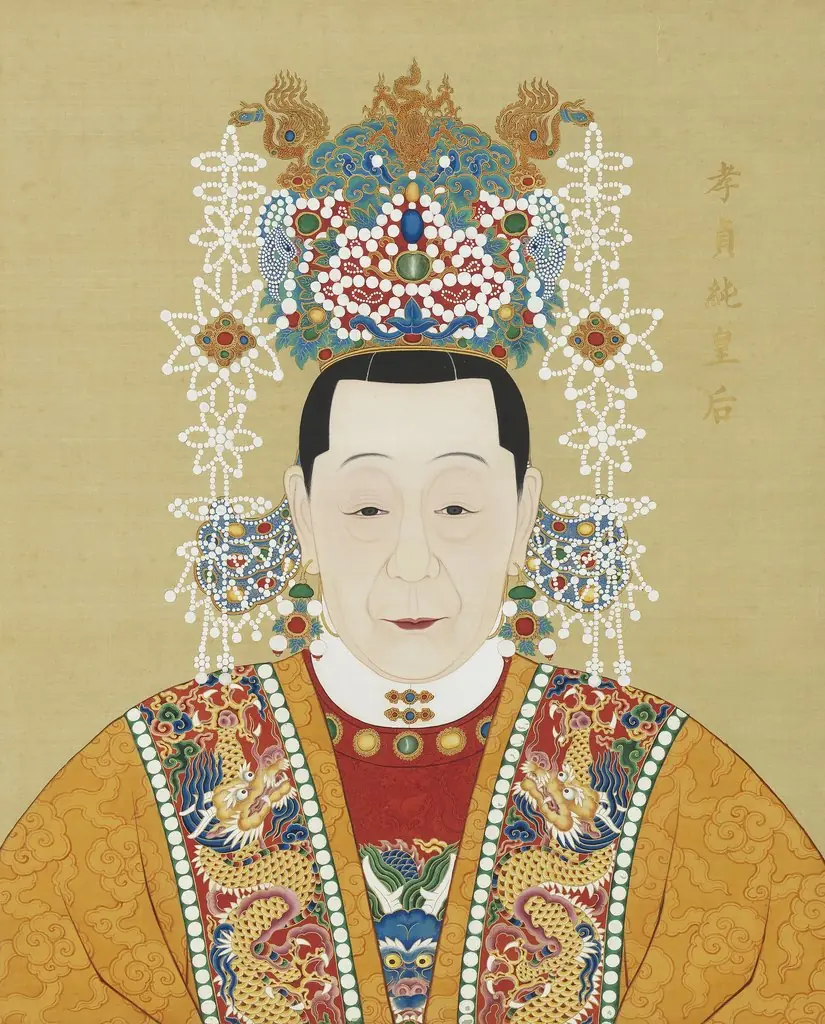
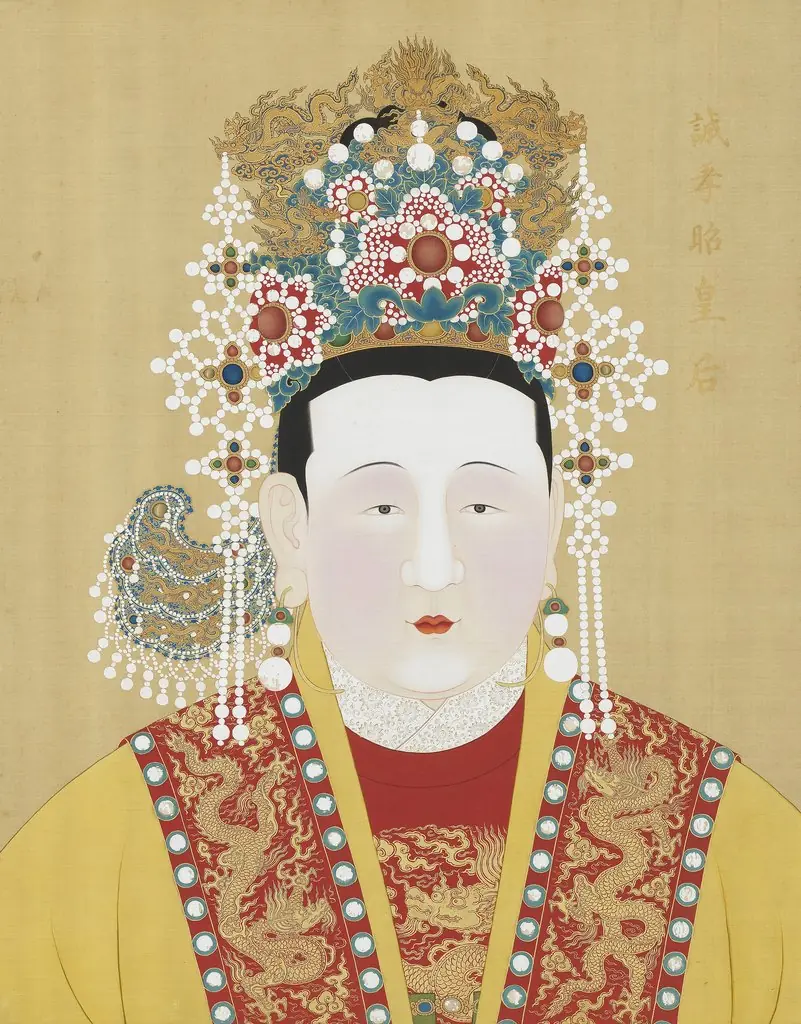
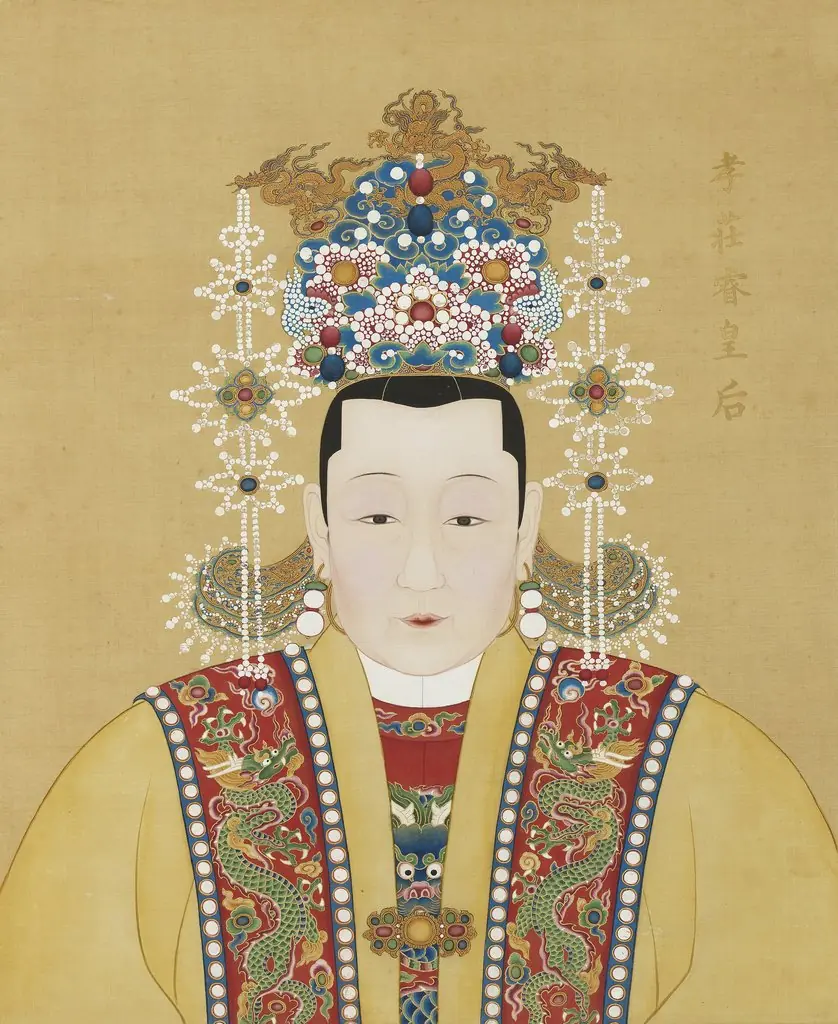
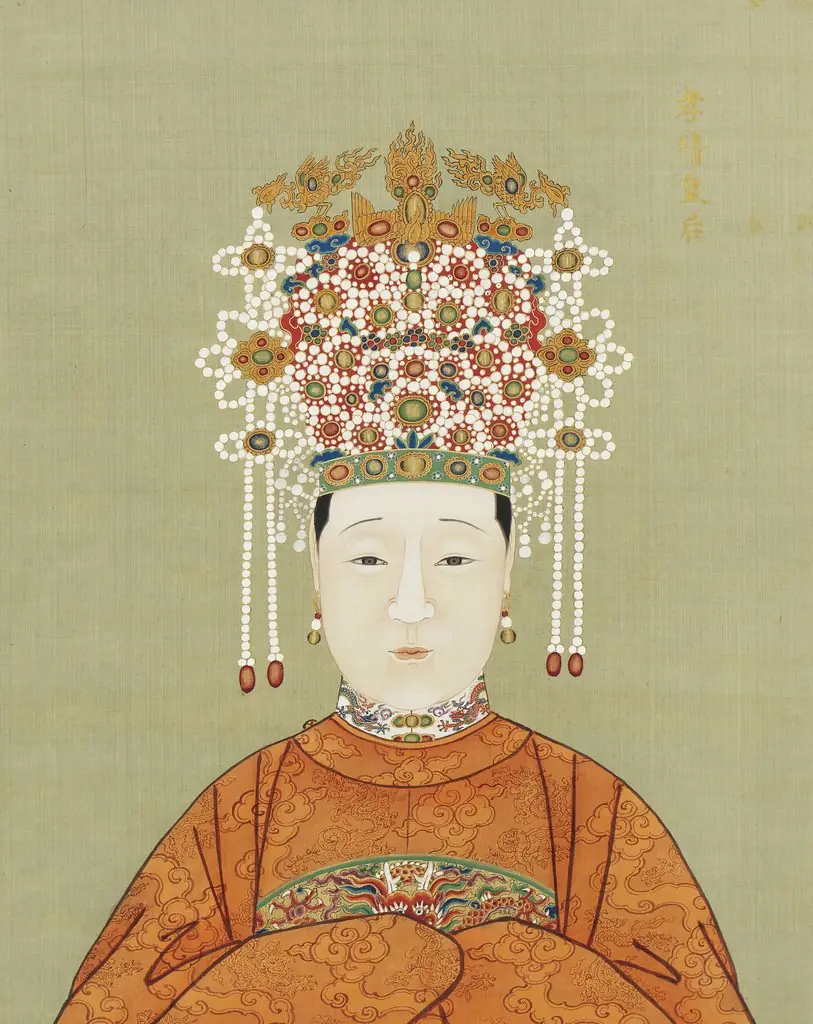
明代帝后半身像册(一)-孝静毅皇后 is an unspecified painting by Unknown. It dates from 1850 and is held in the collection of the National Palace Museum. This portrait is one of a series depicting Ming dynasty imperial consorts, rendered in ink and color on silk.
About this work
Overview
It presents the upper body of Empress Xiaojingyi, identified by her regalia and position within the imperial family.
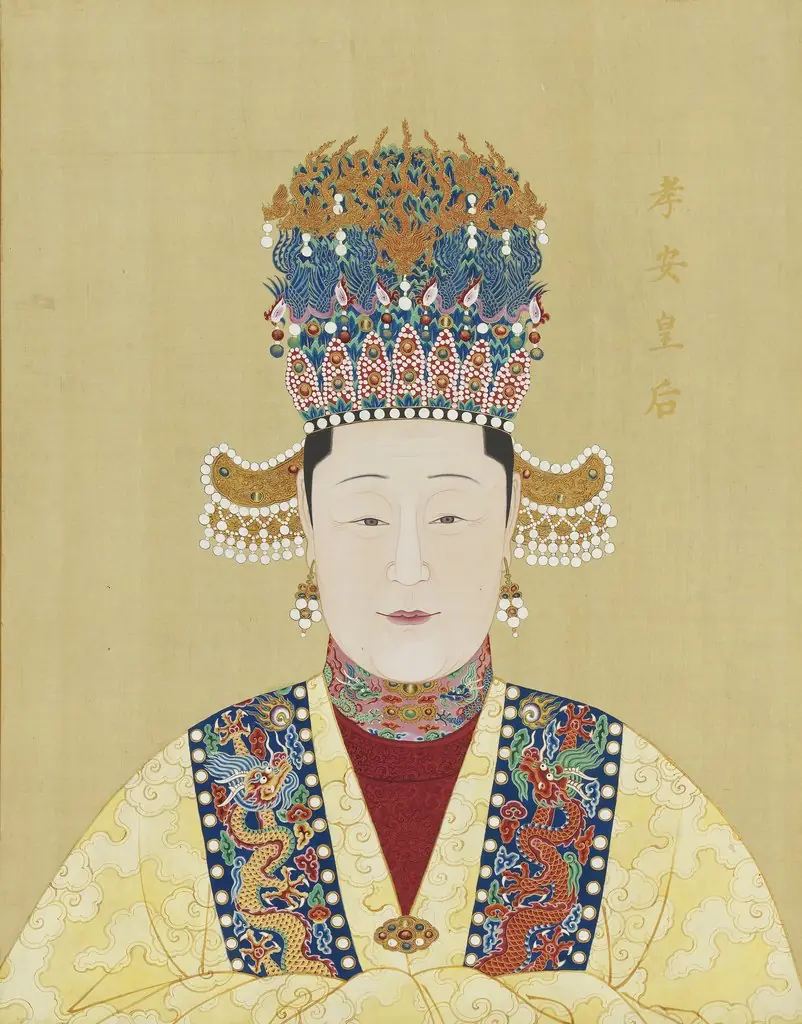
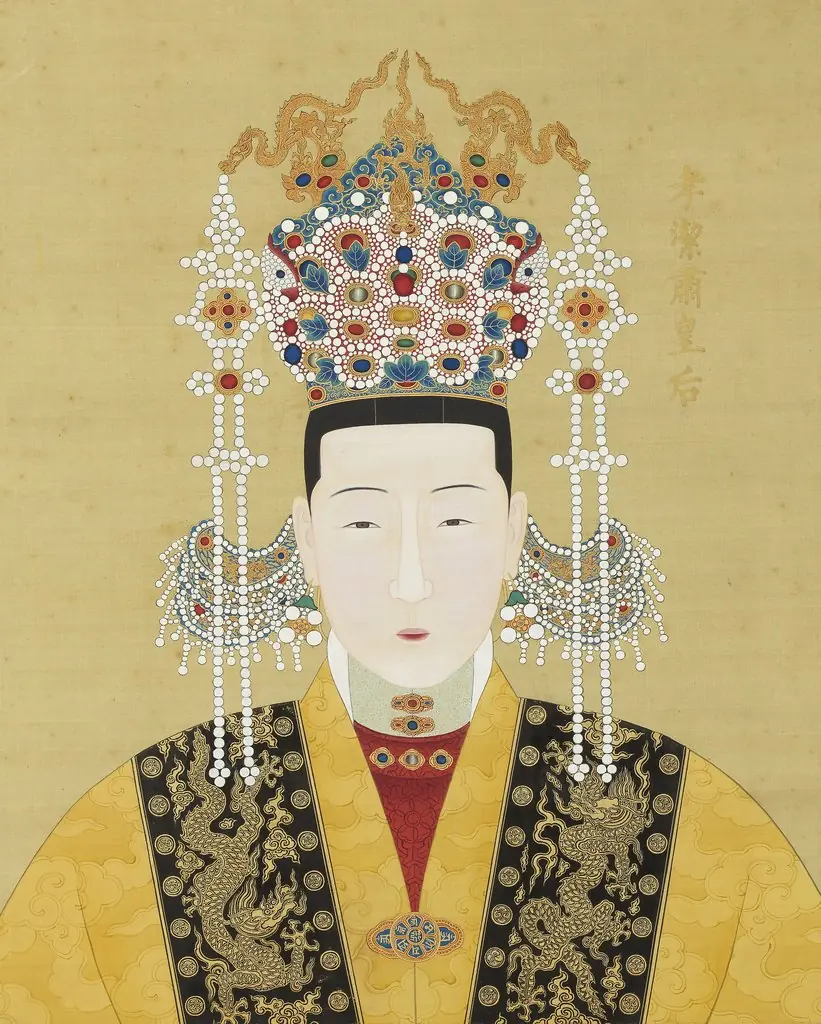
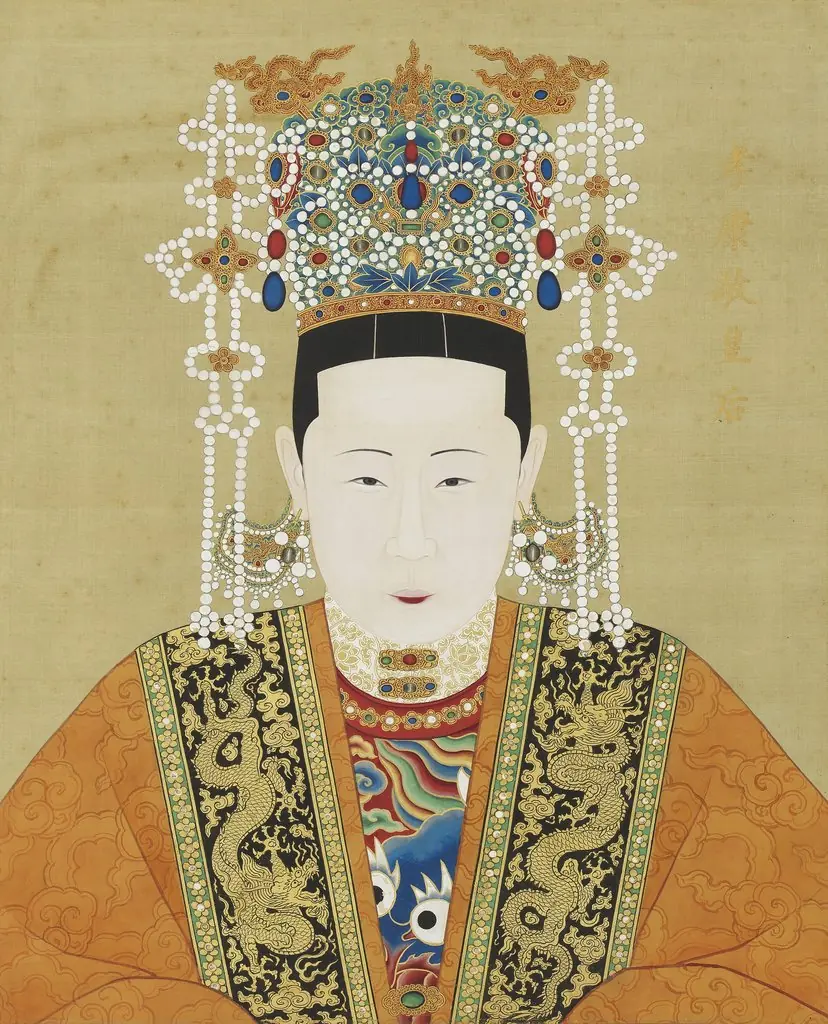
This portrait is one of a series depicting Ming dynasty imperial consorts, rendered in ink and color on silk. It presents the upper body of Empress Xiaojingyi, identified by her regalia and position within the imperial family. The composition is formal and frontal, emphasizing status through precise rendering of attire and adornment. The work originates from the Ming court’s tradition of recording imperial lineage through standardized portraiture.
Subject & Meaning
The subject is Empress Xiaojingyi, consort of the Jiajing Emperor, whose identity is confirmed by historical records and ceremonial dress. Her attire and headdress follow strict protocols for imperial women, signaling rank and virtue. The rich colors and intricate details of her jewelry and headpiece reflect Confucian ideals of order and propriety, reinforcing her role as a moral exemplar within the imperial household.
Technique & Style
Executed in meticulous brushwork, the painting employs fine lines and layered pigments to capture texture in silk, metal, and gemstone elements. Facial features are rendered with subtle modeling, avoiding idealization in favor of dignified realism. The background is left unadorned, directing focus to the figure’s elaborate costume. Color use is deliberate: yellow for imperial authority, red and blue for ceremonial significance, and black for solemnity.
History & Provenance
Created during the mid-16th century in the Ming imperial atelier, this portrait was likely used in ancestral rites or stored in palace archives. It remained in the Forbidden City until the early 20th century, when it was moved to the National Palace Museum in Taipei along with other imperial collections following the fall of the Qing dynasty. Its preservation reflects its continued ceremonial and historical value.
Context
Portraits of empresses like this were part of a broader imperial project to visually codify hierarchy and legitimacy. Similar works were displayed in ancestral halls during rituals, reinforcing dynastic continuity. The style aligns with court painting traditions that prioritized accuracy over expression, serving administrative and ritual functions rather than personal commemoration.
Legacy
This portrait contributes to a rare surviving corpus of Ming imperial women’s imagery, offering insight into gender, power, and visual culture in late imperial China. Its preservation allows scholars to study costume, symbolism, and court protocol. As part of the National Palace Museum’s collection, it remains a key reference for understanding Ming-era portraiture and imperial identity.
Artist & collection

 Domestic Scene
 Giacomo and Cardinal Marco, investing Andrea, Abbot of San Zeno, with his Benefice
 The Nymph of Fontainebleau
 Portrait of a Woman
 Madonna and Child with Saints in the Enclosed Garden
 Venus and Minerva
 Family Group of Four on Sofa
 Wall painting from Room H of the Villa of P. Fannius Synistor at Boscoreale