Artwork
東海道五十三次 石部|Ishibe, from the series The Fifty-three Stations of the Tōkaidō Road
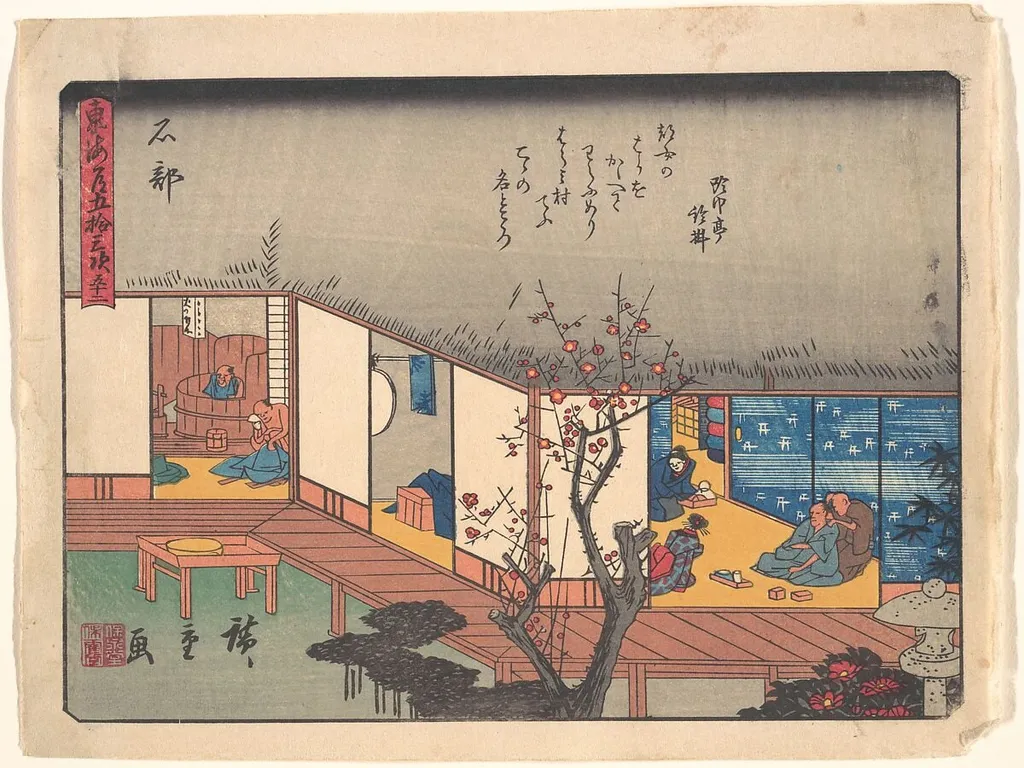
東海道五十三次 石部|Ishibe, from the series The Fifty-three Stations of the Tōkaidō Road is an ink print by Utagawa Hiroshige. It is held in the collection of the Metropolitan Museum of Art.
About this work
Overview
This woodblock print is part of Utagawa Hiroshige’s series depicting the fifty-three post stations along the Tōkaidō, the main road connecting Edo and Kyoto.
This woodblock print is part of Utagawa Hiroshige’s series depicting the fifty-three post stations along the Tōkaidō, the main road connecting Edo and Kyoto. Created in the 1830s, not 1916 as sometimes misstated, it reflects Hiroshige’s focus on everyday landscapes rather than the more common ukiyo-e themes of actors or courtesans. The print is rendered in ink and color on paper, typical of the ukiyo-e tradition, and captures a quiet moment of rest along the journey.
Subject & Meaning
The scene portrays an interior at Ishibe station, where travelers pause for rest. Figures sit on the floor, dressed in simple garments, suggesting a moment of stillness amid travel. A blooming tree outside, framed by a wooden platform, introduces natural rhythm into the domestic space. The inclusion of inscriptions and a red banner indicates the print’s function as both art and travel documentation, grounding the image in the real experience of the road.
Technique & Style
Hiroshige employed subtle gradations of color to suggest depth and atmosphere, particularly in the interior’s sliding doors and the soft transition between light and shadow. The composition balances interior stillness with the outward view of the tree, using framing and scale to draw the eye. Fine lines define architectural details, while muted tones and restrained palette reflect the quietude of the scene, distinguishing it from more vibrant ukiyo-e works.
History & Provenance
The print was produced in the early 1830s by Hiroshige’s publisher, Hoeidō, as part of a widely distributed series. Original impressions were printed in limited runs and circulated among merchants and travelers. Later reprints, including some from the early 20th century, have sometimes been misattributed as original. Surviving early impressions are held in major museum collections, with provenance tracing back to Edo-period collectors and foreign acquisitions in the late 19th century.
Context
The Tōkaidō was a vital artery of Edo-period Japan, used by samurai, pilgrims, and merchants. Hiroshige’s series responded to growing public interest in travel and regional identity. Unlike earlier ukiyo-e focused on urban entertainment, these prints offered a contemplative view of the countryside and its people, aligning with a broader cultural shift toward appreciating the beauty of ordinary journeys and seasonal change.
Legacy
Hiroshige’s Tōkaidō series influenced later artists in Japan and abroad, including Impressionists who admired its compositional economy and atmospheric effects. The prints helped define the aesthetic of Japanese landscape art in the West. While not revolutionary in technique, their quiet observation of daily life and nature contributed to a lasting shift in how travel and place were represented in visual culture.
Artist & collection
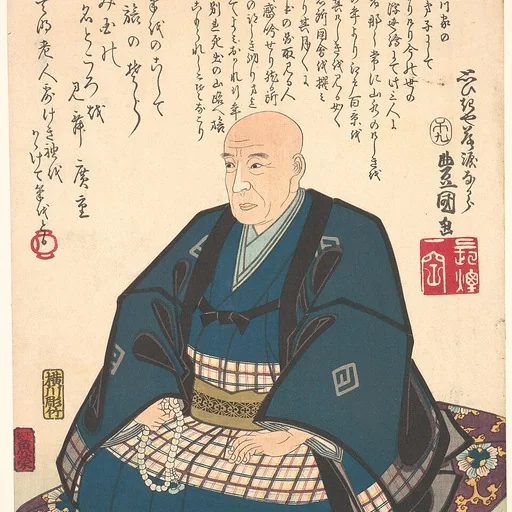
Artist
Utagawa Hiroshige (歌川 広重) or Andō Hiroshige (安藤 広重), born Andō Tokutarō (安藤 徳太郎; 1797 – 12 October 1858), was a Japanese ukiyo-e artist, considered the last great master of that tradition.

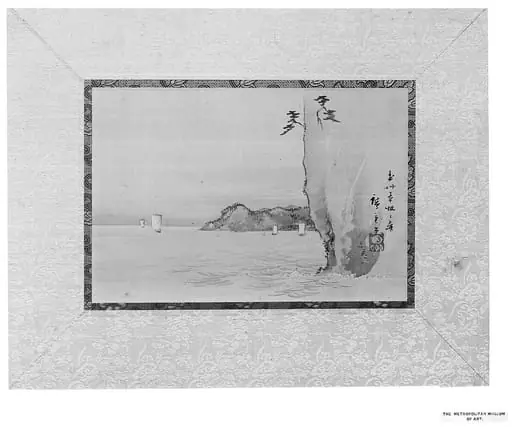
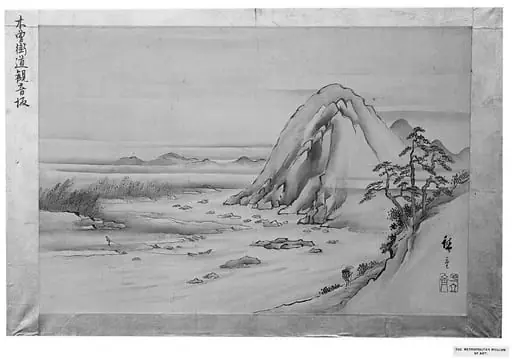
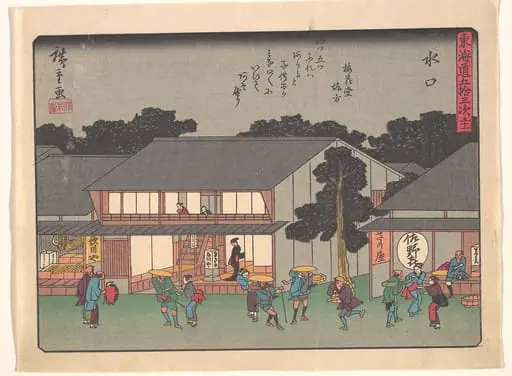 東海道五十三次 水口|Mizukuchi, from the series The Fifty-three Stations of the Tōkaidō Road
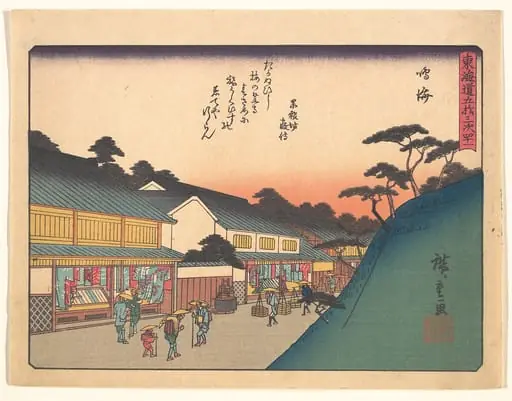 東海道五十三次 鳴海|Narumi, from the series The Fifty-three Stations of the Tōkaidō Road
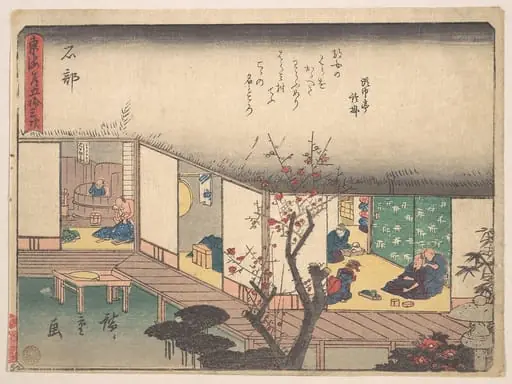 東海道五十三次 石部|Ishibe
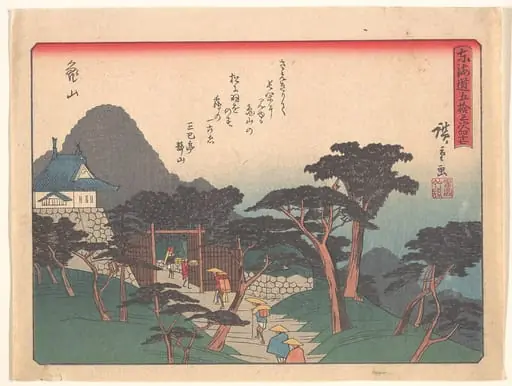 東海道五十三次 亀山|Kameyama, from the series The Fifty-three Stations of the Tōkaidō Road
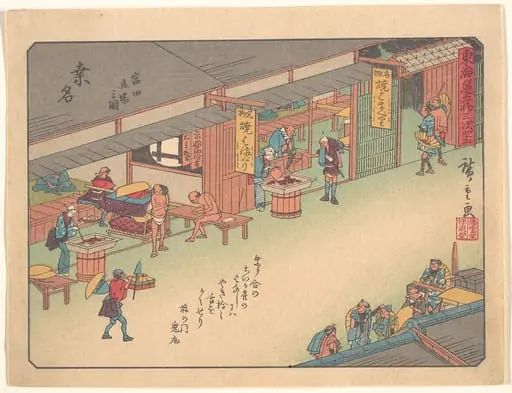 東海道五十三次 桑名|Kuwana, from the series The Fifty-three Stations of the Tōkaidō Road
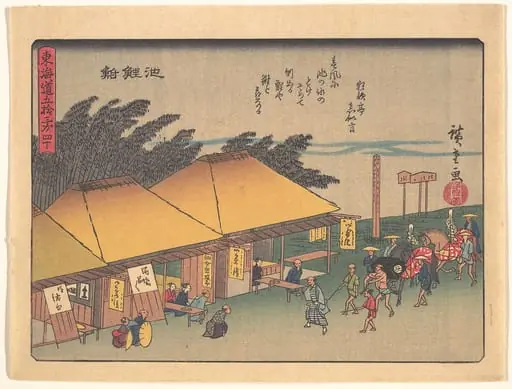 東海道五十三次 池鯉鮒|Chiryūshuku, from the series The Fifty-three Stations of the Tōkaidō Road
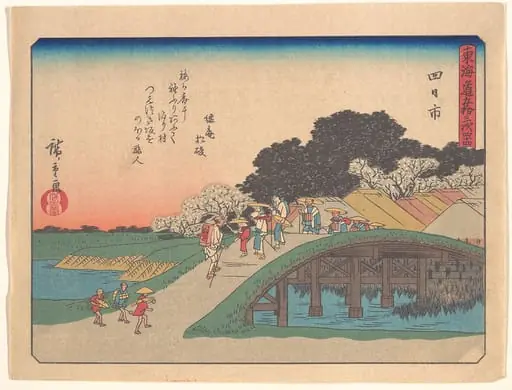 東海道五十三次 四日市|Yokkaichi, from the series The Fifty-three Stations of the Tōkaidō Road
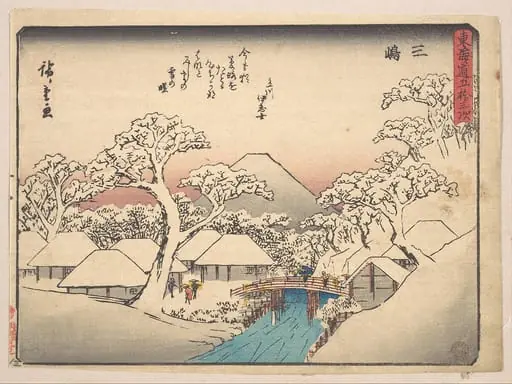 東海道五十三次 三島|Mishima, from the series Fifty-three Stations of the Tōkaidō Road (Tōkaidō gojūsan tsugi, Mishima), also known as the Kyōka (Witty Verse) Tōkaidō