Artwork
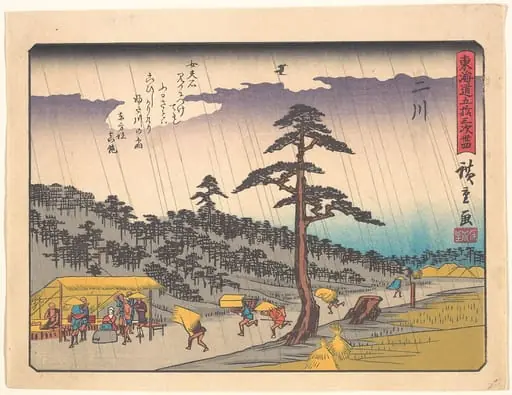
東海道五十三次 水口|Mizukuchi, from the series The Fifty-three Stations of the Tōkaidō Road
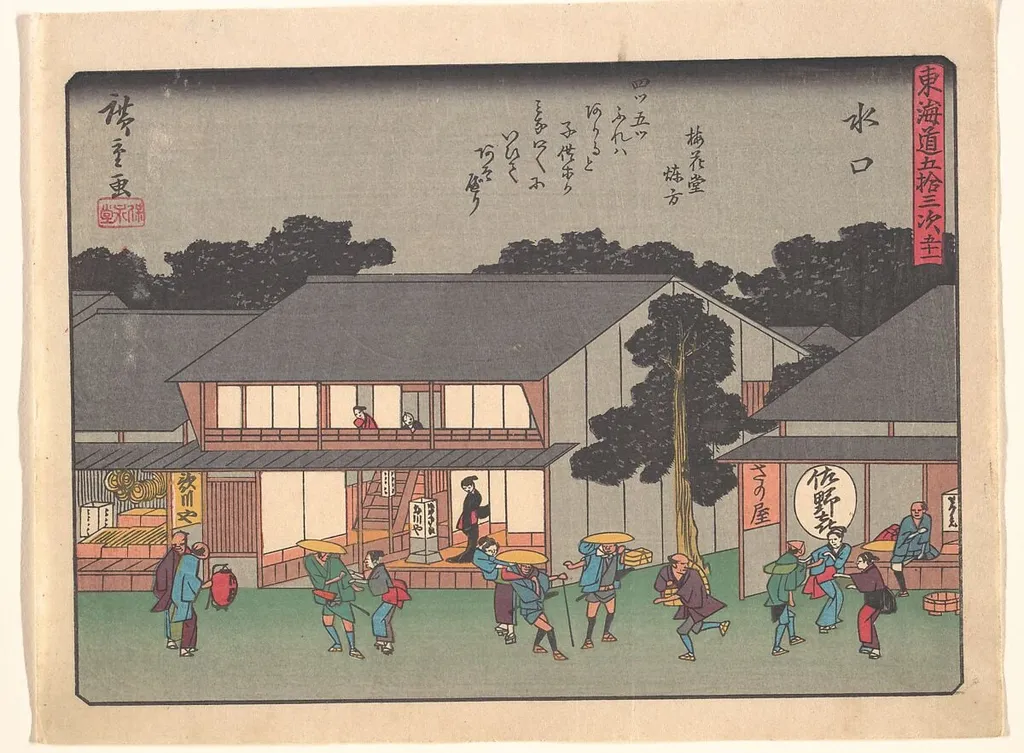
東海道五十三次 水口|Mizukuchi, from the series The Fifty-three Stations of the Tōkaidō Road is an ink print by Utagawa Hiroshige. It dates from 1916 and is held in the collection of the Metropolitan Museum of Art.
About this work
Overview
The composition captures a roadside rest stop with quiet activity, emphasizing atmosphere over narrative.
This woodblock print is one of fifty-three scenes from Utagawa Hiroshige’s series depicting stations along the Tōkaidō, the principal road linking Edo and Kyoto. Created in the 1830s, not 1916, it belongs to Hiroshige’s most influential body of work, shifting ukiyo-e’s focus from courtesans and actors to the natural and social rhythms of travel. The composition captures a roadside rest stop with quiet activity, emphasizing atmosphere over narrative.
Subject & Meaning
Mizukuchi portrays a modest lodging area where travelers pause during their journey. Figures in varied attire—some carrying loads, others resting—suggest the diversity of those using the road: merchants, pilgrims, and laborers. The prominent pine tree and tiled roof hint at local geography and shelter, while the Japanese sign identifies the station. The scene conveys the quiet dignity of everyday transit, reflecting the cultural importance of the Tōkaidō as a conduit of movement and connection.
Technique & Style
Hiroshige employed traditional ukiyo-e methods: carved woodblocks, hand-applied ink and color, and paper with subtle texture. Bold outlines define forms, while flat, unmodulated hues create clarity. Cross-hatching suggests shadow and volume, particularly in the pine’s branches, contrasting with the lighter walls of the building. The horizontal format and elevated viewpoint, typical of landscape series, guide the eye across the scene with rhythmic balance.
History & Provenance
Produced around 1833–1834 by Hiroshige and his publisher, the series was widely distributed as affordable prints for travelers and urban dwellers. Early impressions were printed in limited runs, with later reissues occurring after Hiroshige’s death. This particular impression likely dates from the original edition, as later versions often show faded colors or altered blocks. Its survival in good condition reflects its popularity and careful preservation.
Context
During the Edo period, the Tōkaidō was a vital artery for commerce, pilgrimage, and official travel, regulated by checkpoints and serviced by post stations. Hiroshige’s series responded to growing public interest in travel and regional identity. Unlike earlier ukiyo-e focused on pleasure districts, these prints celebrated the landscape and transient life along the road, aligning with broader cultural shifts toward nature and journey as subjects worthy of artistic attention.
Legacy
Hiroshige’s Tōkaidō series influenced generations of artists, both in Japan and abroad, including Impressionists who admired its compositional clarity and atmospheric perspective. The prints helped define the aesthetic of Japanese landscape art for Western audiences. Today, they remain key references for understanding Edo-period visual culture, not as grand monuments, but as intimate records of ordinary movement across a nation.
Artist & collection
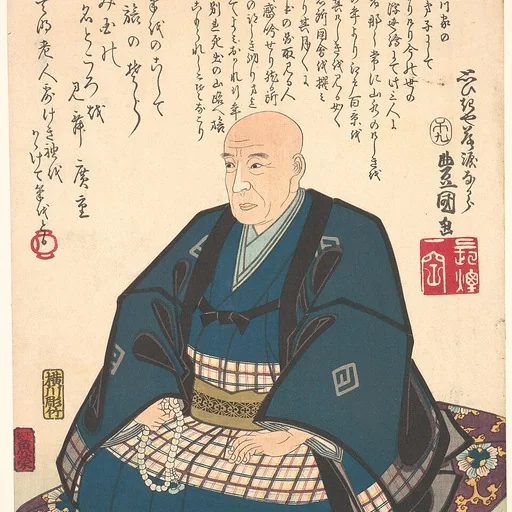
Artist
Utagawa Hiroshige (歌川 広重) or Andō Hiroshige (安藤 広重), born Andō Tokutarō (安藤 徳太郎; 1797 – 12 October 1858), was a Japanese ukiyo-e artist, considered the last great master of that tradition.

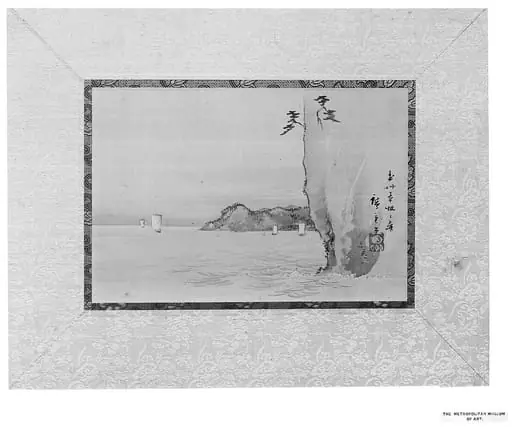
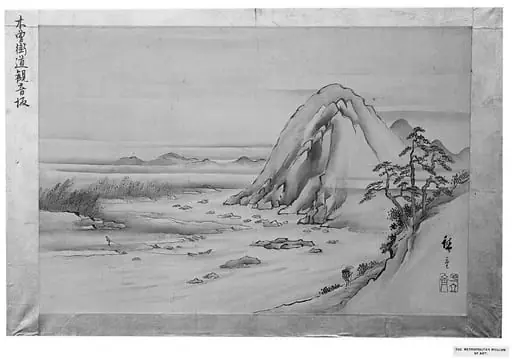
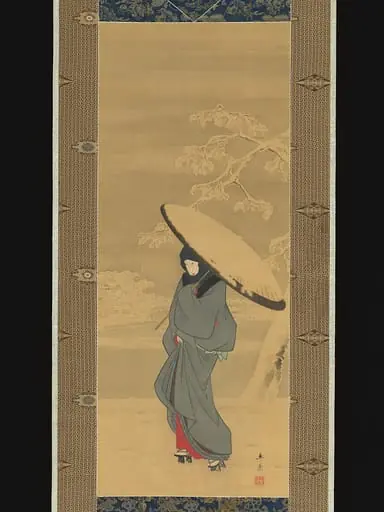
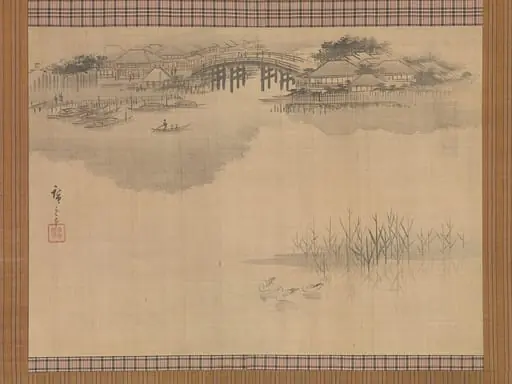
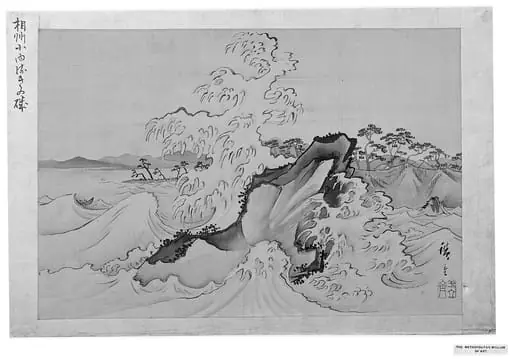
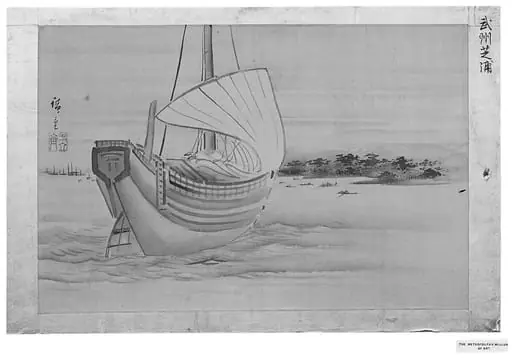
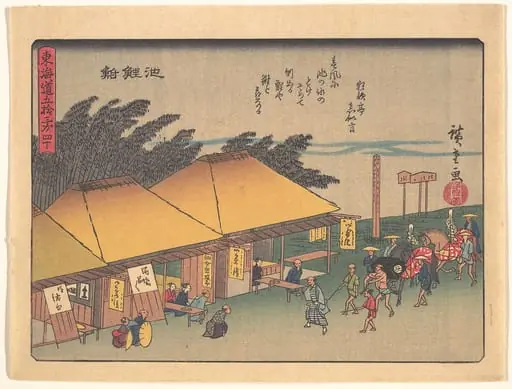 東海道五十三次 池鯉鮒|Chiryūshuku, from the series The Fifty-three Stations of the Tōkaidō Road
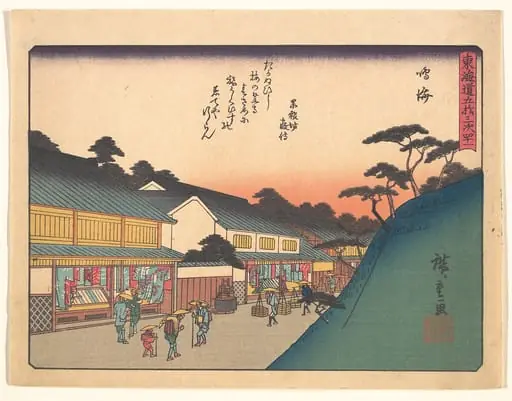 東海道五十三次 鳴海|Narumi, from the series The Fifty-three Stations of the Tōkaidō Road
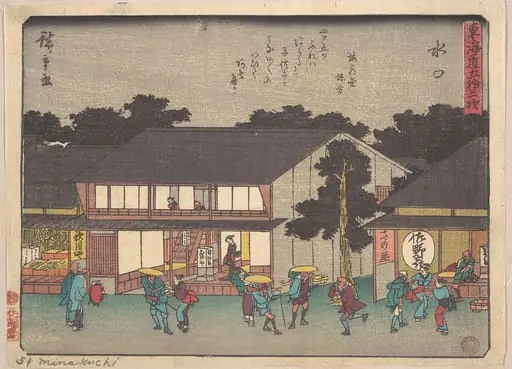 東海道五十三次 水口|Mizukuchi
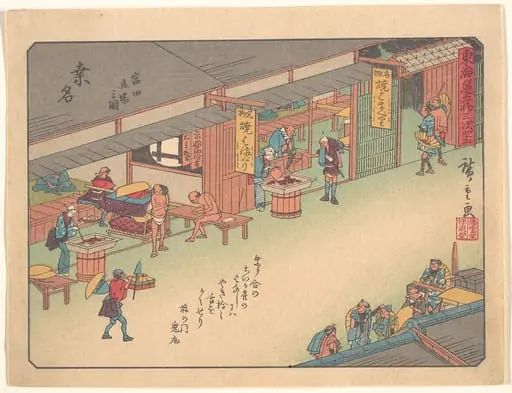 東海道五十三次 桑名|Kuwana, from the series The Fifty-three Stations of the Tōkaidō Road
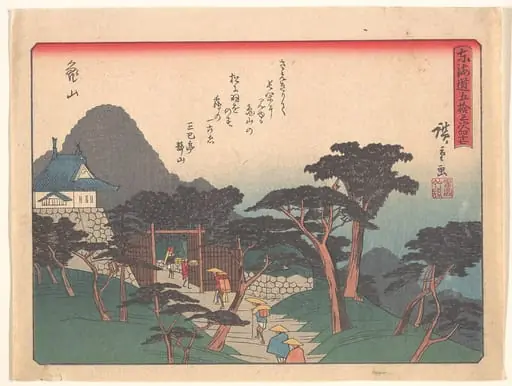 東海道五十三次 亀山|Kameyama, from the series The Fifty-three Stations of the Tōkaidō Road
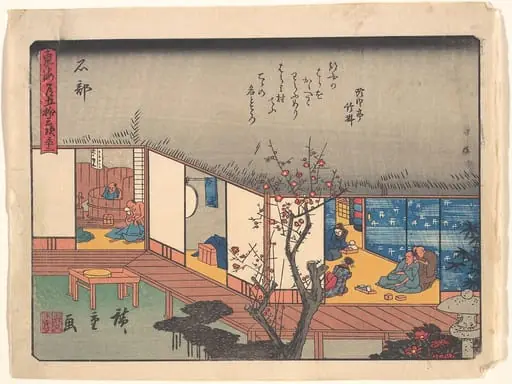 東海道五十三次 石部|Ishibe, from the series The Fifty-three Stations of the Tōkaidō Road
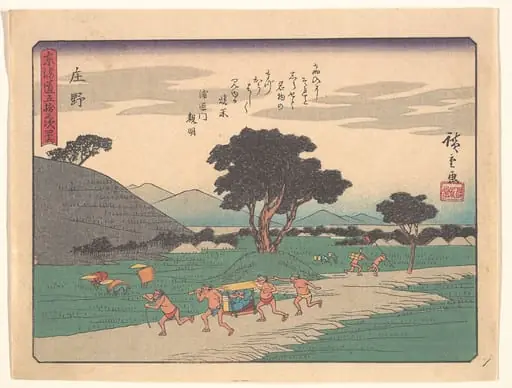 東海道五十三次 庄野|Shōno, from the series The Fifty-three Stations of the Tōkaidō Road
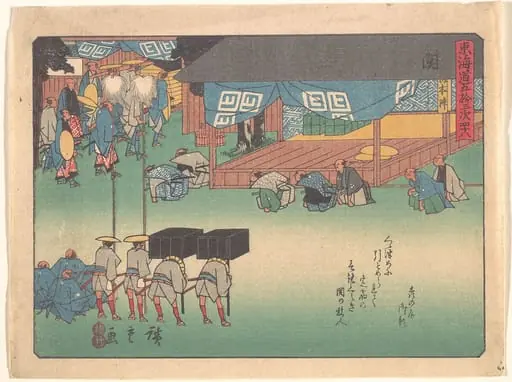 東海道五十三次 関|Seki, from the series The Fifty-three Stations of the Tōkaidō Road
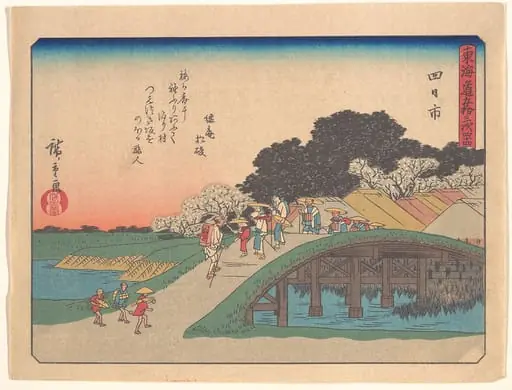 東海道五十三次 四日市|Yokkaichi, from the series The Fifty-three Stations of the Tōkaidō Road
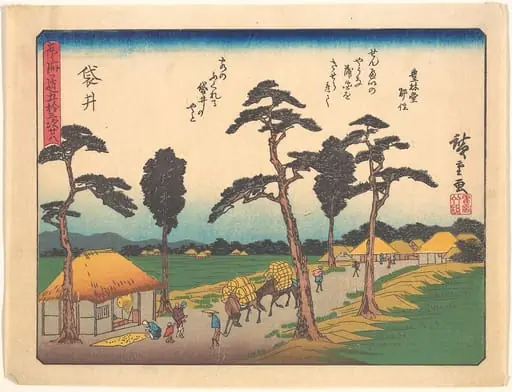 東海道五十三次 袋井|Fukuroi, from the series The Fifty-three Stations of the Tōkaidō Road
 東海道五十三次 二川|Futakawa, from the series The Fifty-three Stations of the Tōkaidō Road