Artwork
Untitled
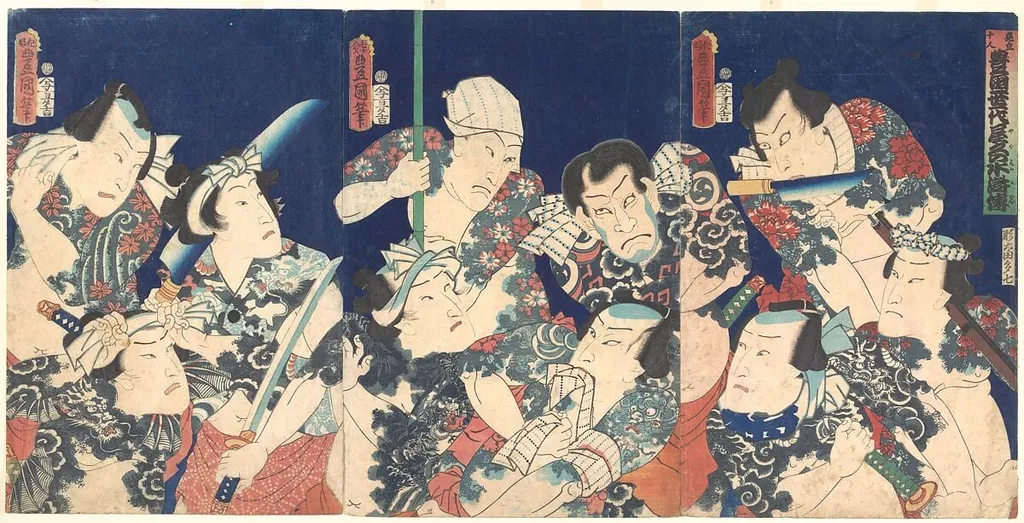
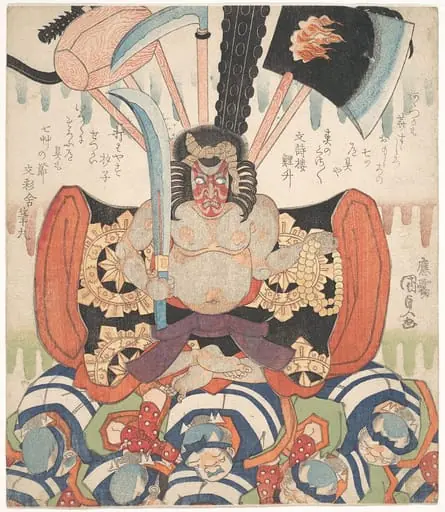
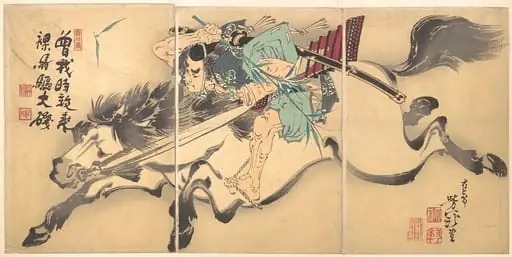
Untitled is an ink print by the Impressionist artist Utagawa Kunisada. It dates from 1863 and is held in the collection of the Metropolitan Museum of Art.
About this work
Overview
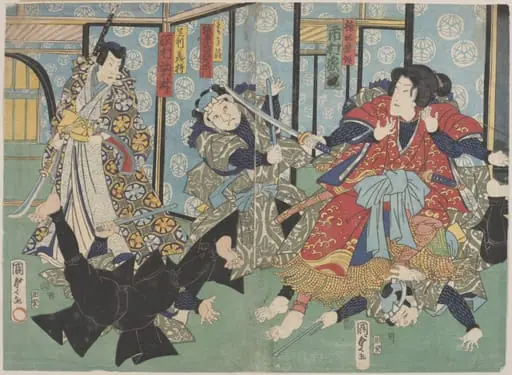
This woodblock print, dated 1863, is one of many genre scenes produced by Utagawa Kunisada during the late Edo period. Executed in ink and color on paper, it captures a theatrical moment with five male figures in dynamic postures. The work is part of the collection at The Metropolitan Museum of Art, reflecting the popularity of kabuki-themed prints among urban audiences of the time.
Subject & Meaning
The figures are likely kabuki actors portraying dramatic roles from popular plays, each frozen in a moment of heightened emotion.
The figures are likely kabuki actors portraying dramatic roles from popular plays, each frozen in a moment of heightened emotion. Their exaggerated expressions—anger, surprise, defiance—and the props they hold, such as fans, swords, and scrolls, signal specific character types and narrative climaxes. The scene invites viewers to recognize the story being enacted, relying on shared cultural knowledge of kabuki theater.
Technique & Style
Kunisada employed bold, dark outlines to define the figures, enhancing their theatrical presence against a deep blue background marked by swirling patterns. Bright, saturated colors accentuate costumes and facial features, drawing attention to individual expressions. The inclusion of red and gold text along the paper’s edges suggests the print may have been part of a series, possibly advertising a performance or actor.
History & Provenance
Created in 1863, the print emerged during a period when ukiyo-e prints flourished as affordable art for the merchant class. Kunisada, a leading designer of actor prints, produced hundreds of such works. This piece entered The Metropolitan Museum of Art’s collection through documented acquisitions, preserving its place within the broader tradition of Edo-period printmaking.
Context
Kabuki theater was central to Edo’s popular culture, and actor prints served as both souvenirs and promotional tools. Kunisada’s style emphasized expressive faces and elaborate costumes, aligning with audience expectations for vivid, emotionally charged imagery. The use of text and decorative borders reflects commercial printing practices common in mid-19th century Japan.
Legacy
Though unsigned in the traditional sense, the print exemplifies Kunisada’s prolific output and influence on the actor print genre. It contributes to the historical record of how theater and visual art intersected in Edo society. Today, such works are studied for their technical precision and as cultural artifacts of urban life in late feudal Japan.
Artist & collection
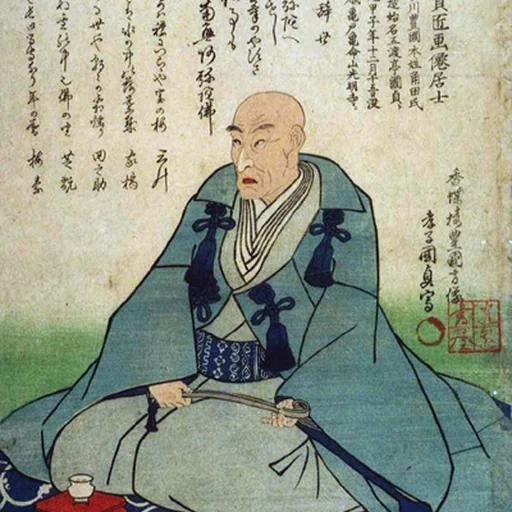

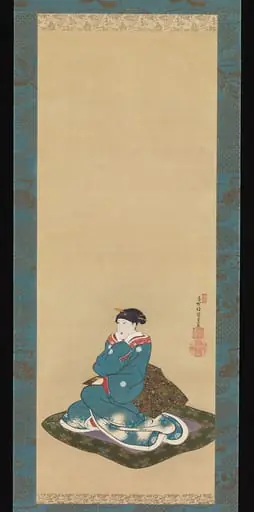 二代目岩井粂三郎の肖像|Portrait of Iwai Kumesaburō II
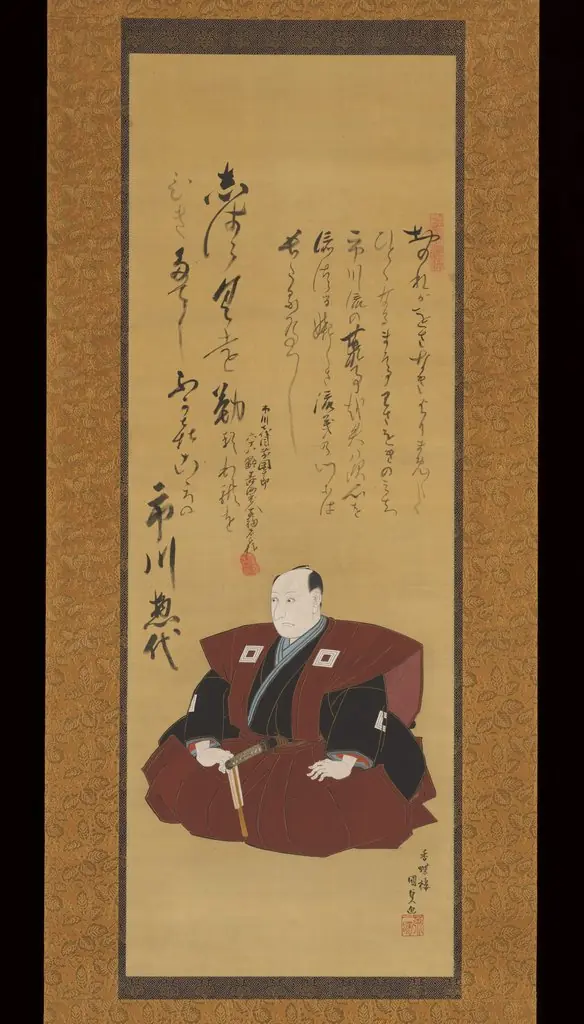 Memorial Portrait of the Actor Ichikawa Ōmezō I
 Untitled
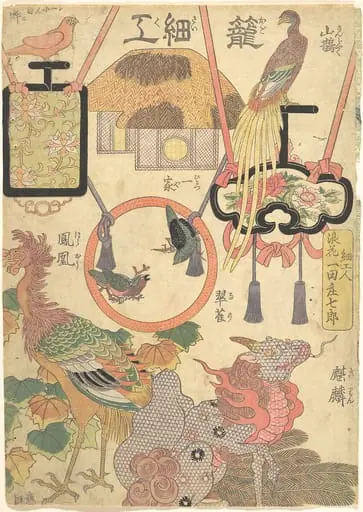 「籠細工 浪花細工人一田庄七郎」|Basketry Work: By the Craftsman Ichida Shōshichirō of Naniwa (Kagosaiku Naniwa saikujin Ichida Shōshichirō)
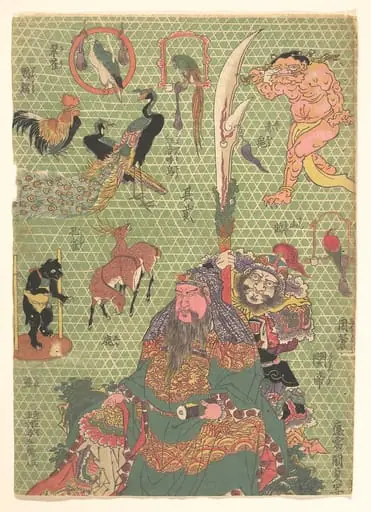 歌川国貞画 「籠細工 浪花細工人 一田庄七郎」|Basketry Work: By the Craftsman Ichida Shōshichirō of Naniwa (Kagozaiku Naniwa saikunin Ichida Shōshichirō)
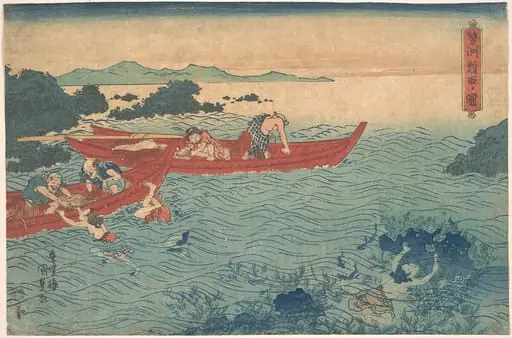 Untitled
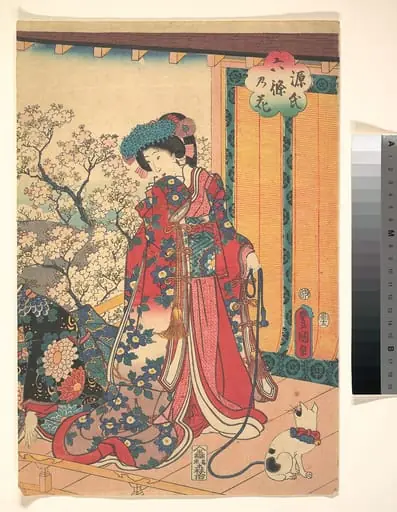 Untitled
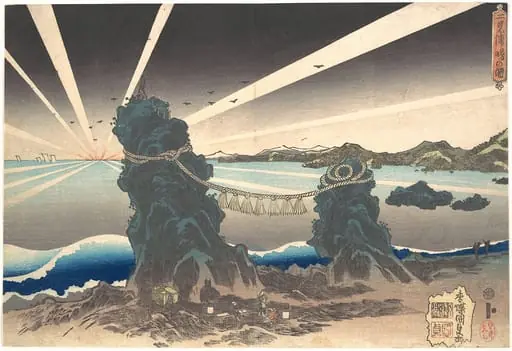 Futami-ga-ura akebono-no kuni|Futami-ga-ura Rocks at Ise, Land of Dawn
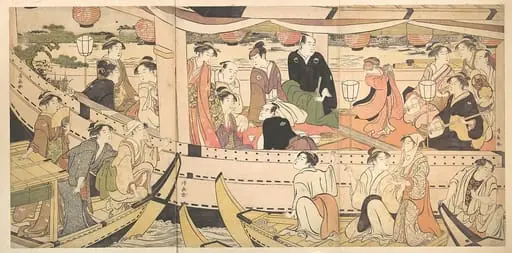 Untitled
 H Beard Print Collection
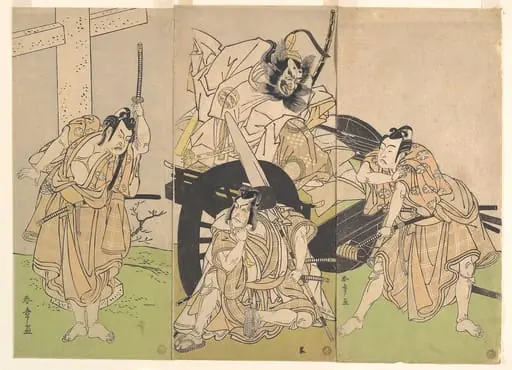 二代目市川八百藏・二代目中島三甫右衛門・三代目市川海老藏・九代目市村羽左衛門|Kabuki Actors Ichikawa Yaozō II, Nakajima Mihoemon II, Ichikawa Ebizō III, and Ichimura Uzaemon IX in the Play Sugawara’s Secrets of Calligraphy (Sugawara denju tenarai kagami)
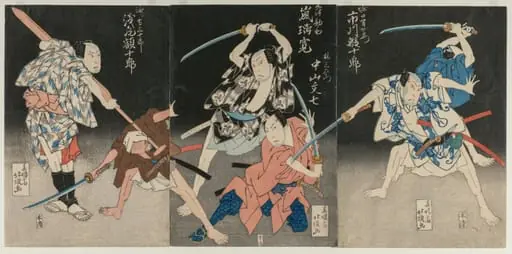 Ichikawa Ebijūrō II as Horiguchi Manzaemon (right), Arashi Rikan II as Kizu Kansuke, Nakayama Bunshichi III as Hayashi Sanzemon (center), and Asao Gakujurō as the Ferryman Sanjūrō (left) from the Kabuki Play "Eight Views of the Kizu River by Boating Song"
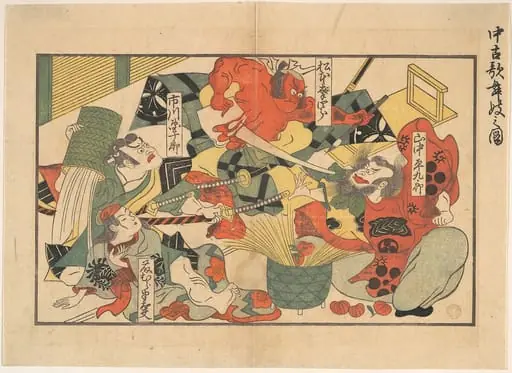 Untitled
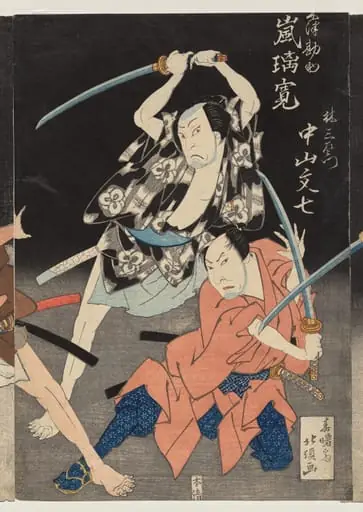 Arashi Rikan II as Kizu Kansuke and Nakayama Bunshichi III as Hayashi Sanzemon from the Kabuki Play "Eight Views of the Kizu River by Boating Song"
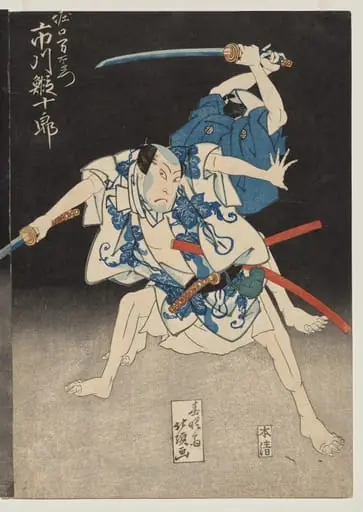 Ichikawa Ebijūrō II as Horiguchi Manzaemon from the Kabuki Play "Eight Views of the Kizu River by Boating Song"
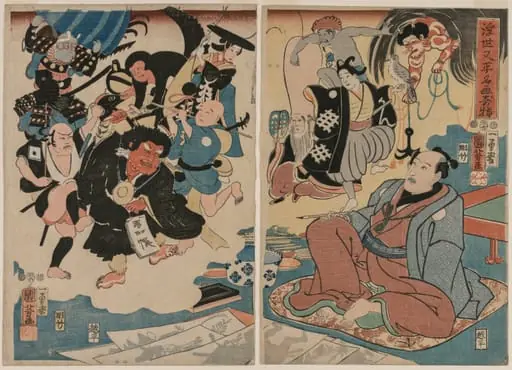 The Strange Occurence of Ukiyo Matahei and his Famous Paintings
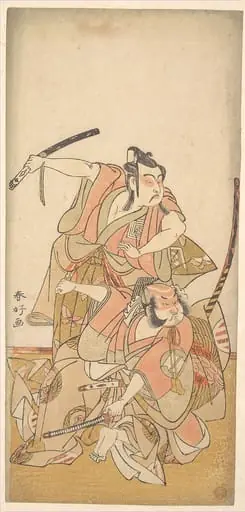 Untitled
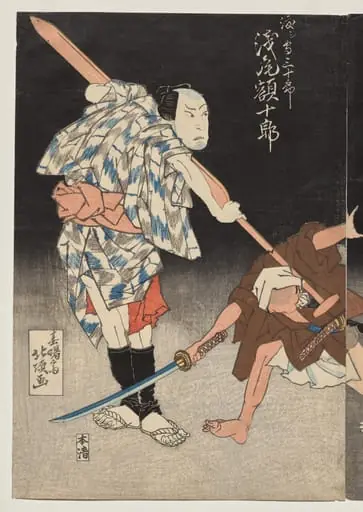 Asao Gakujurō as the Ferryman Sanjūrō from the Kabuki Play "Eight Views of the Kizu River by Boating Song"
 Untitled
 Kataoka Nizaemon VII and Ichikawa Yaozo III in a Confrontation Beside a Waterfall