Artwork
Untitled
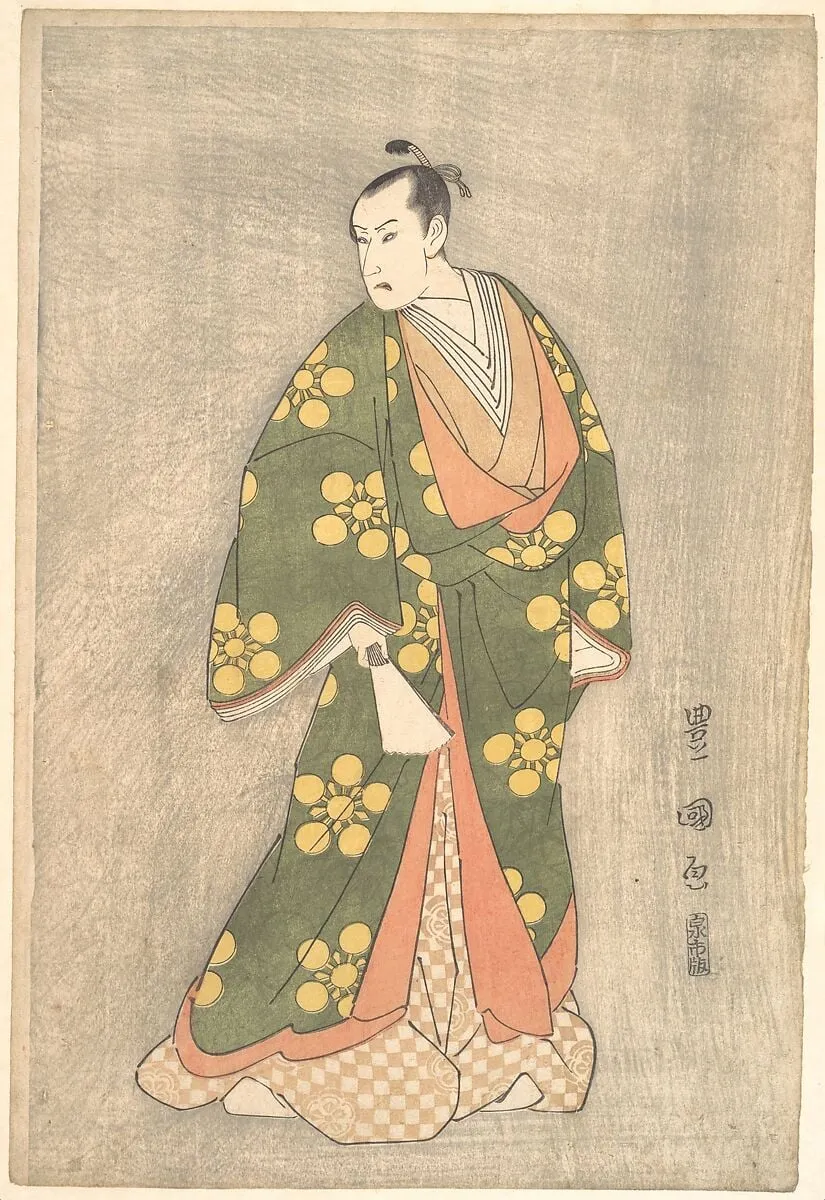
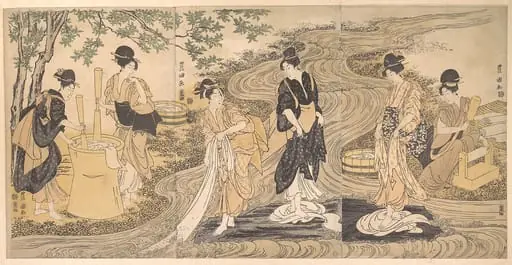
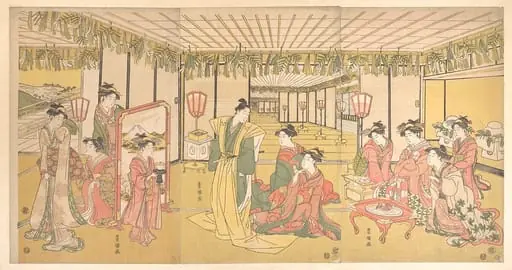
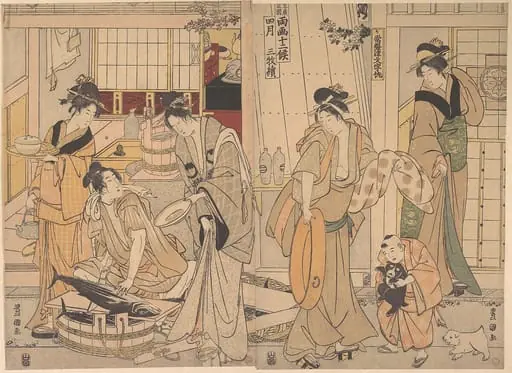
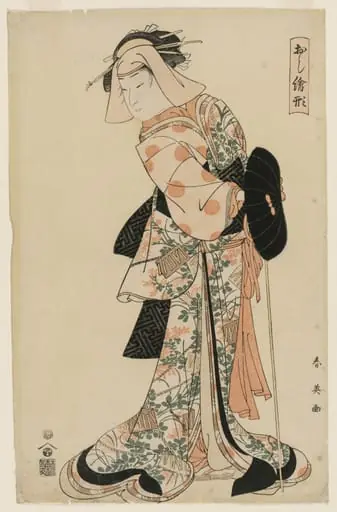
Untitled is an ink print by the Romanticist artist Utagawa Toyokuni I. It dates from 1796 and is held in the collection of the Metropolitan Museum of Art.
About this work
Overview
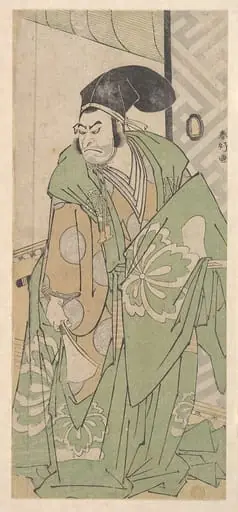
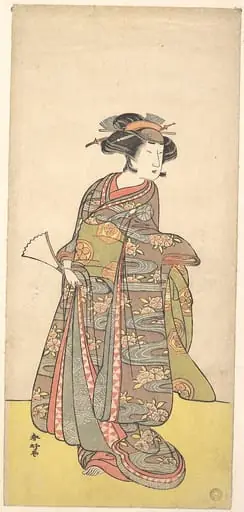
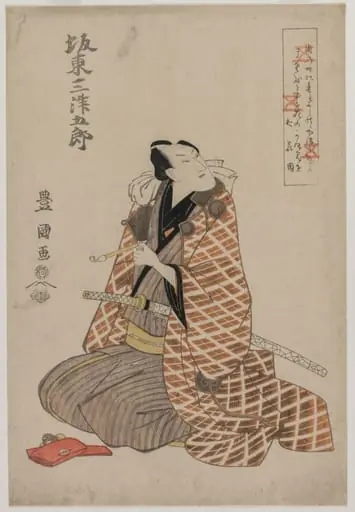
This woodblock print, dated around 1796, is attributed to Utagawa Toyokuni I and belongs to the ukiyo-e tradition of Japanese printmaking. Executed in ink and color on paper, it depicts a single male figure against an unadorned background. The work is part of The Metropolitan Museum of Art’s collection and exemplifies the genre’s focus on theatrical portraiture during the late Edo period.
Subject & Meaning
The white cloth he holds may signify a prop used in a specific scene, reinforcing the print’s function as a visual record of theatrical roles.
The figure is a kabuki actor, identified by his elaborate costume and stylized facial makeup. His expression is composed, suggesting a dramatic moment from a stage performance. The white cloth he holds may signify a prop used in a specific scene, reinforcing the print’s function as a visual record of theatrical roles. These images were often collected by theatergoers as souvenirs or advertisements for upcoming plays.
Technique & Style
The print employs bold outlines and flat areas of vivid color—green, pink, gold, and orange—to emphasize the actor’s ornate robe. Patterns are simplified into large floral motifs, typical of Toyokuni’s graphic approach. The background is left empty to direct attention to the figure, while the stylized rendering of the face and posture reflects kabuki’s exaggerated performance conventions rather than naturalism.
History & Provenance
Created during Toyokuni I’s peak years as a leading designer of actor prints, the work reflects the popularity of kabuki culture in Edo. It was likely produced for commercial distribution, sold in print shops near theaters. The print entered The Metropolitan Museum of Art’s collection through documented acquisitions of Japanese prints in the early 20th century, preserving its historical context within the museum’s broader ukiyo-e holdings.
Context
In late 18th-century Edo, actor portraits were mass-produced and widely consumed, functioning as both promotional material and fan memorabilia. Utagawa Toyokuni I specialized in capturing the distinctive poses and costumes of popular performers, helping to define the visual language of kabuki imagery. These prints connected theater audiences to the spectacle beyond the stage, reinforcing the cultural centrality of performance arts.
Legacy
Toyokuni’s actor prints set standards for later ukiyo-e artists and influenced the depiction of human figures in Japanese printmaking. While no longer used as theater advertisements, these works remain vital historical documents of Edo-period entertainment and social life. Their formal clarity and expressive stylization continue to inform scholarly and aesthetic interpretations of Japanese visual culture.
Artist & collection

Artist
Toyokuni was a born showman who made sure the energy of Edo’s kabuki stage never faded on paper.

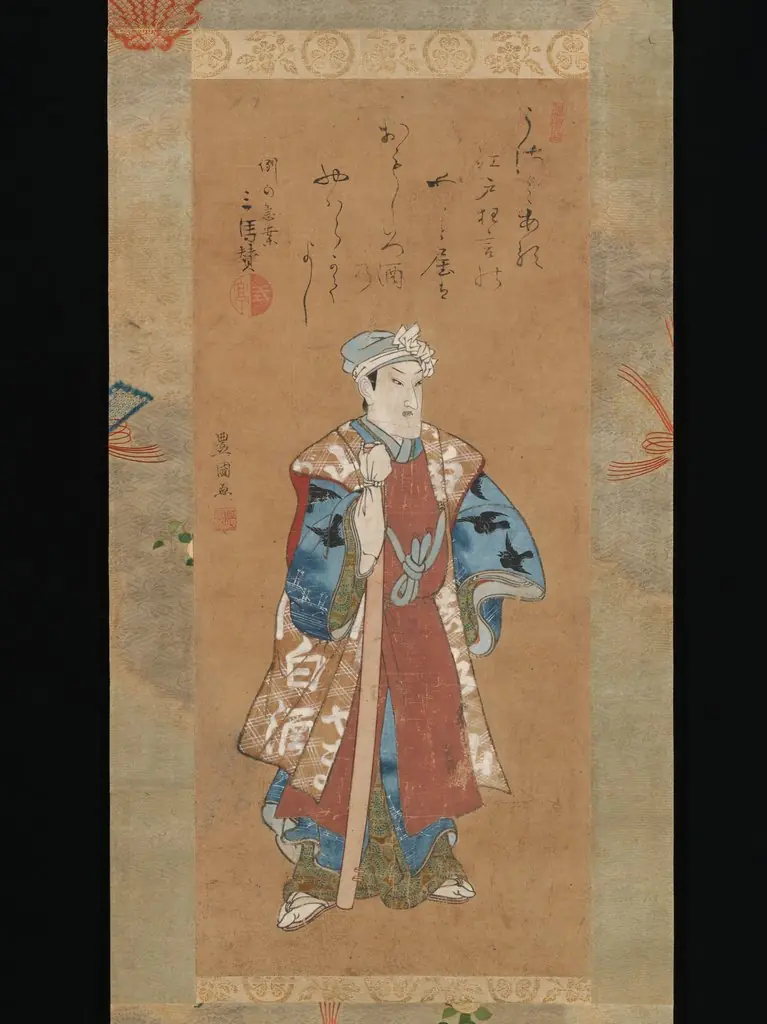 Bandō Mitsugorō II as Shinbei in the Kabuki Play "Sukeroku"
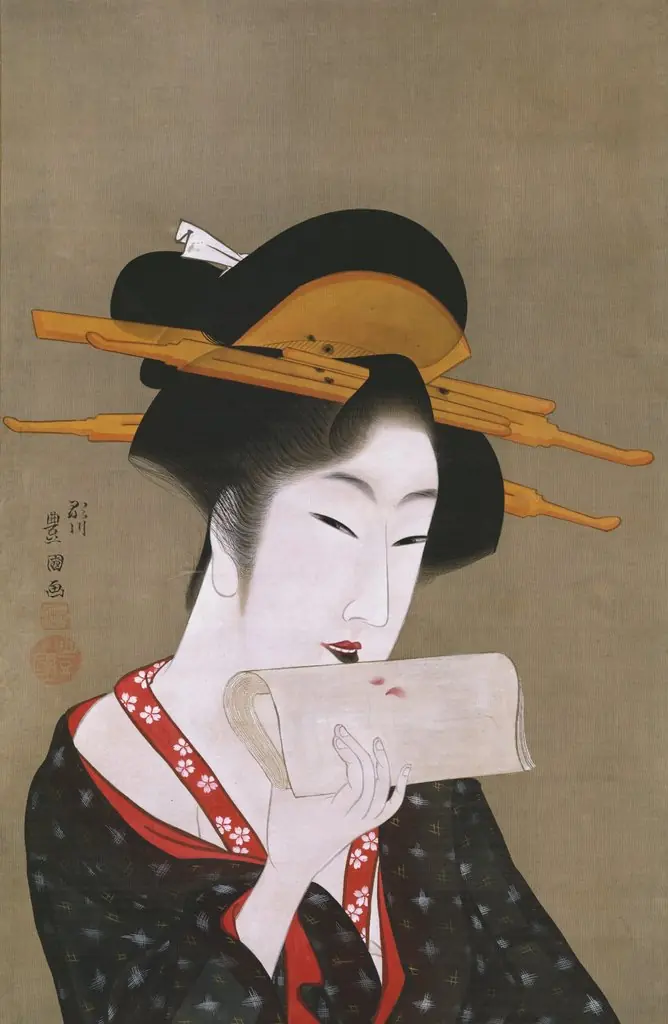 Beauty Blotting Her Lip Rouge
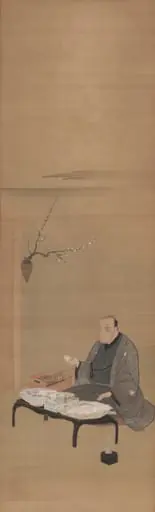 Portrait of Kinokuniya Bunzaemon
 Untitled
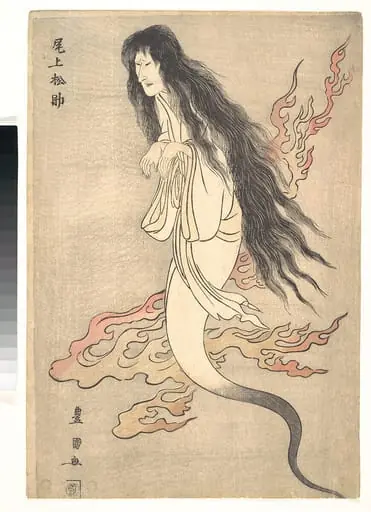 Tokaido Yotsuya Kaidan|Onoe Matsusuke as the Ghost of the Murdered Wife Oiwa, in "A Tale of Horror from the Yotsuya Station on the Tokaido Road"
 Untitled
 Untitled
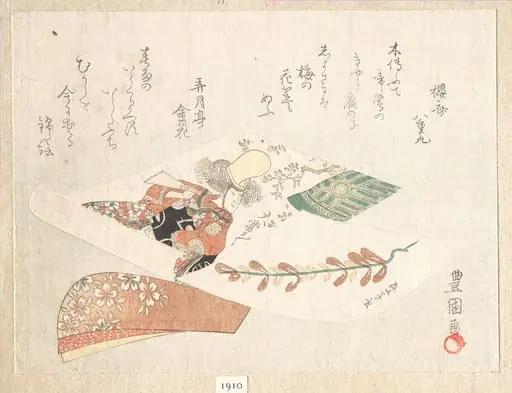 娘道成寺図の錦絵|Print of a Kabuki Dancer from the Maiden of the Dōjōji Temple (Musume Dōjōji)
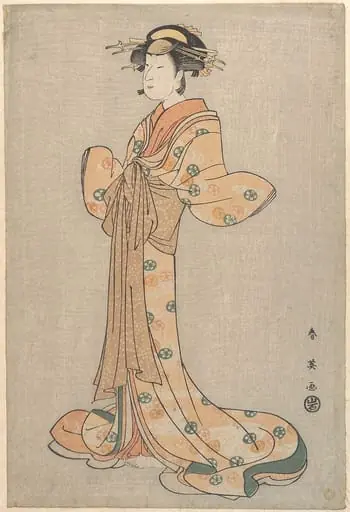 二代目中村二代目中村野塩のお軽|The Actor Nakamura Noshio II as the Courtesan Okaru
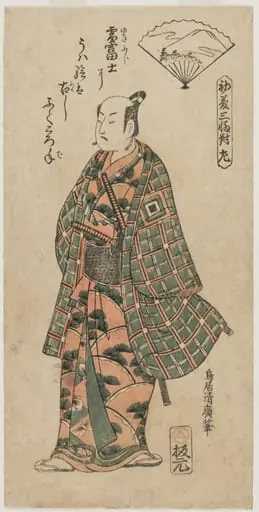 Ichikawa Danjuro II as a Young Samurai
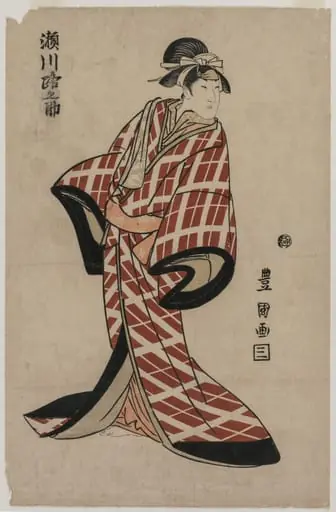 Segawa Michinosuke Wearing a Padded Plaid Robe
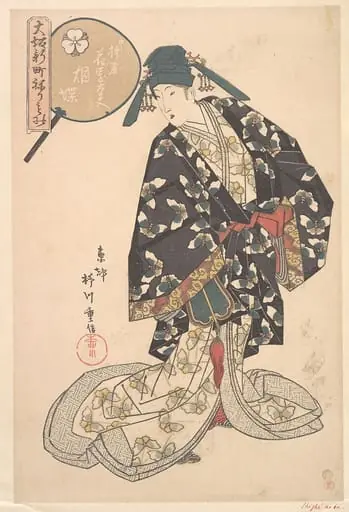 Untitled
 Untitled
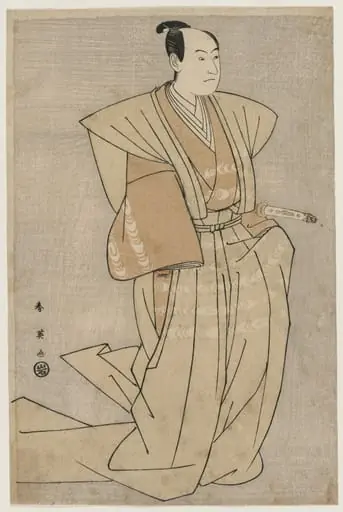 Sawamura Sojuro III as Enya Hangan in Kanadehon Chushingura
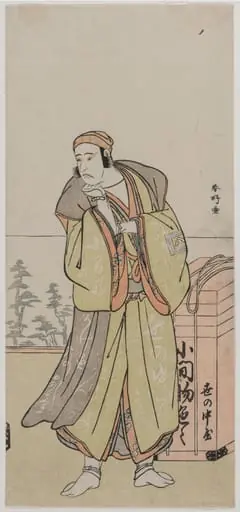 Ichikawa Yaozo II as an Itinerant Peddler
 Untitled
 Untitled
 Bando Mitsugoro IV in a Travelling Robe
 初代嵐音八 (複製?)|The Actor Arashi Otohachi I (facsimile?)
 Dancer as Kuzunoha, Fox Spirit Disguised as a Woman