Artwork
John Carter
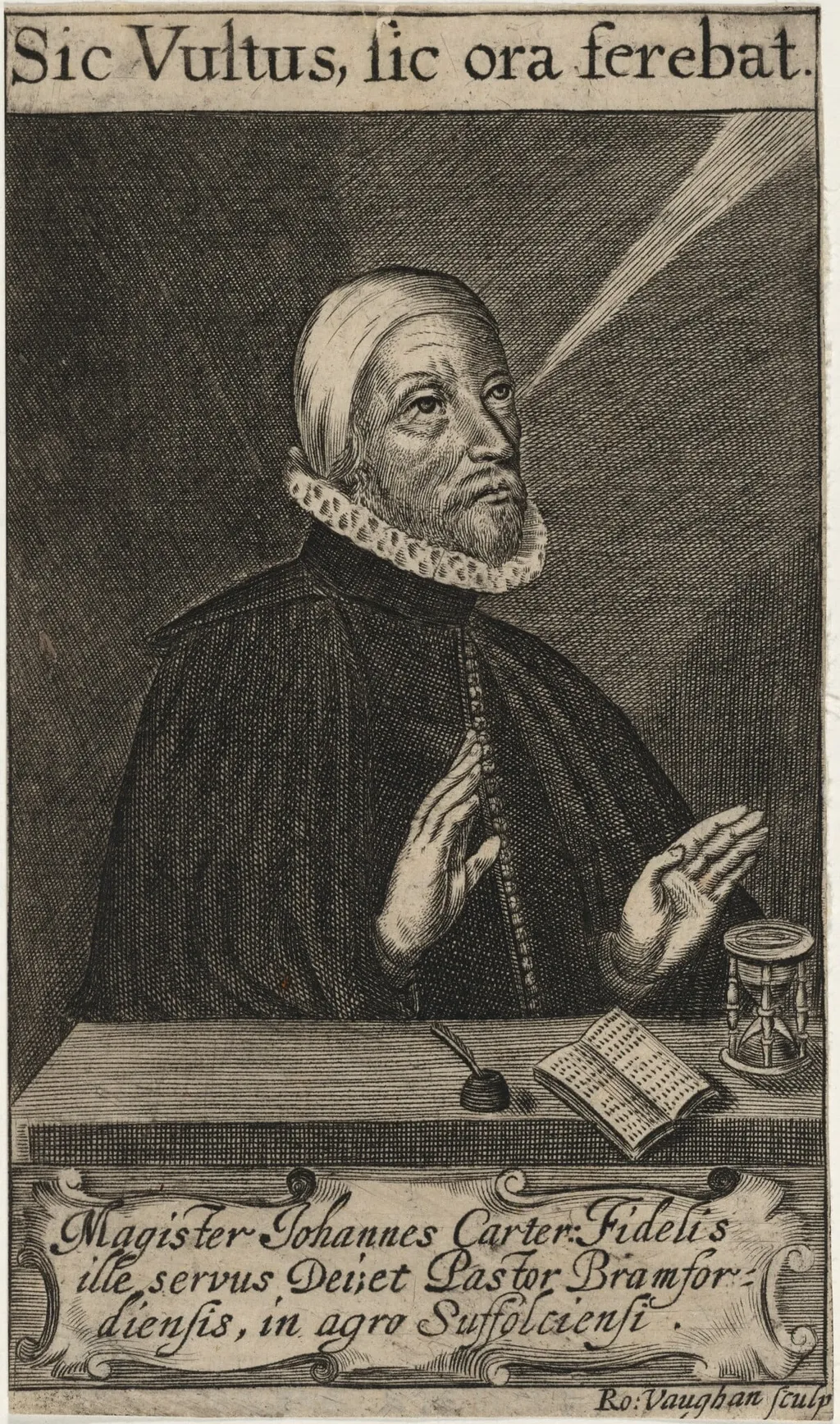
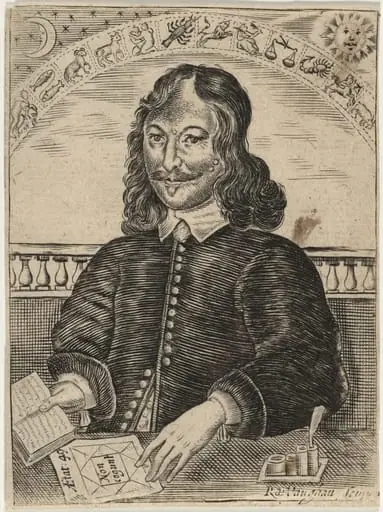
John Carter is an ink print by the Renaissance artist Robert Vaughan. It dates from 1640 and is held in the collection of the National Gallery of Art.
About this work
Overview
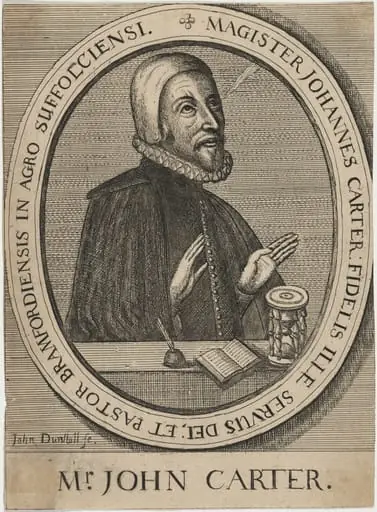
This 1640 engraving by Robert Vaughan depicts John Carter, a clergyman from Suffolk, in a formal portrait. Rendered in monochrome, the image captures him seated at a table, surrounded by objects symbolizing scholarly and spiritual life. The composition is restrained, with a plain background and a decorative border enclosing Latin inscriptions that frame his identity and character.
Subject & Meaning
John Carter, identified as Magister Johannes Carter, is portrayed as a learned minister. The beads suggest devotion, the open book and quill indicate scholarship, and the hourglass evokes the passage of time and mortality. The Latin inscription above links his outward demeanor to the integrity of his speech, reinforcing an ideal of pious, articulate leadership within the Protestant clergy.
Technique & Style
The border’s ornamental framing reflects contemporary print traditions, blending portraiture with devotional iconography common in early 17th-century England.
Vaughan employed fine line engraving to render texture and form with precision. The beard, ruff, and fabric folds are defined through delicate hatching, while the objects on the table are rendered with clarity to emphasize their symbolic weight. The border’s ornamental framing reflects contemporary print traditions, blending portraiture with devotional iconography common in early 17th-century England.
History & Provenance
Created in 1640, the engraving likely served as a commemorative portrait for Carter’s congregation or academic circle. Its survival suggests it was circulated among religious or scholarly networks. No record of its original commission survives, but its inclusion in later collections indicates enduring recognition of Carter’s status within Suffolk’s ecclesiastical community.
Context
In mid-17th century England, engraved portraits of clergy were common tools for affirming religious authority and intellectual identity. With rising literacy and print culture, such images helped solidify the public image of ministers as both spiritual guides and learned men. Carter’s depiction aligns with this trend, reflecting the Puritan emphasis on sobriety, study, and moral discipline.
Legacy
The engraving remains a modest but clear example of English portrait printmaking from the pre-Civil War era. It offers insight into how religious figures were visually constructed during a time of theological upheaval. Though not widely known today, it contributes to the broader understanding of how print media shaped perceptions of clerical authority in early modern England.
Artist & collection

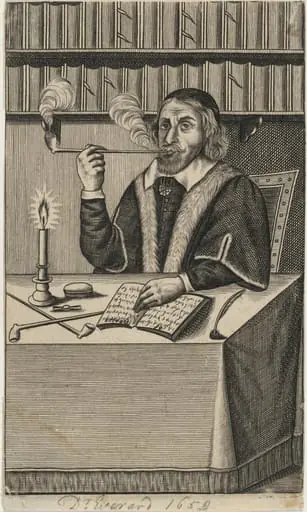 Dr. Giles Everard Seated at a Table Smoking aPipe
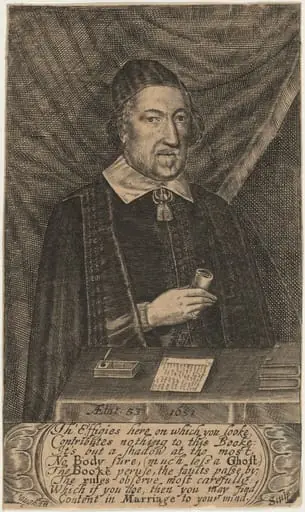 Thomas Hilde, Puritan Divine
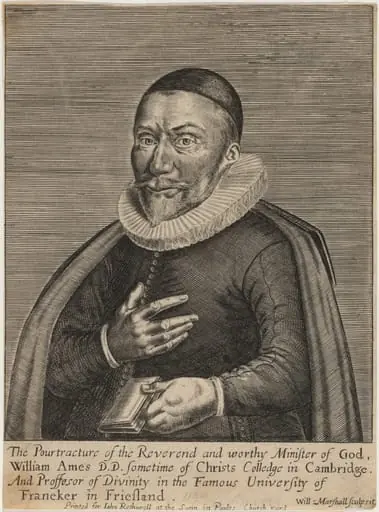 William Ames
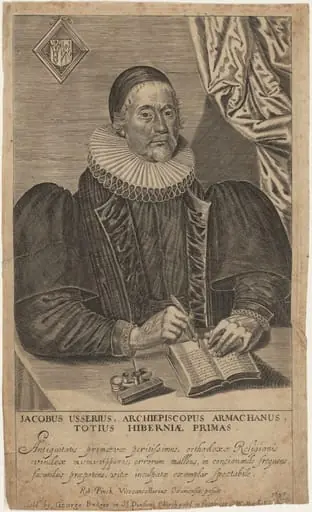 James Ussher, Archbishop of Armagh
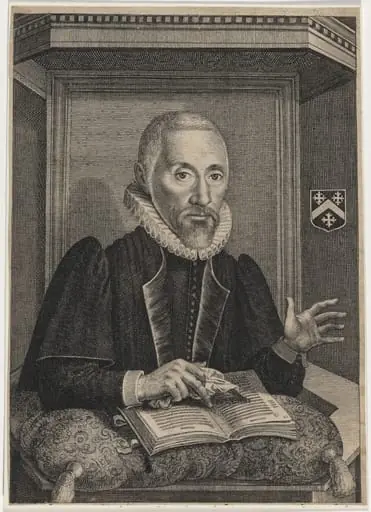 Arthur Hildersham, Minister
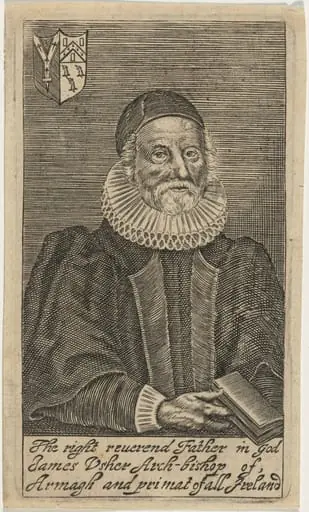 James Ussher, Archbishop of Armagh
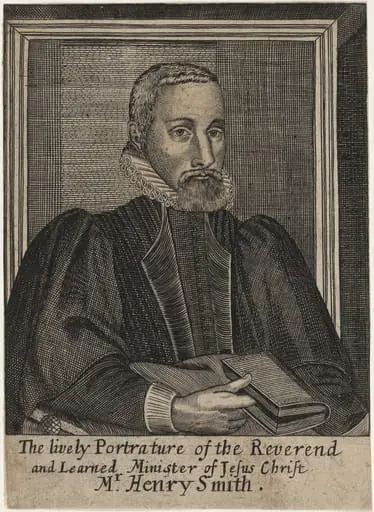 Mr. Henry Smith
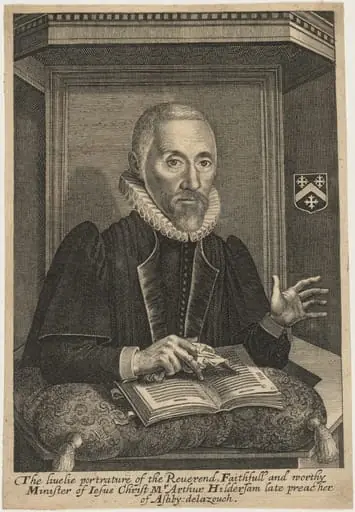 Rev. Arthur Hildersam
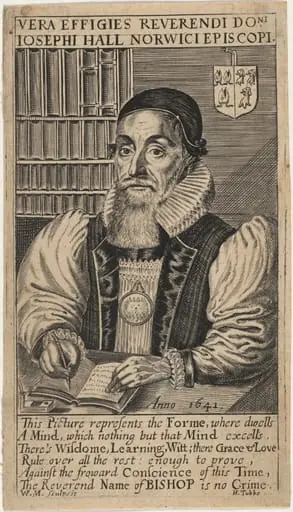 Joseph Hall, Bishop of Norwich
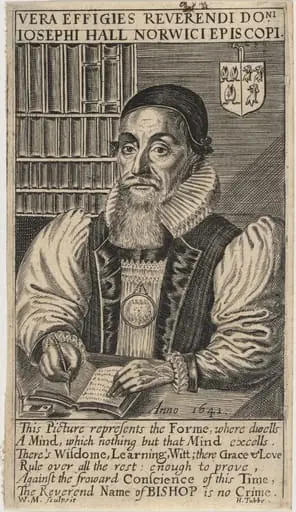 Joseph Hall, Bishop of Norwich
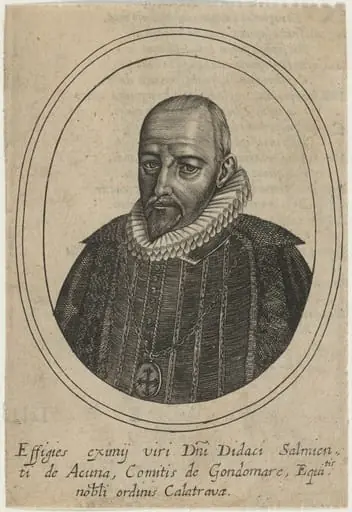 Count Gondamor
 John Carter, Puritan Rector of Belstead, Suffolk