Artwork
Conversion of Saul
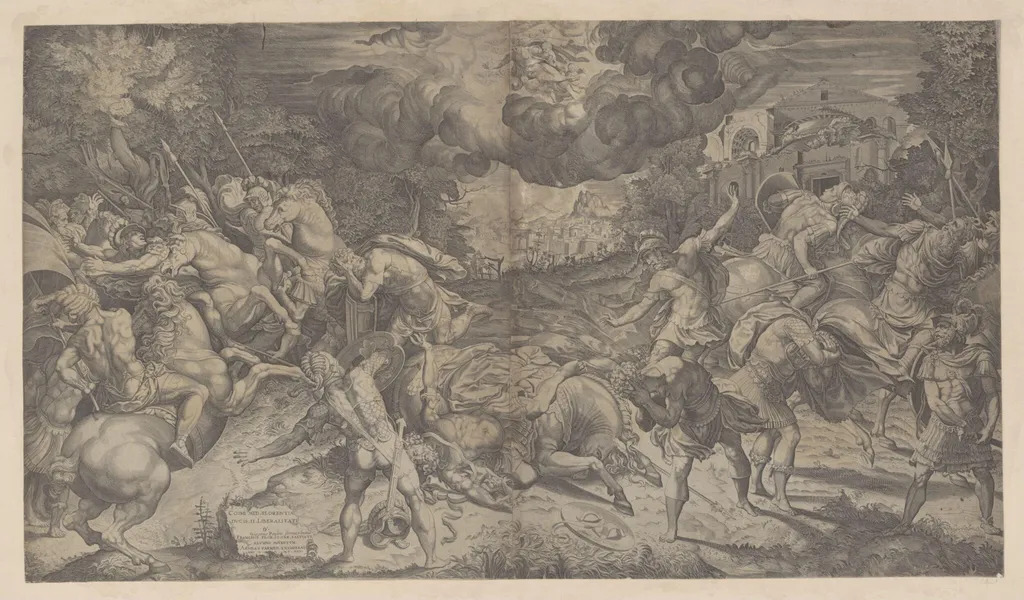
Conversion of Saul is a print by the Renaissance artist Enea Vico. It dates from 1540 and is held in the collection of the Victoria and Albert Museum.
About this work
Overview
The print *Conversion of Saul* by Enea Vico is composed of two joined sheets, reproducing a composition originally designed by Francesco Foro. Executed in engraving, it illustrates the moment Saul’s transformation begins amid violent conflict. The work is not a standalone invention but a reinterpretation of an earlier design, adapted through Vico’s technical precision and dramatic sensibility.
Subject & Meaning
The scene depicts the biblical moment when Saul, later Paul, is struck down on the road to Damascus. Rather than focusing on divine revelation alone, the print emphasizes the chaos surrounding the event: warriors clash, horses rear, and the city burns in the distance. The turmoil reflects the inner upheaval of conversion, using physical violence as a metaphor for spiritual rupture.
Technique & Style
Vico employed fine-line engraving to render dense, dynamic compositions with sharp contrasts. Deep shadows and stark highlights define muscular forms and swirling drapery, enhancing the sense of motion. The crowded battlefield is meticulously detailed, with each figure rendered in tension, demonstrating mastery of chiaroscuro to guide the viewer’s eye through the narrative’s intensity.
History & Provenance
Created in the mid-16th century, the print was part of a broader trend of reproductive engravings that disseminated Italian Mannerist compositions across Europe. Vico, working in Rome, adapted Foro’s designs for wider audiences. Though the original drawings are lost, surviving impressions suggest the print circulated among collectors and artists seeking models of dramatic composition.
Context
During the Counter-Reformation, religious imagery was used to evoke emotional and spiritual responses. This print’s violent, theatrical style aligns with contemporary Catholic efforts to dramatize sacred moments. The emphasis on physical struggle and divine intervention mirrored theological debates about grace and human agency, making such images both devotional and politically charged.
Legacy
Though less celebrated than his contemporaries, his work influenced later engravers through its compositional complexity and emotional intensity.
Vico’s engraving contributed to the transmission of Mannerist aesthetics beyond painting into print culture. Though less celebrated than his contemporaries, his work influenced later engravers through its compositional complexity and emotional intensity. Surviving impressions remain valuable for understanding how religious narratives were visually adapted for print audiences in Renaissance Europe.
Artist & collection

Artist
Enea Vico (29 January 1523 – 18 August 1567) was an Italian engraver. Vico was born in Parma. He specialized in grotesque engravings based on antique paintings. Vico made engravings for Cosimo I de' Medici, Grand Duke…

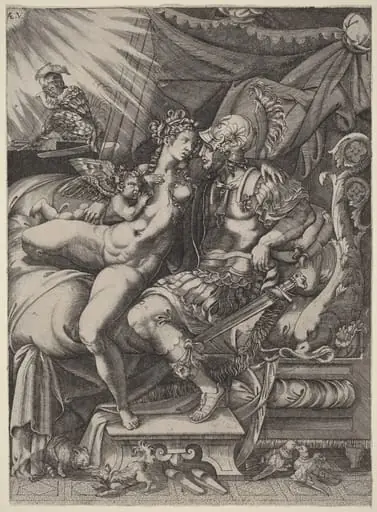 The Loves of Mars and Venus
![Fragments from Ancient Cameos in the Grimani Collection [Plate I], by Enea Vico](https://artifactworldgallery.com/img/enea-vico--fragments-from-ancient-cameos-in-the-grimani-collection-plat--1f564c058ab46ade-w320.webp) Fragments from Ancient Cameos in the Grimani Collection [Plate I]
Fragments from Ancient Cameos in the Grimani Collection [Plate I]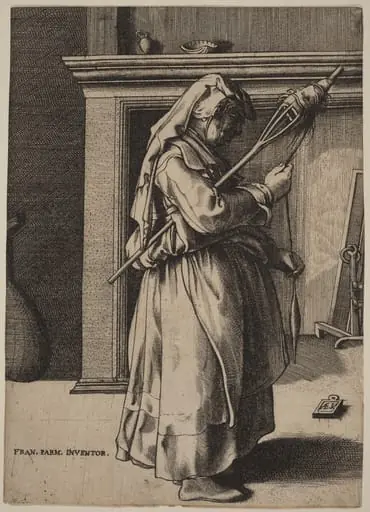 Old Woman with a Distaff
![Fragments from Ancient Cameos in the Grimani Collection [Plate II], by Enea Vico](https://artifactworldgallery.com/img/enea-vico--fragments-from-ancient-cameos-in-the-grimani-collection-plat--6333de7ba7491db7-w320.webp) Fragments from Ancient Cameos in the Grimani Collection [Plate II]
Fragments from Ancient Cameos in the Grimani Collection [Plate II]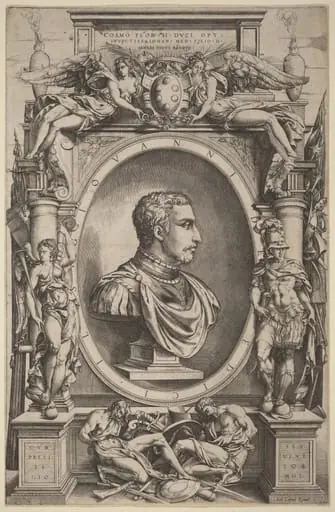 Giovanni de' Medici
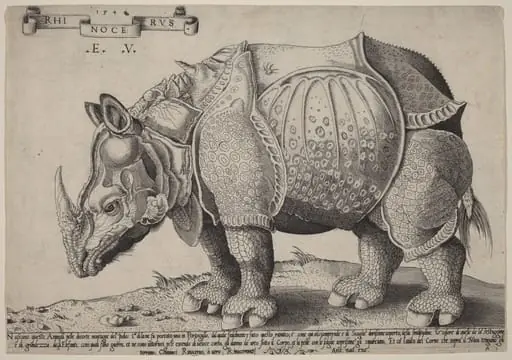 Rhinoceros
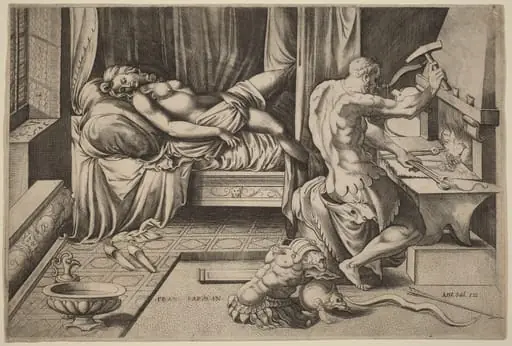 Venus Reclining with Vulcan at His Forge
![Fragments from Ancient Cameos in the Grimani Collection [Plate III], by Enea Vico](https://artifactworldgallery.com/img/enea-vico--fragments-from-ancient-cameos-in-the-grimani-collection-plat--bf2c0f15852500f8-w320.webp) Fragments from Ancient Cameos in the Grimani Collection [Plate III]
Fragments from Ancient Cameos in the Grimani Collection [Plate III]
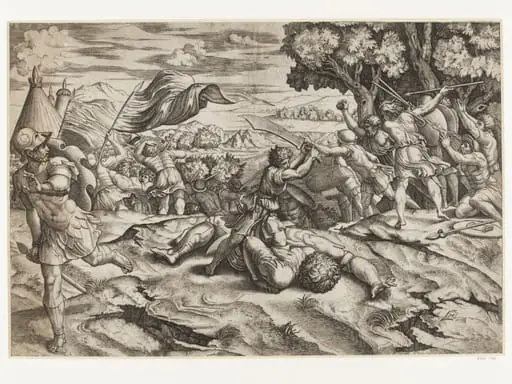 David cutting off the head of Goliath
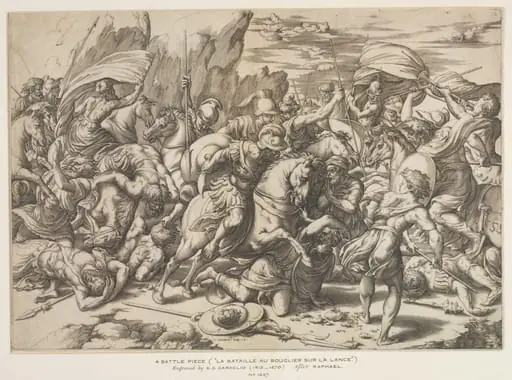 La bataille au bouclier sur la lance
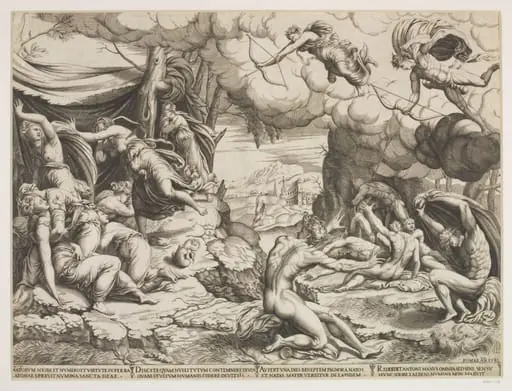 The Daughters of Niobe
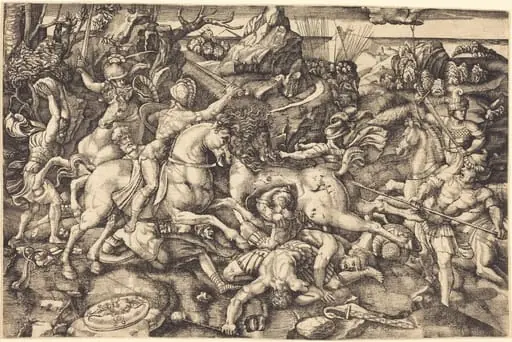 Combat between Horsemen and Foot Soldiers
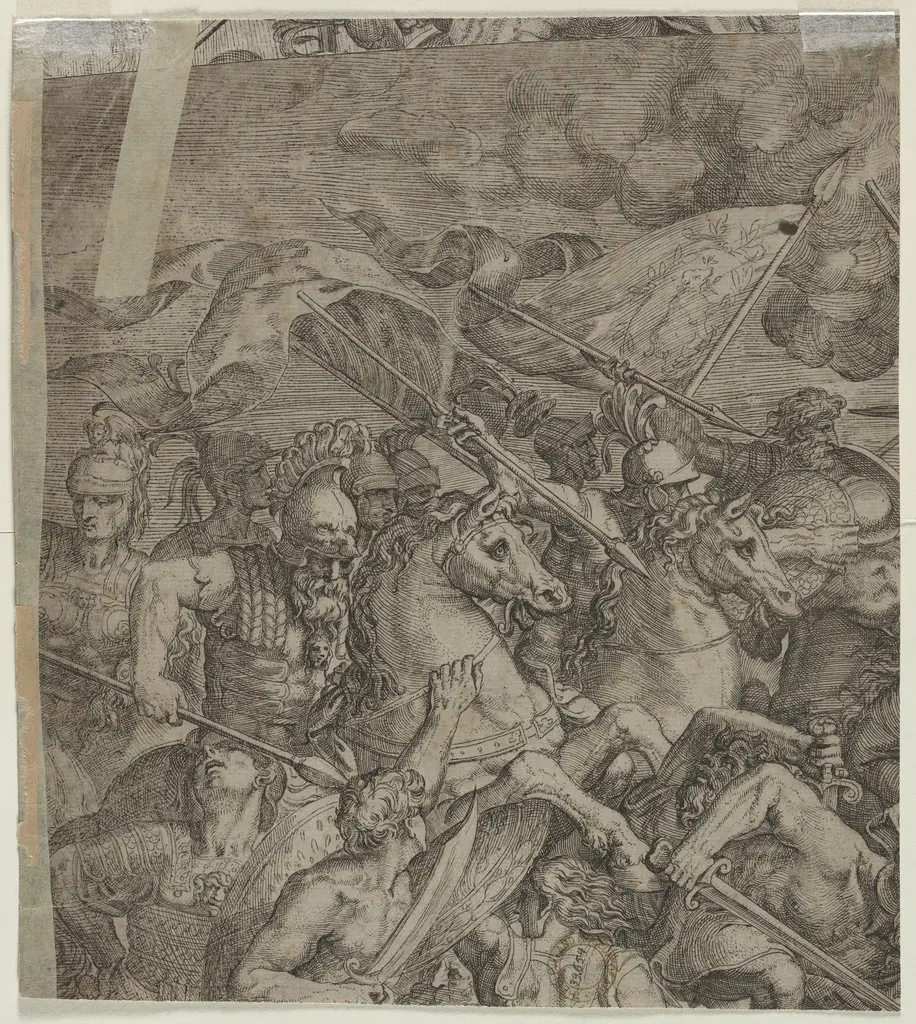 Battle of the Milvian Bridge between the Roman Emperors Constantine I and Maxentius
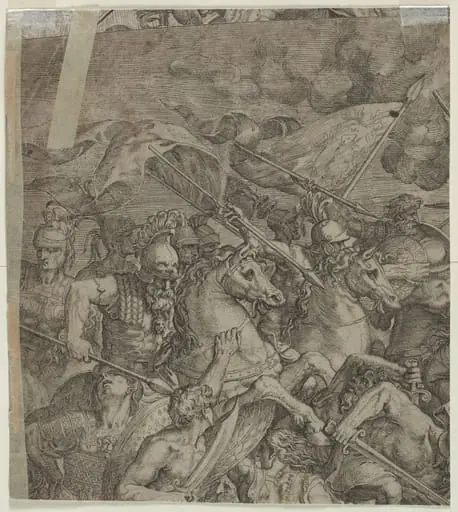 Battle of the Milvian Bridge (fragment) (verso)
 The Death of Meleager
 Huntsman Presenting a Gift to a King
 The Hebrews defeat the Canaans
 La bataille au coutelas