Artwork
Dózsa's People
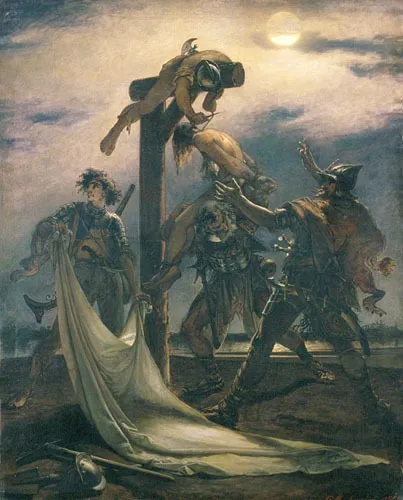
Dózsa's People is an oil painting by the Biedermeier artist Viktor Madarász. It dates from 1868 and is held in the collection of the Hungarian National Gallery.
About this work
Overview
Dózsa's People is an 1868 oil painting by Hungarian Romanticist Viktor Madarász, capturing a dramatic historical scene with vivid emotional depth.
Subject & Meaning
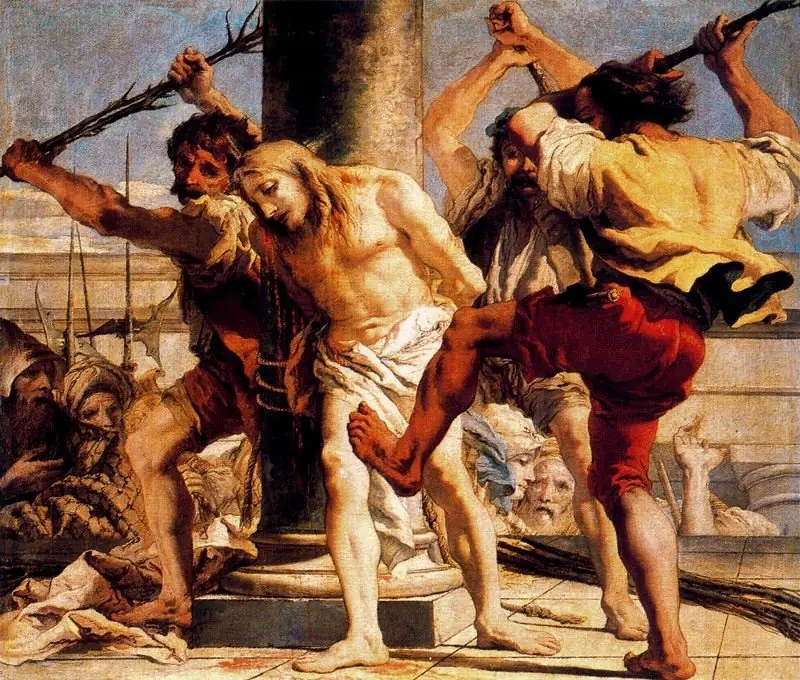
Contrary to its title, the painting actually depicts the crucifixion of Jesus, not György Dózsa’s peasant revolt. Figures in the foreground convey distress and mourning, set against a dynamic, emotionally charged sky.
Technique & Style
Madarász employed chiaroscuro to create strong light-dark contrasts, enhancing the scene’s drama. Bold, expressive brushstrokes impart a sense of energy and movement, characteristic of the Biedermeier movement’s detailed realism.
History & Provenance
Created in 1868, the painting is part of the Hungarian National Gallery’s collection, attributed to Madarász’s historical scene repertoire within the Biedermeier style.
Context
While titled after a Hungarian historical figure, the subject matter aligns with broader European Romantic-era interests in religious and emotionally intense themes.
Legacy
The painting’s impact lies in its vivid depiction of a Christian pivotal moment, though its misleading title may obscure its direct connection to Hungarian history themes in Madarász’s oeuvre.
Artist & collection
Artist
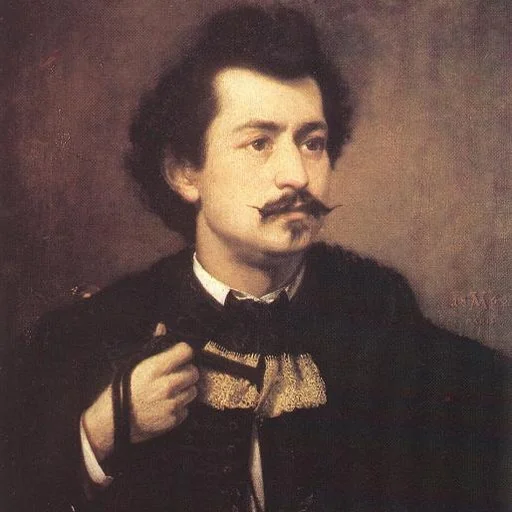
Viktor Madarász (14 December 1830 – 10 January 1917) was a Hungarian painter in the Romantic style. He is best known for his historical scenes and portraits.

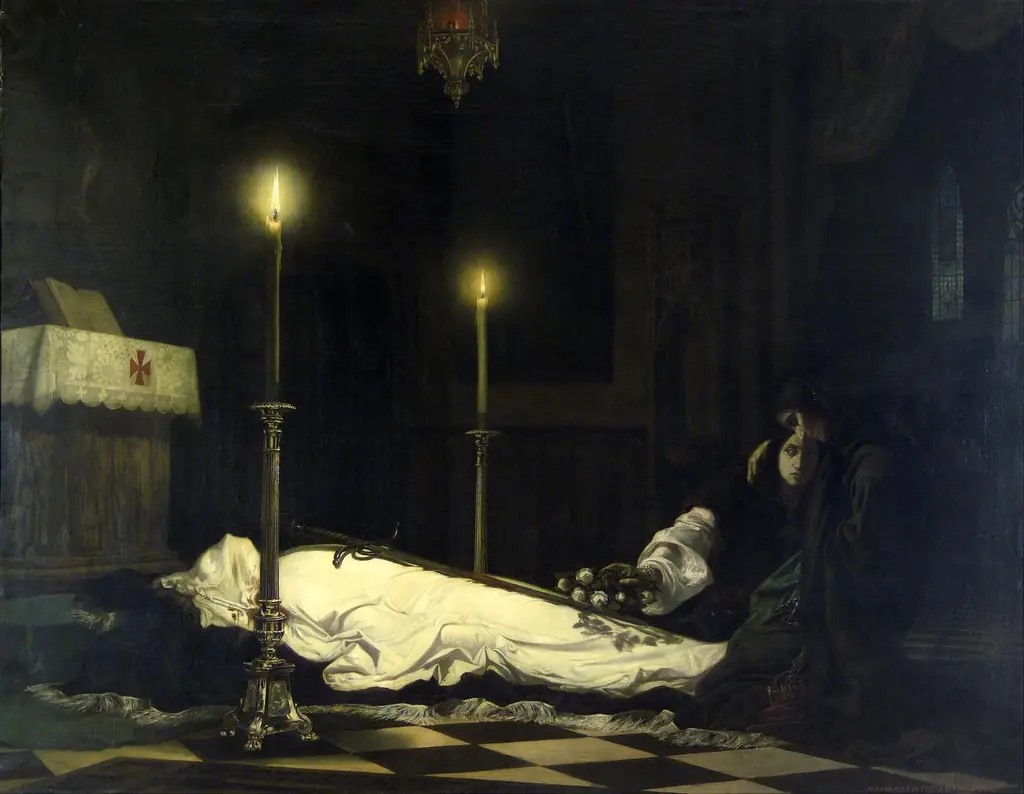
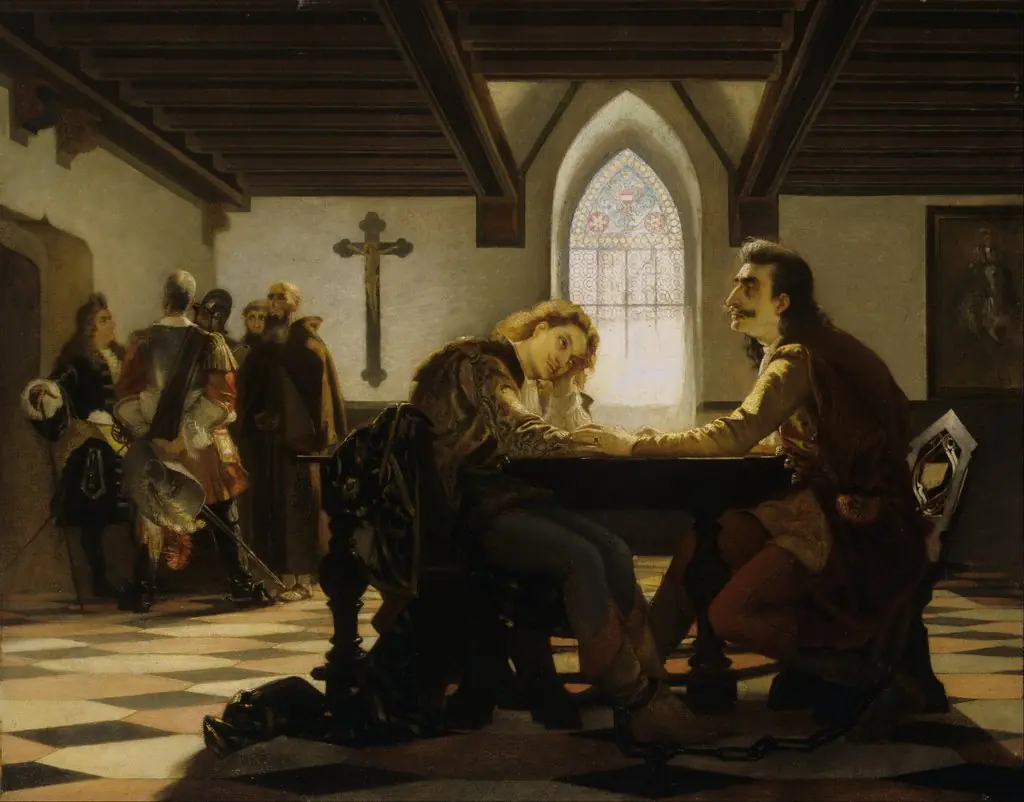
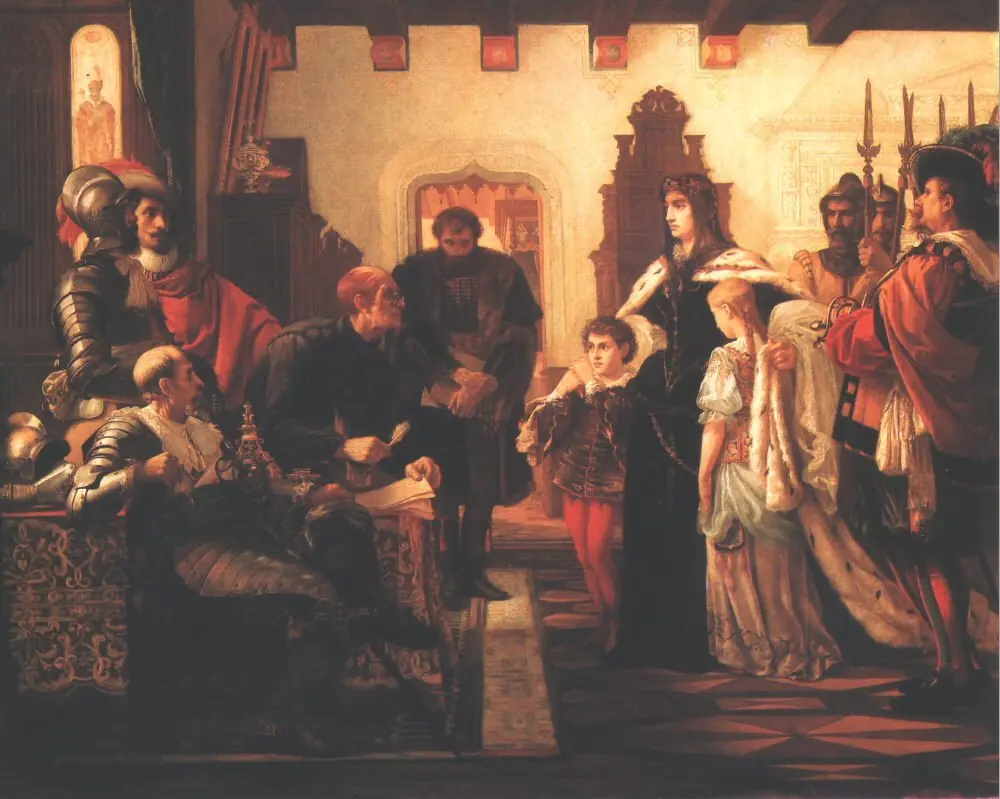
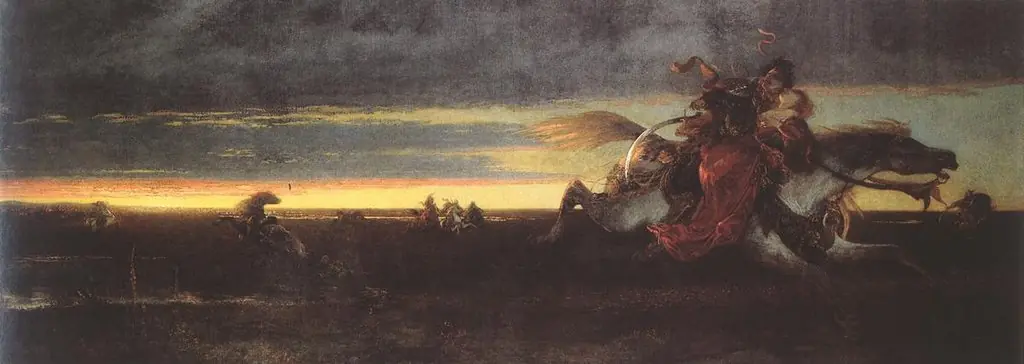
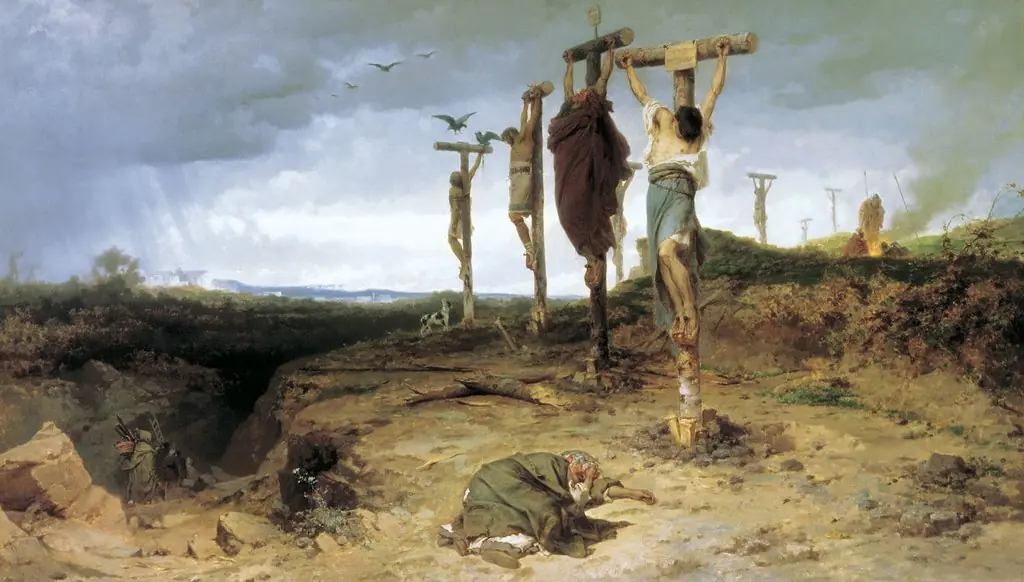 The damned box. Place of execution in ancient Rome. The crucified slaves. the year 1878.
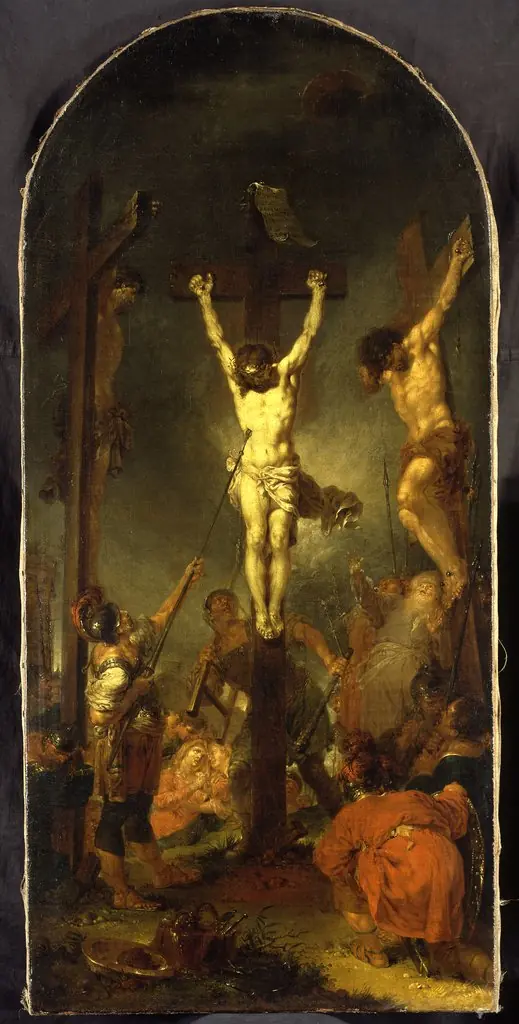 The Crucifixion of Christ
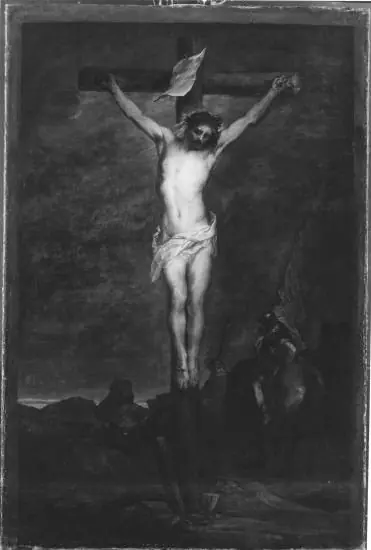 Christ on the Cross
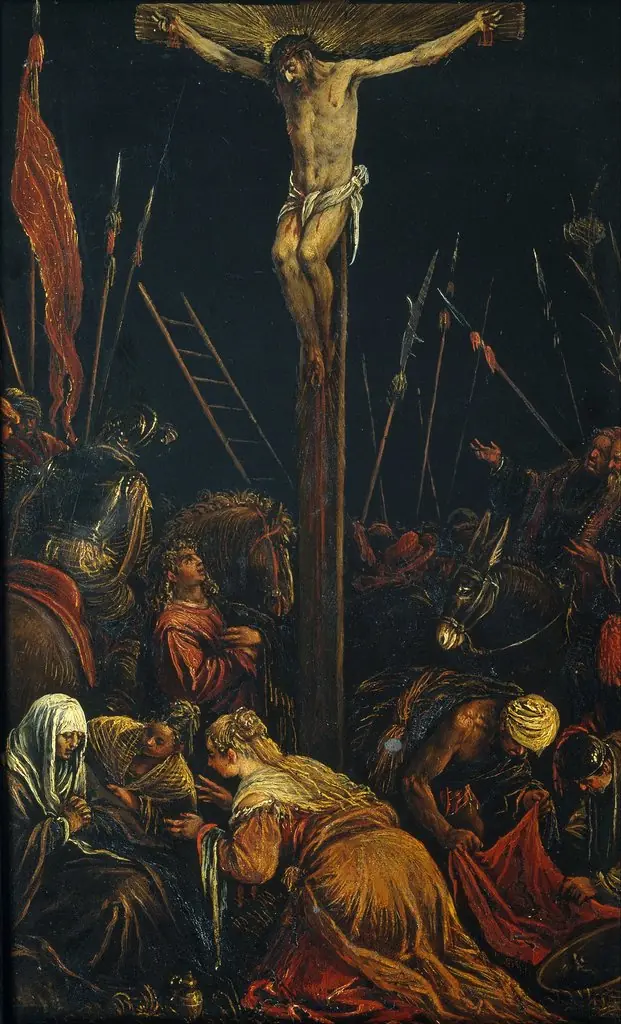 Calvary
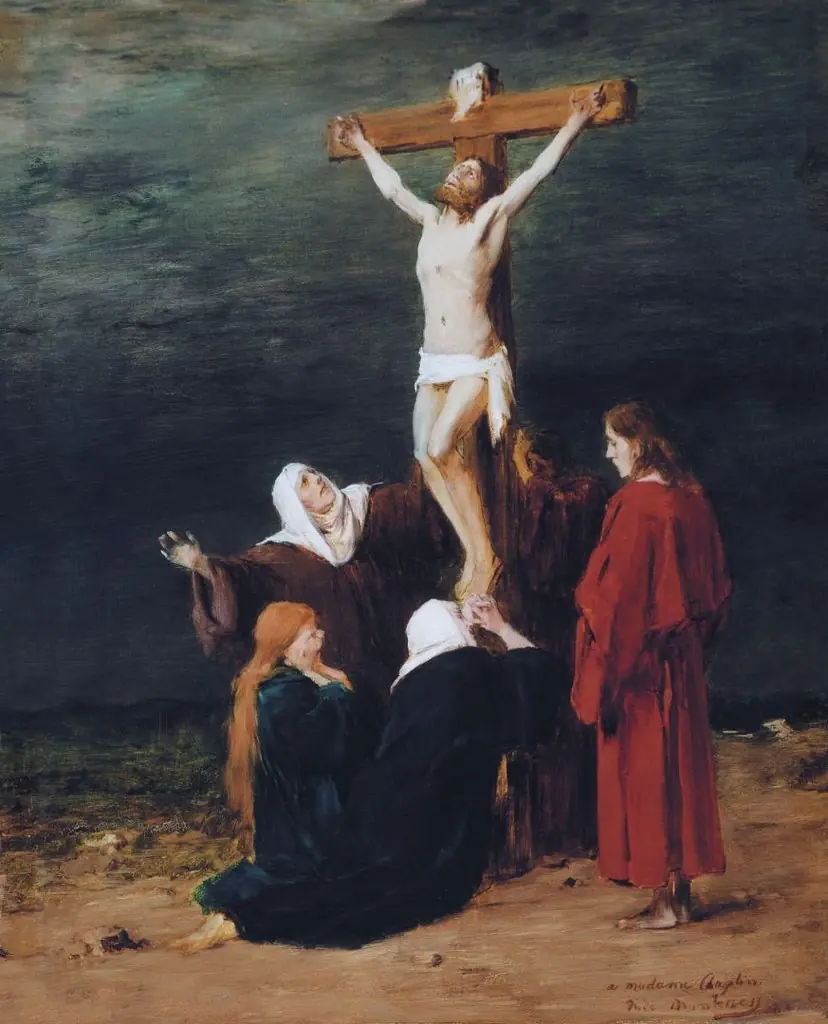 Christ on the Cross (Study painting)
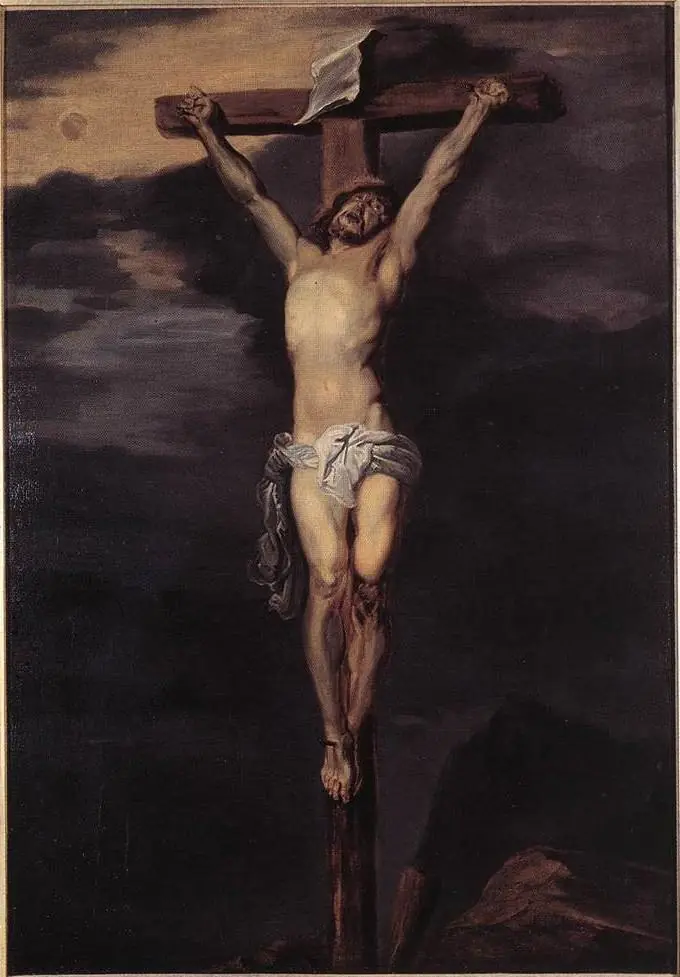 Christ on the Cross
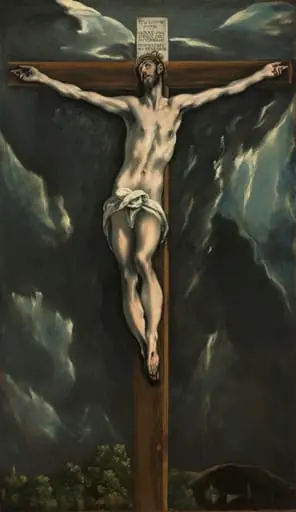 Christ on the Cross
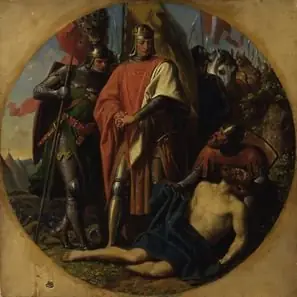 Rudolf I of Habsburg at the corpse of Ottokar near Dürnkrut in 1278
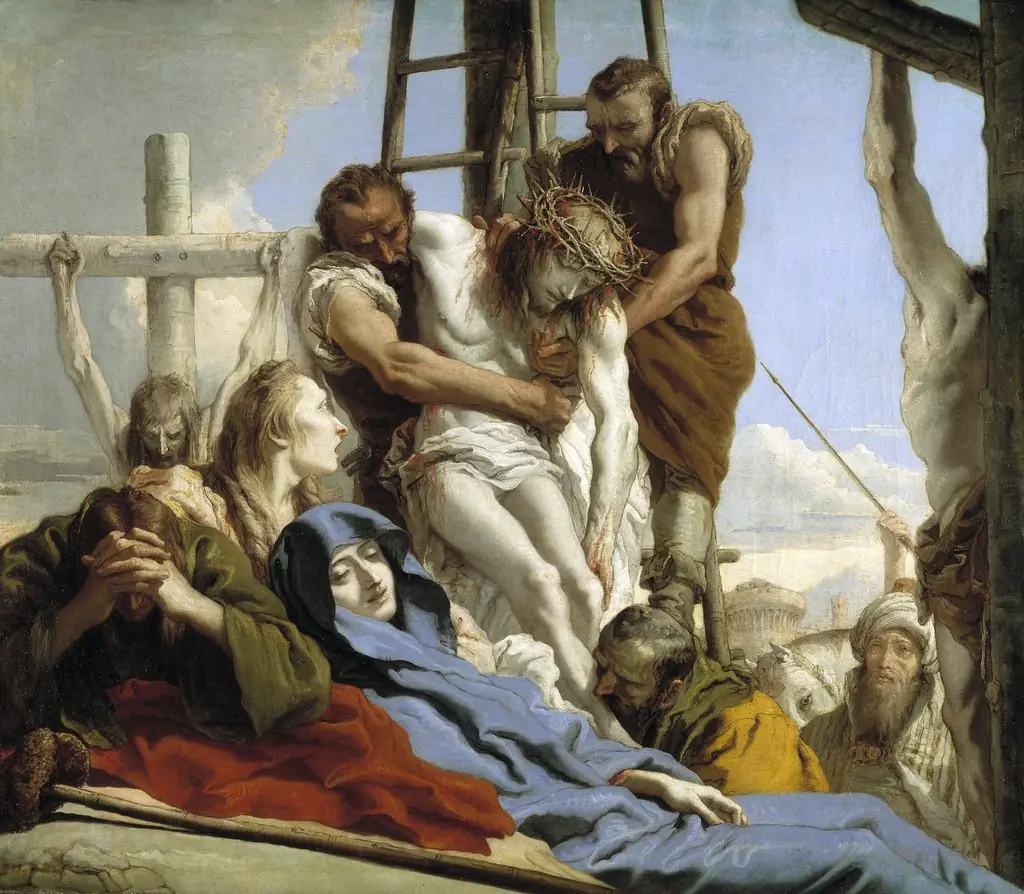 The Descent from the Cross
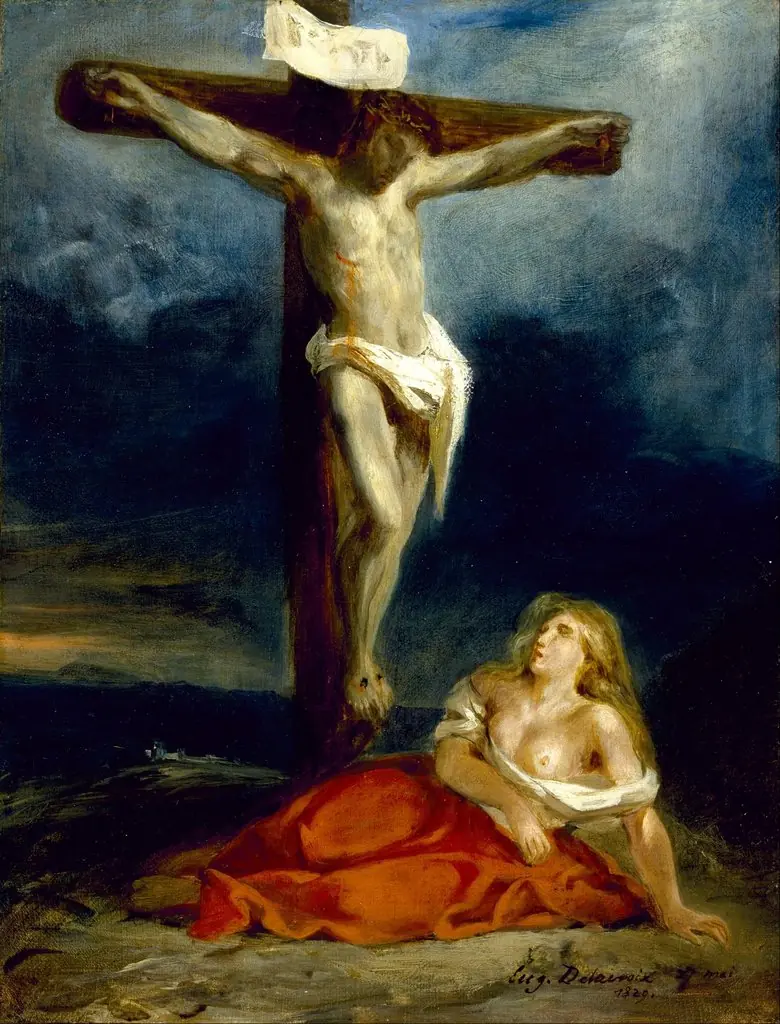 Saint Mary Magdalene at the Foot of the Cross
 Cristo a la Columna