Artwork
Portrait of Yekaterina P. Shuvalova
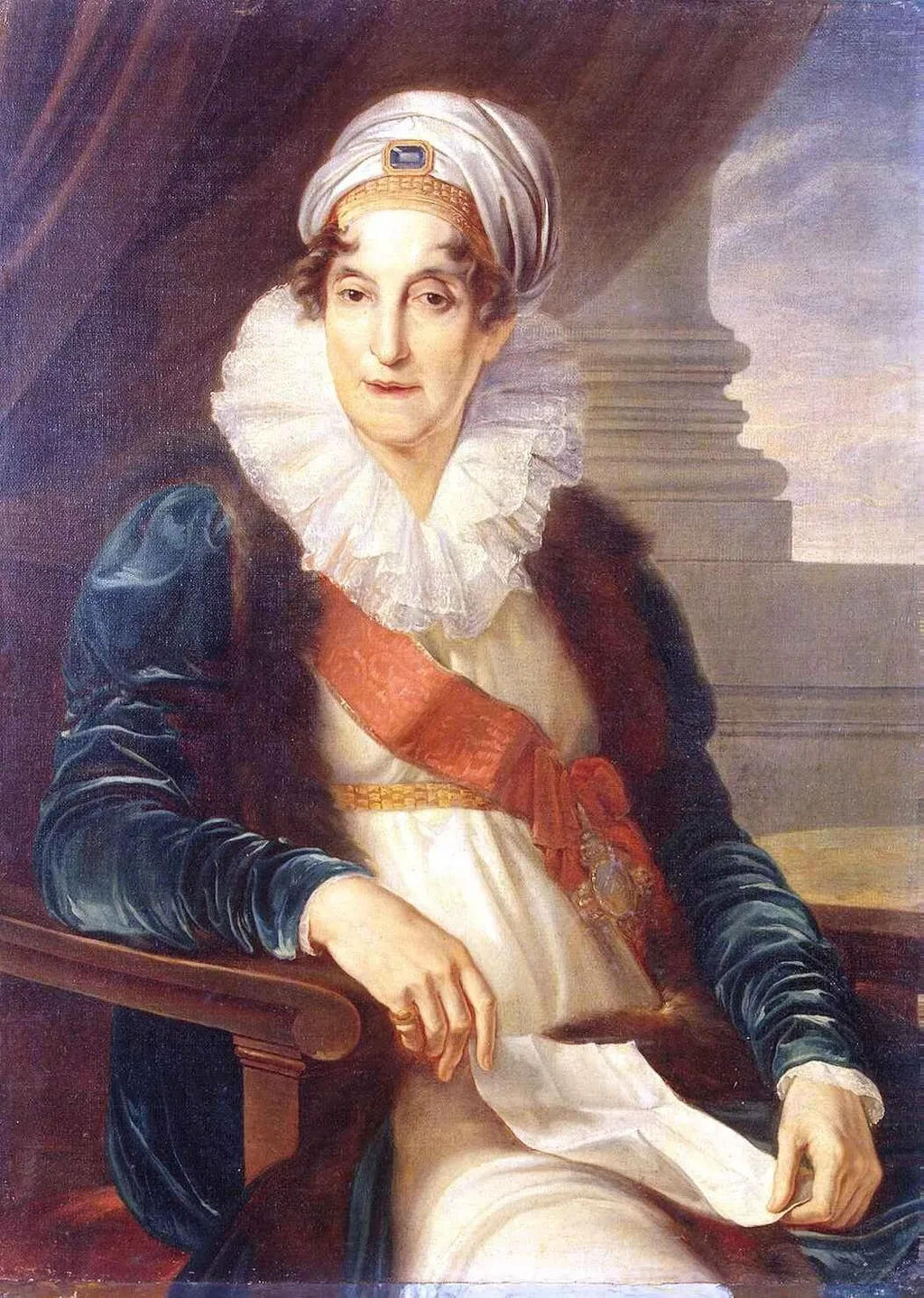
Portrait of Yekaterina P. Shuvalova is an oil painting by the Neoclassicist artist Vincenzo Camuccini. It dates from 1805 and is held in the collection of the Hermitage Museum.
About this work
Overview
Vincenzo Camuccini’s 1805 oil portrait presents Yekaterina P. Shuvalova, a Russian noblewoman, seated against a dark backdrop. The composition follows the Neoclassical aesthetic, balancing restraint with a dignified presence. The work is part of the State Hermitage Museum’s collection, exemplifying the artist’s reputation for precise, historically informed portraiture.
Subject & Meaning
Shuvalova is shown in a white dress beneath a blue jacket, her head wrapped in a white cloth trimmed with a gold band and a blue gemstone. A red sash with a gold buckle crosses her chest, while she holds a sheet of paper in her left hand, suggesting literacy or a personal document. The restrained pose and attire convey both aristocratic status and the era’s ideals of modest virtue.
Technique & Style
Camuccini employs chiaroscuro to model the figure, letting light fall on the face and garments while the background recedes into shadow, creating a three‑dimensional effect. The brushwork is smooth and controlled, characteristic of Neoclassical precision, and the composition adheres to classical balance, with the sitter’s hands and accessories arranged to guide the viewer’s eye toward her expression.
History & Provenance
Painted in Rome during Camuccini’s mature period, the portrait entered the Russian imperial collection in the early 19th century and later became part of the State Hermitage Museum’s holdings. Its acquisition reflects the period’s cultural exchange between Italy and Russia, where Russian aristocracy often commissioned works from leading Italian artists to affirm their status and taste.
Artist & collection
Artist
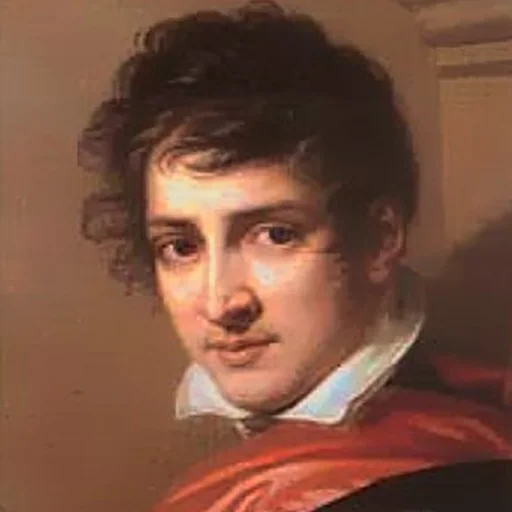
Vincenzo Camuccini (22 February 1771 – 2 September 1844) was an Italian Neoclassical painter. He was considered the premier academic painter of his time in Rome. Camuccini was known for his sober grandeur and archeological accuracy.

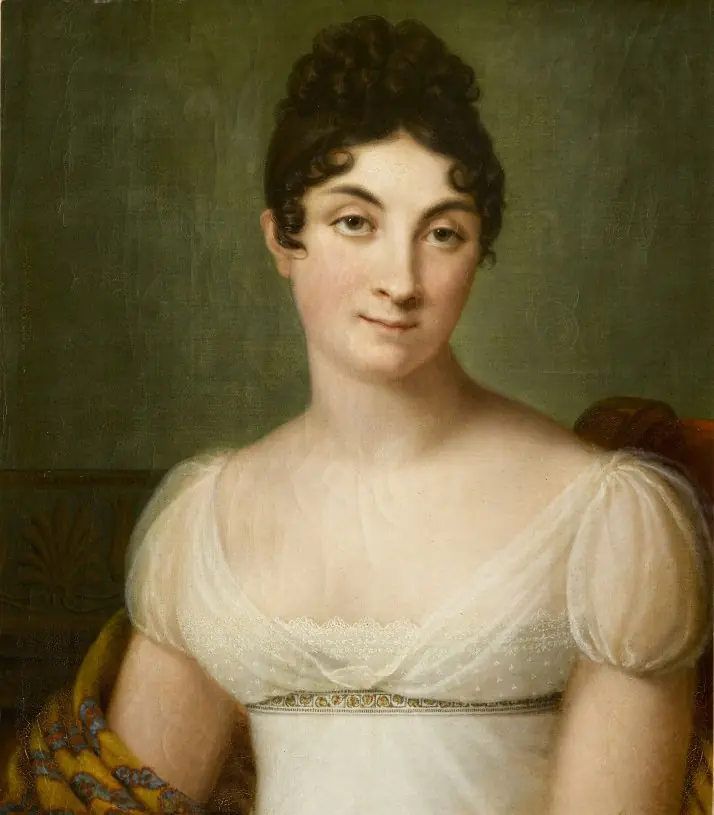 Portrait de Claire Élisabeth de Vergennes, Comtesse de Rémusat
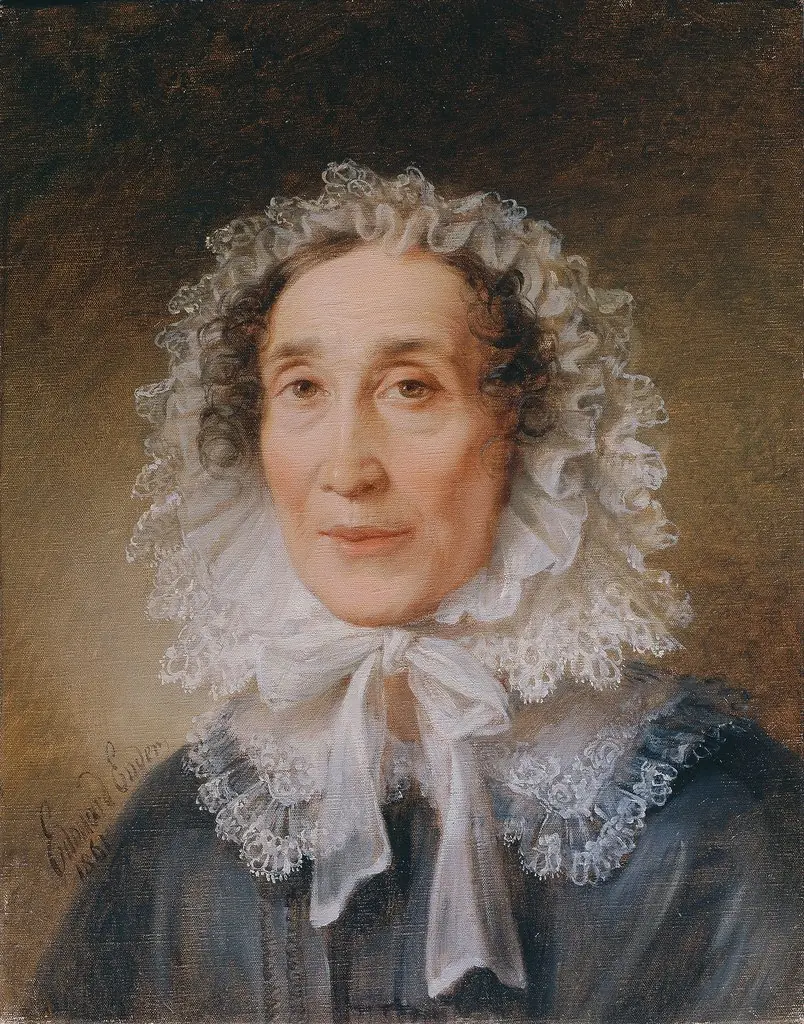 Anna Denk
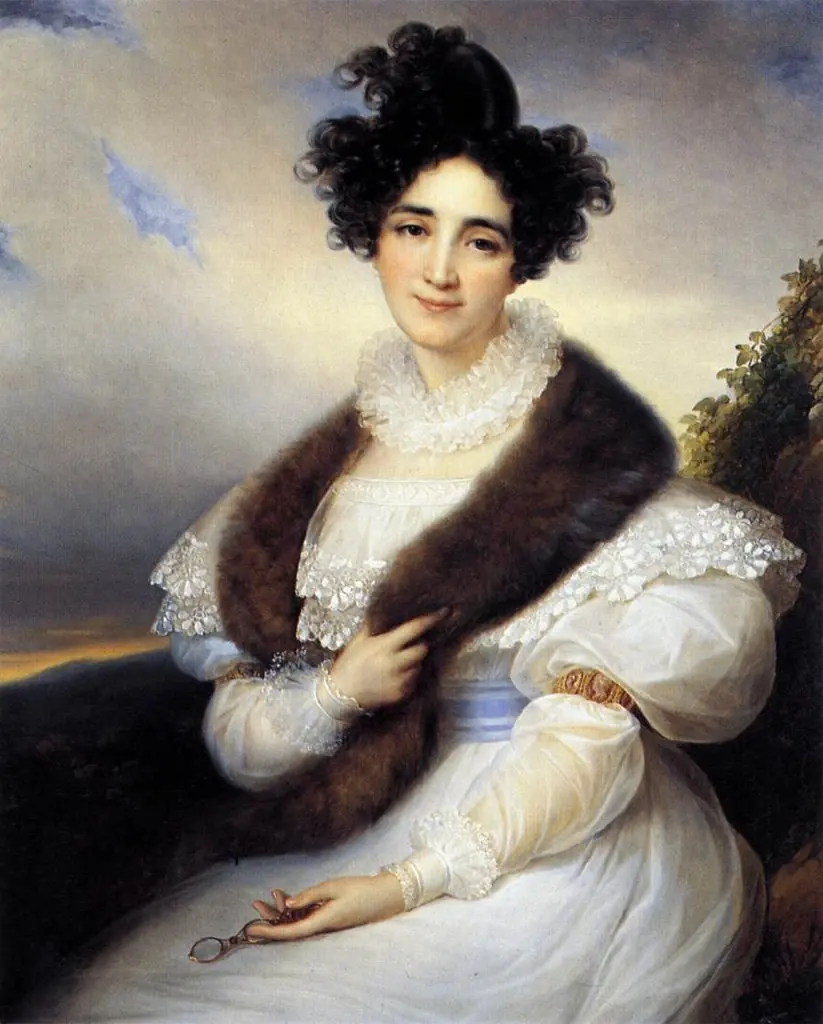 Marie-Joséphine Lafont-Porcher
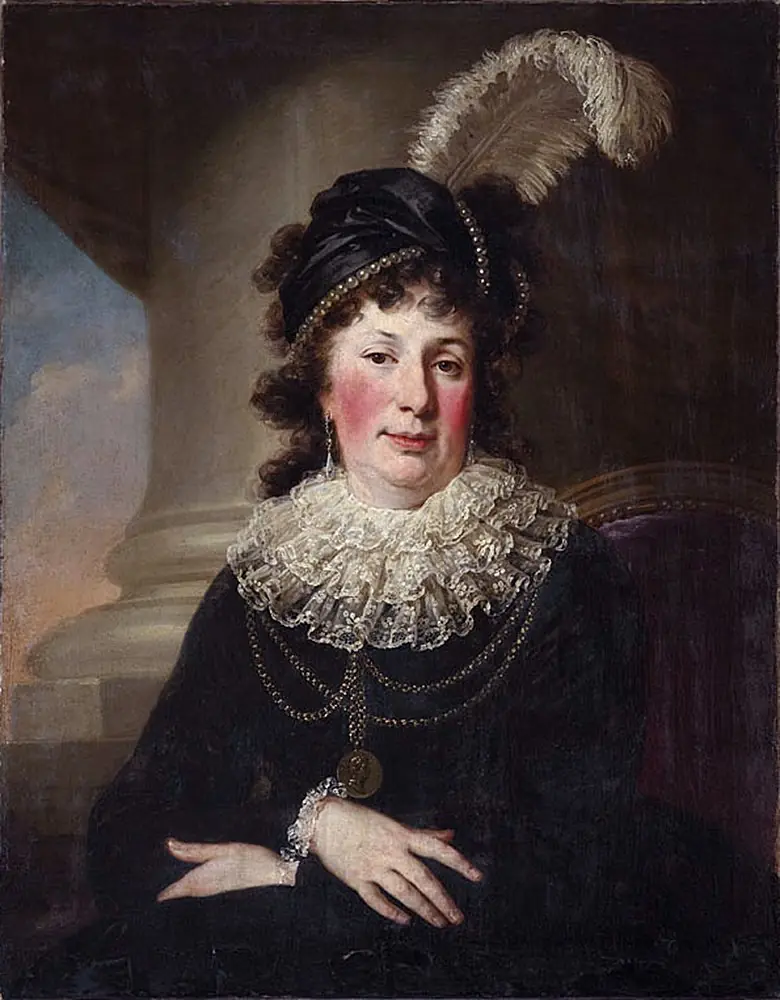 Portrait of Karolina née Sapieha 1.v.Potocka 2.v.Sołtyk
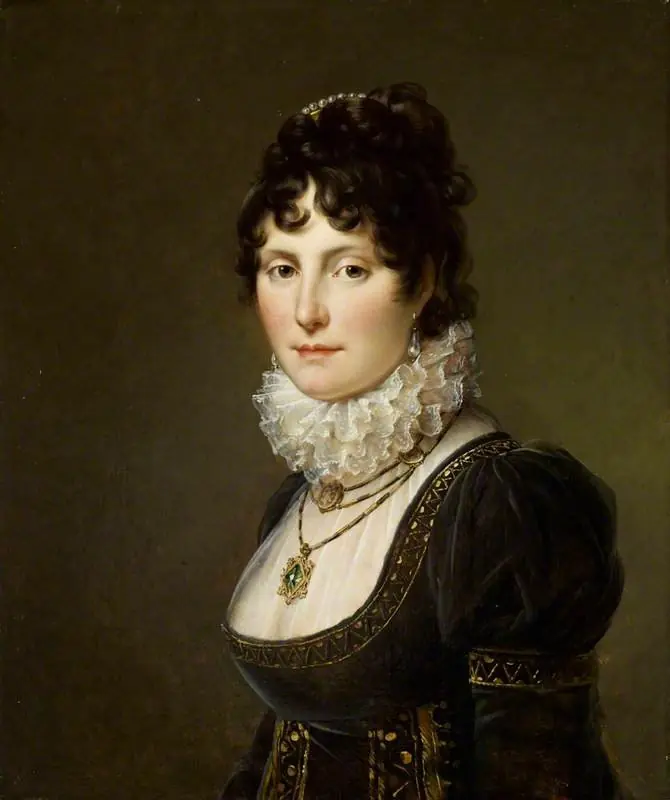 Mary Nisbet, Countess of Elgin (1777 - 1855)
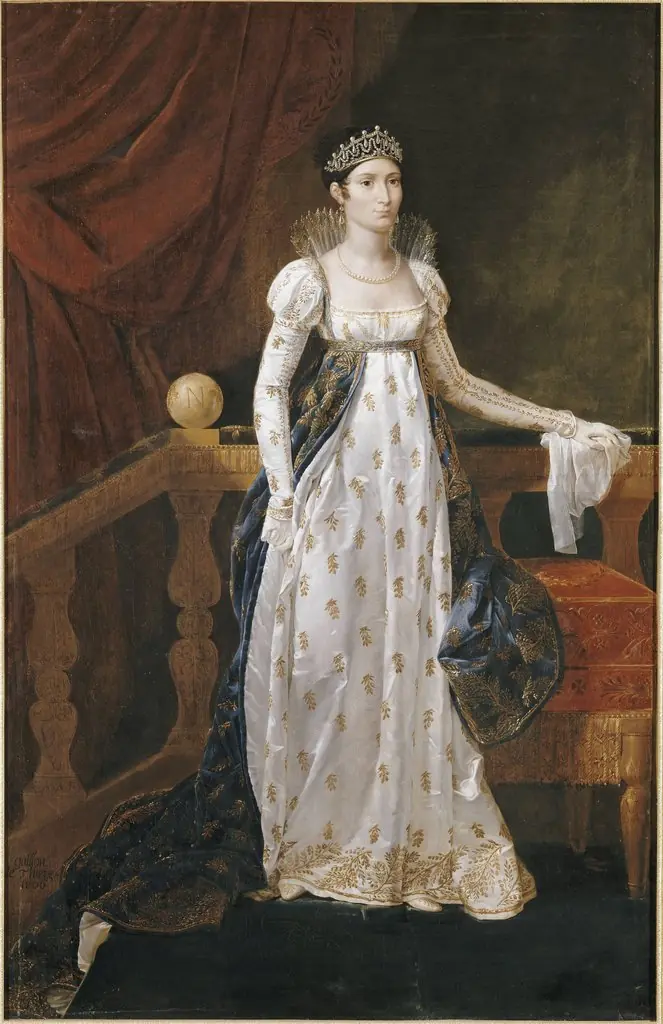 Elisa Bonaparte-Bacciocchi, Grand Duchess of Tuscany
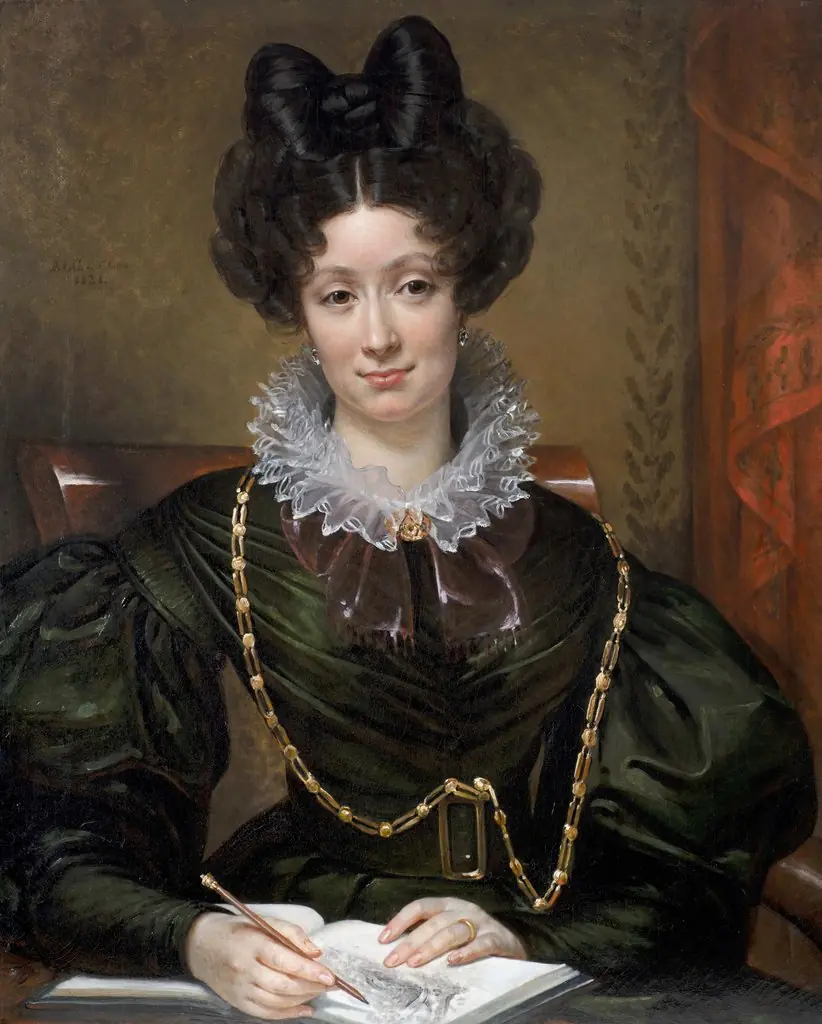 Portrait of a Young Artist
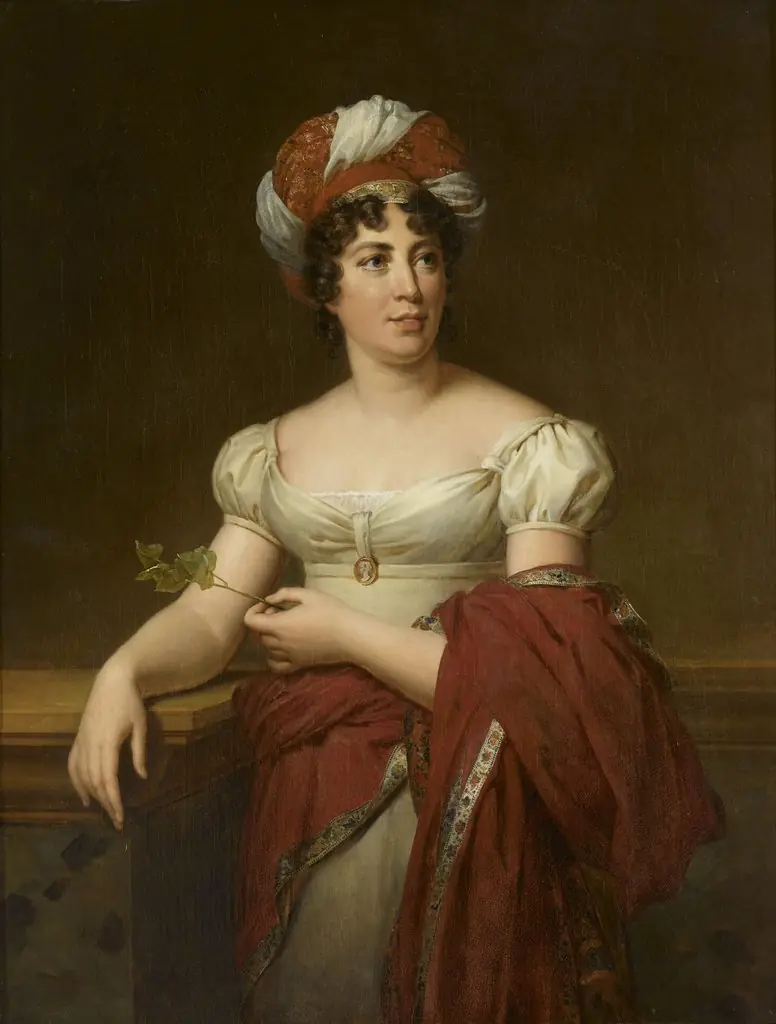 Portrait of Mme de Staël
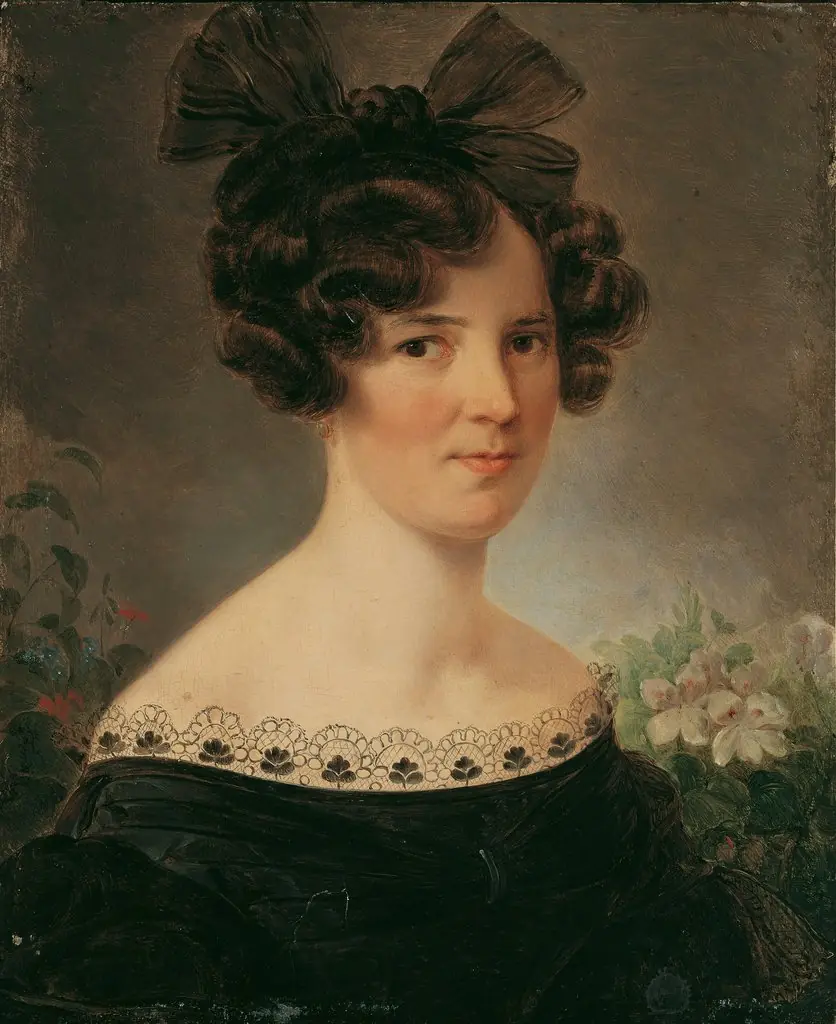 Therese Rockert
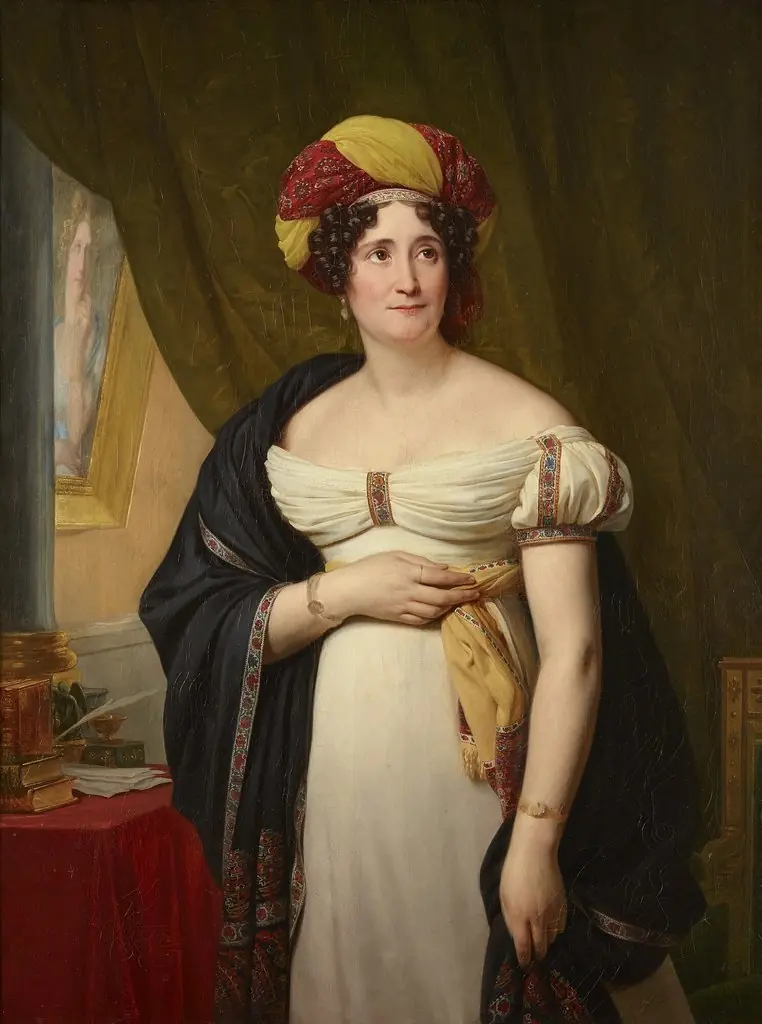 Portrait of Sophie Gay
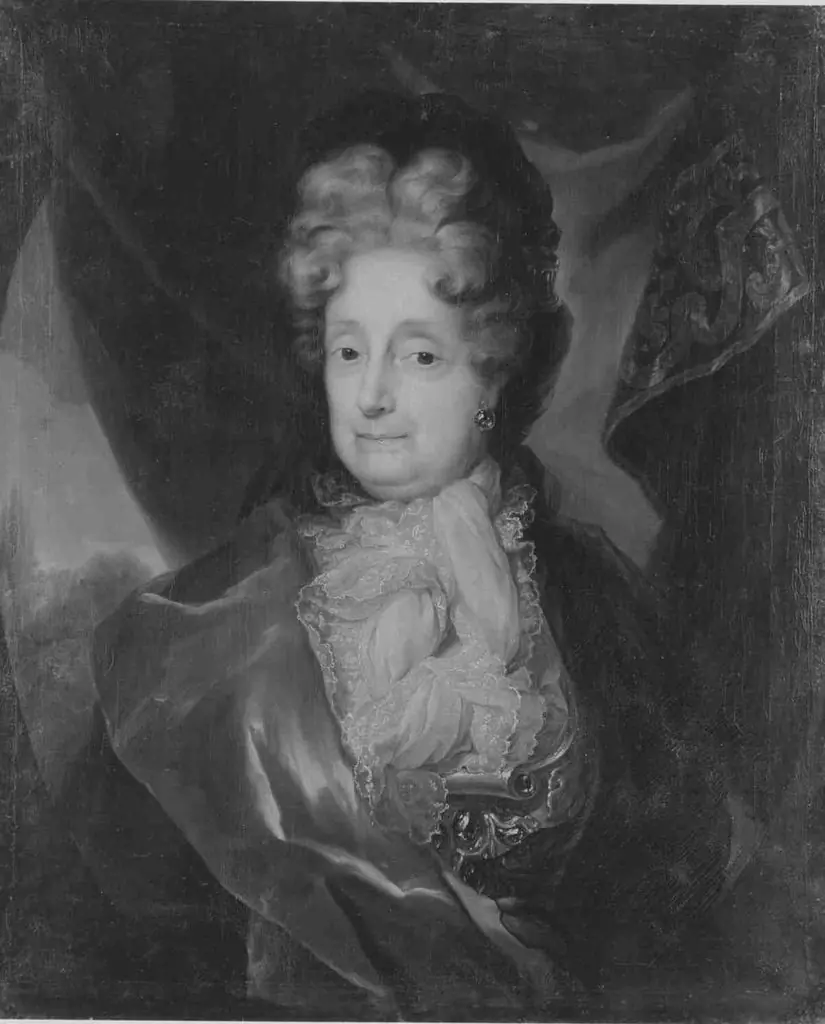 Portrait of Sophia of the Palatinate, dowager electress of Hanover
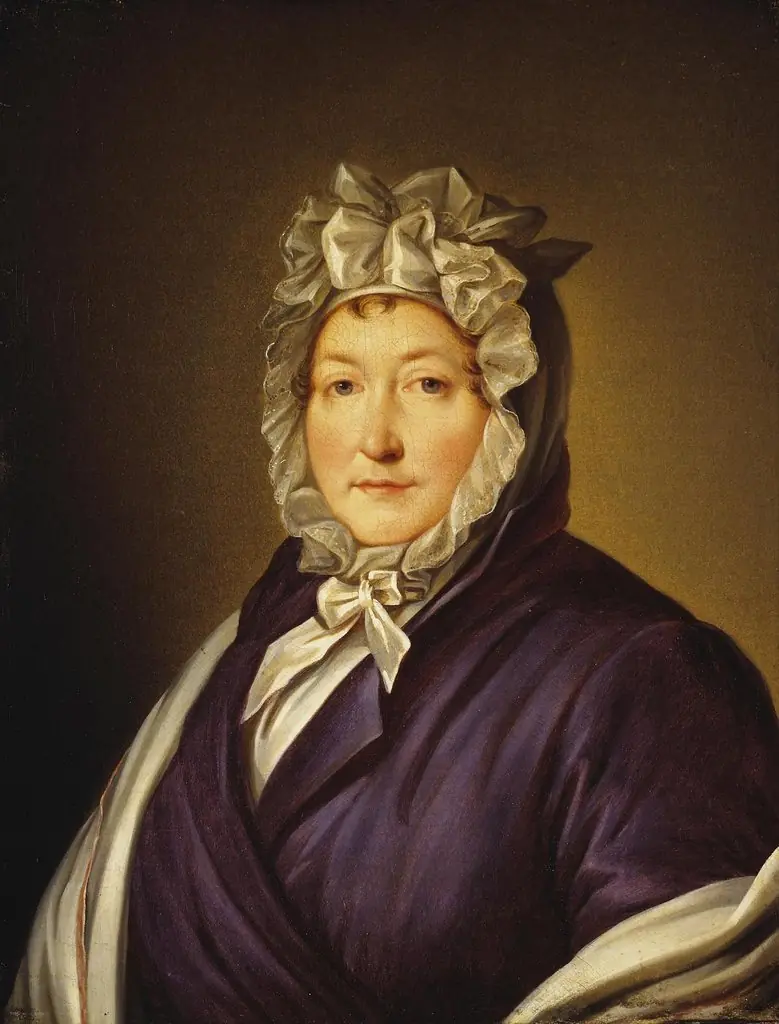 Portrait of Princess Varvara Golitsyna