Artwork
Untitled
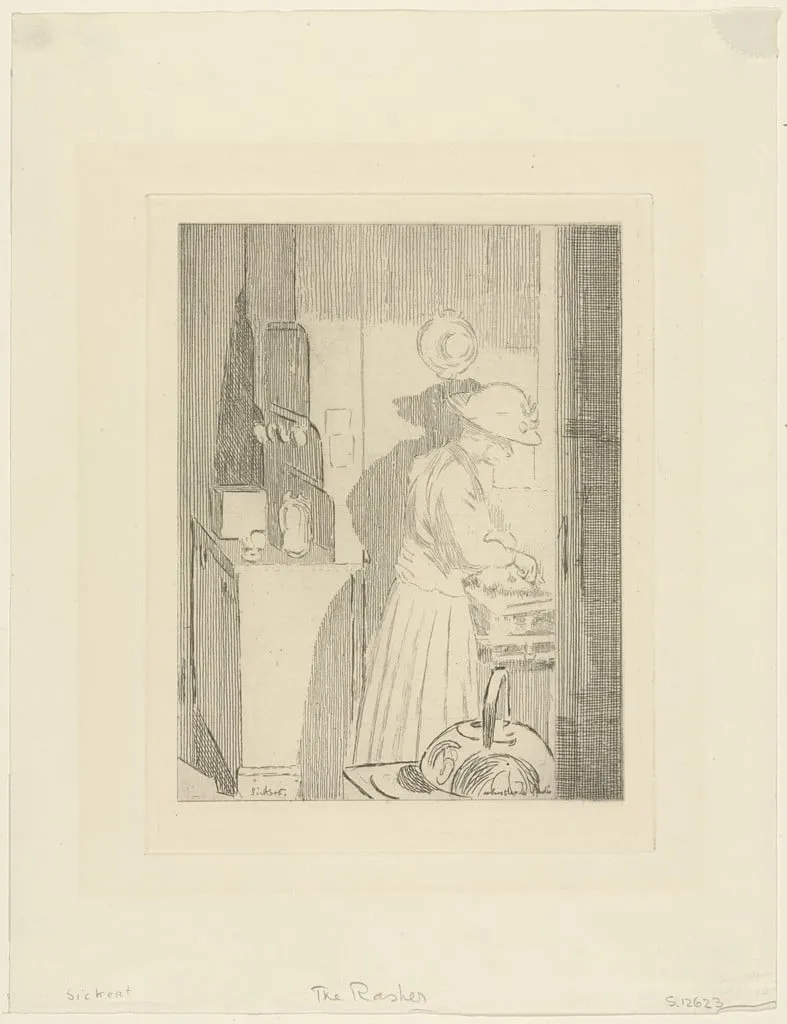
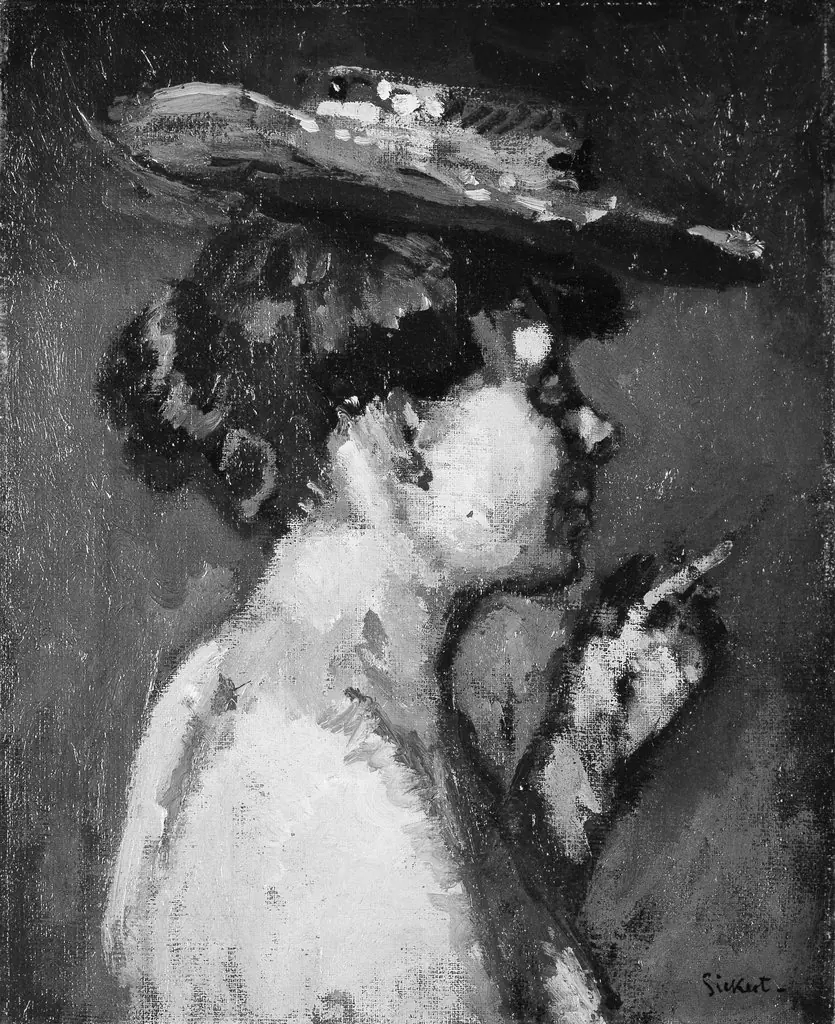
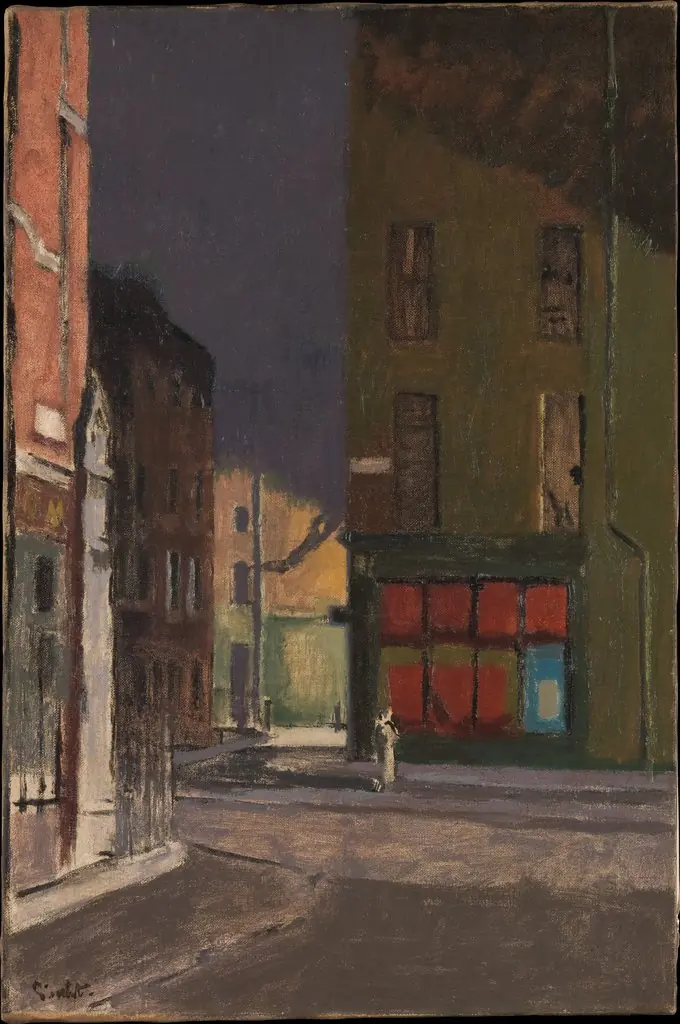
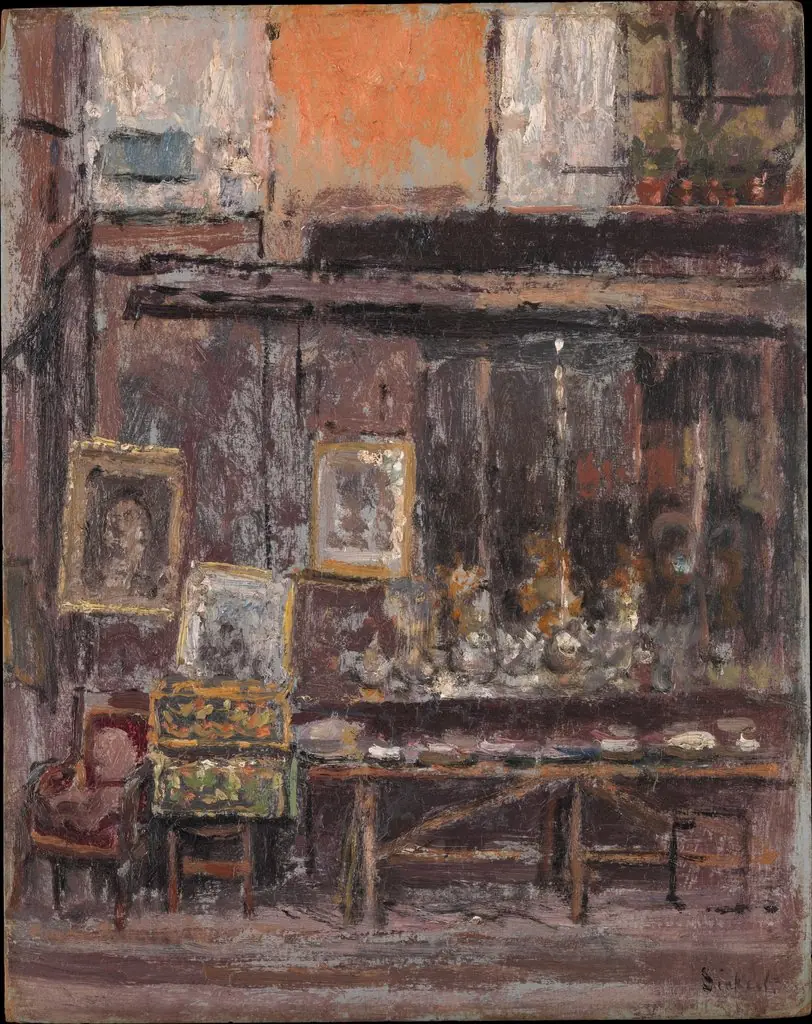
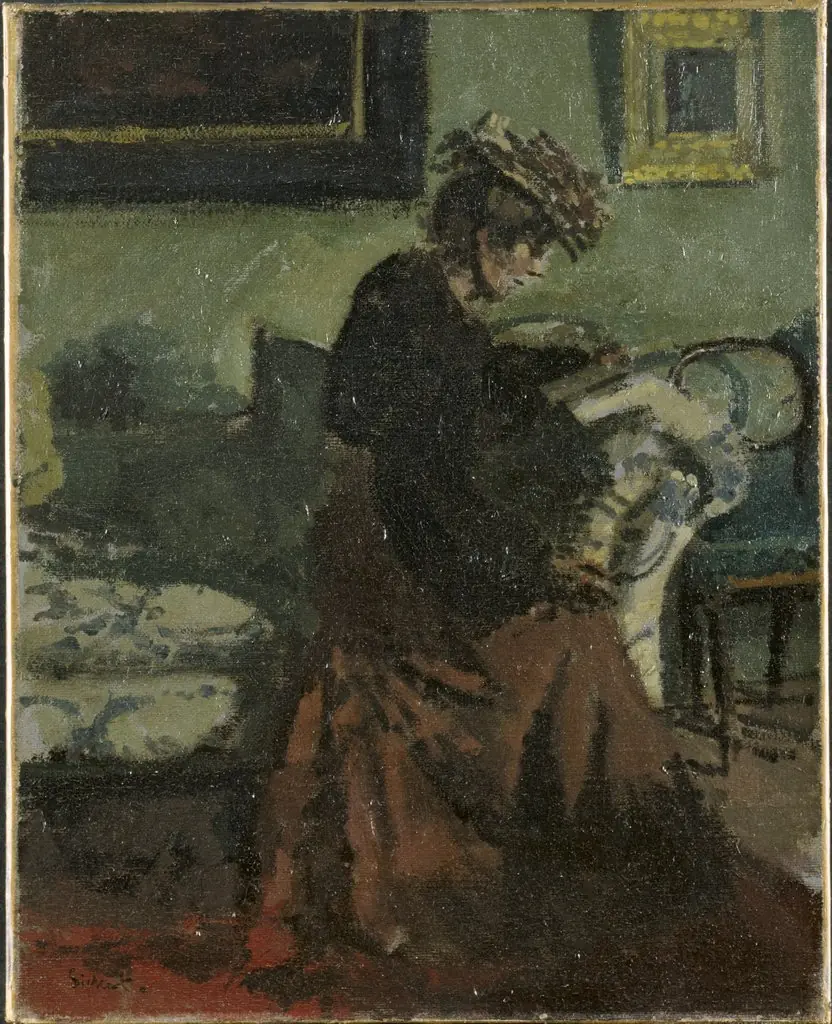
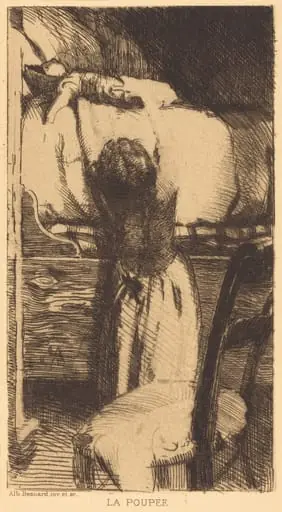
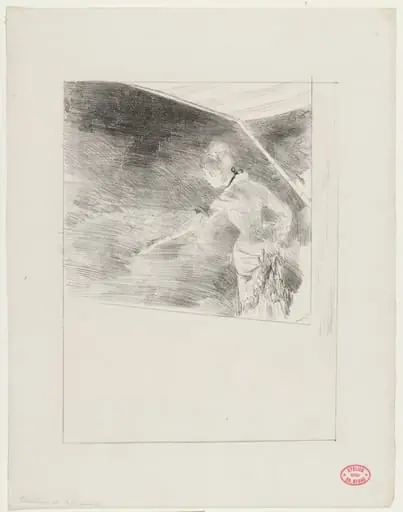
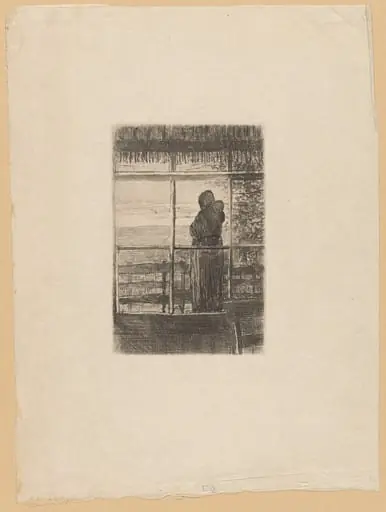
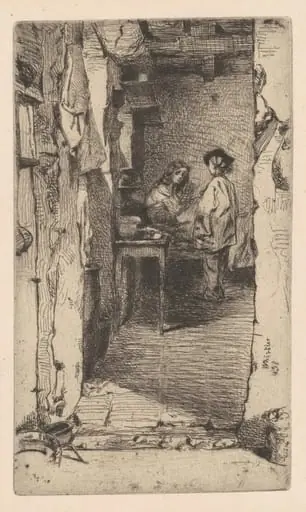
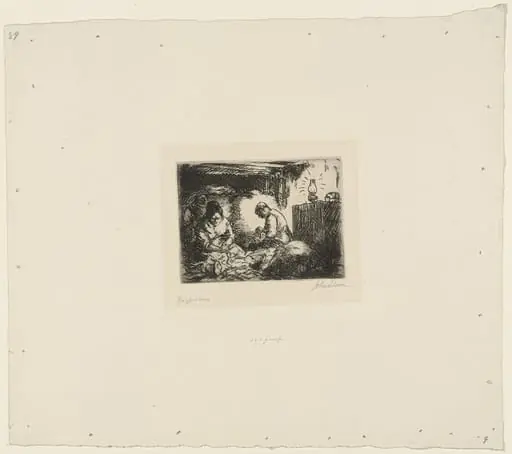
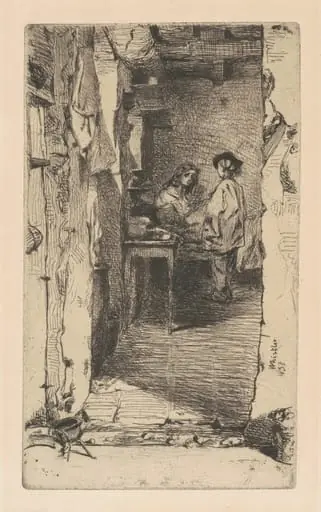
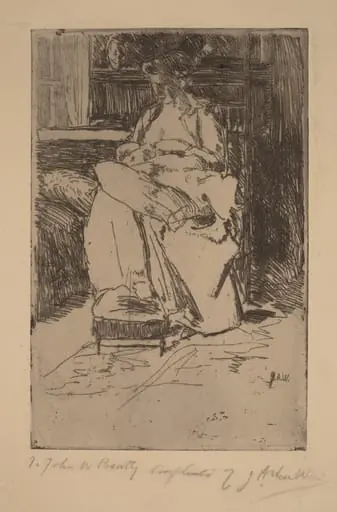
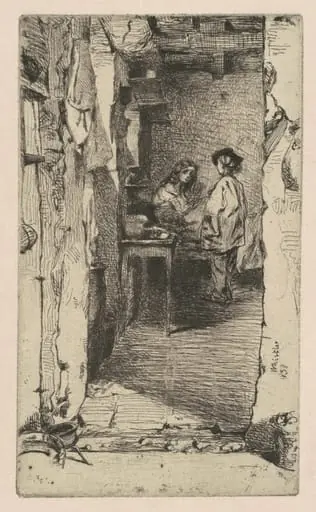
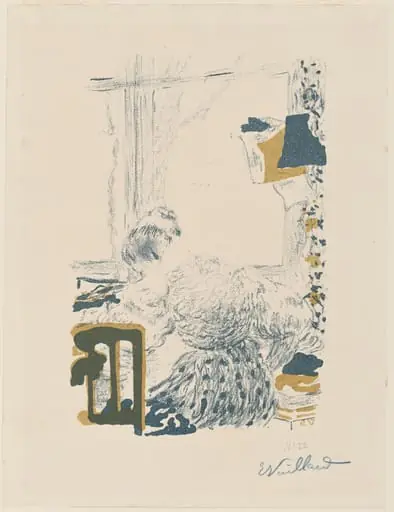
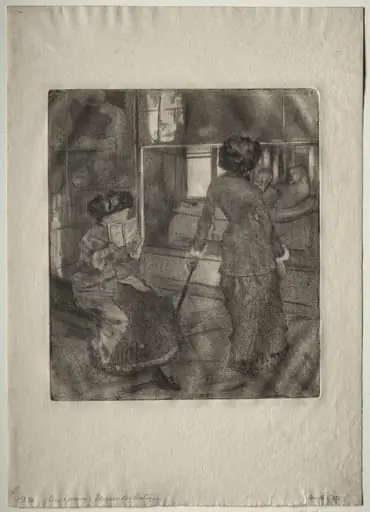
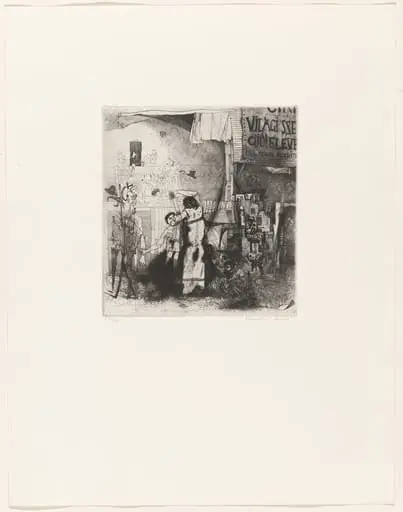
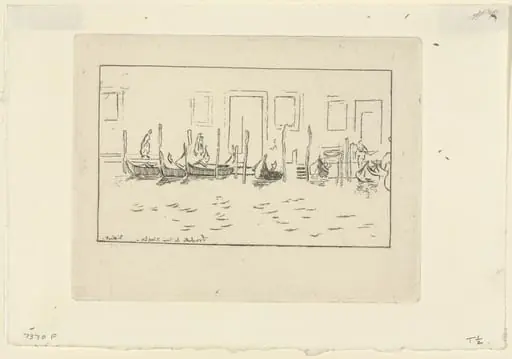
Untitled is an ink print by Walter Sickert. It dates from 1916 and is held in the collection of the Museum of Modern Art.
About this work
Overview
Though labeled 'Untitled,' it belongs to a series of works in which Sickert translated photographic sources into intimate, stripped-down compositions.
Created around 1916, this etching by Walter Richard Sickert is a quiet study in line and tone, part of his broader exploration of everyday subjects through printmaking. Though labeled 'Untitled,' it belongs to a series of works in which Sickert translated photographic sources into intimate, stripped-down compositions. The piece resides in The Museum of Modern Art’s collection, reflecting its significance in early 20th-century British print culture.
Subject & Meaning
The image presents a still life, but without clear identification of objects—vessels, cloth, or table surfaces are suggested rather than defined. Sickert’s choice to obscure detail emphasizes atmosphere over narrative, inviting contemplation of form and shadow. The ambiguity aligns with his interest in the mundane, transforming ordinary domestic items into quiet, enigmatic presences.
Technique & Style
Sickert employed etching to achieve sharp contrasts between dark, heavy lines and open, uninked areas. The composition relies on minimal strokes to suggest volume and spatial depth, avoiding elaborate detail. This restrained approach reflects his engagement with Post-Impressionist principles, where structure and mood take precedence over realism, and the medium’s inherent grit enhances the work’s tactile presence.
History & Provenance
The etching emerged during Sickert’s time with the Camden Town Group, a collective focused on urban realism and experimental printmaking. It was likely produced in his London studio, where he often worked from newspaper images and sketches. The work entered The Museum of Modern Art’s collection in the mid-20th century, recognized for its role in expanding the boundaries of British printmaking.
Context
In early 20th-century Britain, etching experienced a revival among artists seeking alternatives to painting. Sickert, influenced by Degas and French modernism, used the medium to explore psychological nuance in ordinary scenes. His work stood apart from academic traditions, embracing fragmentation and ambiguity—qualities that resonated with broader avant-garde currents across Europe.
Legacy
Sickert’s etchings, including this one, helped redefine printmaking as a vehicle for modernist expression in Britain. His use of photographic sources and emphasis on mood over detail influenced later generations of artists interested in the intersection of media and perception. The work remains a quiet but persistent example of how simplicity can convey psychological depth.
Artist & collection
Artist
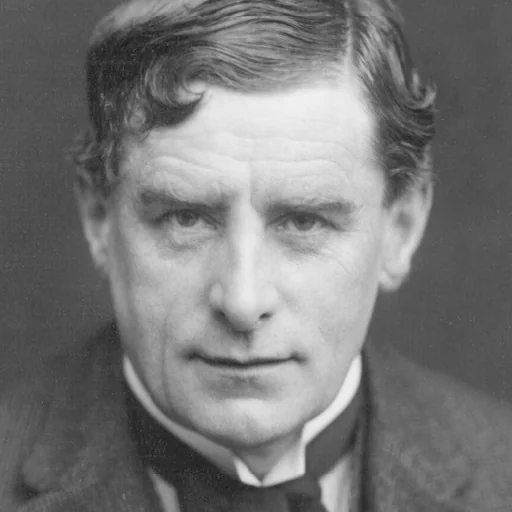
Walter Richard Sickert (31 May 1860 – 22 January 1942) was a German-born British painter and printmaker who was a member of the Camden Town Group of Post-Impressionist artists in early 20th-century London.