Artwork
Rat embryo
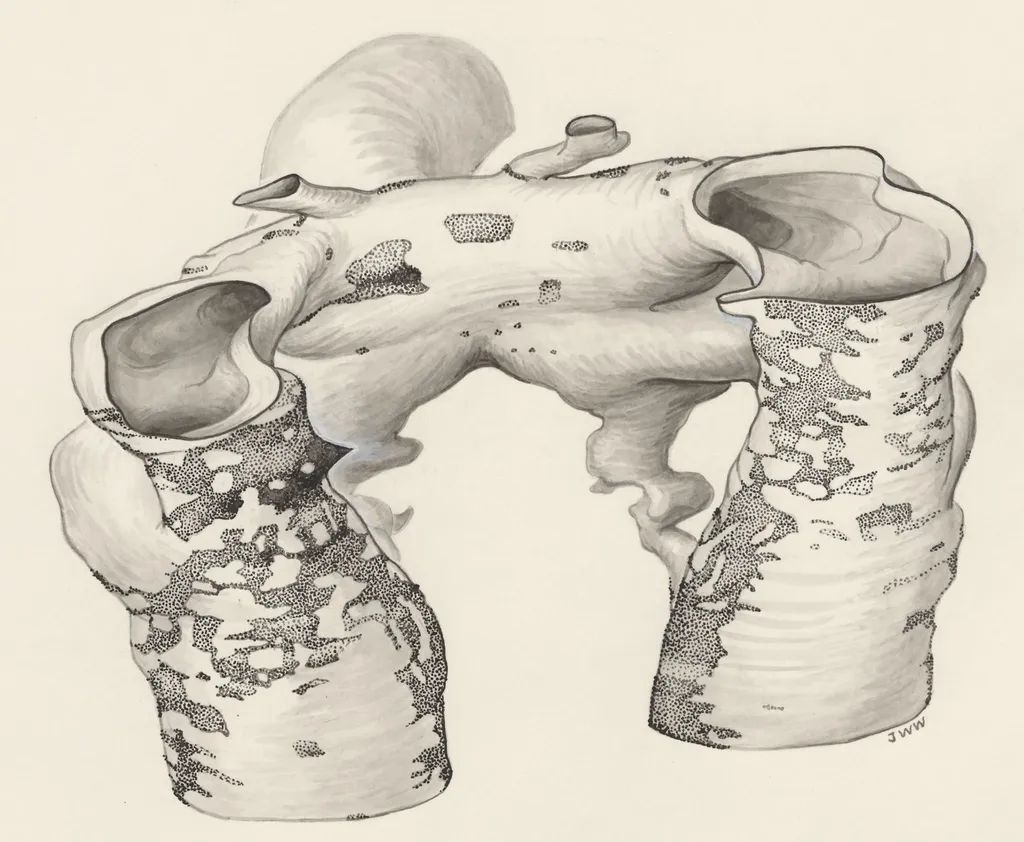
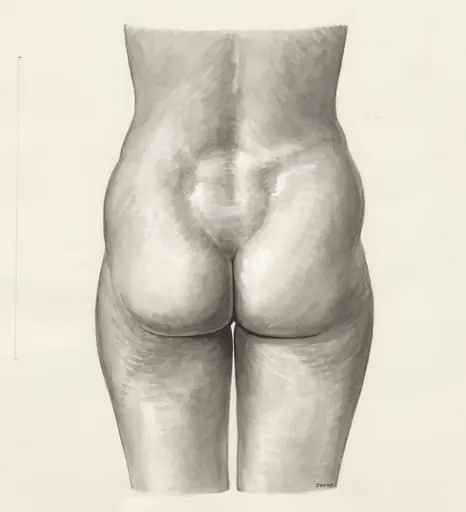
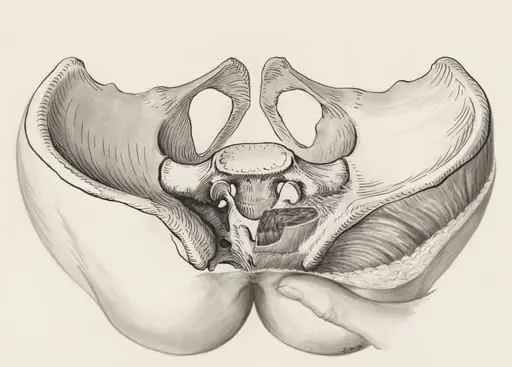
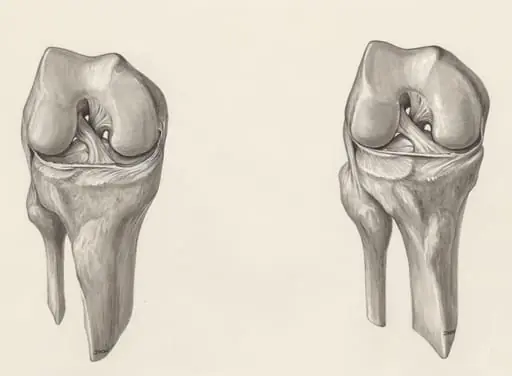
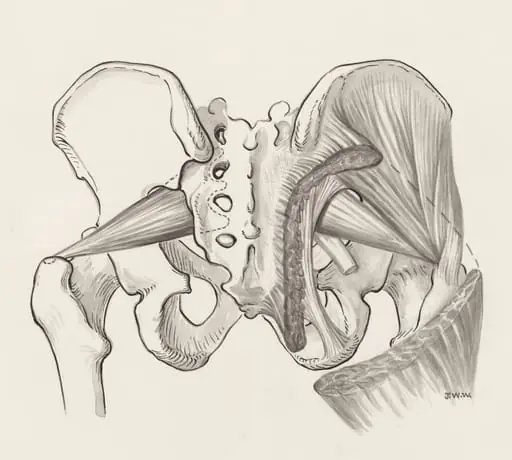
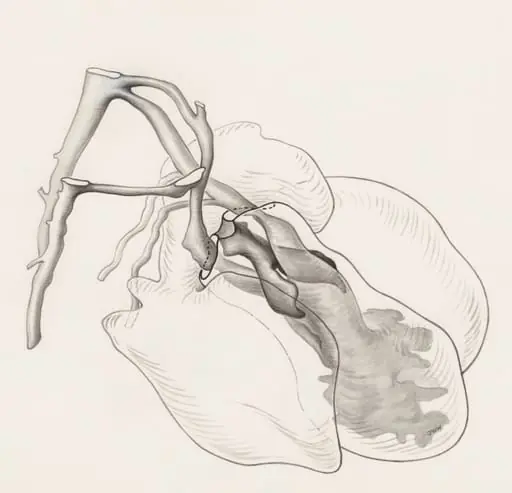
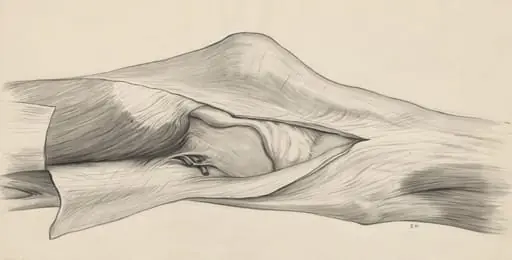
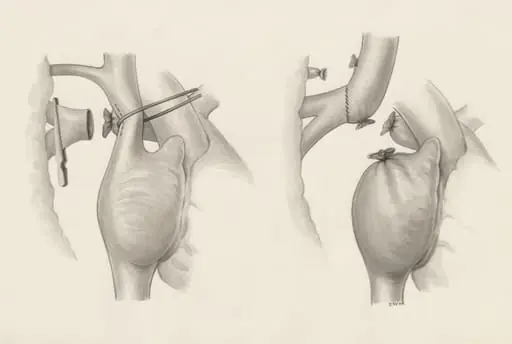
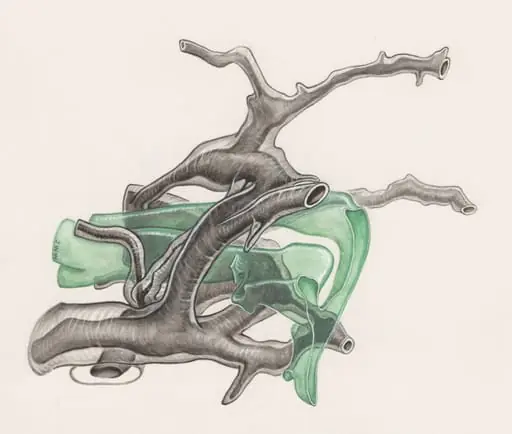
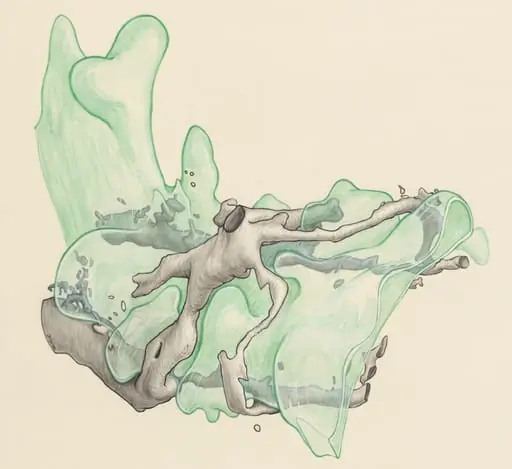
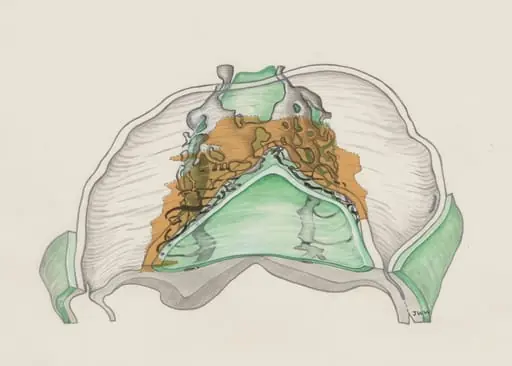
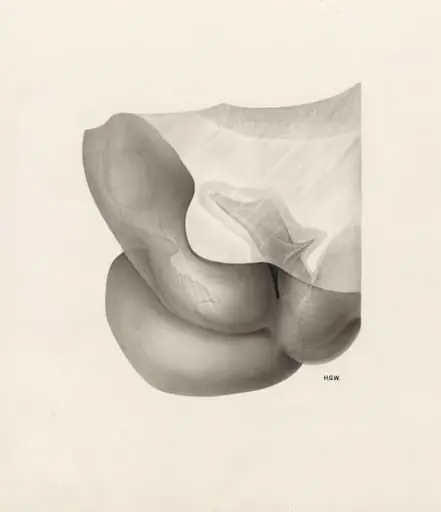
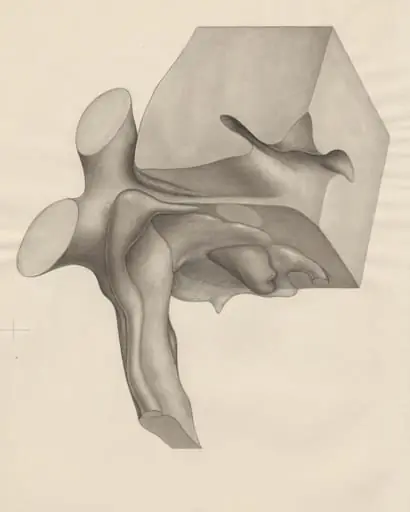
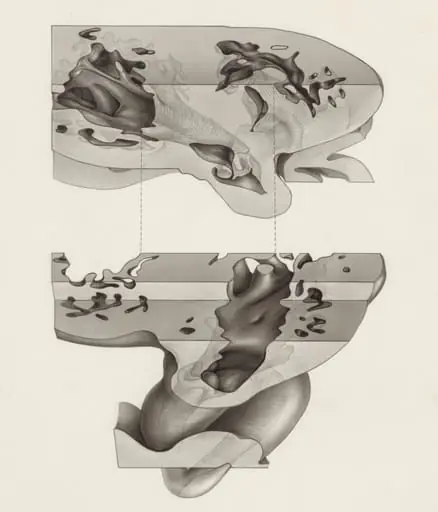
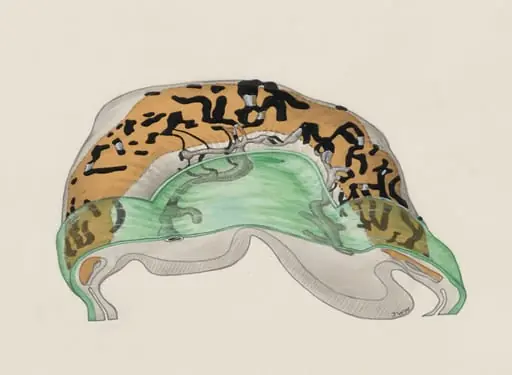
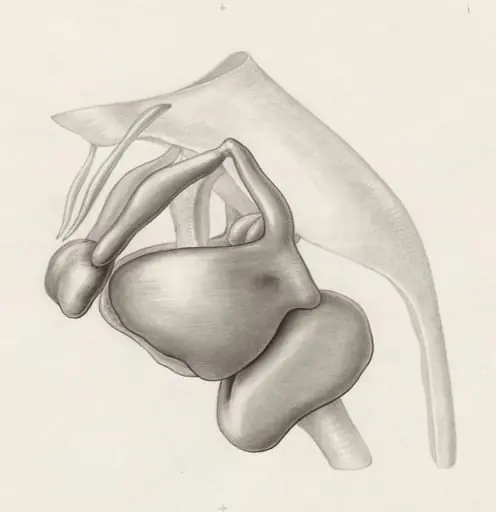
Rat embryo is a drawing by J Wetselaar-Whittaker. It dates from 1970 and is held in the collection of the Leiden University Libraries.
About this work
Overview
A small-scale drawing on paper depicts a rat embryo with meticulous attention to anatomical detail. Executed in grey wash and touched with white highlights, the work captures the fragile form of the developing organism. The medium’s subtlety allows for nuanced rendering of soft tissues and delicate structures, reflecting a disciplined approach to visual documentation.
Subject & Meaning
The subject is a rat embryo at an early developmental stage, rendered not for aesthetic display but as a scientific record. Its inclusion of fine hairs, skin folds, and limb buds suggests an intent to document biological form with precision. The image bridges observational science and artistic technique, valuing accuracy over ornamentation.
Technique & Style
The artist employed fine brushwork and layered grey washes to model the embryo’s contours, using white pigment sparingly to suggest light reflections on moist surfaces. Lines are controlled and minimal, avoiding dramatic contrast. The technique prioritizes clarity and fidelity, aligning with the conventions of scientific illustration rather than expressive art.
History & Provenance
The drawing likely originated in a 19th-century biological study, possibly associated with a university or research institution. Its preservation suggests it was part of a collection used for teaching or publication. While the artist’s identity remains unrecorded, the work’s care implies institutional support for visual documentation in embryology.
Context
During the 1800s, detailed anatomical drawings were essential to biological research before photographic methods became reliable. Embryonic studies, particularly in rodents, provided insights into vertebrate development. This drawing fits within a broader tradition of scientific illustration that valued hand-rendered precision over mechanical reproduction.
Legacy
The drawing endures as a quiet example of how art served science in an era before digital imaging. Its survival in museum collections underscores its role as a historical artifact of empirical observation. It continues to inform discussions on the intersection of visual skill and scientific inquiry in pre-modern biology.
Artist & collection
Artist
This artist made precise studies of the body—drawings and sculptures that cut straight to the bones, muscles, and tissues.