Artwork
Dum pierulo fugendum ...
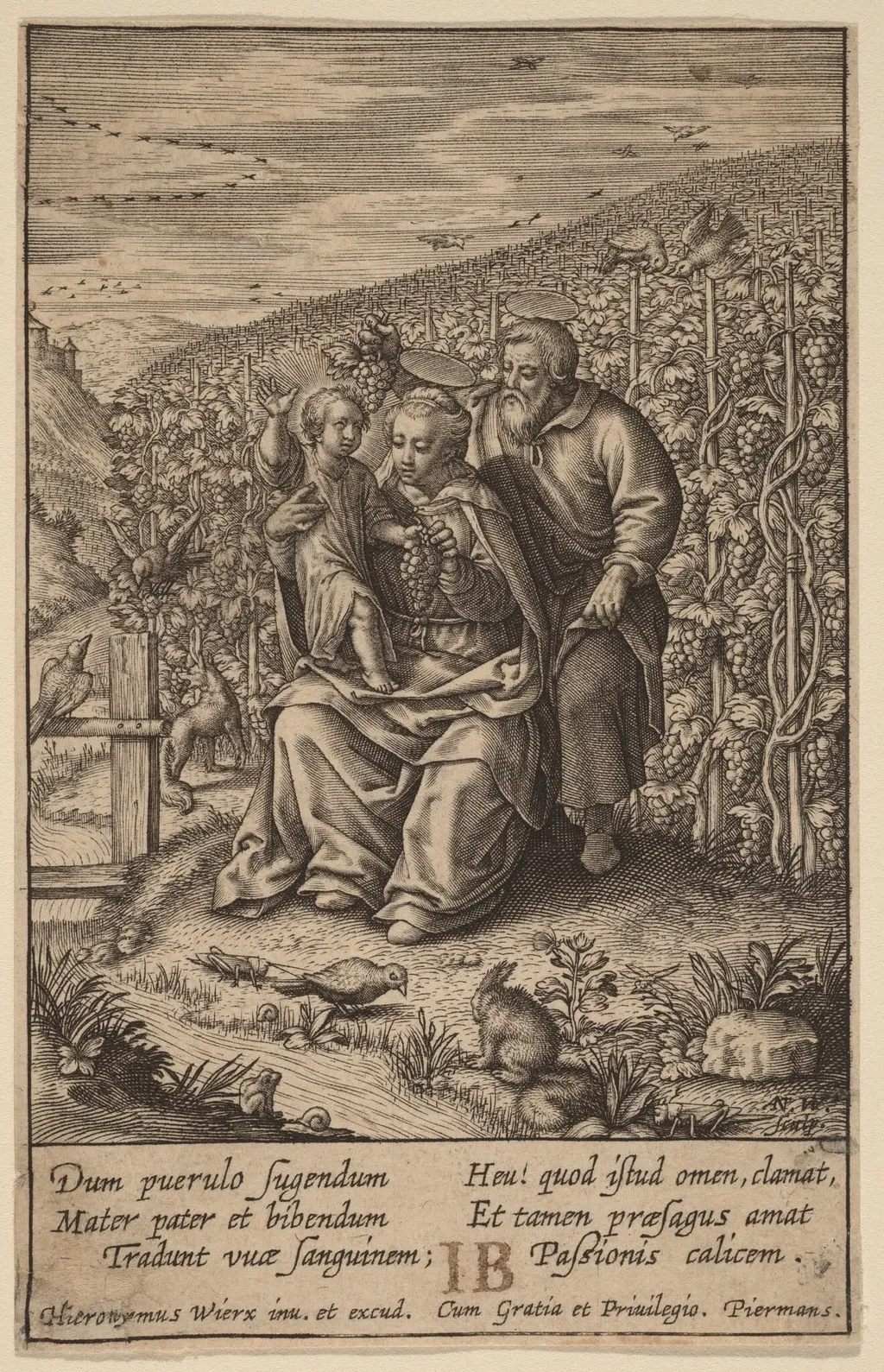
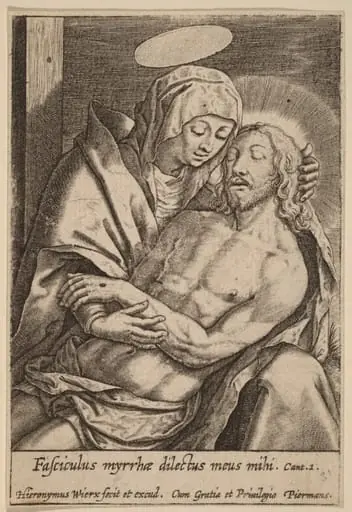
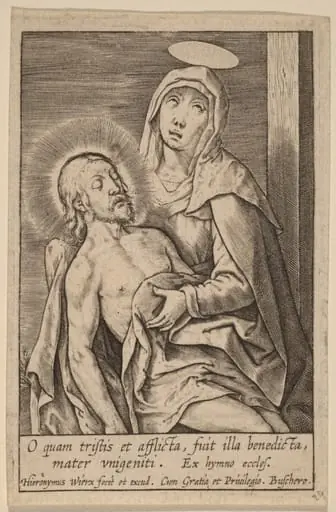
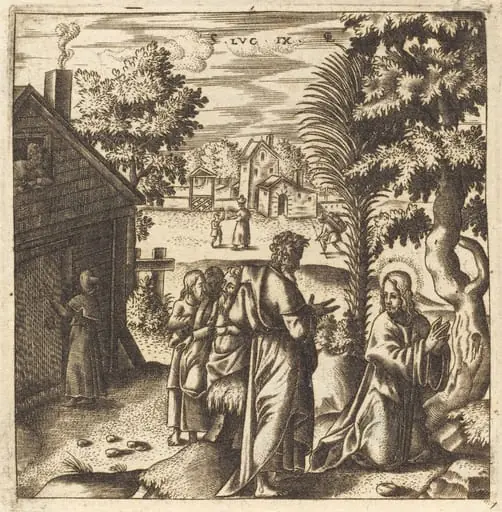
Dum pierulo fugendum ... is an ink print by the Renaissance artist Hieronymus Wierix. It dates from 1586 and is held in the collection of the National Gallery of Art.
About this work
Overview
Created in 1586, *Dum pierulo fugendum* is an engraving by the Flemish printmaker Hieronymus Wierix. Executed in the characteristic fine line work of the period, the image incorporates a Latin motto that translates as “when the pipe is to be fled,” suggesting a moral or cautionary message.
Subject & Meaning
The central Latin inscription frames a densely populated scene filled with symbolic details. The phrase functions as a warning, and the surrounding figures and objects—rendered in miniature scale—serve to illustrate the admonition, reflecting the period’s penchant for didactic religious imagery.
Technique & Style
Wierix employed the intaglio engraving process, incising intricate lines into a copper plate before printing onto paper. His hand is evident in the delicate hatching and tight control of texture, hallmarks of the Wierix workshop’s reputation for precise, highly finished reproductive prints.
History & Provenance
Hieronymus Wierix, part of a prolific family of engravers, was active in the Southern Netherlands during the late sixteenth century. The workshop’s output, often after masters such as Albrecht Dürer, helped disseminate Netherlandish visual culture across Europe, and this print exemplifies that commercial and artistic network.
Context
The work emerges from a time of religious tension in the Southern Netherlands, when artists navigated both Protestant and Catholic expectations. Its moralizing tone aligns with contemporary devotional prints that addressed the faithful regardless of confessional affiliation.
Artist & collection

Artist
Hieronymus Wierix (1553–1619) was a Flemish engraver, draughtsman and publisher. He is known for his reproductive engravings after the work of well-known local and foreign artists including Albrecht Dürer. Together with…

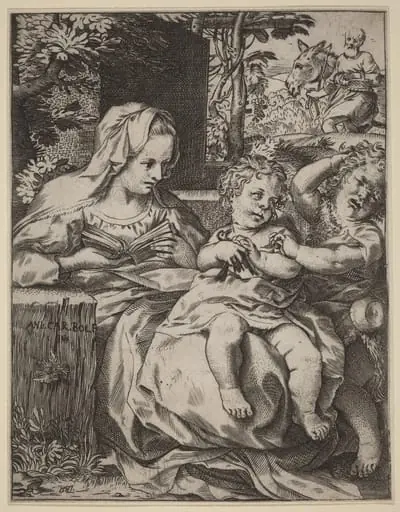 The Madonna of the Swallow (La Madonna Della Rondinella)
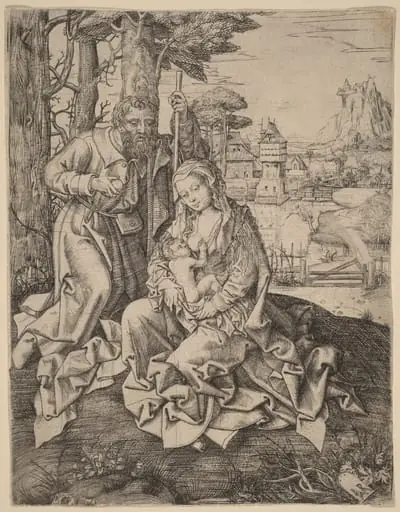 The Holy Family in a Landscape
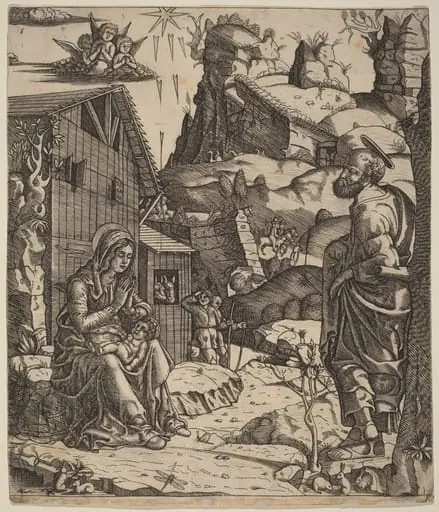 The Nativity
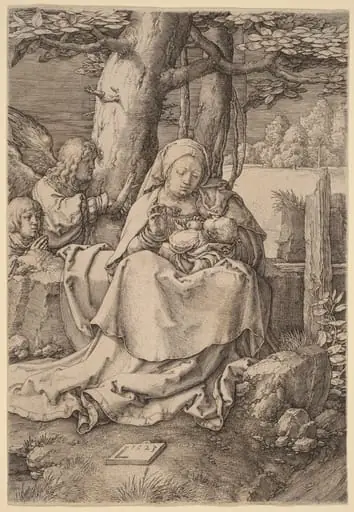 The Virgin and Child with Two Angels
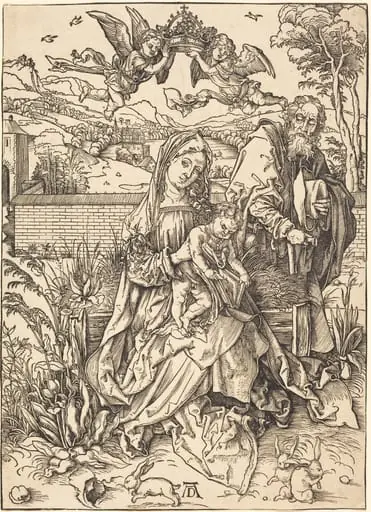 The Holy Family with the Three Hares
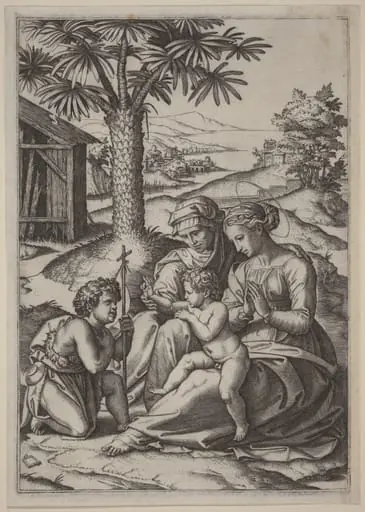 Madonna under a Palm Tree
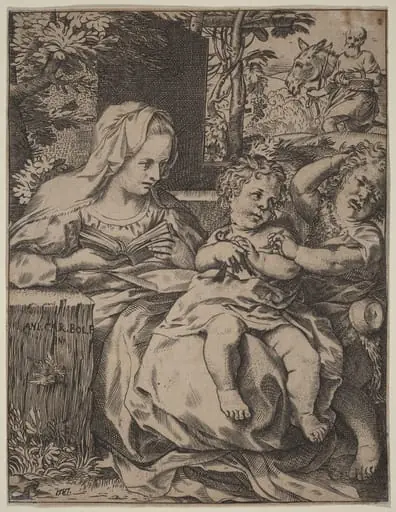 The Madonna of the Swallow
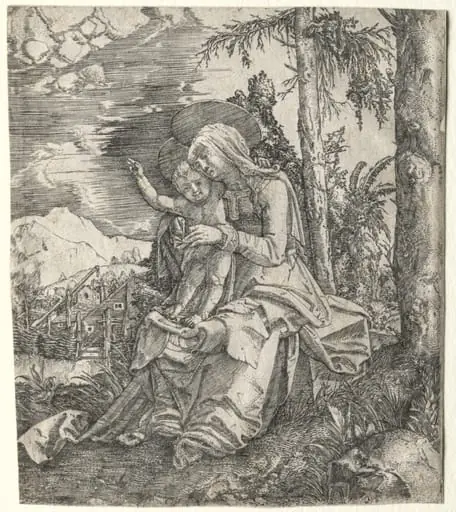 The Virgin in a Landscape
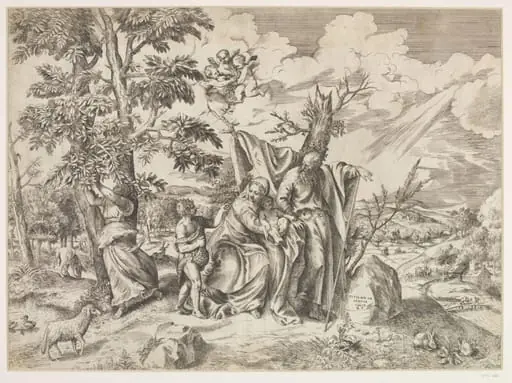 Holy Family
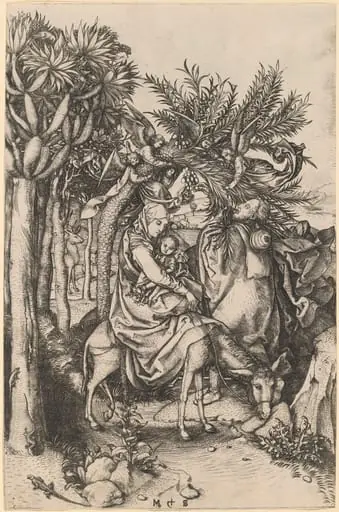 The Flight into Egypt
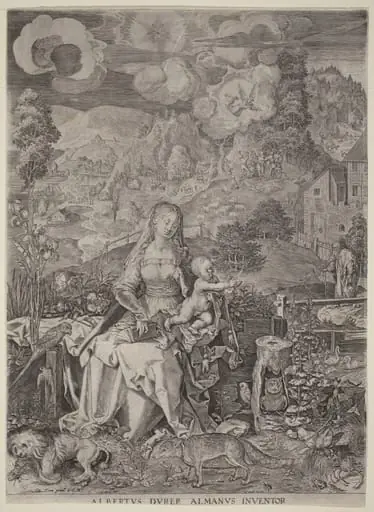 Virgin and Child in a Landscape
 Christ Praying