Artwork
鶏図衝立を見る鶏|Cock Eyeing a Free-standing Screen Painted with Cock, Hen, and Chicks, from Spring Rain Surimono Album (Harusame surimono-jō), vol. 1
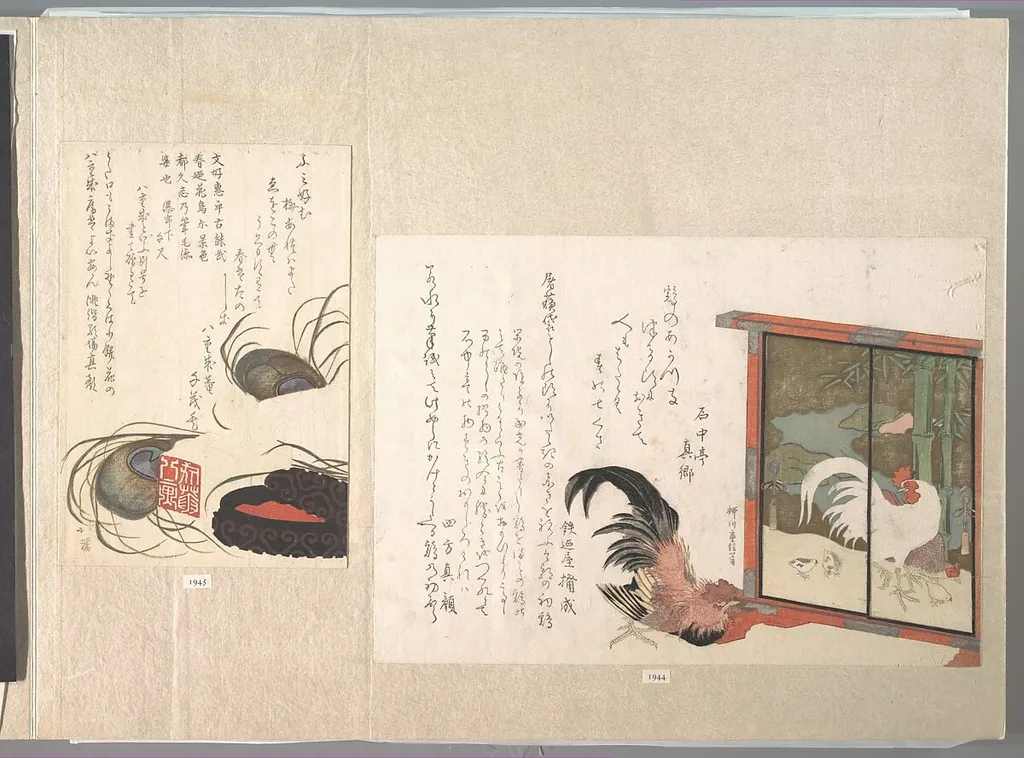
鶏図衝立を見る鶏|Cock Eyeing a Free-standing Screen Painted with Cock, Hen, and Chicks, from Spring Rain Surimono Album (Harusame surimono-jō), vol. 1 is an ink print by the Romanticist artist Yanagawa Shigenobu. It dates from 1813 and is held in the collection of the Metropolitan Museum of Art.
About this work
Overview
This two‑page leaf from the privately issued "Spring Rain" surimono album presents a pair of modest ink‑and‑color compositions on thin paper.
This two‑page leaf from the privately issued "Spring Rain" surimono album presents a pair of modest ink‑and‑color compositions on thin paper. The right‑hand image features a rooster, its plumage rendered in vivid hues, perched beside a standing wooden screen that depicts a domestic scene of a cock, hen and their chicks nestled among bamboo. The left page contains a simple marine motif of a squid and shell beside a red‑lined box bearing Japanese script.
Subject & Meaning
The central figure—a proud rooster—serves as a visual focal point, its stance suggesting vigilance and vitality. The screen it observes illustrates a familial tableau of poultry, a common motif symbolizing fertility and the continuity of life in Edo‑period iconography. The juxtaposition of the bird with the painted scene may allude to the rooster’s role as a guardian of the household.
Technique & Style
Executed as a surimono, the work employs traditional woodblock carving combined with hand‑applied color and ink washes. Fine cross‑hatching creates subtle tonal gradations, while the use of bright pigments on the rooster’s feathers contrasts with the more muted, delicate brushwork of the bamboo grove. The hand‑mounted album format allows for intimate viewing and emphasizes the precision of the printmaking process.
History & Provenance
Created around 1813 by Yanagawa Shigenobu, a prolific ukiyo‑e artist known for his elegant figures and genre scenes, the print was part of a limited‑edition album produced for a private circle of connoisseurs. The album later entered the collection of The Metropolitan Museum of Art, where it is preserved as an example of early 19th‑century surimono publishing.
Context
Surimono were typically commissioned for poetry gatherings, festivals, or as gifts among literati, allowing artists to experiment with luxurious materials and intricate designs beyond the commercial market. Shigenobu’s work reflects the period’s fascination with everyday subjects rendered with refined detail, aligning with the broader Edo‑era interest in domestic life and natural observation.
Artist & collection


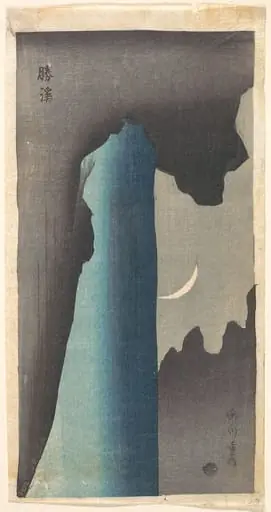
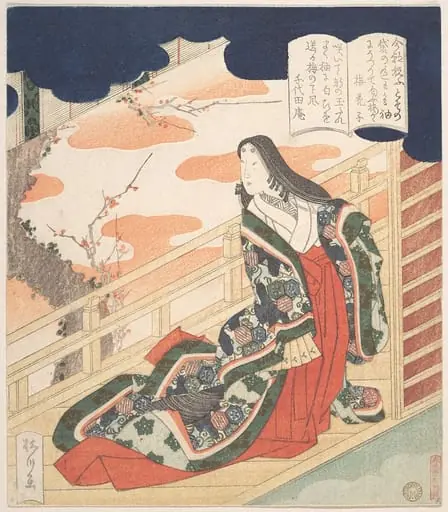
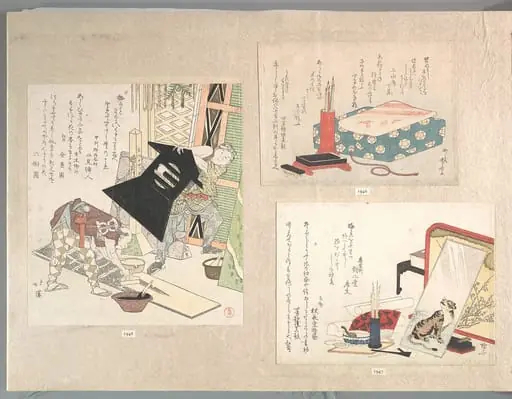 衝立、虎図、文具一式|Desk Screen, Writing Set, Painting of Tiger, and Mounting Paraphernalia, from Spring Rain Surimono Album (Harusame surimono-jō, vol. 1)
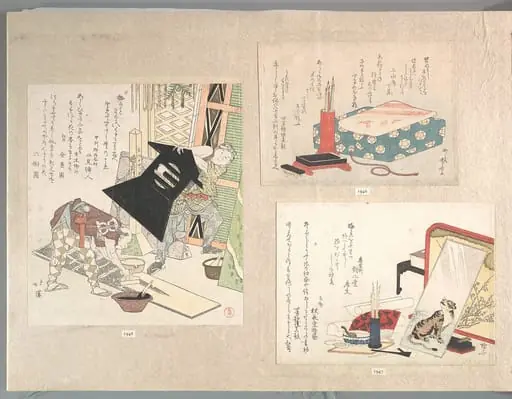 文具一式|Writing Set and Poem Card Box (Shikishi-bako), from Spring Rain Surimono Album (Harusame surimono-jō), vol. 1
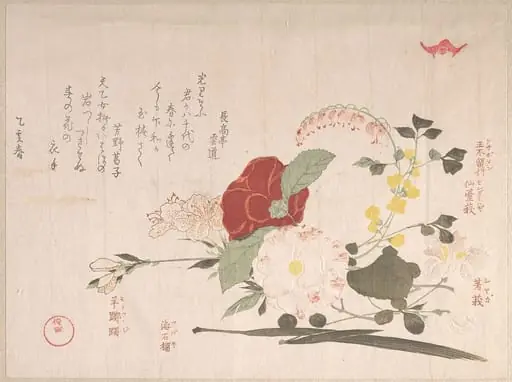 『春雨集』 摺物帖窪俊満画 クサボタン、萩、シャ ガ、ツバキ、モチツバキ|Spring Rain Collection (Harusame shū), vol. 2: Cut Flowers: Clematis, Bush Clover, Iris, Camellia, and Azalea
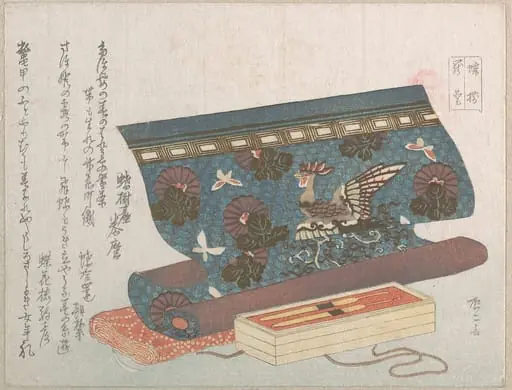 『蝶揃・寵愛』帯と簪|Roll of Cloth for an Obi and Tortoise-shell Hair Ornaments (“Presents for One’s Beloved”), from the Butterfly Series, from Spring Rain Surimono Album (Harusame surimono-jō, vol. 3)
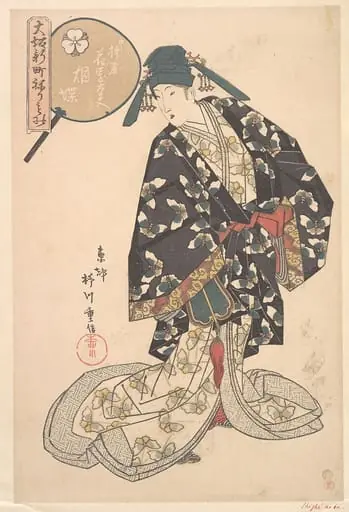
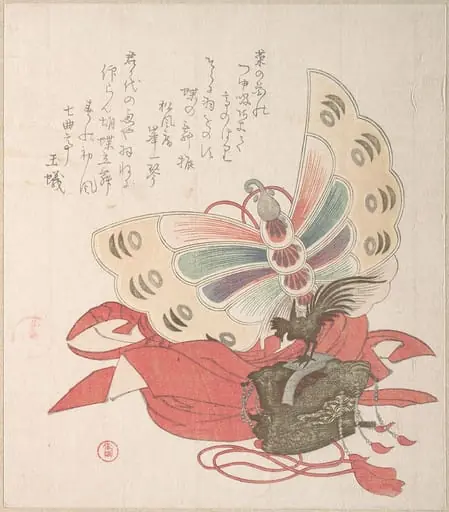 『春雨集』 摺物帖窪俊満画 胡蝶舞の衣装|Spring Rain Collection (Harusame shū), vol. 2: Costume for the Butterfly Dance (Kochō no mai)
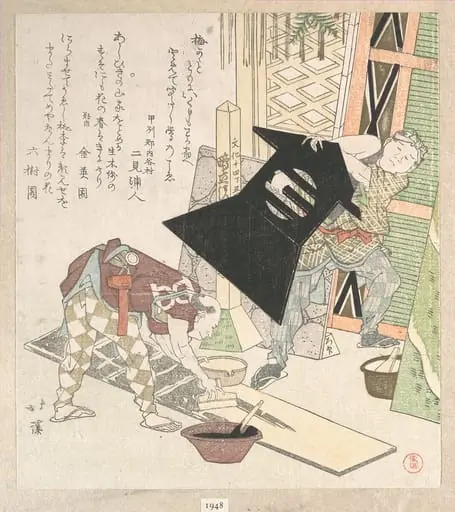 元日仕度|Preparations for the New Year, from Spring Rain Surimono Album (Harusame surimono-jō, vol. 1)