Artwork
Omorârea lui (Grigore al-III-lea) Ghica
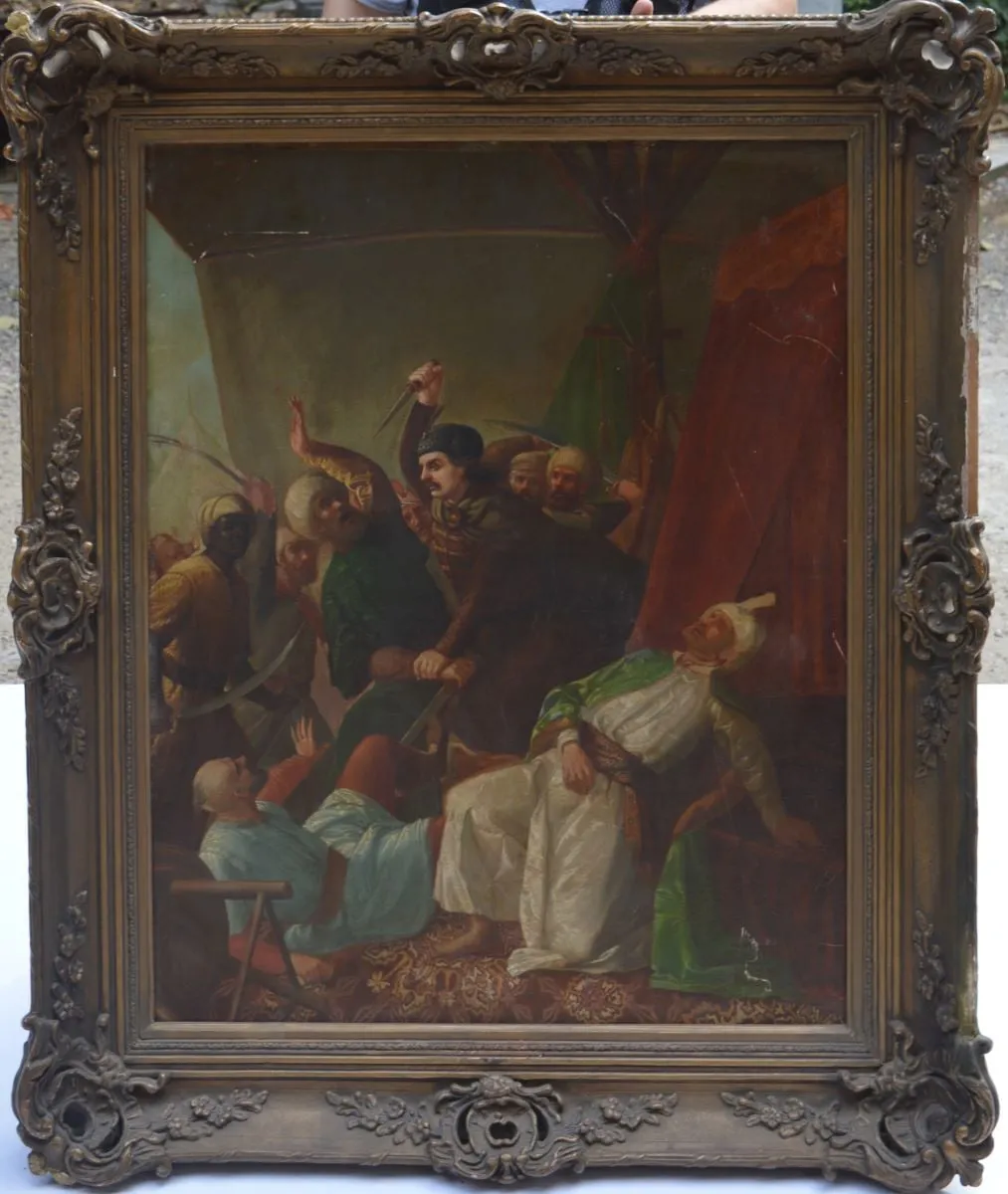
Omorârea lui (Grigore al-III-lea) Ghica is a print by the Academic Art artist Theodor Aman. It dates from 1871 and is held in the collection of the Bucharest Municipality Museum.
About this work
Overview
Theodor Aman's *Omorârea lui (Grigore al-III-lea) Ghica*, created circa 1871, is a historical scene painting housed in the Museum of Ethnography. It showcases a dramatic event from history, characterized by intense action and traditional attire.
Subject & Meaning
The painting depicts a pivotal moment in the demise of Grigore al-III-lea Ghica, with the central figure, possibly the prince, shown in a state of vulnerability or death amidst armed men. The scene conveys turmoil and conflict.
Technique & Style
Aman employed vibrant colors, notably the contrast between the central figure's white and green attire, a red curtain, and detailed traditional clothing, to evoke tension and chaos. The composition guides the viewer's focus to the central figure, highlighting Aman's skill in crafting engaging historical genre paintings.
History & Provenance
Created around 1871 by Theodor Aman, a renowned Romanian artist and educator known for his historical and genre paintings, the work is now part of the Museum of Ethnography's collection.
Context
This painting reflects Aman's interest in depicting significant historical moments, possibly aiming to preserve or comment on Romania's past through his art.
Legacy
While specific impact details are not provided, the painting contributes to Aman's legacy as a meticulous painter of historical scenes, appreciated for his attention to detail and ability to convey drama.
Artist & collection
Artist
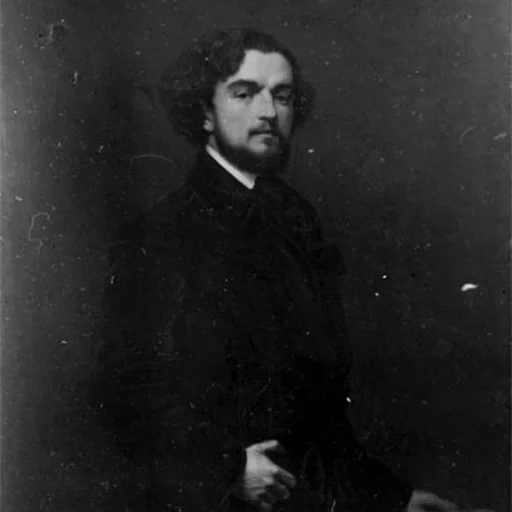
Theodor Aman (20 March 1831 – 19 August 1891) was a Romanian painter, engraver and art professor. He mostly produced genre and history scenes.
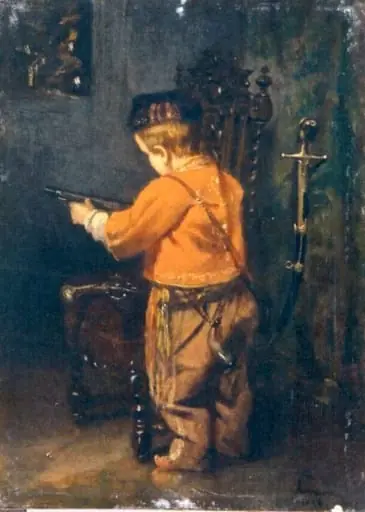
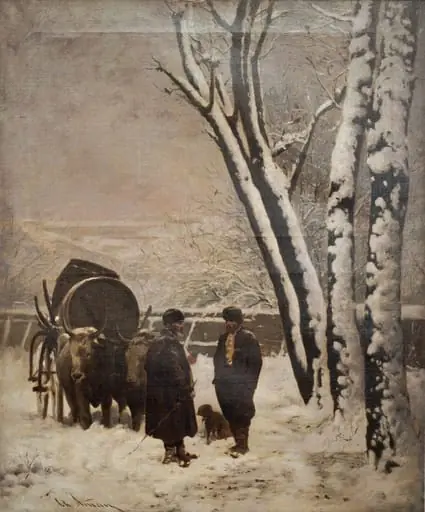
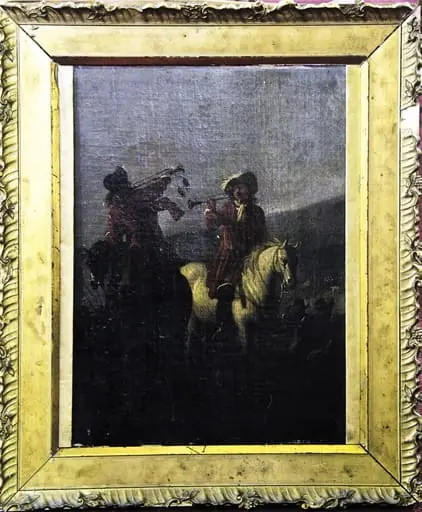 Scenă de luptă
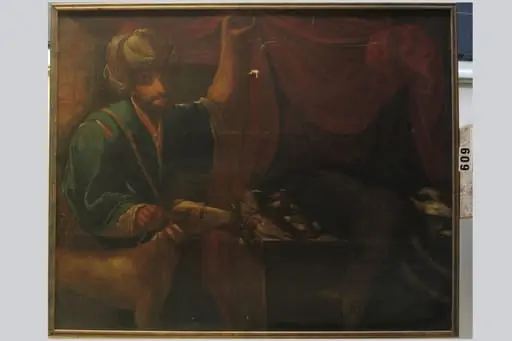 Turc și vânat. Pandant: Negru și vânat (în Reg. Inv.: Maur și vânat)
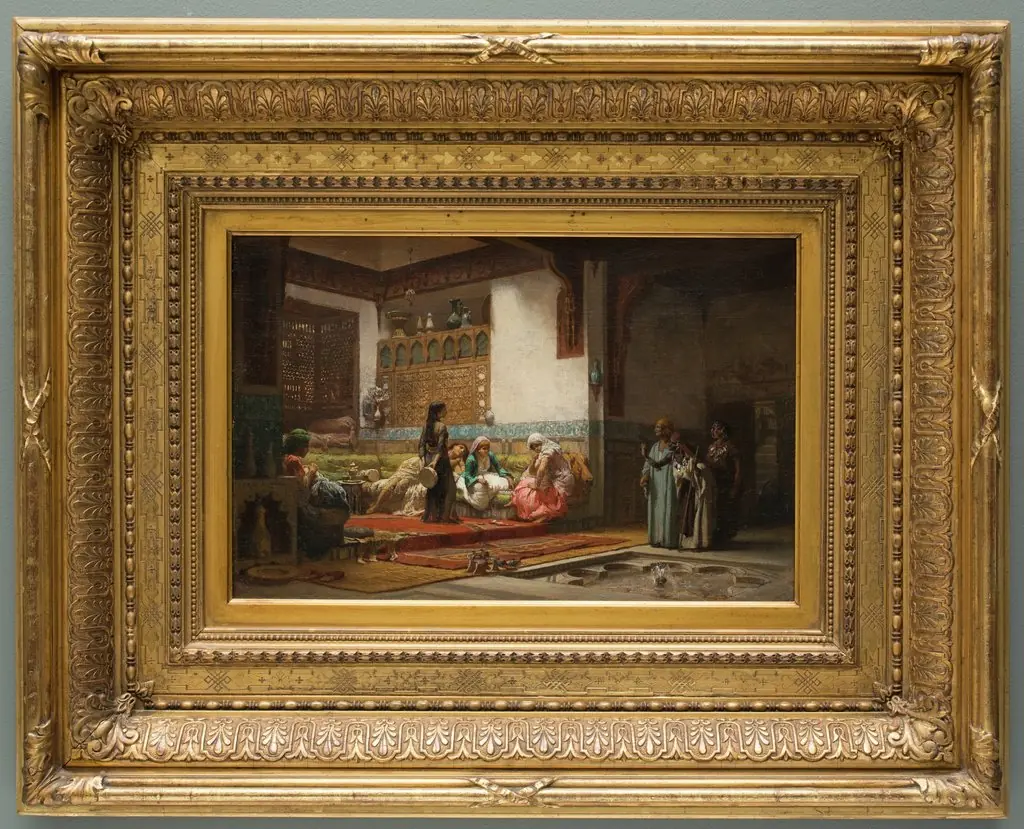 Moorish Interior
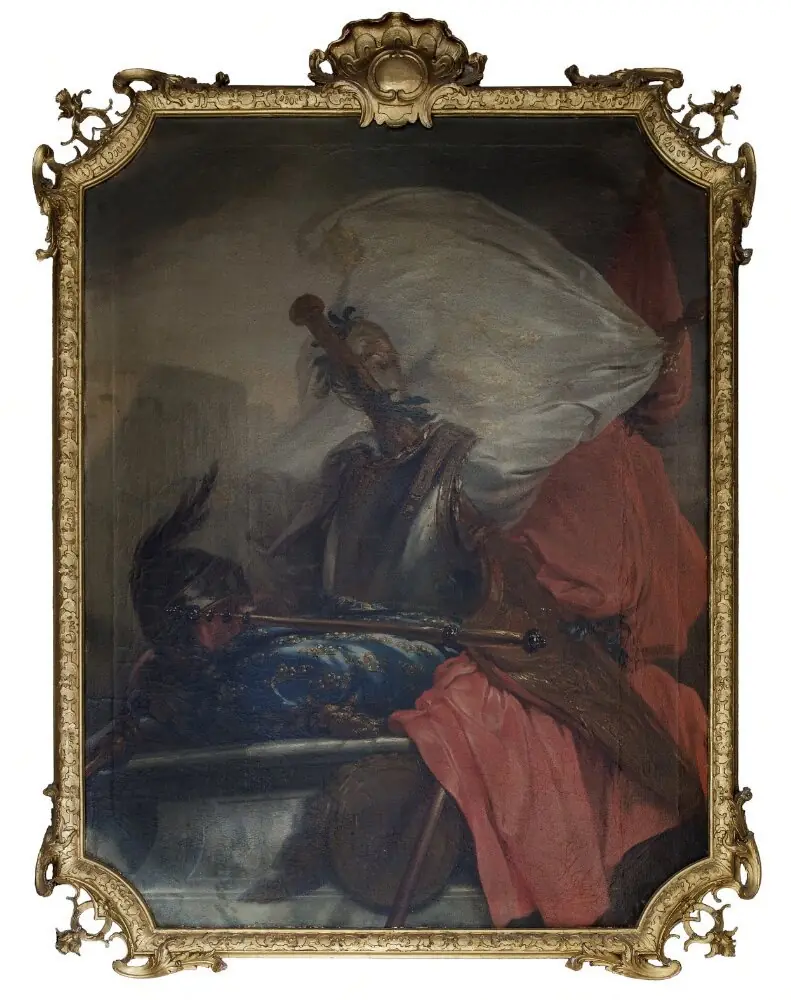 Tatila Civium
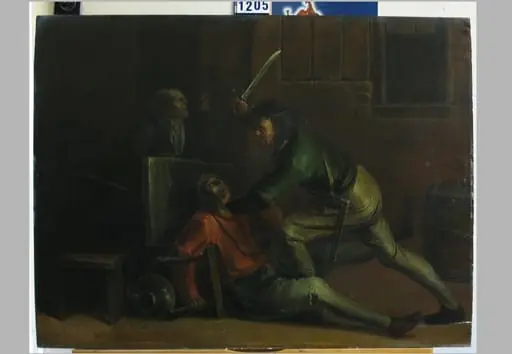 Încăierare între țărani
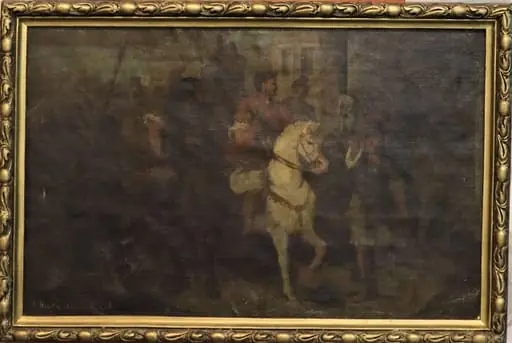 Intrarea lui Traian în Sarmizegetusa
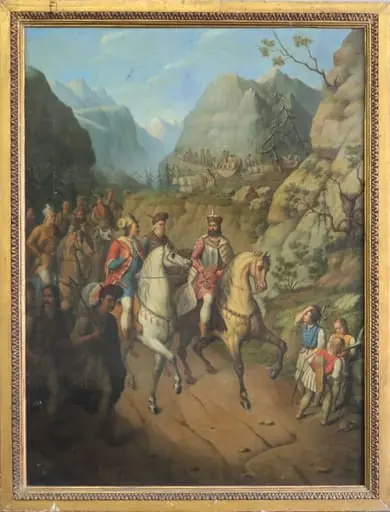 Dragoș Vodă
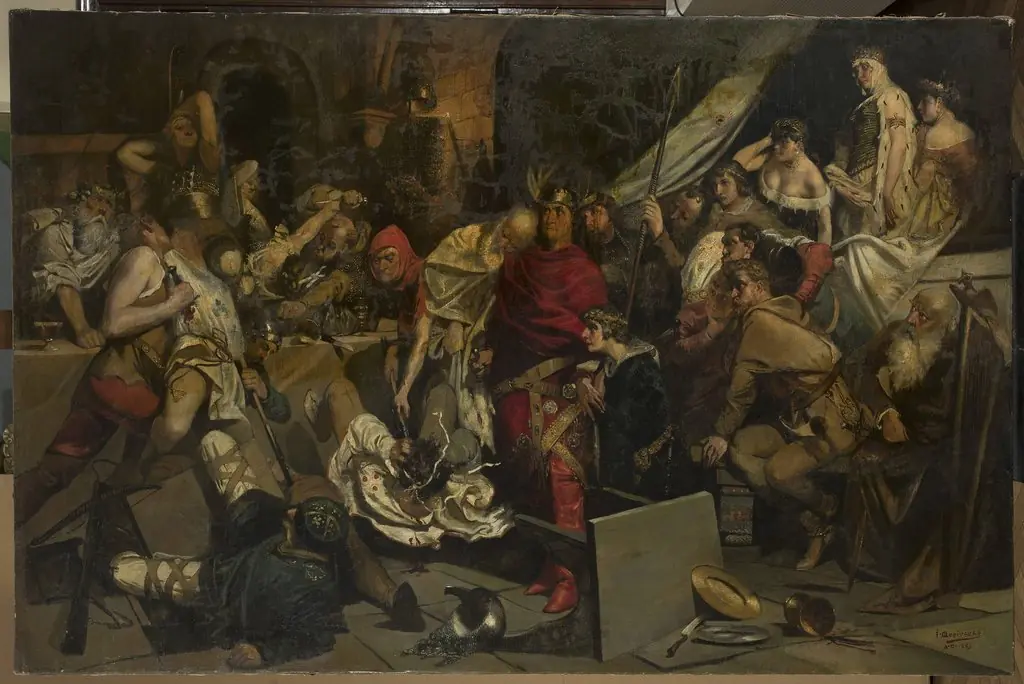 Bloody feast of Count Gero
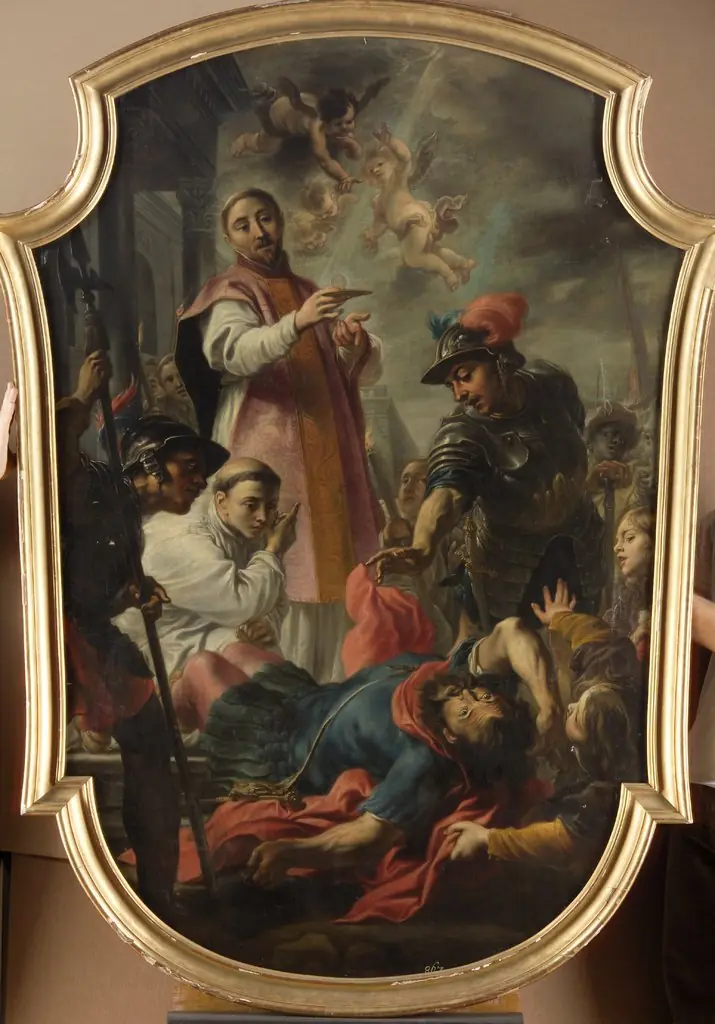 Conversion of St. William of Maleval by St. Bernard of Clairvaux
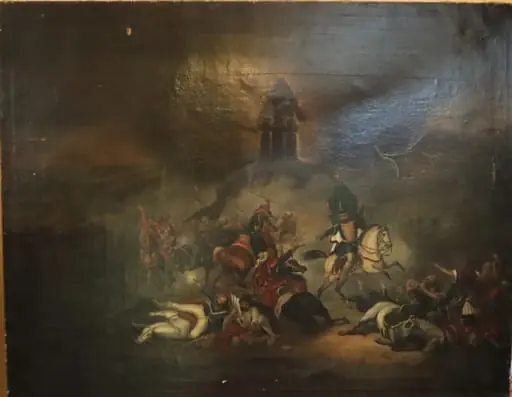 Bătălia de la Călugăreni
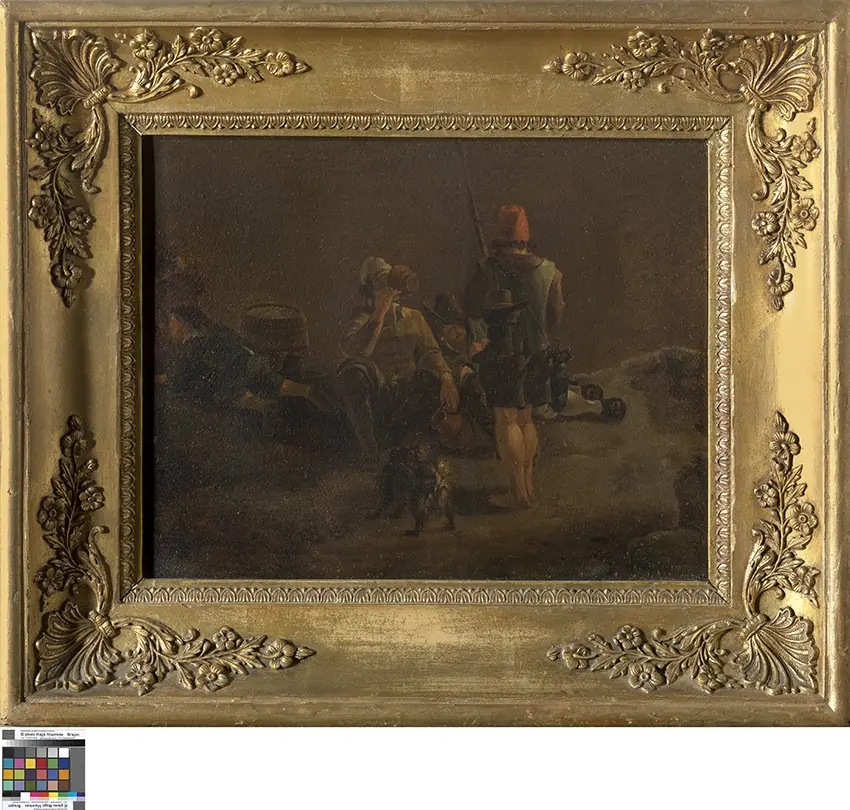 Four Figures
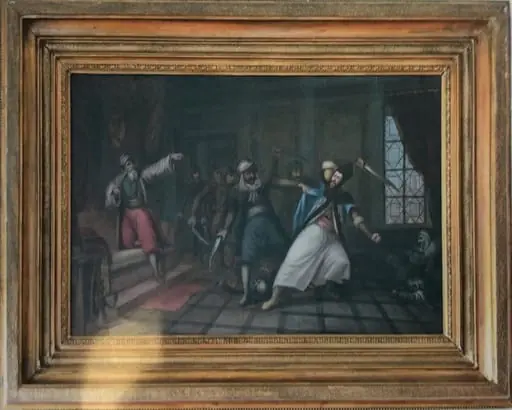 Uciderea lui Grigorie Ghica