Artwork
Reverberations of Taiga, Volume 2 (leaf 23)
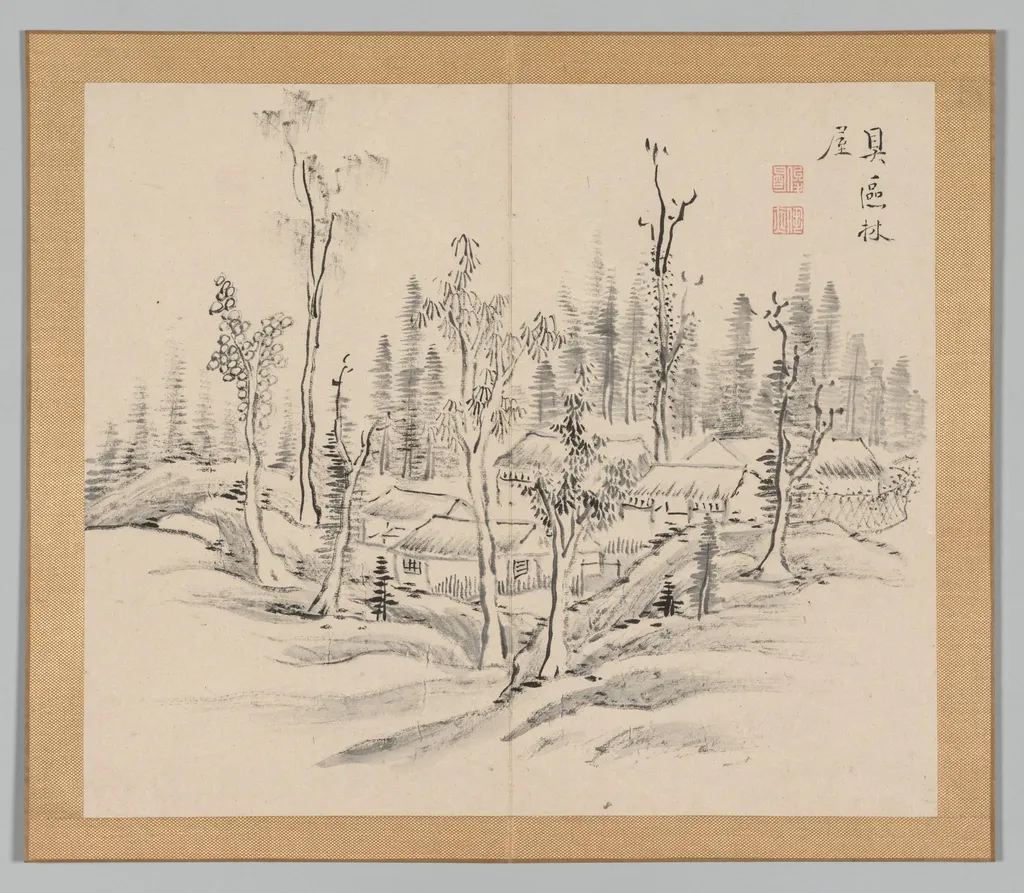
Reverberations of Taiga, Volume 2 (leaf 23) is a work on paper by the Baroque artist Aoki Shukuya. It dates from 1704 and is held in the collection of the Cleveland Museum of Art.
About this work
Overview
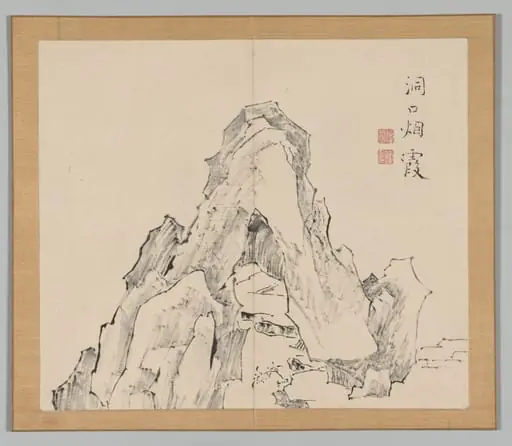
Reverberations of Taiga, Volume 2 (leaf 23) is a Japanese ink painting by Aoki Shukuya, featuring a simple depiction of rocks, trees, and mountains.
Subject & Meaning
The subject matter—natural elements such as rocks, trees, and mountains—serves as a vehicle for demonstrating technical proficiency in ink and brushwork, rather than conveying a specific narrative or emotional depth.
Technique & Style
Notably, Shukuya employs chiaroscuro, an Italian technique of using strong contrasts between light and dark to create a sense of volume, which is unusual in traditional Japanese ink painting. This contrasts with the typical flat, two-dimensional approach often associated with Japanese ink art.
History & Provenance
Created by Aoki Shukuya, a pupil of the renowned Kyoto artist Ikeno Taiga, this work reflects the traditional Japanese apprenticeship model where students copied their master's compositions to learn techniques. The influence of Taiga's style is evident in Shukuya's minimalist yet expressive brushstrokes.
Context
Produced in a period where traditional apprenticeships were the norm in Japanese art, this piece exemplifies the learning process of young artists at the time, blending adherence to a master's style with the beginnings of personal technique.
Legacy
While specific long-term impacts of this individual leaf are not well-documented, it contributes to the broader understanding of how apprenticeship influenced the evolution of Japanese ink painting techniques, including the rare adoption of Western methods like chiaroscuro.
Artist & collection

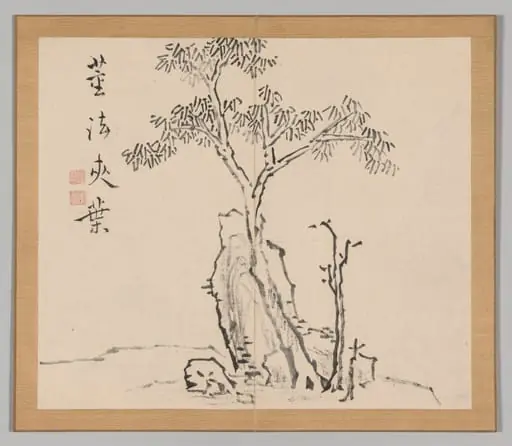 Reverberations of Taiga, Volume 1 (leaf 4)
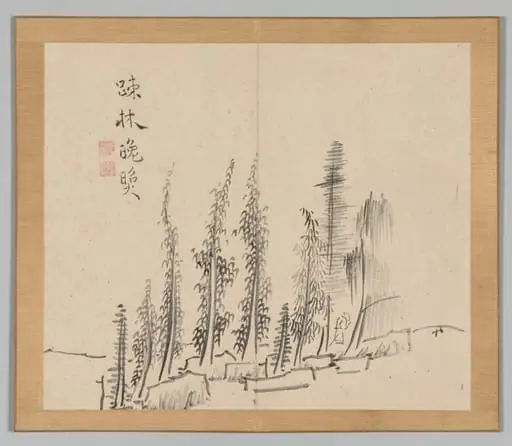 Reverberations of Taiga, Volume 2 (leaf 30)
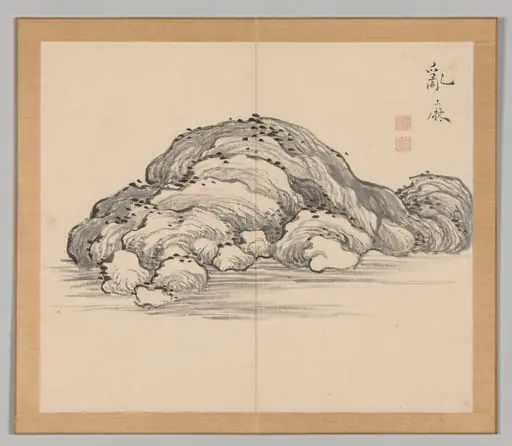 Reverberations of Taiga, Volume 1 (leaf 12)
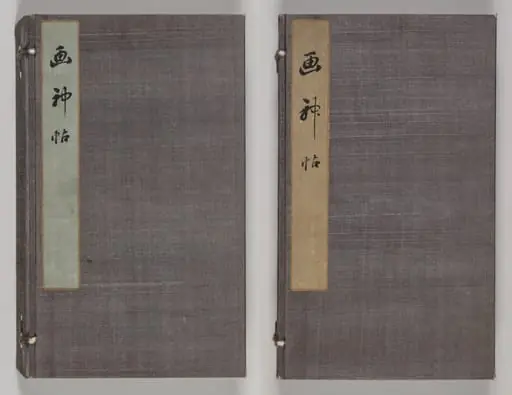 Reverberations of Taiga
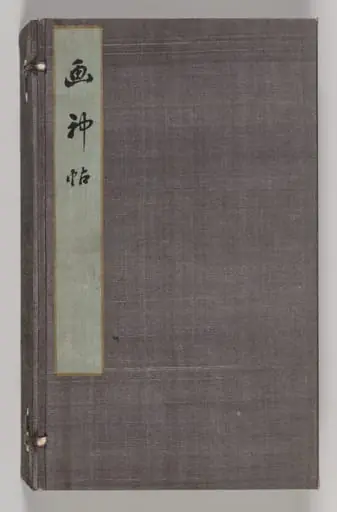 Reverberations of Taiga (Volume 1)
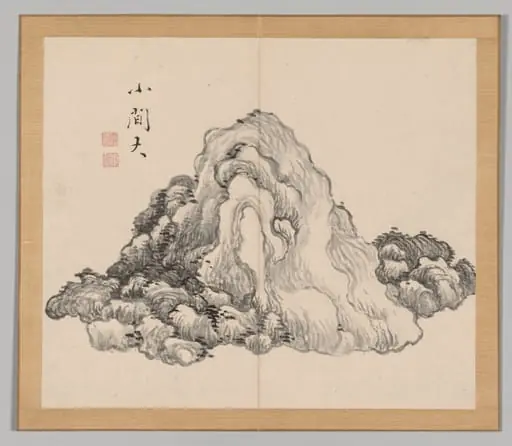 Reverberations of Taiga, Volume 1 (leaf 7)
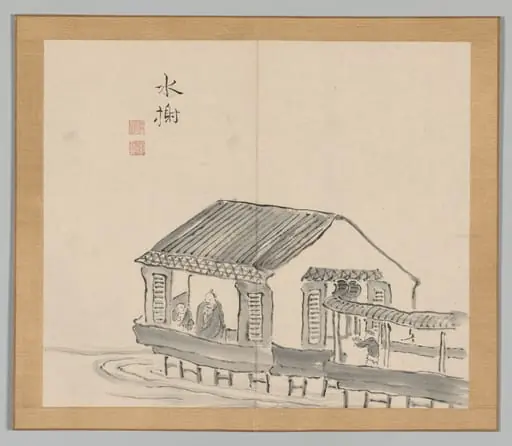 Reverberations of Taiga, Volume 2 (leaf 29)
 Reverberations of Taiga, Volume 2 (leaf 20)
 Reverberations of Taiga, Volume 2 (leaf 22)
 Reverberations of Taiga, Volume 2 (leaf 24)
 Reverberations of Taiga, Volume 2 (leaf 13)
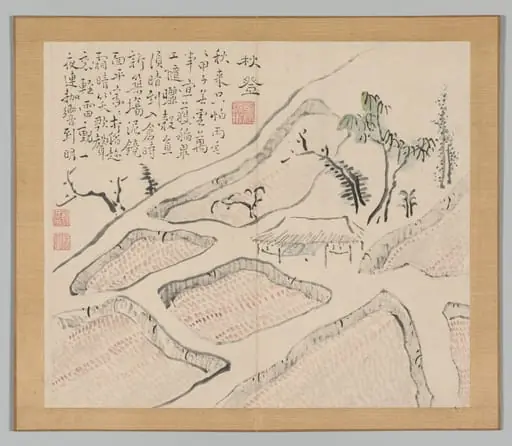 Reverberations of Taiga, Volume 2 (leaf 35)
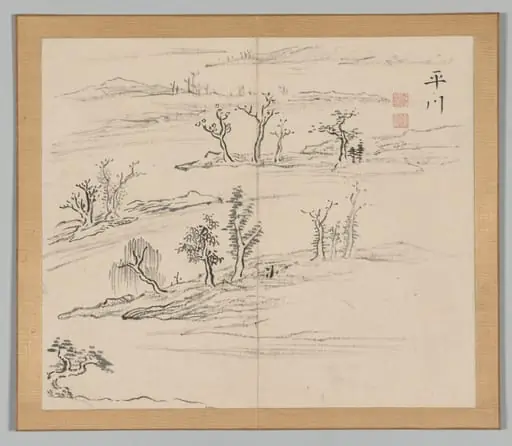 Reverberations of Taiga, Volume 2 (leaf 9)
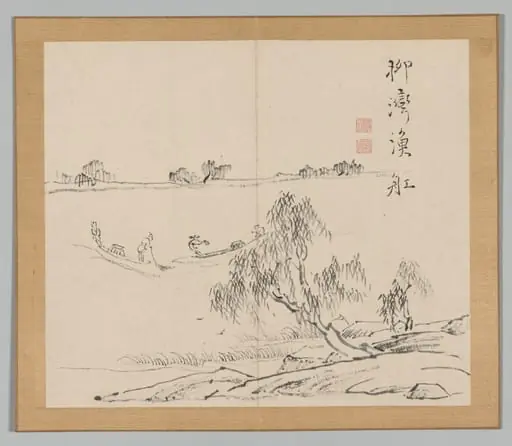 Reverberations of Taiga, Volume 2 (leaf 27)
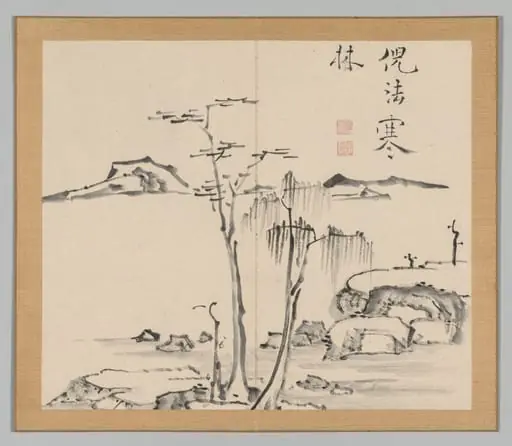 Reverberations of Taiga, Volume 2 (leaf 15)
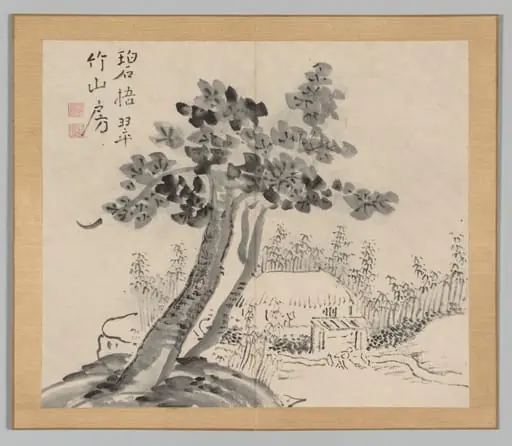 Reverberations of Taiga, Volume 2 (leaf 32)
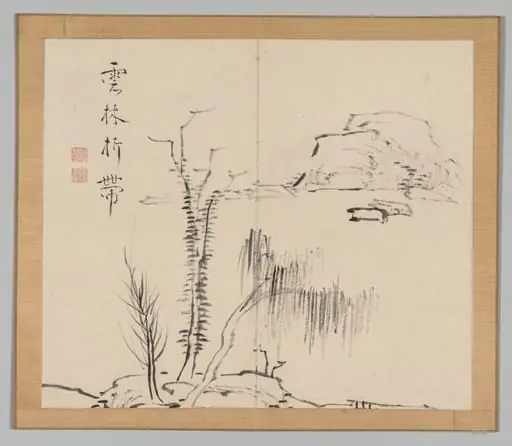 Reverberations of Taiga, Volume 2 (leaf 16)
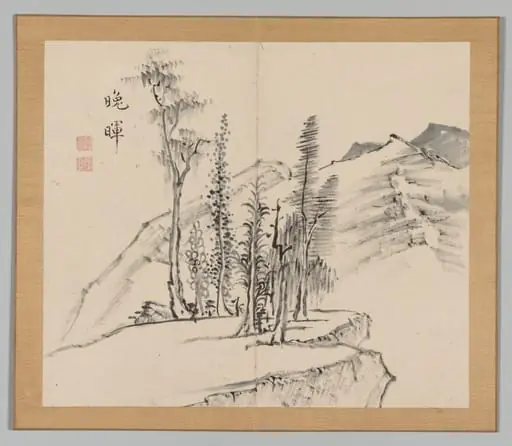 Reverberations of Taiga, Volume 2 (leaf 21)