Artwork
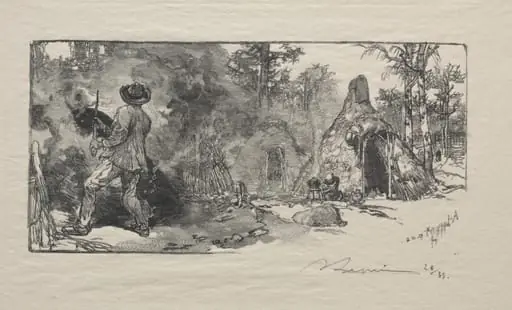
Au Rocher Bernard
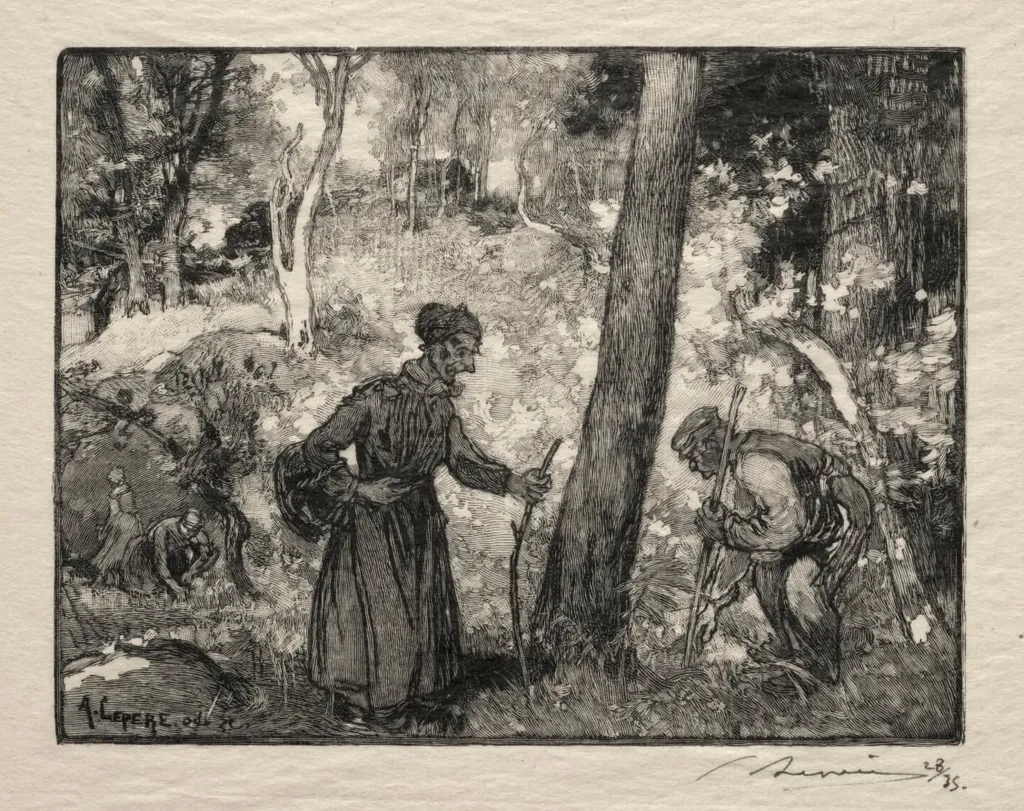
Au Rocher Bernard is a print by the Impressionist artist Auguste Lepère. It dates from 1889 and is held in the collection of the Cleveland Museum of Art.
About this work
Overview
The piece is held in the collection of the Cleveland Museum of Art, reflecting Lepère’s role in elevating printmaking as a serious artistic medium.
Auguste Louis Lepère, a French artist instrumental in the late 19th-century revival of wood engraving, produced *Au Rocher Bernard* in 1889 as a printed work, not a painting. Though often mistaken for a painted scene, it is a hand-printed relief image carved into wood. The piece is held in the collection of the Cleveland Museum of Art, reflecting Lepère’s role in elevating printmaking as a serious artistic medium.
Subject & Meaning
The scene depicts two laborers in a forested landscape: one felling a tree with an axe, the other approaching with a load of firewood. The quiet, unidealized depiction of rural work suggests an appreciation for manual labor and the rhythms of nature. There is no overt narrative or symbolism; instead, the image conveys a sense of quiet endurance and harmony between human effort and the natural environment.
Technique & Style
Lepère employed wood engraving, a technique involving fine lines carved into the end grain of hardwood. His meticulous incisions capture the texture of bark, rock, and foliage with precision. The tonal range is achieved through controlled ink density and line density rather than brushwork, resulting in a crisp, intimate atmosphere. The composition avoids dramatic contrast, favoring subdued gradations that enhance the scene’s stillness.
History & Provenance
Created in 1889, *Au Rocher Bernard* emerged during a period when French artists were reasserting the artistic value of printmaking. Lepère’s work was exhibited in European print societies and collected by institutions seeking to document the revival of traditional techniques. The Cleveland Museum of Art acquired the print as part of its broader commitment to European graphic arts of the late 19th century.
Context
In the late 1800s, wood engraving was being reclaimed from commercial use and repositioned as a fine art form. Lepère, alongside contemporaries like Félix Bracquemond, championed this shift, emphasizing craftsmanship and direct carving. *Au Rocher Bernard* reflects broader cultural interests in rural life and artisanal labor, aligning with movements that valued authenticity over industrial modernity.
Legacy
Lepère’s prints, including this one, helped redefine wood engraving as a medium capable of expressive depth and technical sophistication. His influence extended to later generations of printmakers who adopted his methods. Though less widely known today, his work remains a touchstone in studies of 19th-century print revival and the intersection of labor, landscape, and artistic technique.
Artist & collection
Artist
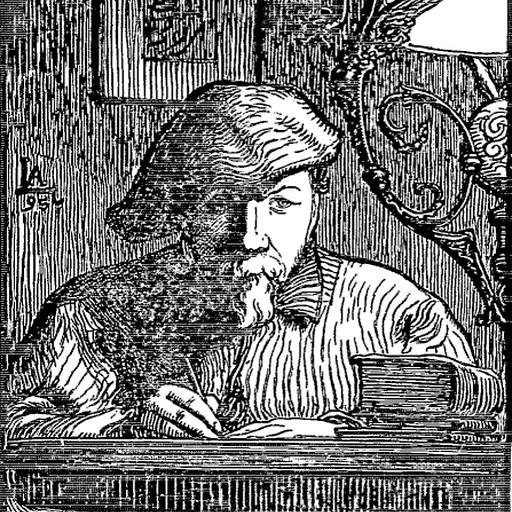
Louis-Auguste Lepère (30 November 1849 – 20 November 1918) was a French painter and etcher. Lepère is also considered a leader in the creative revival of wood engraving in Europe.

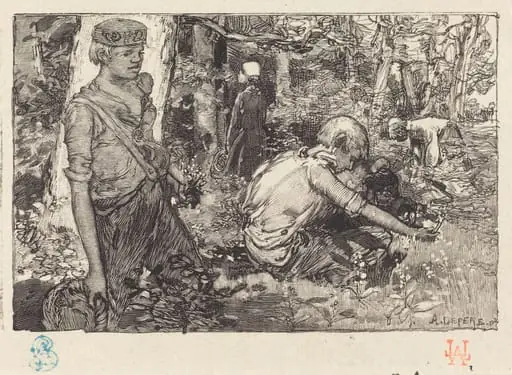 Gathering of May-lily (La cueillette du muguet)
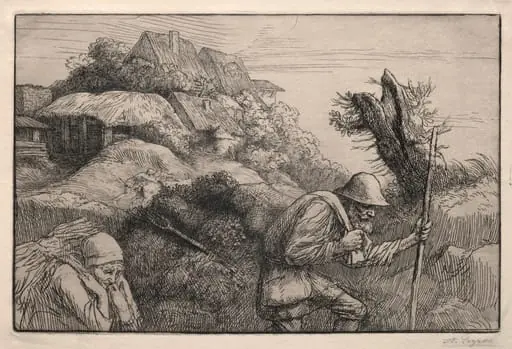 Return from the Woods
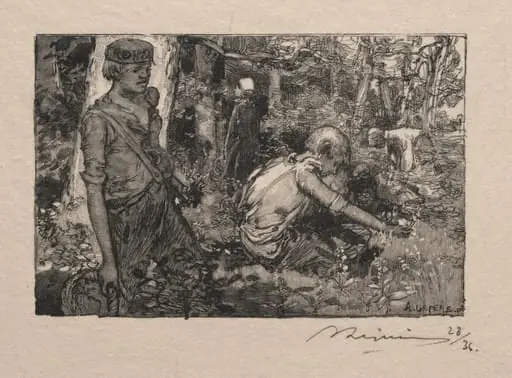 Cueillette du muguet
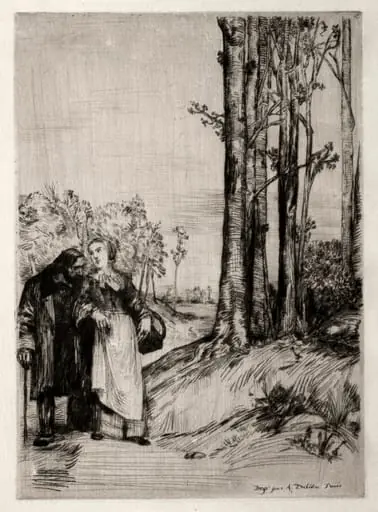 Le Promenade du convalescent
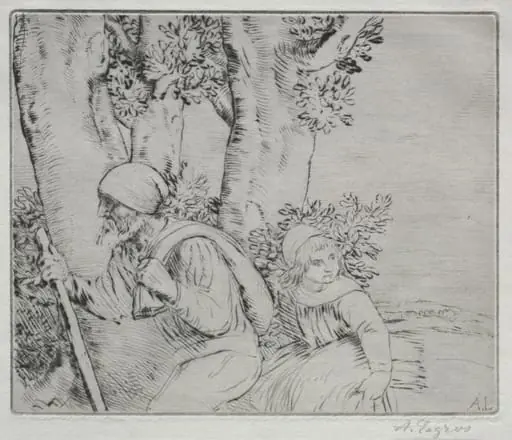 Return from the Field (2nd plate)
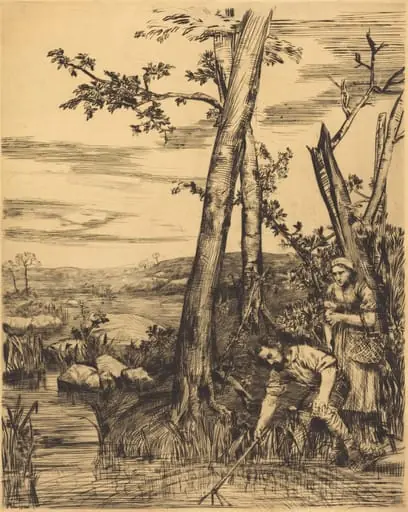 Fishing for Crayfish (Les pecheurs d'ecrevisses)
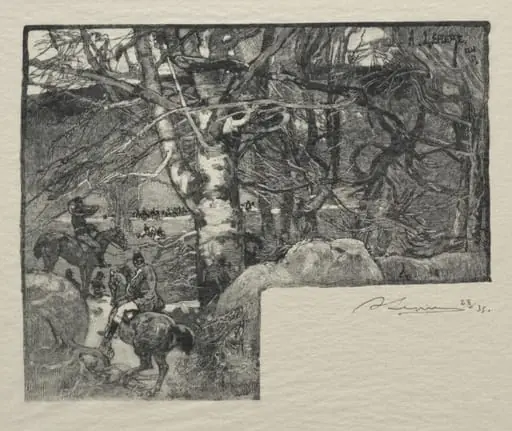 Une chasse à Courre au Mont Gerard
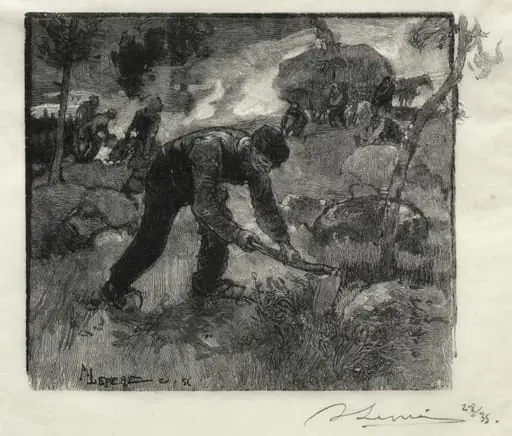 Arracheurs de bruyères
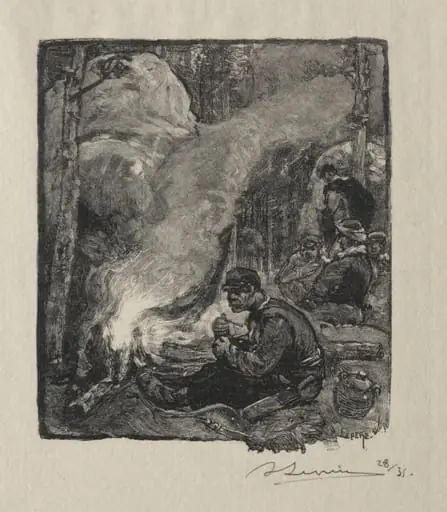 Repas des Bûcherons
 An Old New England Orchard
 Les Charbonniere
 Horse at Midday (Cavallo a meriggio)