Artwork
Les Charbonniere
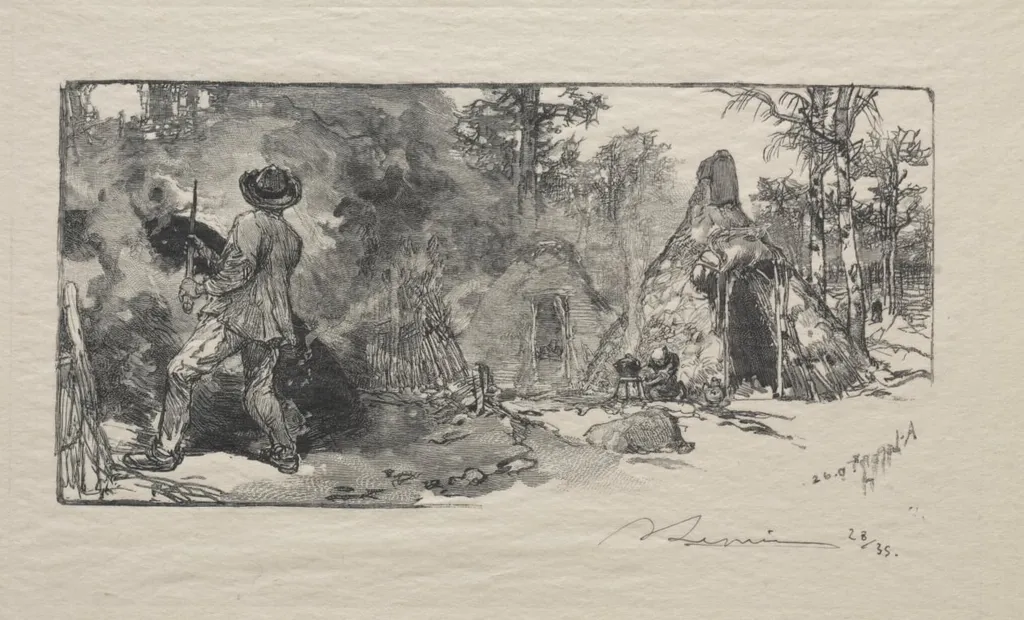
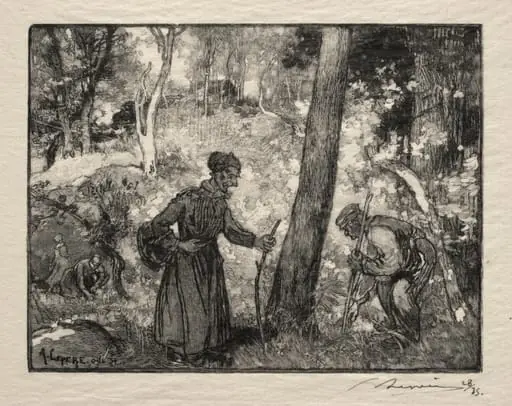
Les Charbonniere is a print by the Impressionist artist Auguste Lepère. It dates from 1887 and is held in the collection of the Cleveland Museum of Art. Auguste Louis Lepère, a French artist pivotal in the 19th-century revival of wood engraving, produced *Les Charbonnières* in 1887.
About this work
Overview
Executed with fine, fluid lines, the work reflects Lepère’s mastery of the woodcut medium and his interest in naturalistic observation.
Auguste Louis Lepère, a French artist pivotal in the 19th-century revival of wood engraving, produced *Les Charbonnières* in 1887. The print captures a quiet, unadorned moment in rural France, emphasizing daily life over dramatic narrative. Executed with fine, fluid lines, the work reflects Lepère’s mastery of the woodcut medium and his interest in naturalistic observation. It resides today in the collection of The Cleveland Museum of Art.
Subject & Meaning
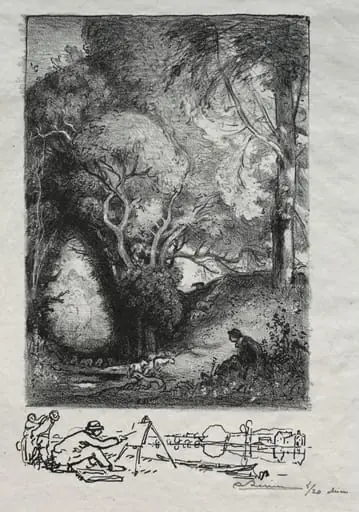
The scene depicts a solitary figure walking away from a small campfire, rifle slung over his shoulder, while two others rest on a log and a dog lies nearby. No grand event is portrayed—only the stillness of a break in labor. The setting, a wooded landscape with rocky outcrops and rising smoke, suggests the quiet routines of charcoal workers. Lepère’s focus on ordinary figures underscores a commitment to truthful, unembellished representation.
Technique & Style
Lepère employed wood engraving with loose, expressive lines and subtle tonal gradations, creating a sense of immediacy. The composition feels spontaneous, as if captured in passing, with minimal detail and an emphasis on atmosphere. The shading is delicate, avoiding heavy contrast, which enhances the quiet mood. This technique aligns with the aesthetic of sketch-like realism, prioritizing mood over precision.
History & Provenance
Created in 1887, *Les Charbonnières* emerged during a period of renewed interest in wood engraving as a fine art form in Europe. Lepère was among its leading proponents, elevating the medium beyond illustration. The print entered the Cleveland Museum of Art’s collection through documented acquisition, preserving its place in the history of printmaking revival. Its provenance reflects scholarly recognition of Lepère’s contribution to the genre.
Context
In late 19th-century France, artists increasingly turned to scenes of working-class life, rejecting idealized subjects in favor of authenticity. Lepère’s work aligns with Realist traditions, echoing the interests of contemporaries like Millet and Daumier. His choice to depict charcoal workers—figures often overlooked—reflects a broader cultural shift toward documenting the dignity of labor in rural settings.
Legacy
Lepère’s prints, including *Les Charbonnières*, helped reestablish wood engraving as a legitimate medium for artistic expression in Europe. His emphasis on everyday subjects and sensitive technique influenced later printmakers seeking to merge craftsmanship with observational truth. Though not widely known today, his work remains a quiet testament to the value of humble, unheroic moments in art.
Artist & collection
Artist
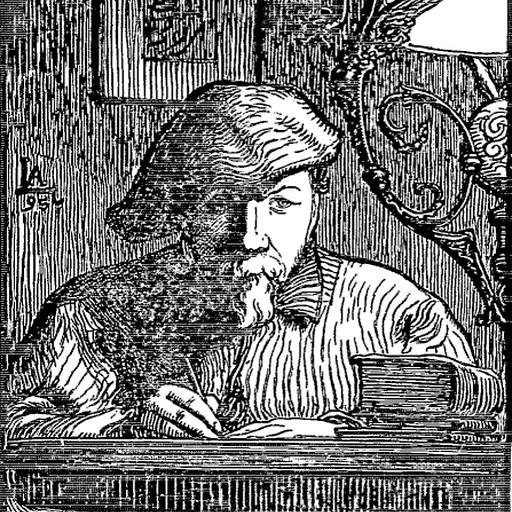
Louis-Auguste Lepère (30 November 1849 – 20 November 1918) was a French painter and etcher. Lepère is also considered a leader in the creative revival of wood engraving in Europe.

 The Cottage
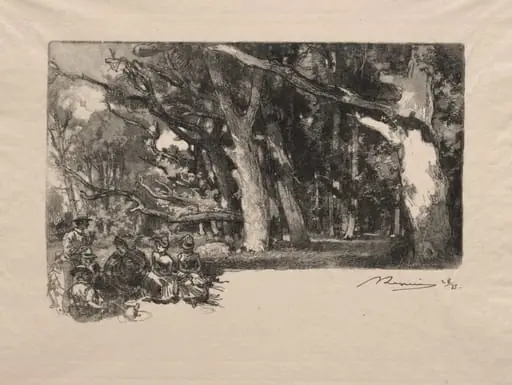 Midi sous bois
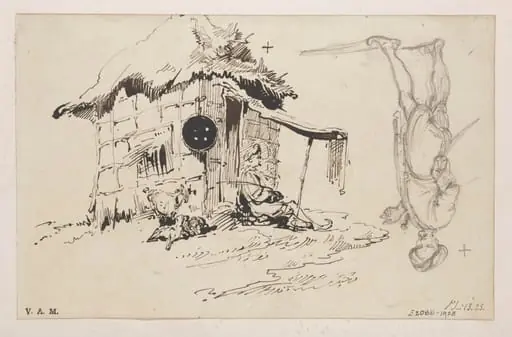 A chowkidar, or village watchman, by his hut
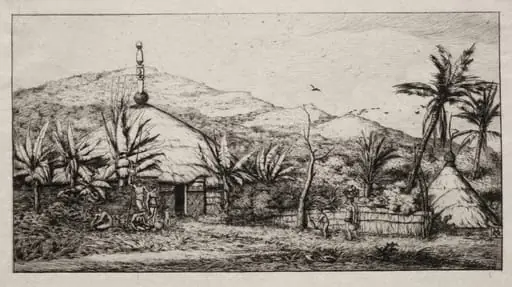 New Caledonia: Large Native Hut on the Road from Balade to Puebo, 1845
 La Ravine en juin
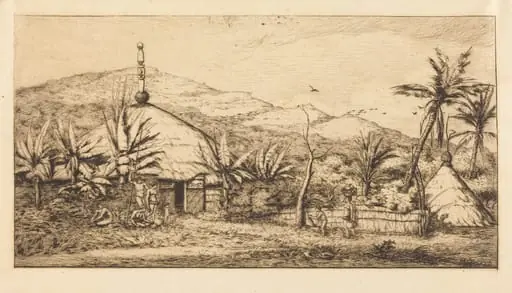 Nouvelle-Calédonie: Grande case indigène sur le chemin de Ballade à Poepo, 1845 (New Caledonia: Large Native Hut on the Road from Balade to Puebo, 1845)
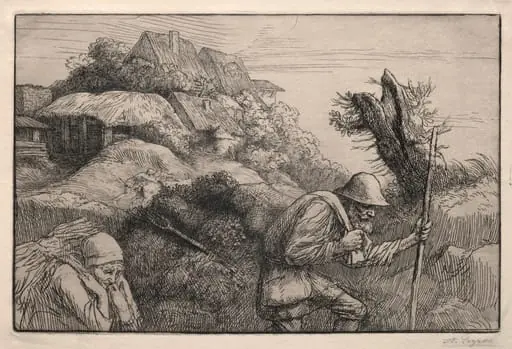 Return from the Woods
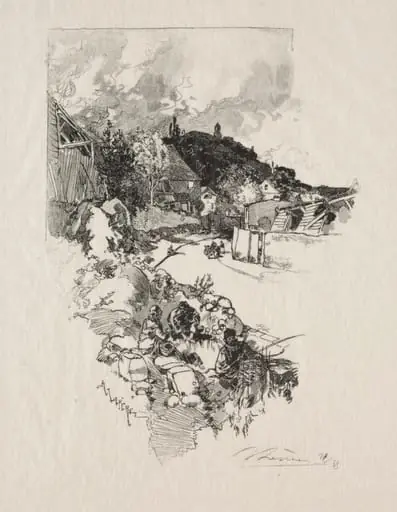 Route de Versailles
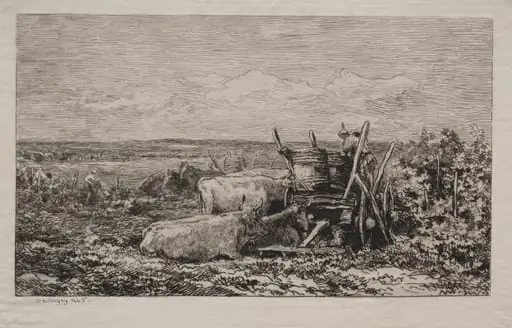 The Grape Harvest
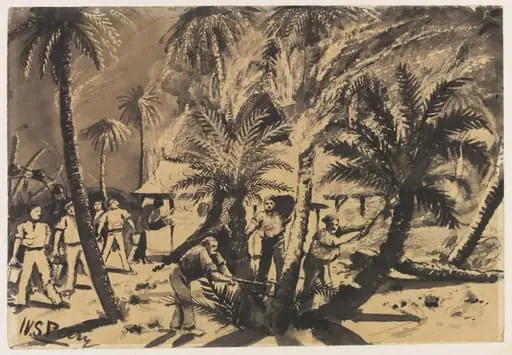 The Heavies Camp on fire at Hafir April 1885
 Au Rocher Bernard
 Cueillette du muguet