Artwork
Rouen Illustré: Eglise Saint Ouen
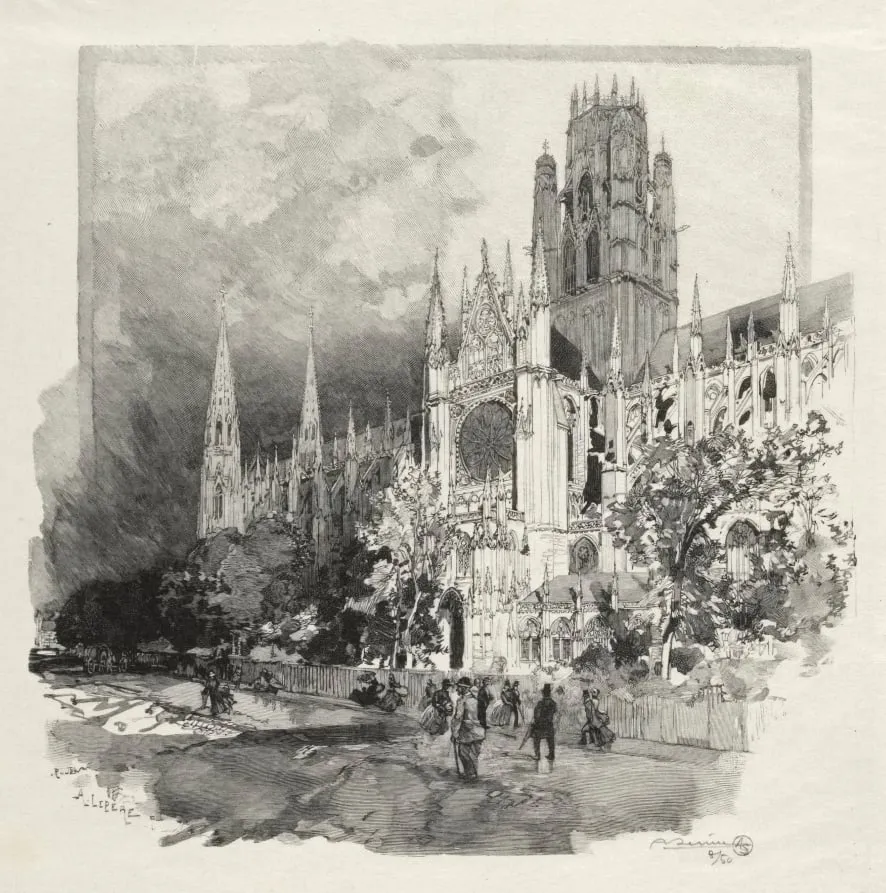
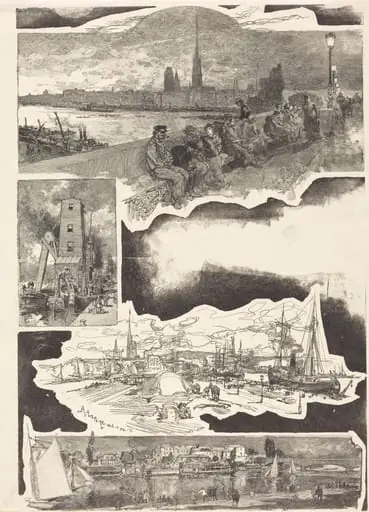
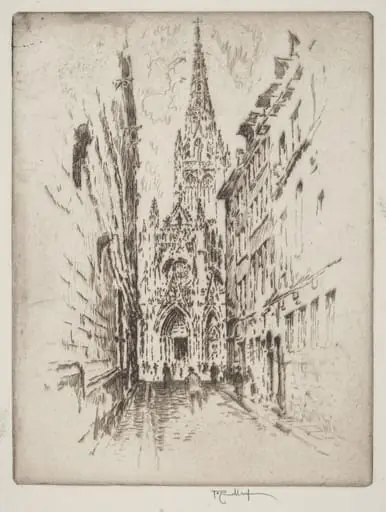
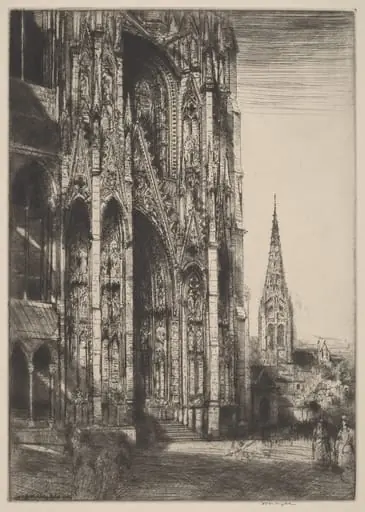
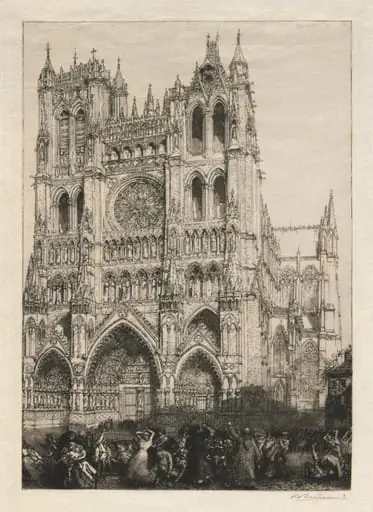
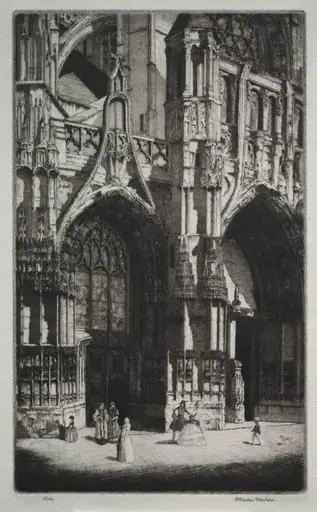
Rouen Illustré: Eglise Saint Ouen is a print by the Impressionist artist Auguste Lepère. It dates from 1896 and is held in the collection of the Cleveland Museum of Art. Created in 1896 by Auguste Louis Lepère, this wood engraving captures the façade of Église Saint-Ouen in Rouen, France.
About this work
Overview
Lepère, a key figure in the revival of wood engraving as a fine art medium, rendered the scene with meticulous line work.
Created in 1896 by Auguste Louis Lepère, this wood engraving captures the façade of Église Saint-Ouen in Rouen, France. Lepère, a key figure in the revival of wood engraving as a fine art medium, rendered the scene with meticulous line work. The print is part of the collection at The Cleveland Museum of Art, reflecting late 19th-century European interest in architectural documentation through printmaking.
Subject & Meaning
The image presents the Gothic cathedral of Saint-Ouen, a symbol of religious and civic identity in Rouen. Figures along the path suggest everyday life surrounding the sacred structure, grounding the monument in human activity. The inclusion of umbrellas and trees implies a transient, weather-worn moment, emphasizing the church’s enduring presence amid the rhythms of daily existence.
Technique & Style
Lepère employed fine, controlled lines to articulate the intricate stonework of the church, the texture of clothing, and the density of foliage. The wood engraving technique allowed for sharp contrasts and delicate detail, characteristic of the revival movement he helped lead. The cloudy sky and shallow foreground create a quiet, atmospheric depth without relying on tonal gradients.
History & Provenance
The print was produced during a period when French artists sought to elevate printmaking beyond reproduction. Lepère’s work was widely exhibited and collected, and this piece entered The Cleveland Museum of Art’s holdings through documented acquisitions in the early 20th century. Its preservation reflects institutional recognition of printmaking as a legitimate artistic medium.
Context
In the 1890s, French artists turned to historical architecture as subjects, responding to industrialization and urban change. Wood engraving, once used for illustration, was reimagined as a fine art form. Lepère’s focus on Saint-Ouen aligns with broader cultural efforts to document and preserve regional heritage through precise, handcrafted imagery.
Legacy
Lepère’s approach influenced subsequent generations of printmakers who valued technical precision and intimate observation. His work contributed to the reestablishment of wood engraving in European art circles, moving it away from commercial use toward artistic expression. This print remains a reference point for studies of late 19th-century print revival and architectural representation.
Artist & collection
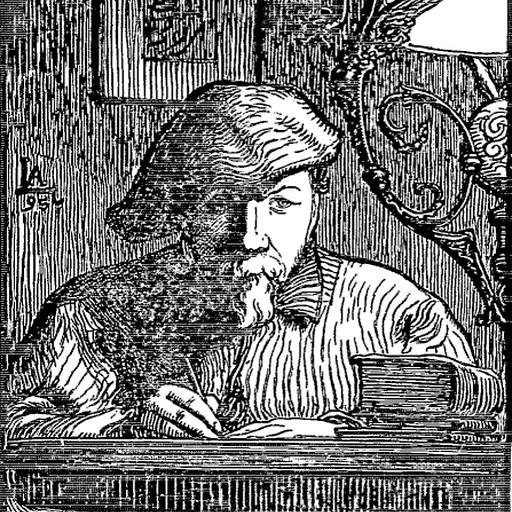
Artist
Louis-Auguste Lepère (30 November 1849 – 20 November 1918) was a French painter and etcher. Lepère is also considered a leader in the creative revival of wood engraving in Europe.