Artwork
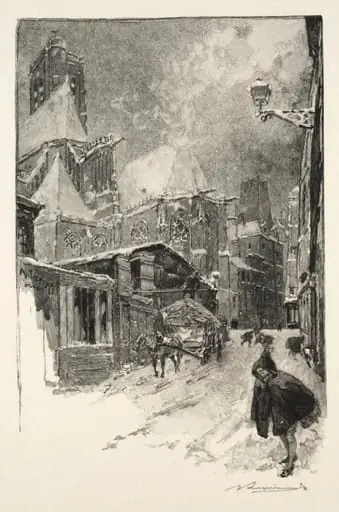
Rouen Illustré: Saint Etienne des Tonneliers
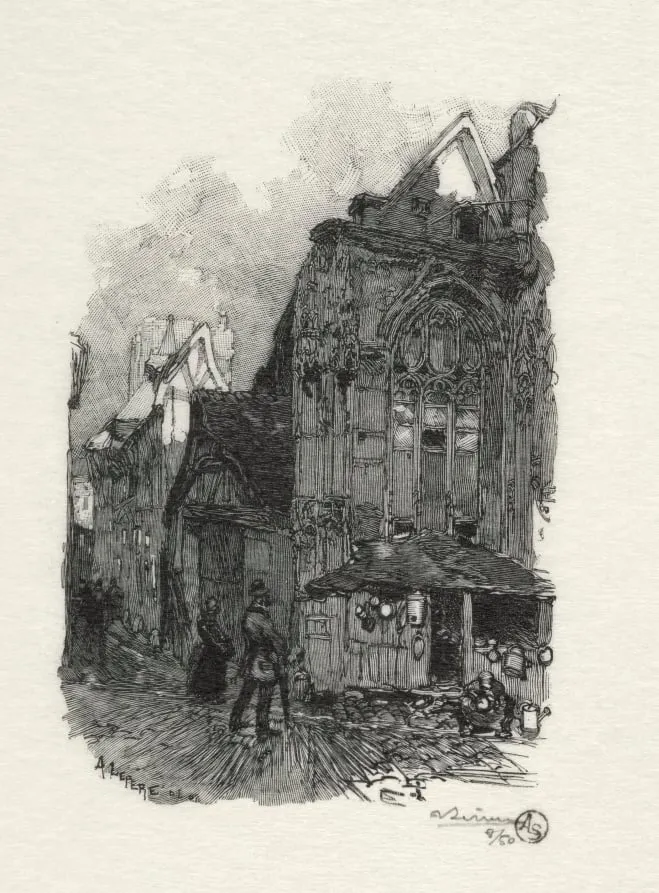
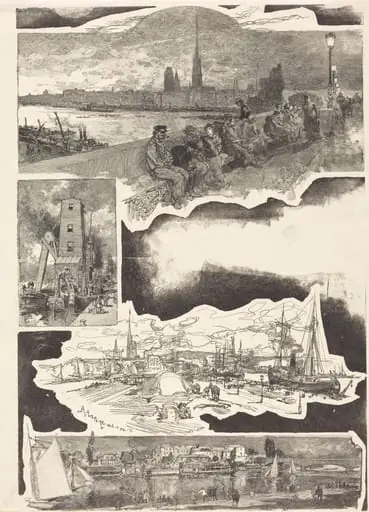
Rouen Illustré: Saint Etienne des Tonneliers is a print by the Impressionist artist Auguste Lepère. It dates from 1896 and is held in the collection of the Cleveland Museum of Art.
About this work
Overview
The print is held in the collection of The Cleveland Museum of Art.
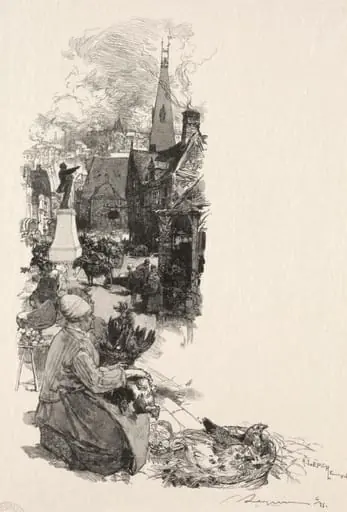
Created in 1896 by Auguste Louis Lepère, this wood engraving is part of the series Rouen Illustré, which documented architectural landmarks in the Normandy city. Lepère, a key figure in the late 19th-century revival of wood engraving as a fine art medium, used fine linear carving to capture the texture and structure of Saint Étienne des Tonneliers. The print is held in the collection of The Cleveland Museum of Art.
Subject & Meaning
The engraving portrays the church of Saint Étienne des Tonneliers, a historic building in Rouen associated with barrel-makers’ guilds. The scene includes pedestrians and onlookers, suggesting the church’s role as both spiritual and civic center. Lepère’s focus on the architecture and its interaction with daily life reflects an interest in documenting urban heritage rather than idealizing it.
Technique & Style
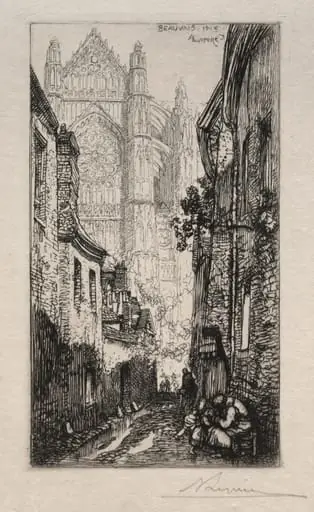
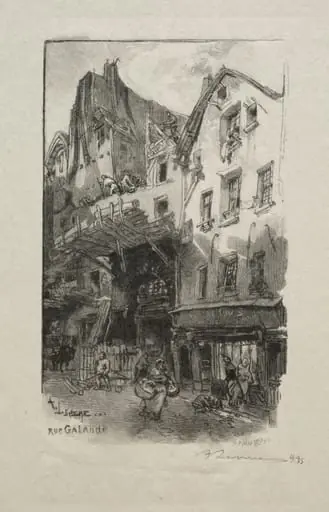
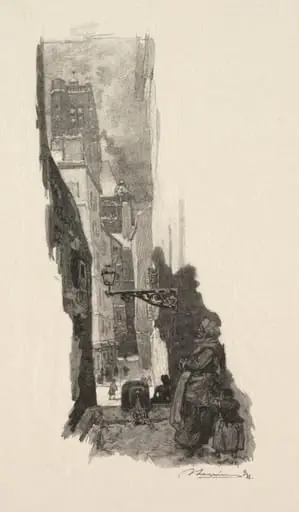
Lepère employed meticulous wood engraving techniques, carving fine lines into a hardwood block to produce intricate tonal gradations. The contrast between light and shadow emphasizes stone surfaces, carvings, and the play of natural light. The detailed rendering of figures and architecture aligns with realist traditions, while the precision of line work recalls the discipline of traditional printmaking over painterly effects.
History & Provenance
The print was produced as part of a broader project to record Rouen’s architectural character during a period of urban change. Lepère’s series was widely circulated among collectors and institutions interested in regional heritage. The Cleveland Museum of Art acquired the work as part of its growing collection of European prints, recognizing its significance in the revival of the wood engraving medium.
Context
In the 1890s, French artists and publishers sought to elevate printmaking beyond reproduction, embracing wood engraving as an expressive form. Lepère’s work aligned with this movement, paralleling efforts by contemporaries to document regional identity amid industrialization. His focus on vernacular architecture offered an alternative to grand historical narratives favored in academic art.
Legacy
Lepère’s contributions helped reestablish wood engraving as a respected artistic medium in Europe. His Rouen Illustré series remains a valuable visual record of late 19th-century French urban landscapes. The technical precision and observational depth of this print continue to inform studies of printmaking history and regional architectural documentation.
Artist & collection
Artist
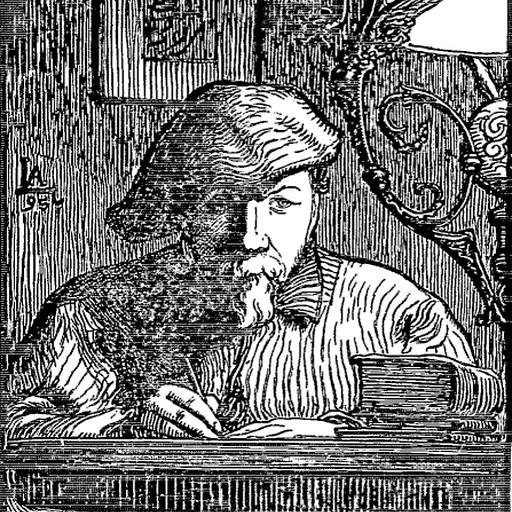
Louis-Auguste Lepère (30 November 1849 – 20 November 1918) was a French painter and etcher. Lepère is also considered a leader in the creative revival of wood engraving in Europe.