Artwork
The Mine
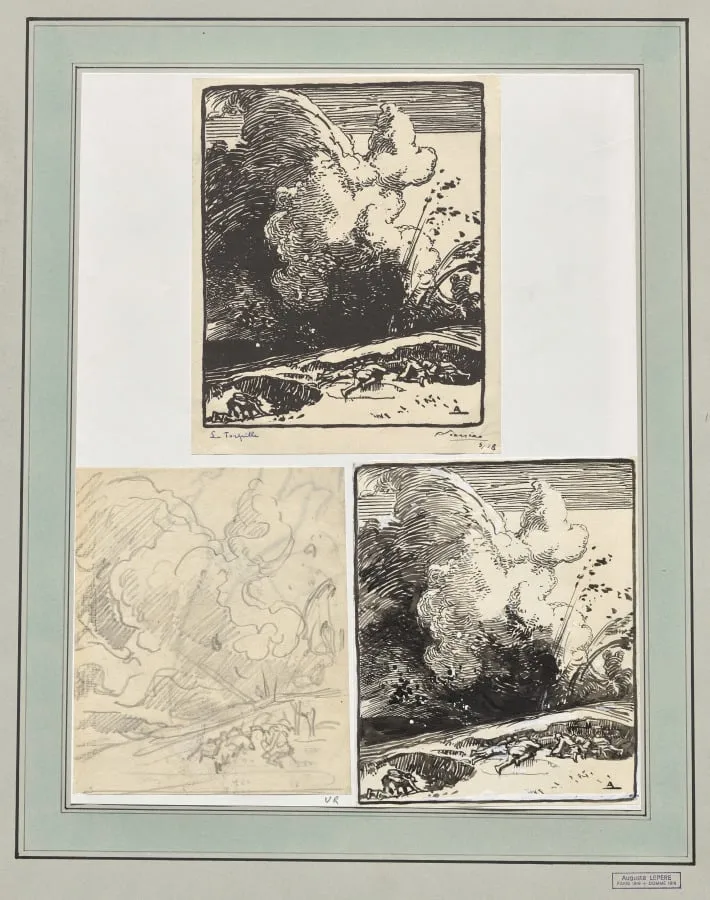
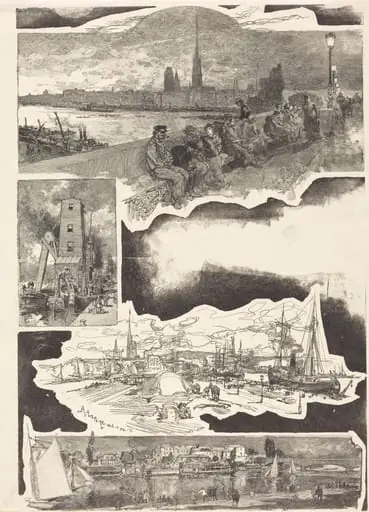
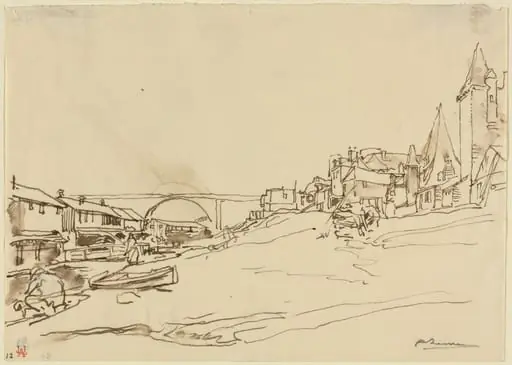
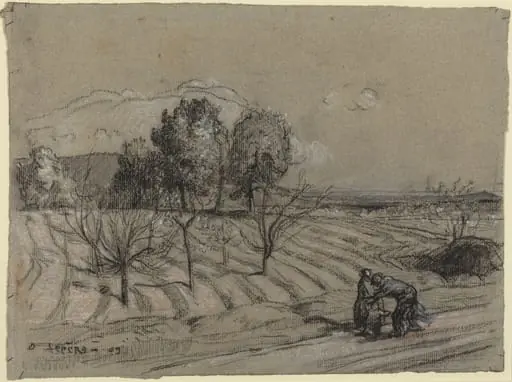
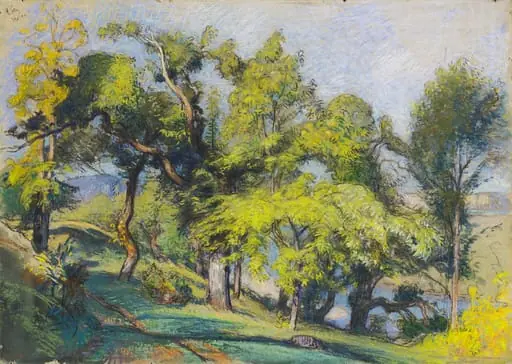
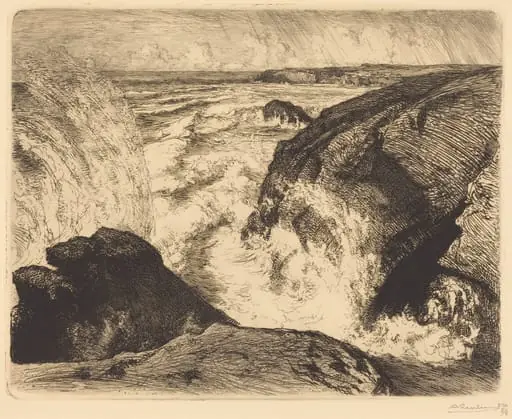
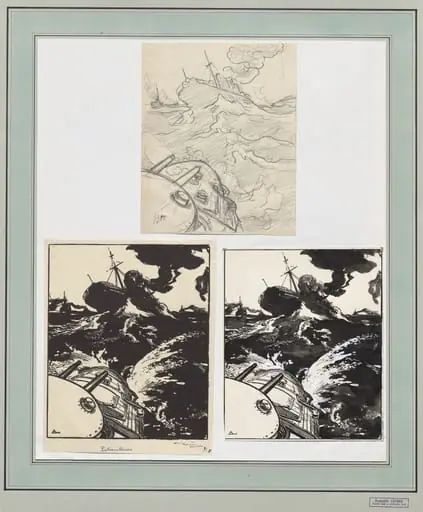
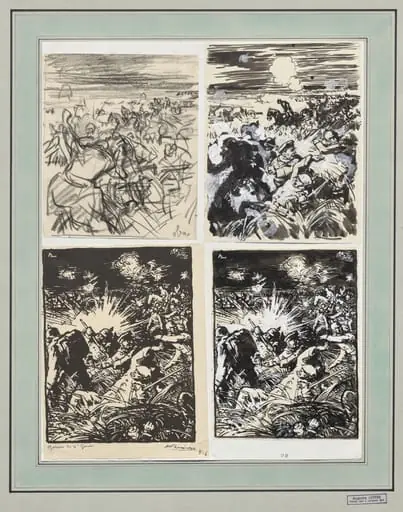
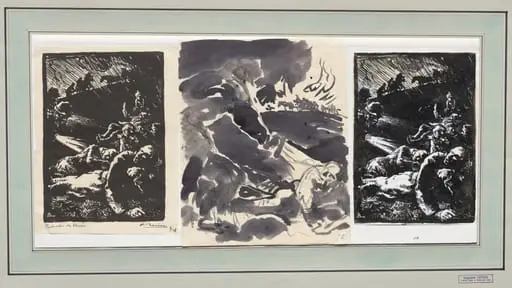
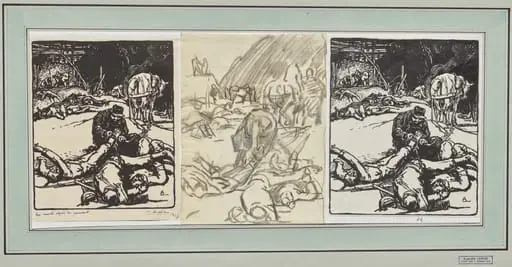
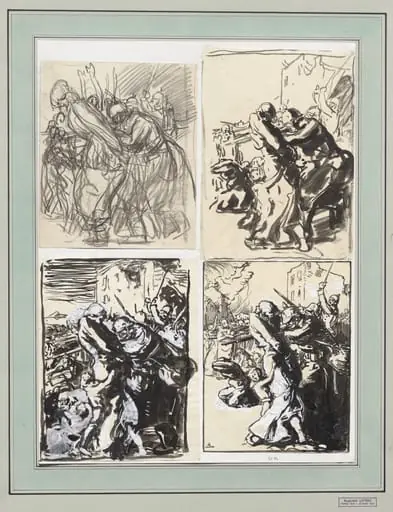
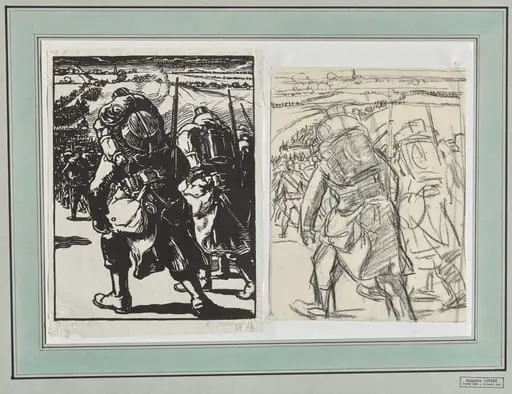
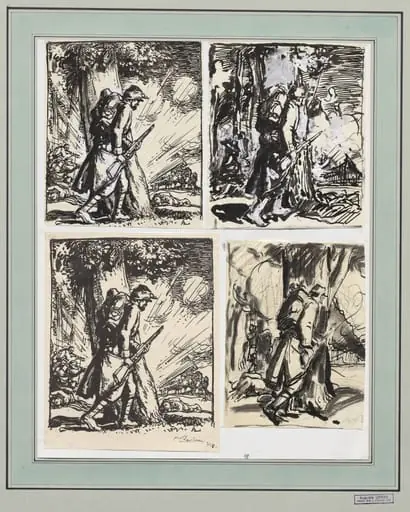
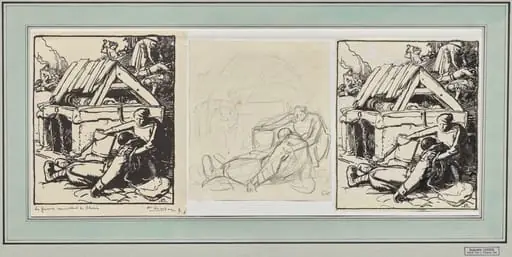
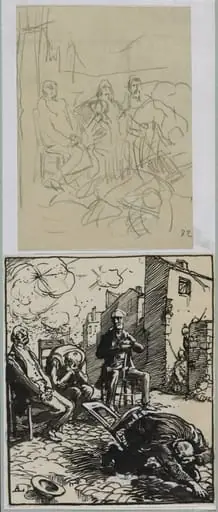
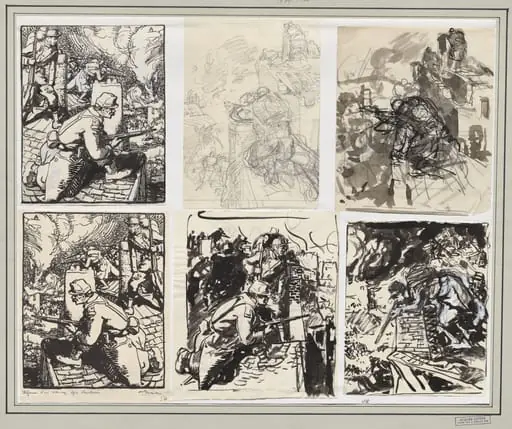
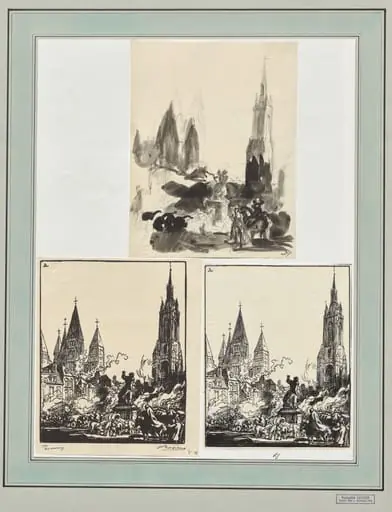
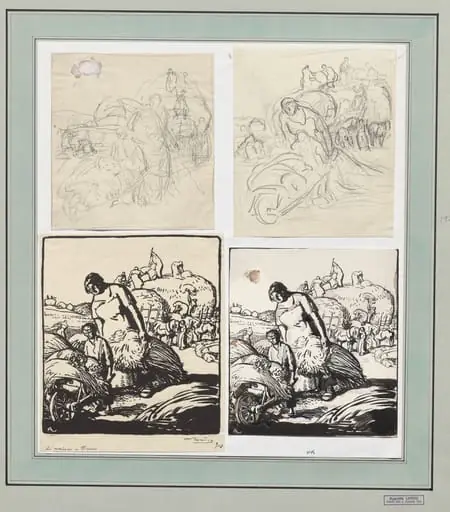
The Mine is a drawing by Auguste Lepère. It is held in the collection of the Cleveland Museum of Art.
About this work
Overview
The work is held in the collection of the Cleveland Museum of Art and reflects Lepère’s interest in the expressive potential of black-and-white tonal contrast.
Created around 1919 by French artist Auguste Louis Lepère, *The Mine* is a wood engraving that exemplifies his dedication to reviving traditional printmaking methods. The work is held in the collection of the Cleveland Museum of Art and reflects Lepère’s interest in the expressive potential of black-and-white tonal contrast. Its dramatic composition and textured surface distinguish it as a significant example of early 20th-century graphic art.
Subject & Meaning
The image depicts a solitary figure emerging from a deep, irregular pit in a rugged landscape. The figure’s small scale emphasizes isolation and vulnerability against the overwhelming terrain. The chaotic, almost violent rendering of earth and sky suggests a struggle between human presence and natural forces, evoking themes of labor, endurance, and the psychological weight of the subterranean world.
Technique & Style
Lepère employed wood engraving to achieve sharp contrasts between deep blacks and stark whites. His use of bold, gestural lines creates texture rather than precise detail, with swirling strokes suggesting wind and movement in the sky and heavy, fractured marks defining the earth. The technique prioritizes emotional impact over realism, using chiaroscuro to heighten the scene’s tension and depth.
History & Provenance
The work was produced during a period when Lepère was actively promoting wood engraving as a fine art medium in Europe. It entered the collection of the Cleveland Museum of Art in the 20th century, where it remains as part of its holdings of modern graphic works. Its provenance reflects broader institutional interest in printmaking’s resurgence during the early 1900s.
Context
In the aftermath of World War I, many artists turned to introspective, emotionally charged imagery. Lepère’s focus on labor and nature aligns with broader European concerns about industrialization’s toll and humanity’s place within a fractured landscape. His choice of wood engraving—a medium associated with craftsmanship and repetition—resonated with contemporary reflections on labor and materiality.
Legacy
Lepère’s *The Mine* contributes to the recognition of wood engraving as a vehicle for modern expression, not merely reproduction. Its emphasis on texture and mood influenced later printmakers seeking to move beyond illustration into personal, atmospheric storytelling. The work endures as a quiet but potent example of how traditional techniques could convey contemporary unease.
Artist & collection
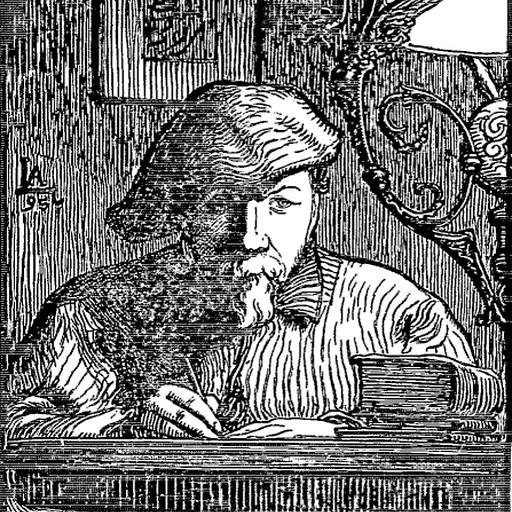
Artist
Louis-Auguste Lepère (30 November 1849 – 20 November 1918) was a French painter and etcher. Lepère is also considered a leader in the creative revival of wood engraving in Europe.