Artwork
Un Cul-de-lampe
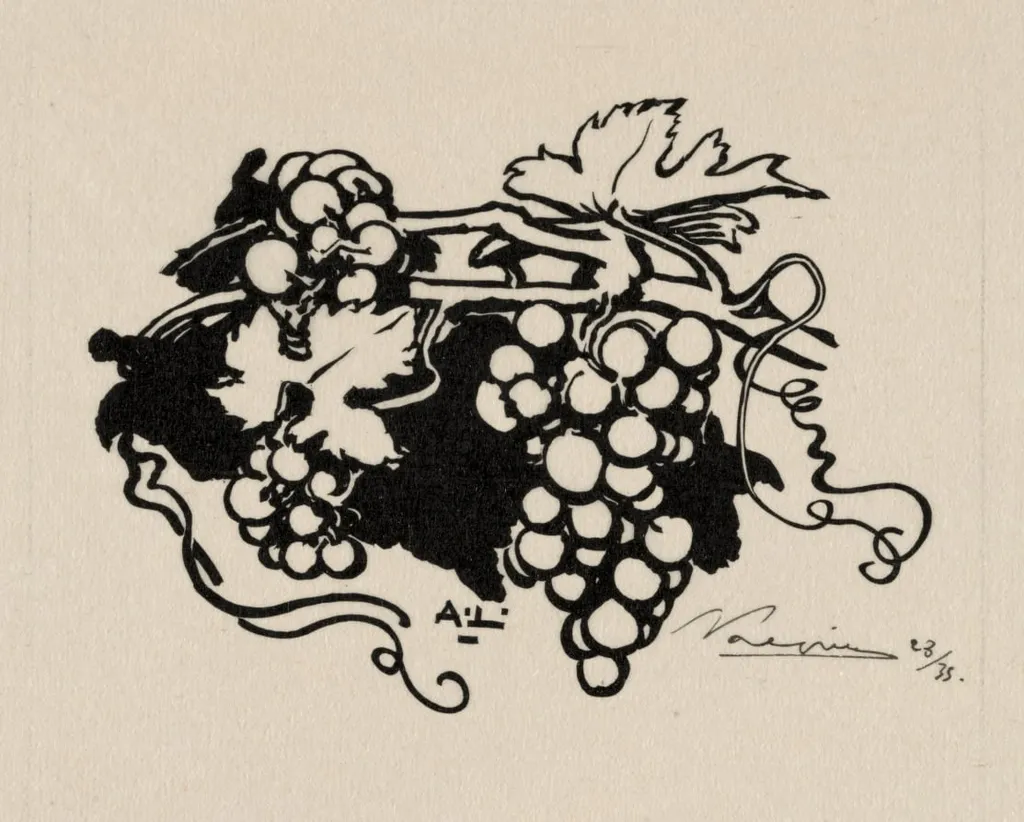
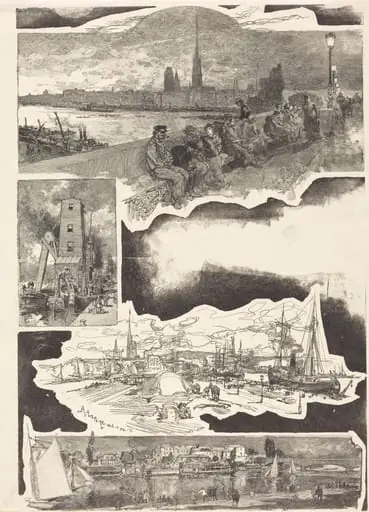
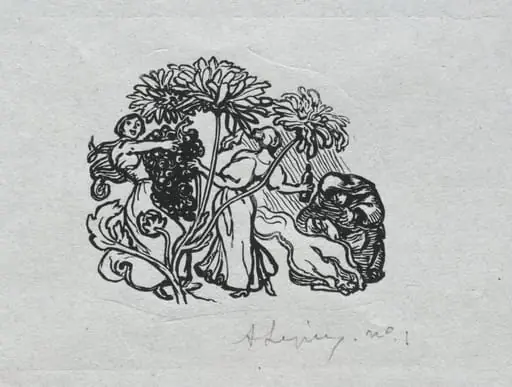
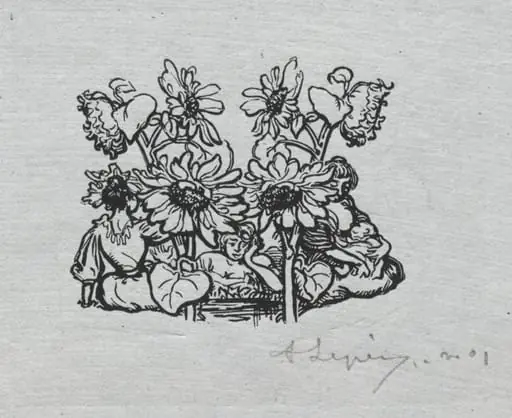
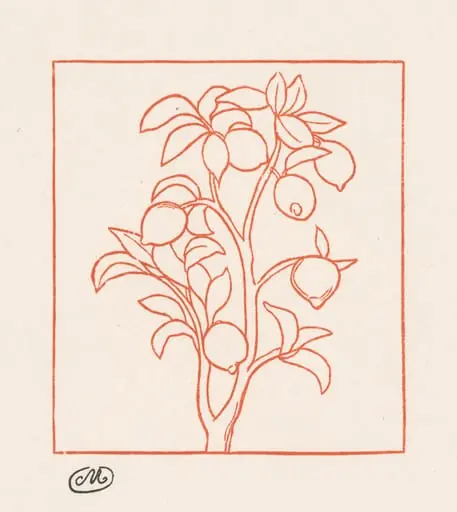
Un Cul-de-lampe is a print by the Impressionist artist Auguste Lepère. It dates from 1894 and is held in the collection of the Cleveland Museum of Art.
About this work
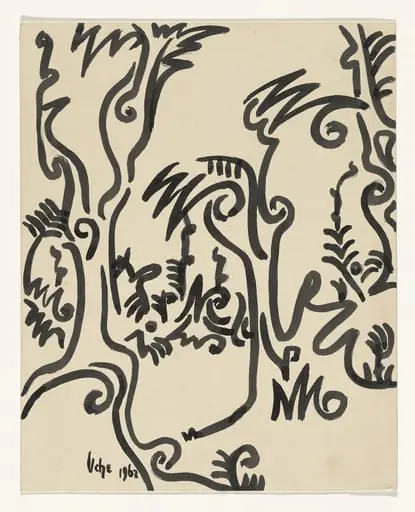
The artist signed it in the corner with a small signature and date—1935, but it’s likely from earlier.
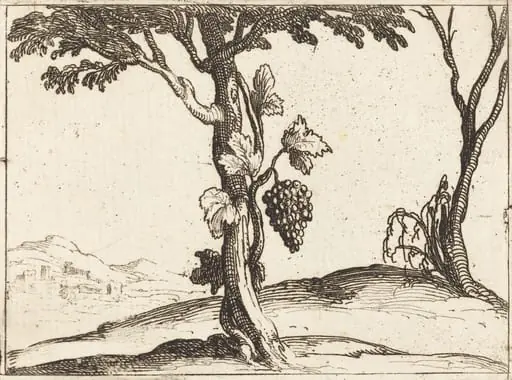
This drawing shows a simple black-and-white sketch of grapevines and leaves. The grapes are grouped in tight clusters, and the vines twist around each other. The background is plain, so the focus stays on the shapes of the plants.
The artist signed it in the corner with a small signature and date—1935, but it’s likely from earlier. The style is clean and bold, with no shading or color.
If you like this kind of drawing, look up Realism next.
Overview
Un Cul-de-lampe is a print by Auguste Louis Lepère, a French artist known for his work in wood engraving. The Cleveland Museum of Art holds the piece.
Subject & Meaning
The print depicts a simple black-and-white sketch of intertwined grapevines and leaves, with grapes clustered together. The plain background emphasizes the plant forms.
Technique & Style
Characterized by clean lines and bold shapes, the work lacks shading or color. Its style is consistent with Realist tendencies.
History & Provenance
Although signed and dated 1935, the print is likely from an earlier period, possibly 1894, a time when Lepère was actively engaged with printmaking techniques.
Artist & collection
Artist
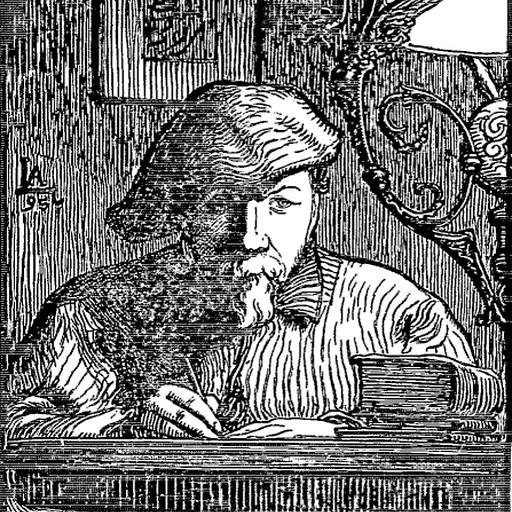
Louis-Auguste Lepère (30 November 1849 – 20 November 1918) was a French painter and etcher. Lepère is also considered a leader in the creative revival of wood engraving in Europe.