Artwork
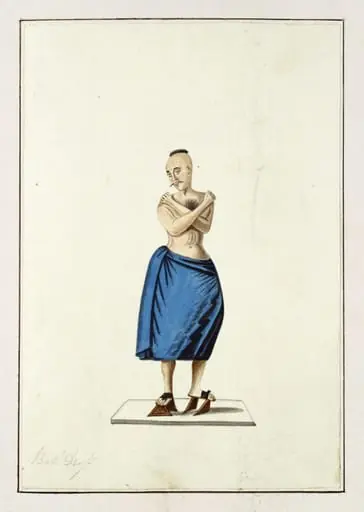
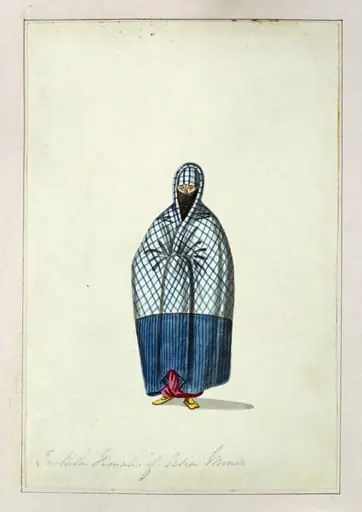
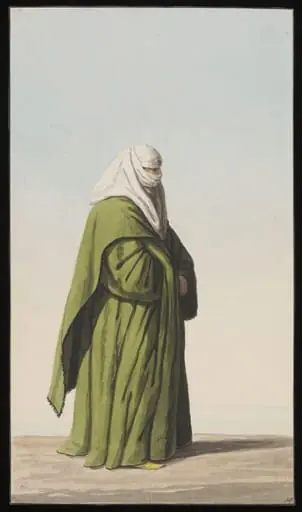
Moorish woman of Algier
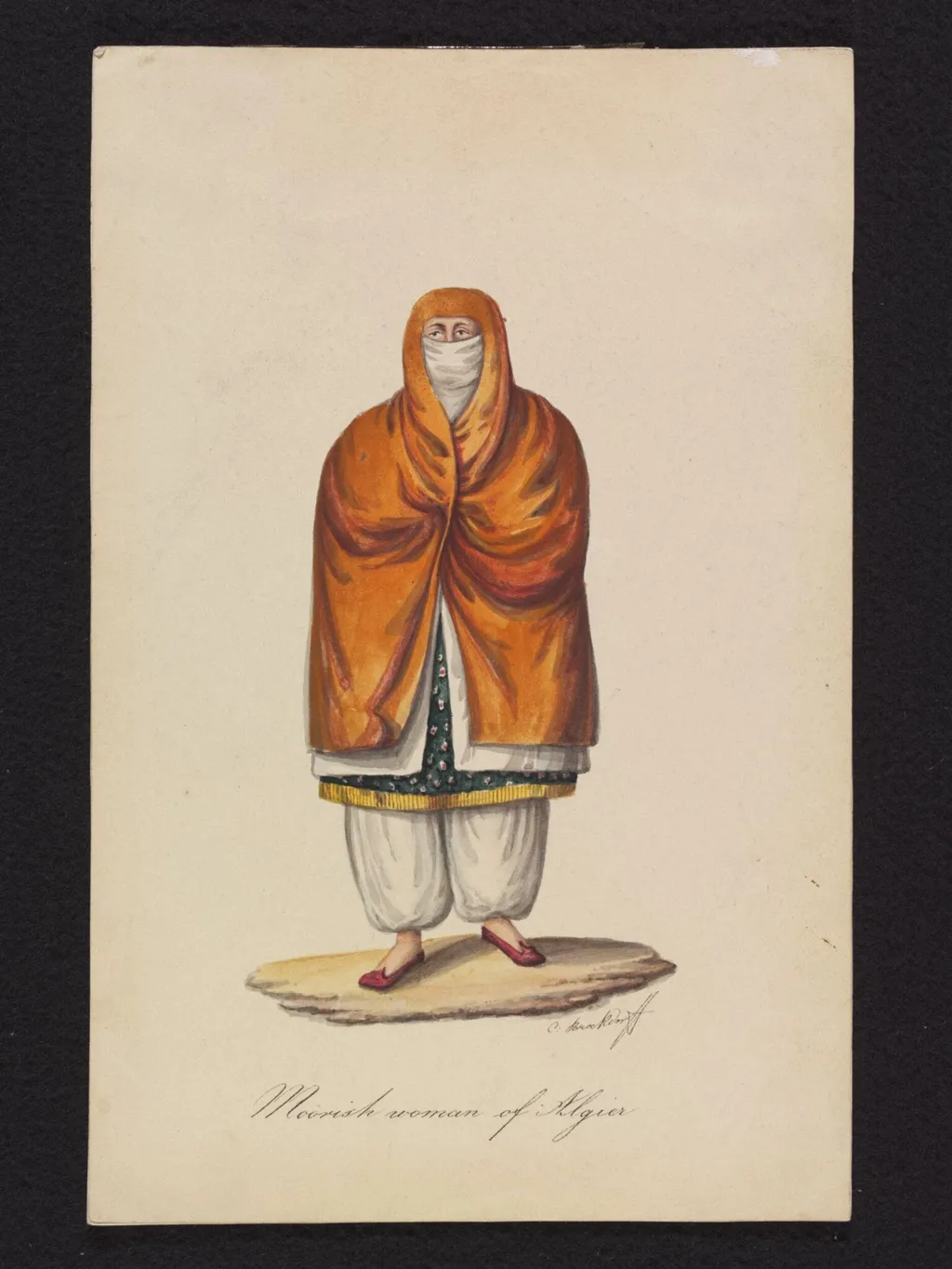
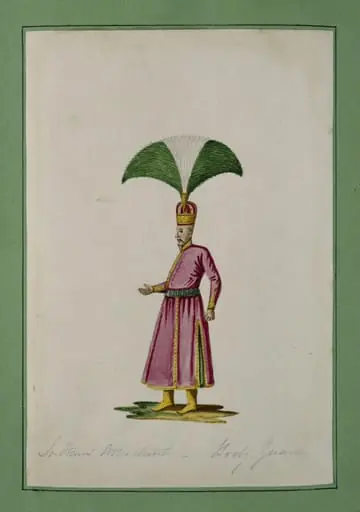
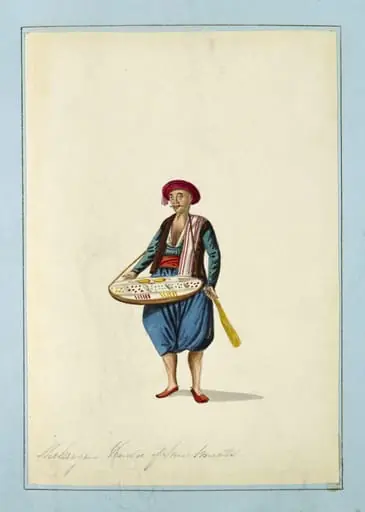
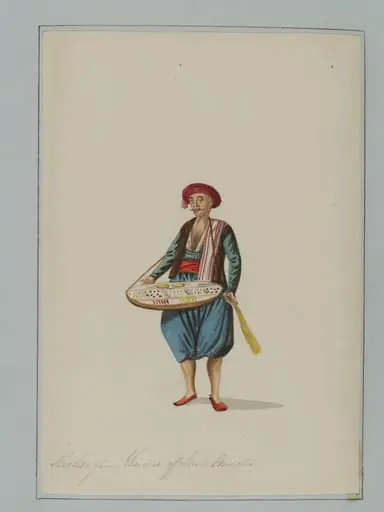
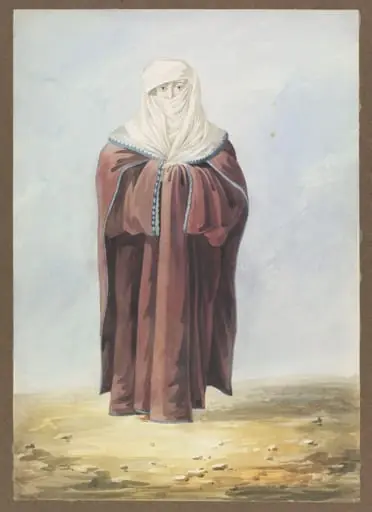
Moorish woman of Algier is a watercolor work on paper by the Orientalist artist Charles Frederick Brockdorff. It dates from 1835 and is held in the collection of the Victoria and Albert Museum.
About this work
Overview
Created in 1835 by Charles Frederick Brockdorff, this watercolor portrays a woman from Algiers, rendered in delicate washes on paper.
Created in 1835 by Charles Frederick Brockdorff, this watercolor portrays a woman from Algiers, rendered in delicate washes on paper. The work was acquired by its current holder in July 1965 from P. Bedford for a modest sum. Its small scale and medium reflect the 19th-century tradition of travel sketches, where artists documented encounters during expeditions to North Africa with observational precision rather than grandeur.
Subject & Meaning
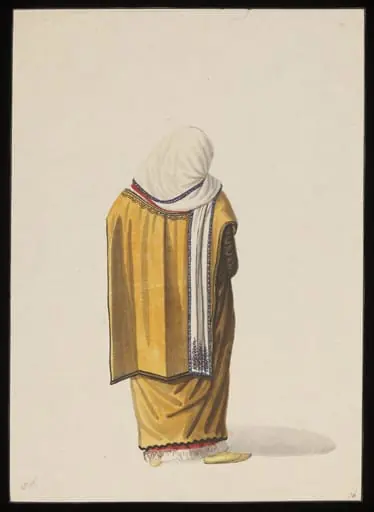
The figure is depicted as a local woman, her identity suggested through regional dress rather than individualized features. Her face is partially veiled, with only her eyes visible, emphasizing cultural norms of modesty. The stillness of her posture and the absence of narrative context invite contemplation of her presence within a foreign gaze, reflecting the era’s fascination with the 'exotic' without overt romanticization.
Technique & Style
Brockdorff employed transparent watercolor washes to suggest texture and form with minimal detail. The orange shawl, green-and-gold trim, and red footwear are rendered with restrained color accents against a neutral beige background. The loose, fluid lines and lack of sharp definition align with Romantic-era sketching practices, prioritizing atmospheric suggestion over precise realism, while maintaining ethnographic observation.
History & Provenance
The watercolor entered its current collection in 1965, purchased from P. Bedford for £3.10. No earlier ownership records are documented, suggesting it may have remained in private hands since its creation. Brockdorff, a British artist known for travel sketches, likely produced this during or after a visit to North Africa, though no record confirms the exact circumstances of its making.
Context
In the 1830s, European artists increasingly turned to North Africa as a subject, drawn by political interest and Orientalist curiosity. Brockdorff’s work fits within this trend, capturing local dress and demeanor without overt exoticism. Unlike grand Orientalist paintings, this piece lacks theatricality, instead offering a quiet, unembellished observation that reflects the artist’s role as a documenter rather than a storyteller.
Legacy
This watercolor survives as a modest but authentic record of cross-cultural observation in the early 19th century. It contributes to a broader archive of European sketches from the Maghreb, valued not for artistic ambition but for its unvarnished depiction of daily life. Its preservation underscores the historical significance of small-scale works in understanding colonial-era visual encounters.
Artist & collection
Artist
Charles Frederick Brockdorff painted detailed watercolours of North African life and costume in the 1830s.