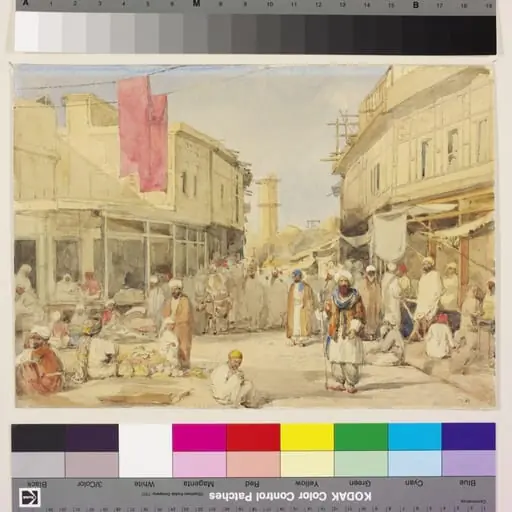
Artwork
View of the Jami Masjid, Delhi
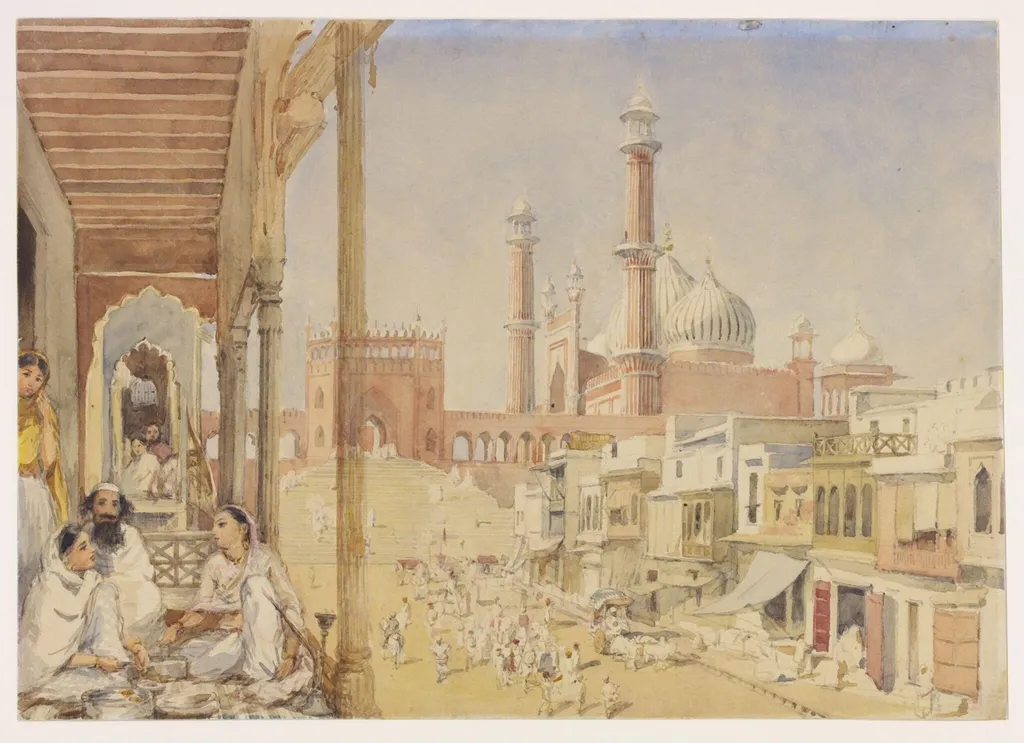
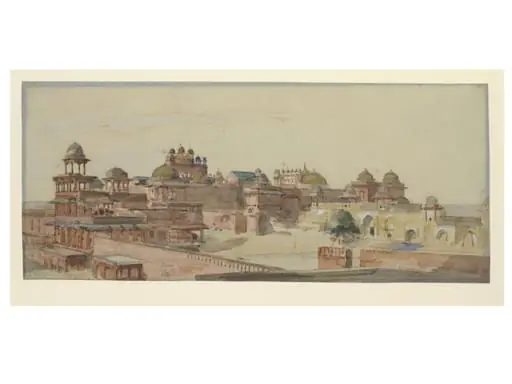
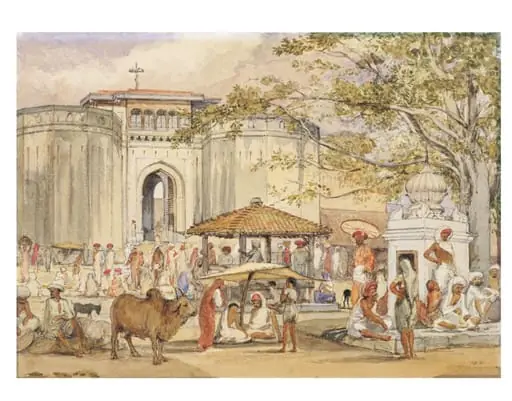
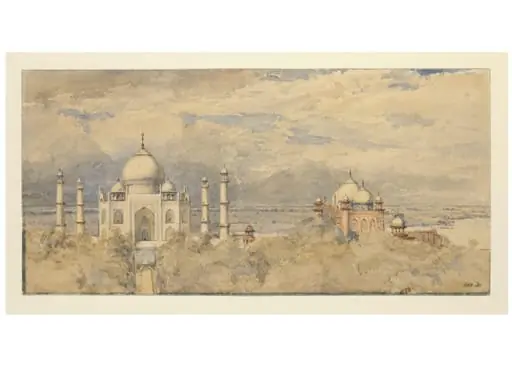
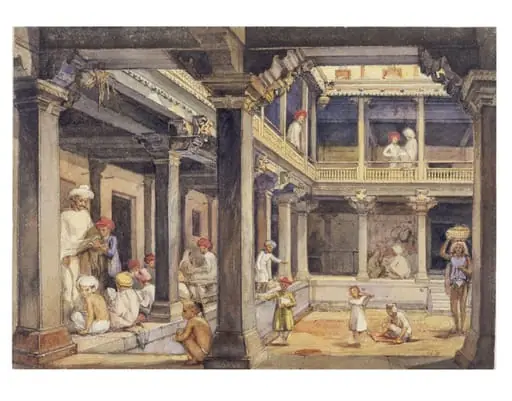
View of the Jami Masjid, Delhi is a paint painting by the Impressionist artist William Carpenter. It dates from 1852 and is held in the collection of the Victoria and Albert Museum. This painting captures the Jami Masjid in Delhi, viewed from an elevated balcony of a neighboring residence.
About this work
This painting is titled View of the Jami Masjid, Delhi. It's a work by William Carpenter.
The Jami Masjid is a significant location, being India's largest mosque. It was built during the reign of the Mughal Emperor Shah Jahan, between 1644 and 1656.
To learn more about the style and techniques used in this painting, look up the movement: Realism.
Overview
The composition balances architectural grandeur with intimate human activity, reflecting Carpenter’s observational approach during his travels in India.
This painting captures the Jami Masjid in Delhi, viewed from an elevated balcony of a neighboring residence. Executed by William Carpenter in the mid-19th century, the work presents the mosque’s imposing architecture while integrating a domestic scene of a Muslim family at leisure. The composition balances architectural grandeur with intimate human activity, reflecting Carpenter’s observational approach during his travels in India.
Subject & Meaning
The scene centers on the Jami Masjid, Delhi’s largest mosque, constructed under Mughal Emperor Shah Jahan between 1644 and 1656. Carpenter frames the mosque from a private balcony, where figures engage in conversation and refreshment, juxtaposing public monumentality with everyday life. The vantage point suggests both reverence for the structure and an interest in the social fabric of the city, offering a layered perspective on 19th-century Delhi.
Technique & Style
Carpenter employs a realist style, characterized by precise draftsmanship and a muted palette that conveys the textures of stone, wood, and fabric. The painting’s composition guides the viewer’s eye from the intimate foreground figures to the mosque’s intricate arches and minarets, demonstrating a balance between detail and spatial depth. His technique aligns with mid-19th-century British realism, prioritizing accurate representation over idealization.
History & Provenance
William Carpenter created this work during his extensive travels across South Asia, beginning in Bombay in 1850. His itinerary included Delhi, where he likely executed this painting, as well as regions from Sri Lanka to Afghanistan. After returning to England in 1856, Carpenter later settled in Boston before relocating to London. His artistic output reflects a period of British engagement with Indian landscapes and cultures, shaped by colonial encounters.
Context
The painting emerges from Carpenter’s broader body of work documenting Indian life and architecture during the mid-19th century. As the eldest son of a prominent British Museum curator and a portraitist, he was exposed to artistic and intellectual circles that valued empirical observation. His adoption of local dress and focus on both urban and rural subjects suggest an attempt to bridge cultural divides, though within the framework of British colonial presence in India.
Legacy
Carpenter’s depictions of Indian scenes contribute to the visual record of 19th-century South Asia, offering insights into architectural landmarks and social customs. While less celebrated than his contemporaries, his works provide a nuanced alternative to Orientalist stereotypes, emphasizing lived environments over exoticized narratives. The painting’s inclusion in institutional collections underscores its role in preserving historical perspectives on Mughal heritage and colonial-era documentation.
Artist & collection
Artist
William Carpenter (1818–1899) was an English watercolour artist. He travelled for six or seven years in the 1850s painting scenes of India, its people and its life. The Victoria and Albert Museum bought over 280 of his…

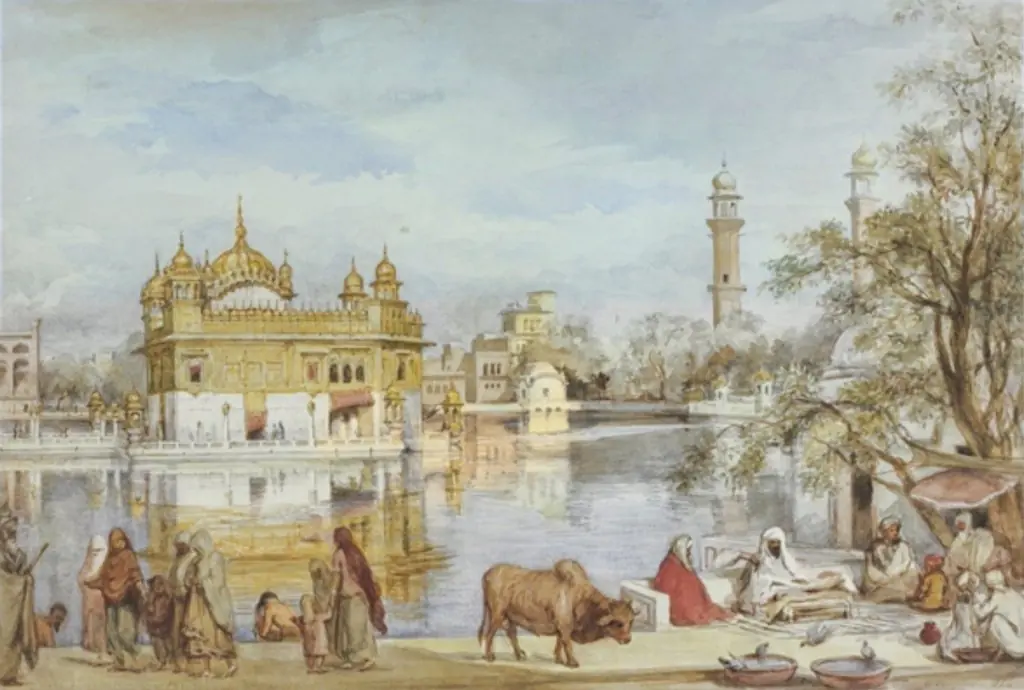 The Golden Temple, Amritsar
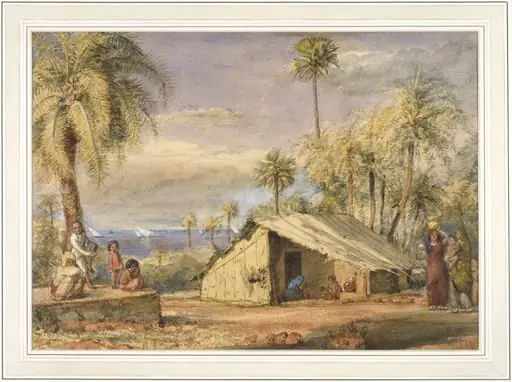 Toddywallah's hut in a grove of date palms near Breach Candy, Bombay
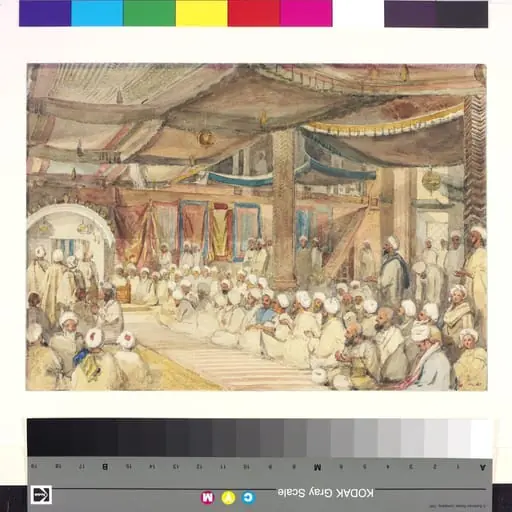 Interior of Shah Hamadan's Masjid during a religious ceremony
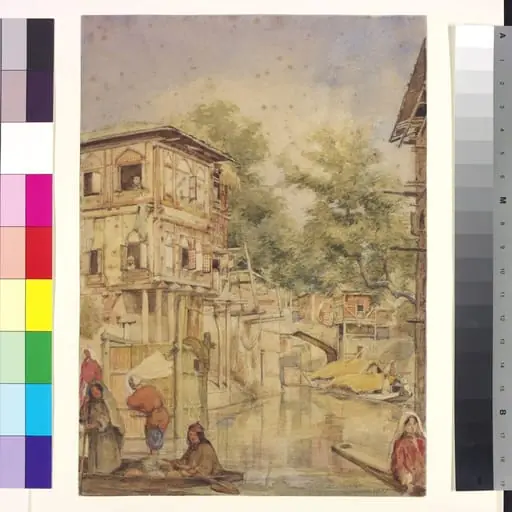 On the Mar Canal at Srinagar, Kashmir
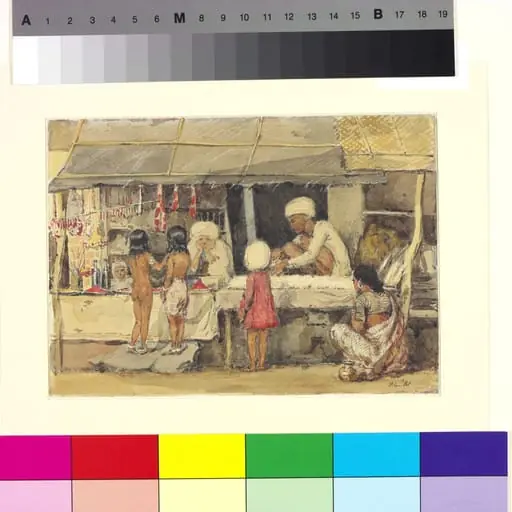 Shops for colours and flowers used at festivals, Sadr bazaar, Pune
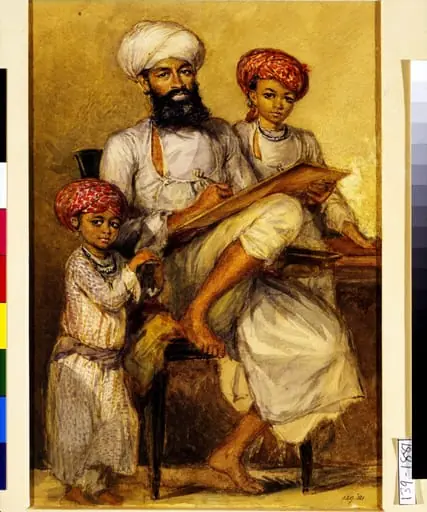 Portrait of Tara Chand, the court painter
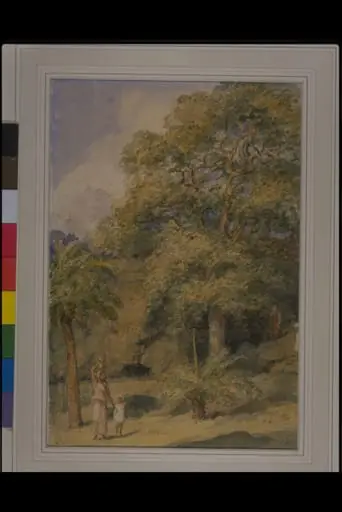 Study of a tamarind tree and date palms near Sir William Yardley's house at Breach Candy, Bombay
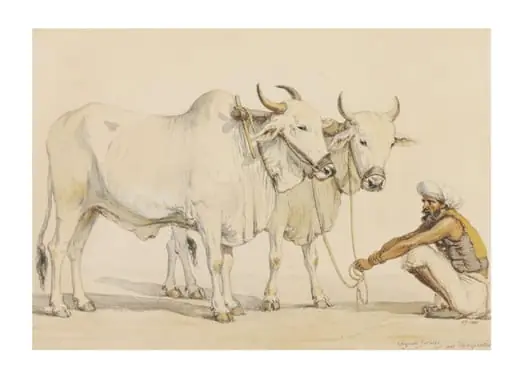 Two harnessed bullocks from Gujarat with their keeper