Artwork
View on the Mar Canal at Srinagar, Kashmir
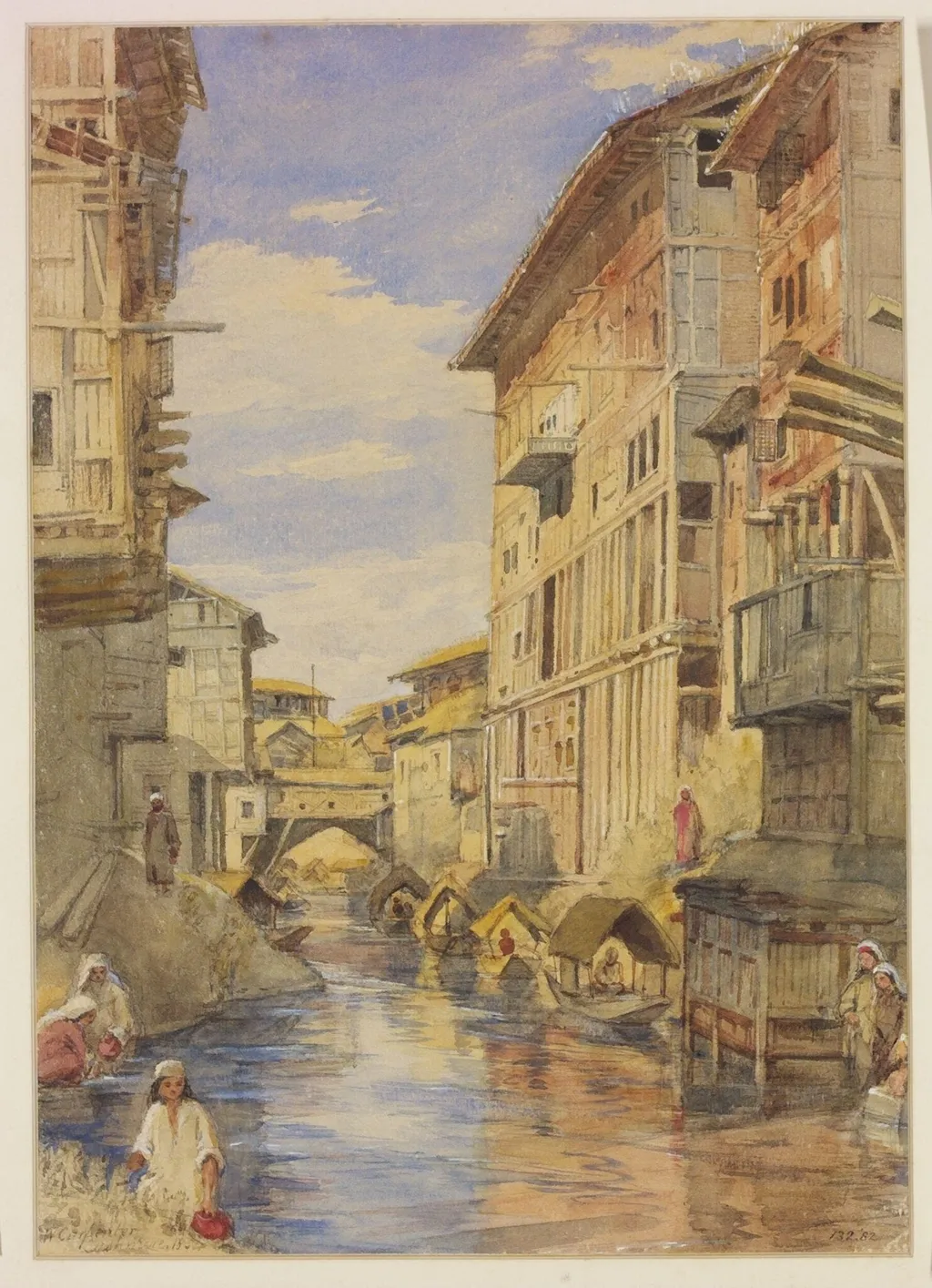
View on the Mar Canal at Srinagar, Kashmir is a paint painting by the Patna School of Painting artist William Carpenter. It dates from 1855 and is held in the collection of the Victoria and Albert Museum.
About this work
Overview
Painted between 1854 and 1855, this work captures a quiet stretch of the Mar Canal in Srinagar, Kashmir, during William Carpenter’s extended stay in the region.
Painted between 1854 and 1855, this work captures a quiet stretch of the Mar Canal in Srinagar, Kashmir, during William Carpenter’s extended stay in the region. Executed in watercolor or oil, the scene reflects his direct observation of daily life rather than idealized landscapes. The painting was acquired by a British museum in 1888 as part of a collection of his Indian subjects, signaling growing institutional interest in documentary art from the subcontinent.
Subject & Meaning
The scene portrays unremarkable moments of local routine: figures washing garments, tending to small boats, or resting along the canal’s edge. There is no ceremonial or dramatic focus; instead, Carpenter emphasizes the rhythm of ordinary existence. The absence of grand architecture or royal figures underscores a deliberate choice to document the lives of ordinary Kashmiris, aligning with emerging 19th-century interests in ethnographic realism.
Technique & Style
Carpenter employed loose, fluid brushwork that suggests immediacy rather than finish. Colors are muted—soft ochres, faded blues, and earthy browns—enhancing the hazy, atmospheric quality of the Kashmiri air. Architectural details like wooden balconies and shuttered windows are rendered with suggestive precision, not rigid detail. The sketch-like quality conveys a sense of transient observation, as if the scene was recorded on the spot rather than composed in a studio.
History & Provenance
Carpenter, an English artist who adopted local dress during his travels, spent over a year in Kashmir, producing numerous sketches and paintings of its people and places. This particular work entered a public collection in 1888 for £500, a significant sum at the time, reflecting its value as a record of colonial-era India. Its acquisition was part of a broader effort to preserve visual documentation of regions under British influence.
Context
During the mid-19th century, European artists increasingly turned to South Asia for subject matter, often commissioned by colonial administrators or drawn by personal curiosity. Carpenter’s work stood apart by avoiding exoticism; his focus on mundane activities aligned with the rise of Realism in European art. His paintings contributed to a growing visual archive of Indian life, distinct from the romanticized or militarized imagery common in official commissions.
Legacy
Though not widely known today, Carpenter’s Kashmir scenes remain valuable as unvarnished records of 19th-century urban life in the region. His approach influenced later documentary artists and ethnographers who sought authenticity over spectacle. The painting’s presence in a public collection ensures its continued role as a reference for scholars studying cross-cultural visual practices during the British colonial period.
Artist & collection
Artist
William Carpenter (1818–1899) was an English watercolour artist. He travelled for six or seven years in the 1850s painting scenes of India, its people and its life. The Victoria and Albert Museum bought over 280 of his…

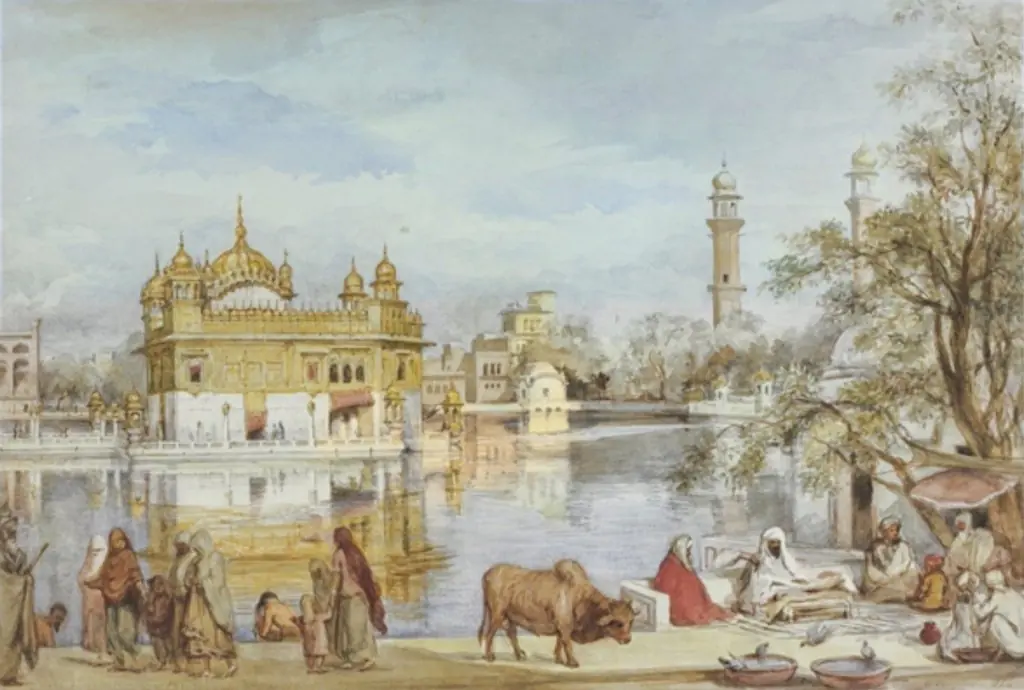 The Golden Temple, Amritsar
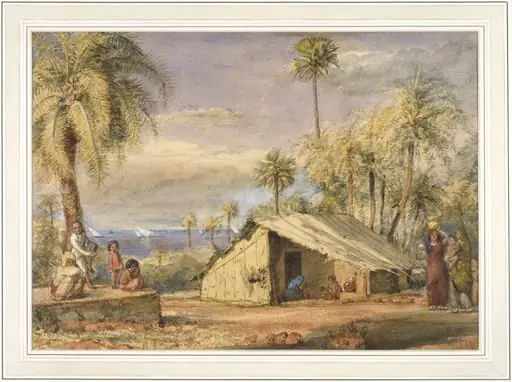 Toddywallah's hut in a grove of date palms near Breach Candy, Bombay
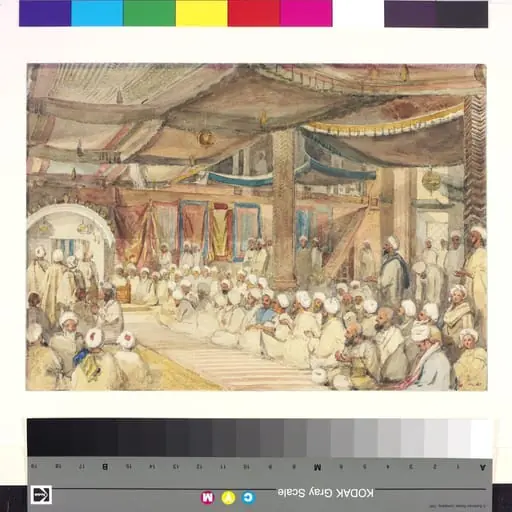 Interior of Shah Hamadan's Masjid during a religious ceremony
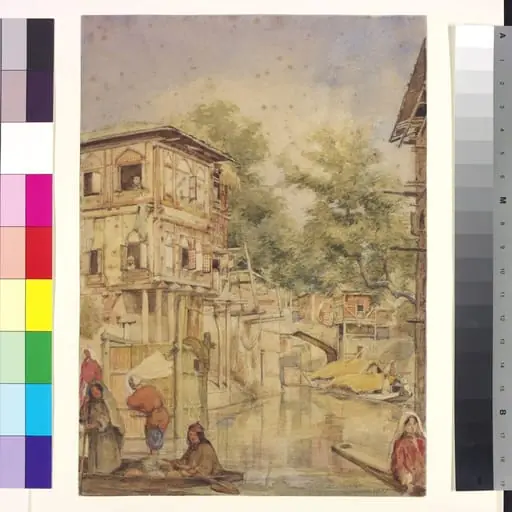 On the Mar Canal at Srinagar, Kashmir
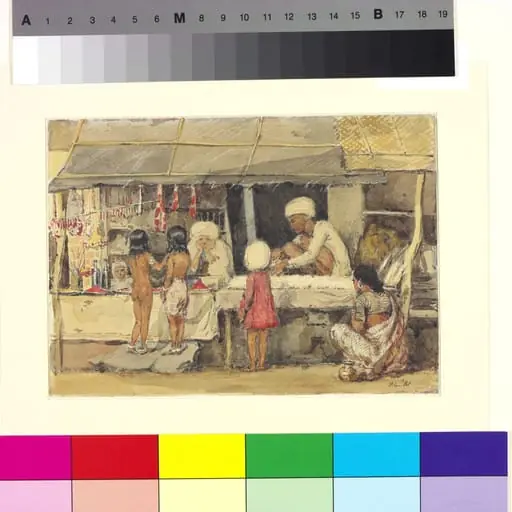 Shops for colours and flowers used at festivals, Sadr bazaar, Pune
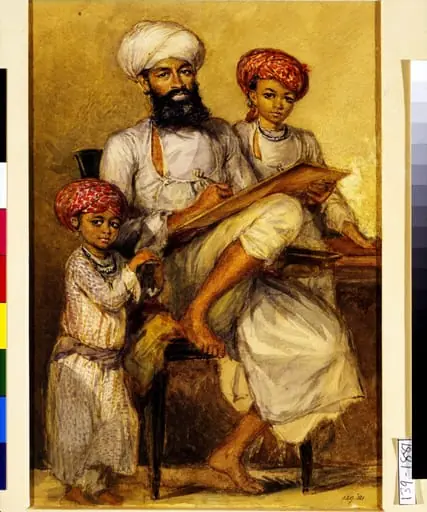 Portrait of Tara Chand, the court painter
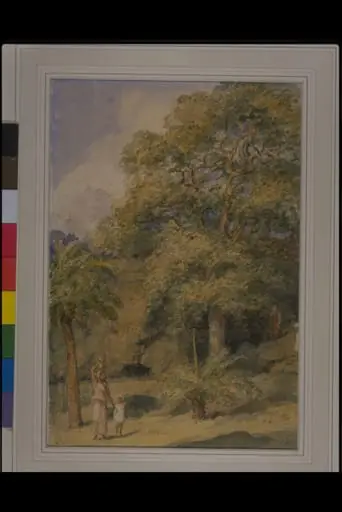 Study of a tamarind tree and date palms near Sir William Yardley's house at Breach Candy, Bombay
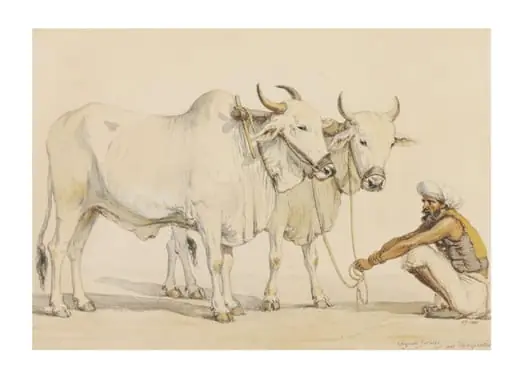 Two harnessed bullocks from Gujarat with their keeper
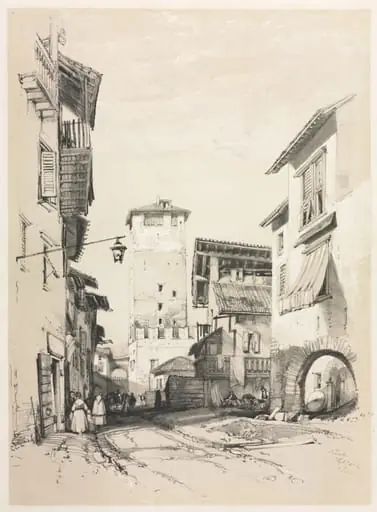 Sketches at Home and Abroad: Trento
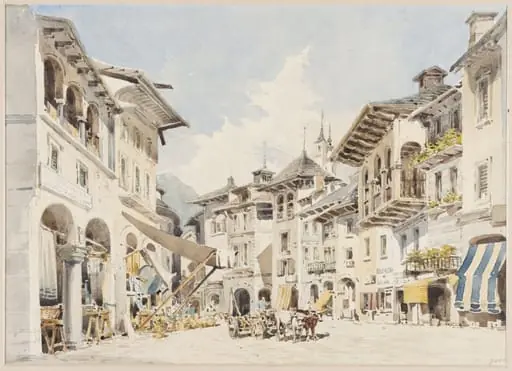 Duomo D'Ossola, Piedmont
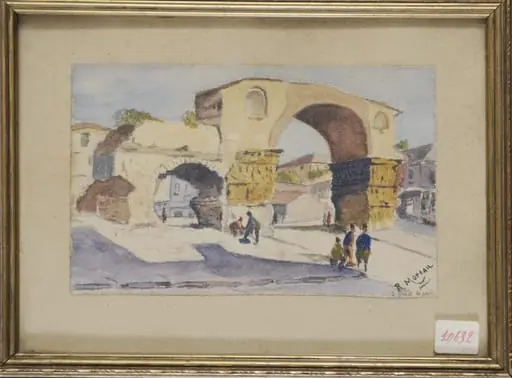 Η Αψίδα του Γαλέριου στη Θεσσαλονίκη
 Sion
Sion Corso Sant' Anastasia with the Palazzo Maffei in Verona
 Strasbourg
 Sharia Bab al-Wazir with the Madrasah and Tomb of Sultan Shaban II (Umm al-Sultan)
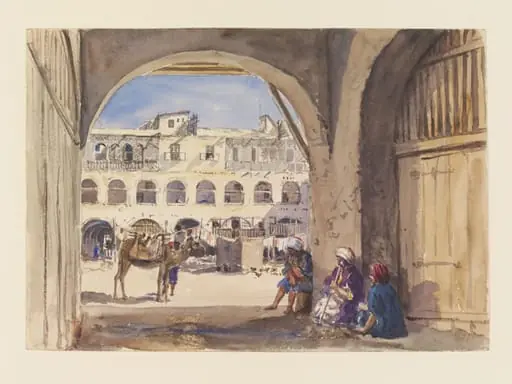 Entrance to the new Ockella Great Square of Alexandria