Artwork
Winter
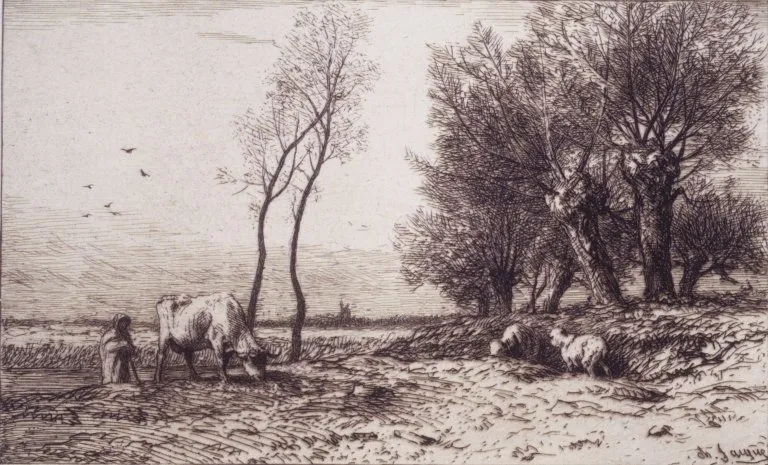
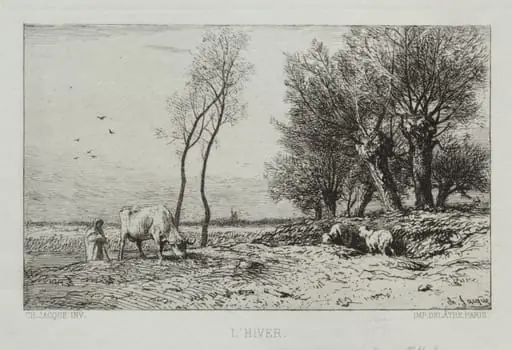
Winter is an unspecified painting by the Realist artist Charles Jacque. It dates from 1863 and is held in the collection of the Brooklyn Museum.
About this work
Overview
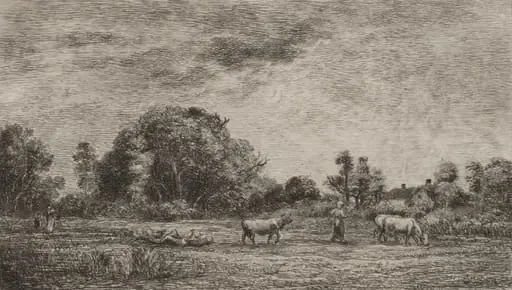
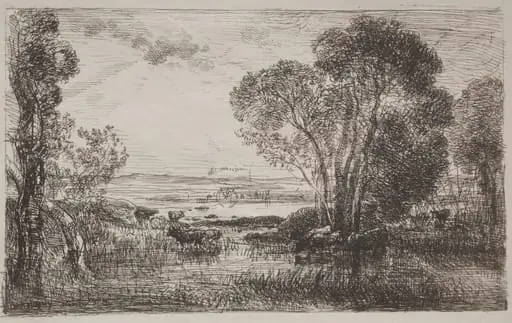
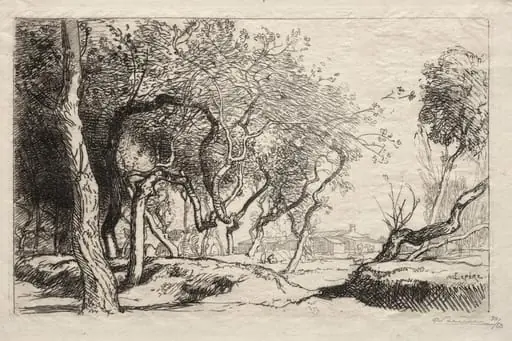
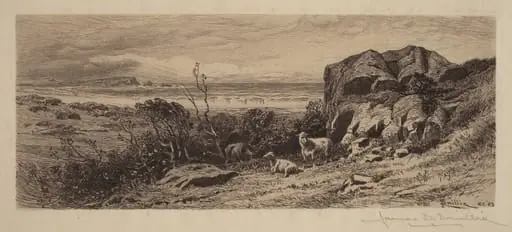
Created in 1863 by French painter and engraver Charles Jacque, *Winter* belongs to the body of work associated with the Barbizon School. The canvas presents a quiet, snow‑touched landscape that reflects the group’s commitment to portraying everyday rural environments with fidelity and restraint.
Subject & Meaning
At the centre of the composition stands a solitary figure, turned away from the viewer, set within an open field bordered by leaf‑less trees. A few birds trace arcs across the pale sky, underscoring the stillness of the season. The scene invites contemplation, suggesting a moment of personal reflection amid the starkness of winter.
Technique & Style
Jacque employs a restrained palette of muted whites, grays, and earth tones, allowing the limited color range to convey atmosphere. Subtle contrasts of light and shadow model the bare trunks and the figure’s form, while the loose brushwork of the sky and distant foliage creates a sense of depth without overt detail.
History & Provenance
As a member of the Barbizon circle, Jacque produced *Winter* alongside contemporaries such as Jean‑François Millet, who shared his interest in agrarian subjects. The work entered private collections shortly after its exhibition and has since been documented in several catalogues of 19th‑century French landscape painting, confirming its place within the school’s legacy.
Artist & collection
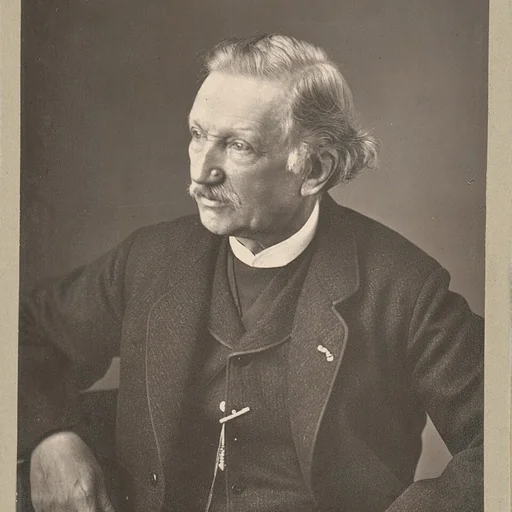
Artist
Charles-Émile Jacque (23 May 1813 – 7 May 1894) was a French painter of Pastoralism and engraver who was, with Jean-François Millet, part of the Barbizon School. He first learned to engrave maps when he spent seven years in the French Army.