Artwork
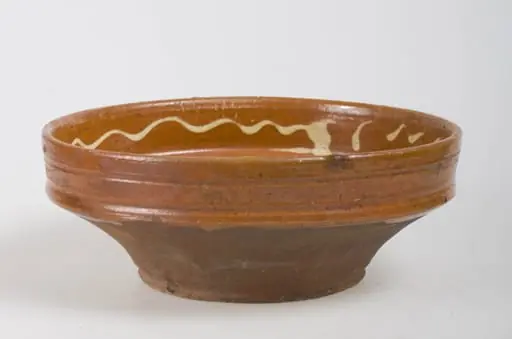
Vas tronconic cu buza răsfrântă spre exterior. Prezintă un mâner tubular scurt. Pe fund este pictată în puncte galbene o spirală; pată verde scursă. Smălțuit pe buză și pe întreaga suprafață interioară. Cromatică: fond: cărămiziu (exterior) și maro (interior); motive: galben, verde.
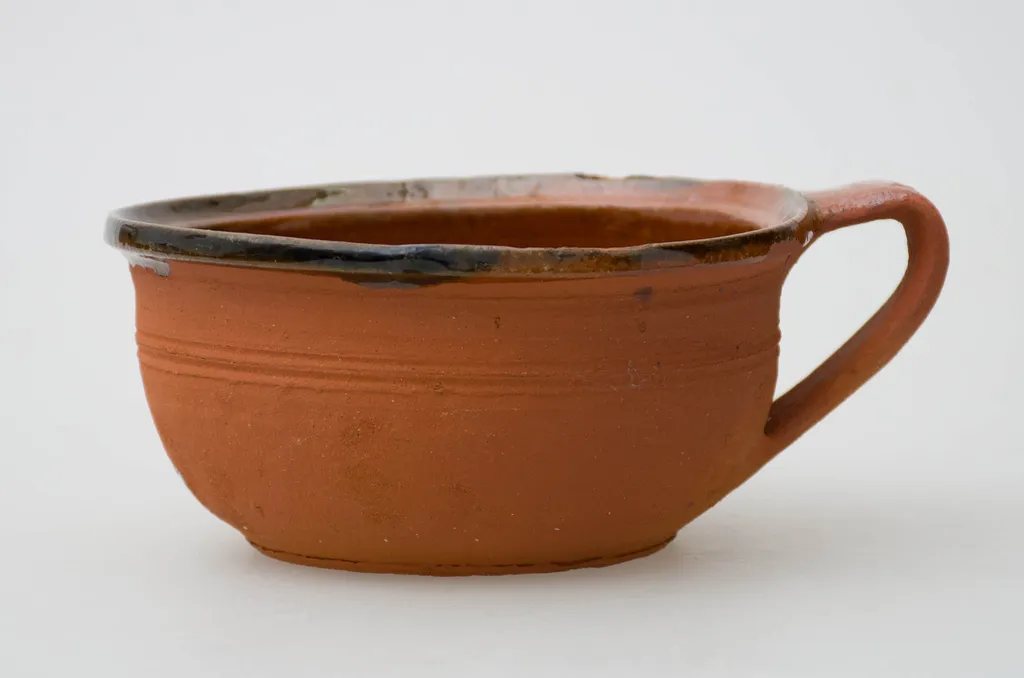
Vas tronconic cu buza răsfrântă spre exterior. Prezintă un mâner tubular scurt. Pe fund este pictată în puncte galbene o spirală; pată verde scursă. Smălțuit pe buză și pe întreaga suprafață interioară. Cromatică: fond: cărămiziu (exterior) și maro (interior); motive: galben, verde. is a photography by Șchiopu Dumitru. It is held in the collection of the ASTRA National Museum Complex. A conical clay vessel with a flared rim and short tubular handles, this artifact exhibits signs of everyday use.
About this work
Overview
The exterior surface is unglazed and appears in a muted brick-red hue, while the interior is coated with a smooth, light-brown glaze.
A conical clay vessel with a flared rim and short tubular handles, this artifact exhibits signs of everyday use. The exterior surface is unglazed and appears in a muted brick-red hue, while the interior is coated with a smooth, light-brown glaze. A faint greenish stain and a small cluster of yellow dots form a spiral near the base, suggesting intentional decoration. Wear along the edges indicates prolonged handling or storage.
Subject & Meaning
The yellow spiral on the interior base may have held symbolic significance, possibly representing cyclical time, fertility, or ritual activity. The green smear, likely accidental during firing or glazing, contrasts with the deliberate dot pattern. No clear iconographic motifs are present beyond these abstract marks, leaving interpretation open to cultural context rather than narrative content.
Technique & Style
The vessel was hand-formed from coarse clay and fired to achieve a durable, porous body. The interior surface was glazed, likely to improve functionality for storage or liquid containment. Decoration was minimal: dots applied with a fine tool, not painted. The rim’s uneven dark band may result from uneven glaze application or soot accumulation during firing, reflecting utilitarian rather than ceremonial production methods.
History & Provenance
This object belongs to a broader tradition of Neolithic or Chalcolithic ceramic production in the Carpathian Basin. Similar vessels have been recovered from settlements in present-day Romania and Moldova, often found in domestic contexts. Its glazing technique and decorative simplicity align with regional pottery from the 5th to 4th millennia BCE, though its exact origin remains undocumented.
Context
Made during a period when pottery was increasingly standardized for storage and cooking, this vessel reflects a balance between practicality and subtle aesthetic expression. Glazed interiors were uncommon in early ceramics, suggesting either local innovation or access to specific mineral resources. Its form and decoration place it within a wider network of prehistoric communities sharing technological and stylistic traits across Eastern Europe.
Legacy
Though not part of a major archaeological assemblage, this pot contributes to understanding the evolution of ceramic technology in prehistoric Eastern Europe. Its glazing and minimal decoration illustrate how functional needs shaped artistic choices. Comparable examples in ethnographic collections help trace regional continuity in material culture from antiquity into later folk traditions.
Artist & collection
Artist
Șchiopu Dumitru made ceramics and prints. Check out "Recipient ceramic" or "Disc concav smălțuit" to see their style. They used simple shapes and bold colors, like red and green. Look at "Vas ceramic" to see more of…

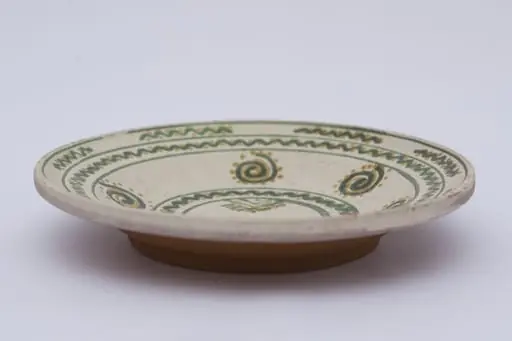 Vas ceramic de formă discoidală pe bază puțin înălțată. Fața farfuriei a fost introdusă în angobă albă, decorația a fost făcută cu pensula. Pe fundul vasului sunt două cercuri concentrice: în primul sunt doi brăduți, iar în al doilea valul punctat. Pe pereți sunt șase spirale punctate. Marginea vasului a fost împărțită în două registre, primul cu val punctat, în al doilea sunt șapte valuri întrerupte. La posterior, pe fund, semătura ”D Șchiopu ''. Pentru atârnare baza este perforată. Cromatică: fond: alb; motive; verde; galben.
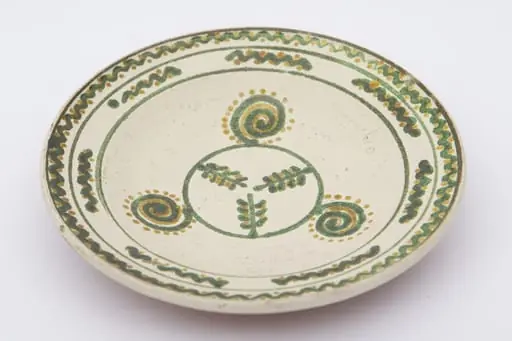 Vas ceramic de formă rotundă și profil tronconic aplatizat cu pereții larg evazați. Fața farfuriei a fost introdusă în angobă albă, decorația a fost făcută cu pensula. Pe fundul vasului sunt trei crengi de brad circumscrise. Pe pereți au fost pictate trei spirale punctate. Buza a fost împărțită în două registre: primul cu șapte valuri întrerupte; al doilea val continu, punctat. La posterior, baza este perforată pentru atârnare și incizată inscripția ,,D. Șchiopu''. Cromatica: fond: motive: verde, galben.
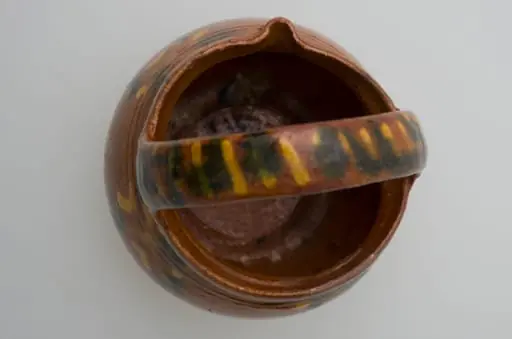 Vas de mici dimensiuni sub forma de bijou; pântecos cu gâtul scurt și gros, gură răsfrântă și cioc. Smălțuit în interior și la exterior. În partea superioară se află două linii incizate. Pe corp avem motive florale stilizate, iar pe mănușă decor geometrice: liniar și punctiform. Diametral, peste gură aven o mânușă aproximativ la fel de înaltă ca vasul. Cromatică: fond: cărămiziu; motive: galben, verde.
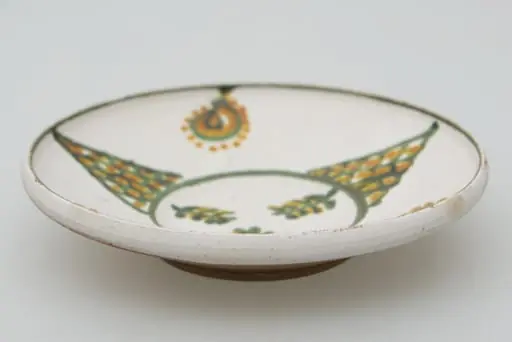 Disc concav smălțuit cu smalț incolor; decor amplasat pe toată suprafața; ordonat în registre; organizare radială; motive geometrice; triunghiuri; cerc; spirale; puncte. Cromatică: fond: alb; motive: verde; cărămiziu.
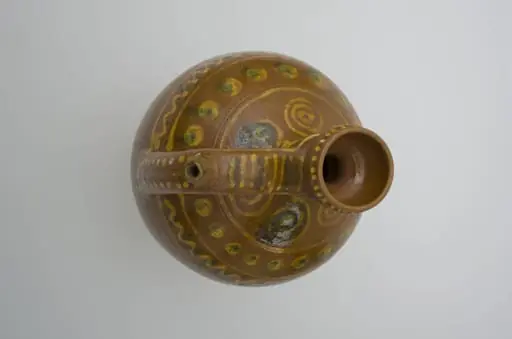 Ulcior de formă sferică cu gât înalt cu guler la mijloc; gura înaltă și largă, în formă de pâlnie tronconică. Buză rotundă și îngustă retrasă spre interior. Prezintă toartă goală aplatizată cu țâța ușor înălțată oblic ce pornește din gulerul gâtului și intră în pântece la diametrul maxim, într-un arc oval. Decorul este format din motive geometrice: brâu median de linii pararele și zig-zag; liniuțe orizontale și două șiruri de punctmotive florale; sub gât avem spirale. Smălțuit cu smalț incolor. Cromatică: fond: maro cărămiziu; motive: galben; verde.
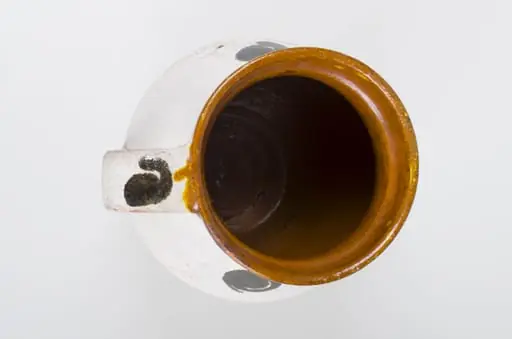 Vasul este confecționat din lut și este prevăzut cu toartă. Acesta este smălțuit în interior (maro), iar exteriorul este 3/4 angobat. Pe pântecul vasului au fost pictate cu pensula, cu smalț verde trei spirale, una dintre acestea aflându-se pe toartă. Cromatică: alb; maro; verde.
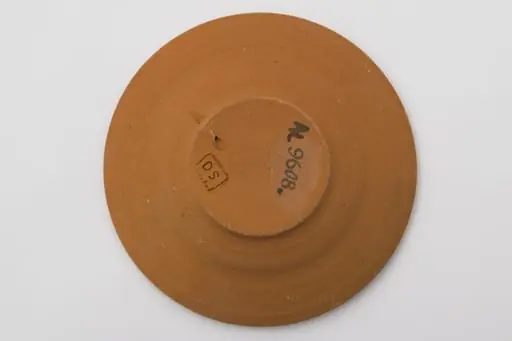 Vas ceramic cu fundul plat puțin adâncit și marginile evazate, puțin ridicate. Ornamentată cu pensula cu angoba albă. Fundul este marcat printr-o spirală din care ies alte șase spirale mici dispuse pe circumferința exterioară. Pe marginea vasului două benzi, una cu o linie întreruptă, a doua cu șase valuri întrerupte. La posterior ștanțat ”DS” încadrat într-un dreptunghi. Cromatică: fond: cărămiziu; motive: alb.
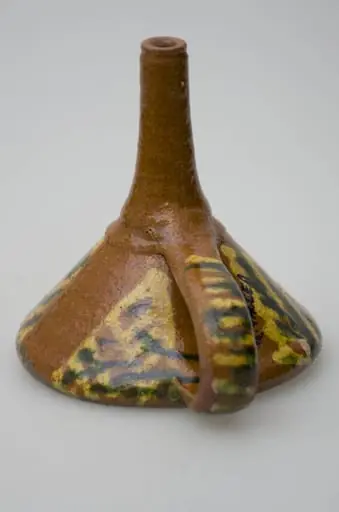 Pâlnie ceramică smălțuită, de formă tronconică, cu gura astupată cu o suprafață de lut găurită, formând o sită. La cealaltă latură a conului pâlnia este continuată printr-un tub cilindric, care se folosește la scurgerea lichidelor. Piesa de uz casnic este dotată cu un mâner care pleacă de la buză până la tubul cilindric de scurgere. Pe suprafața obiectului apar motive geometrice realizate cu pensula. Cromatică: fond: maro; motive: galben; verde.
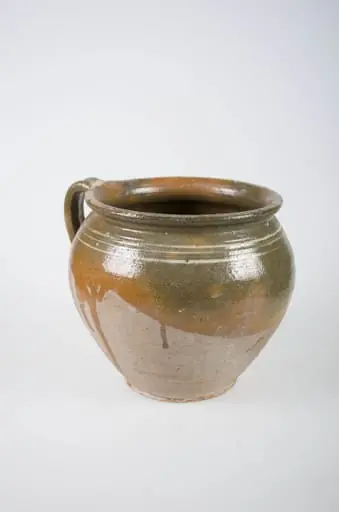 Vas cu corpul foarte bombat în partea superioară, cu un gât scurt și profilat, cu gura foarte lată, buza evazată și rotunjită. Din buză pornește o toartă care se unește cu corpul sub diametrul maxim. Vasul este smălțuit în interior și exterior (doar partea superioară). Este decorat cu motive geometrice: trei linii concentrice pe umăr și o linie scurtă orizontală pe toartă. Cromatica: fond: cărămiziu; motive: alb,.
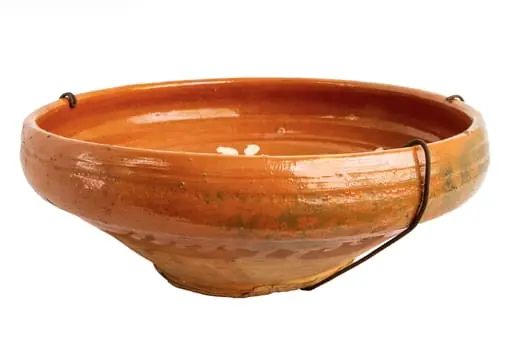 Formă tronconică; fond cărămiziu. În partea centrală este amplasată o floare stilizată cu petale de culoare verde și albă. Pe peretele vasului sînt amplasate două grupaje florale, compuse fiecare din două lalele de culoare verde și trei flori albe cu cinci petale. Folosită la decorarea interiorului țărănesc în așa numita - cameră bună dar și în bucătărie.
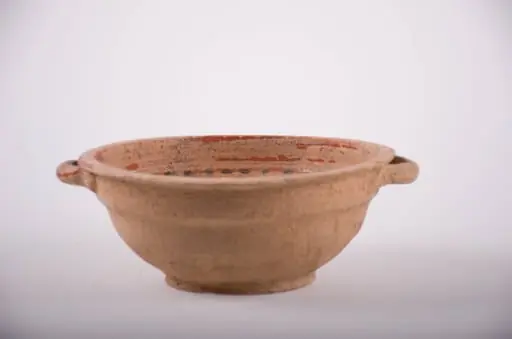 Vas de formă tronconică cu picior, pereți rotunjiți, margine înaltă ușor oblică, baza plată și două toarte mici: Prezintă decor geometric: cerc de puncte albe și negre pe fond de roșeață; pe pereți sunt cercuri concetrice albe întrerupte de grupuri de linii oblice și un șir alb negru; pe buza linie zig-zag. Are aplicat smalț incolor. Cromatică: cărămiziu; motive: alb; negru.
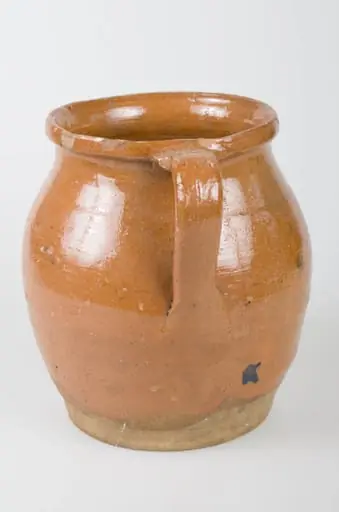 Vas bombat în partea mediană și cu buza răsfrântă spre exterior, gât scurt, smălțuit. Prezintă o toartă ce leagă marginea vasului cu partea de diametru maxim. Pe cea mai mare parte a vasului decor având în plan central o floare cu petale maron și punct albastru în mijloc, peste care se sprapun motive palmate în alb, întreg registrul fiind încadrat de alte linii palamte în albastru ce radiază din floare, și câte o linie ondulată albă și albastră dispuse în partea superioară, respectiv inferioară. Prezintă urme de uzură funcțională. Cromatică: fond: cărămiziu; motive: albastru; maro; alb.
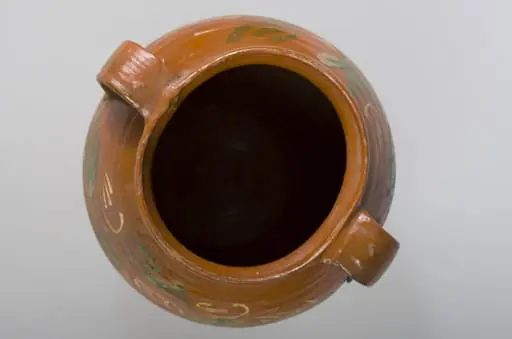 Vas de formă bitronconică, cu gât scurt cu buză rotunjită și evazată. Oala este smălțuită interior și pe 2/3 din exterior. Prezintă două toarte late ce unesc buza vasului de zona diametrului maxim. Decorații în registru floral-vegetal, dispuse concentric, în partea superioară a vasului, compuse din linii ondulate și palmate. Cromatică: fond: cărămiziu; motive: alb, verde.
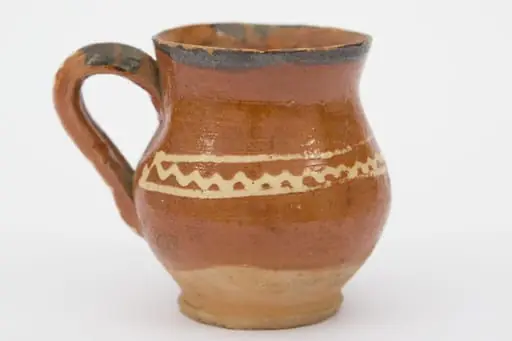 Recipientul este realizat din lut,având dimensiuni reduse, fiind de formă cilindrică, cu o gură largă și buza rotunjită. Acesta este prevăzut cu o toartă laterală având punctele de inserție în gatul și proeminența pântecului al vasului. Obiectul prezintă un decor median format din două linii orizontale de culoare albă, între acestea fiind realizată o linie sinusoidală de culoare albă, pictate pe fundalul maro cu care este decorat vasul. Obiectul este smălțuit la exterior. Cromatică: fond: maro; motive: alb.
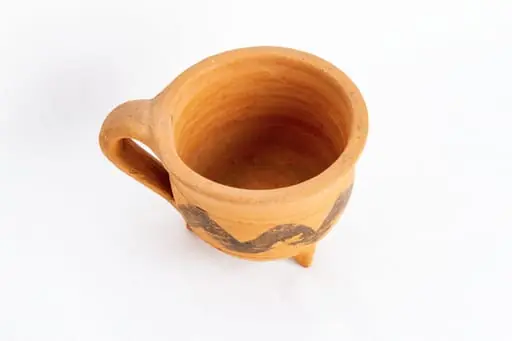 Tigăiță cu trei picioare; formă cilindrică, prevăzută cu toartă, lustruirea cu piatra de rîu conferă un luciu metalic suprafeței și rezolvă problema porozității vasului. Decorul plasat pe pîntecul vasului reprezintă o linie în zig - zag de culoare brună. Imită o formă îndustrială.
 Blidul de formă tronconică, adânc, cu buza înaltă; ornamentat cu motive florale, liniare și curbilinii. Motivele floral vegetale sunt dispuse într-un registru continuu pe fundul vasului și pe diameterul maxim. Acesta prezintă și motive geometrice reprezentate prin linia vălurită dispusă pe interiorul buzei. Obiectul este smălțuit la exterior doar pe buză. Pe exteriorul buzei sunt incizate două linii. Fundul este inelar și prevăzut cu două orificii pentru agățare. Cromatică: fond: cărămiziu; decor: alb; verde; albastru; maro.