Artwork
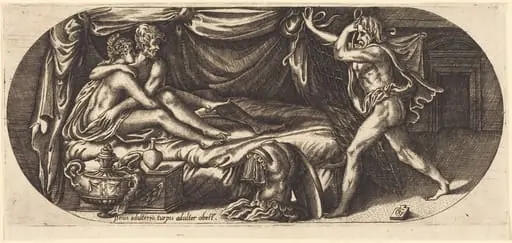
Mars and Venus Adulterous
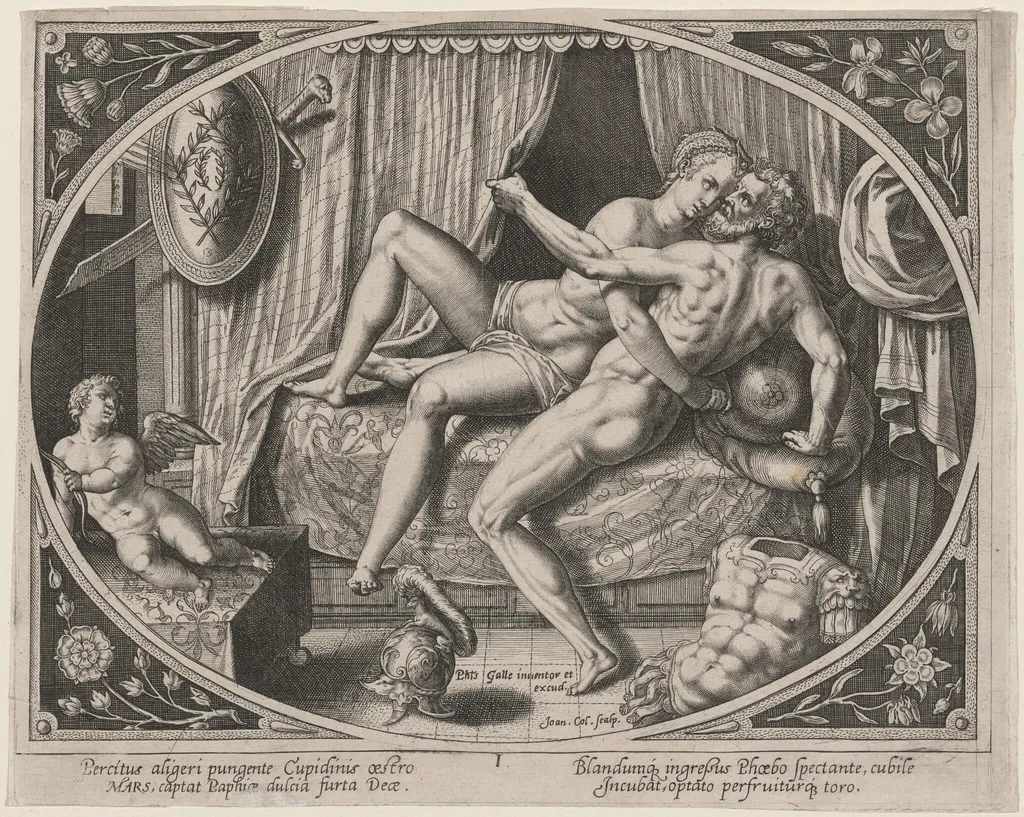
Mars and Venus Adulterous is an ink print by the Renaissance artist Hans the Younger Collaert. It dates from 1580 and is held in the collection of the National Gallery of Art.
About this work
Overview
Hans the Younger Collaert’s 1580 engraving, titled *Mars and Venus Adulterous*, presents a mythological tableau in which the god of war and the goddess of love are depicted in an intimate encounter. Executed on laid paper, the image captures a domestic interior where the two figures recline together, surrounded by symbolic martial and domestic objects.
Subject & Meaning
The composition draws on the classical narrative of an illicit liaison between Mars and Venus, emphasizing themes of desire and betrayal. By placing the nude deities in a private setting, the work invites contemplation of the tension between martial vigor and sensual indulgence, reflecting contemporary moral and allegorical concerns.
Technique & Style
Collaert employs fine line work and cross‑hatching to render volume and texture, characteristic of late‑Renaissance engraving. The careful modulation of light and shadow creates a three‑dimensional effect on the paper surface, while the detailed rendering of fabrics, armor, and architectural elements demonstrates the artist’s mastery of the medium.
History & Provenance
Created in 1580, the print was produced in the Flemish workshop tradition that Collaert inherited from his father. Surviving impressions have appeared in several early modern collections, and the work is now held by institutions specializing in Northern European prints, though exact ownership records vary.
Context
The engraving emerges during a period when mythological subjects were popular among collectors seeking both erudition and decorative appeal. Collaert’s treatment aligns with the broader Northern Renaissance interest in classical antiquity, merging detailed naturalism with the allegorical language of the humanist movement.
Artist & collection

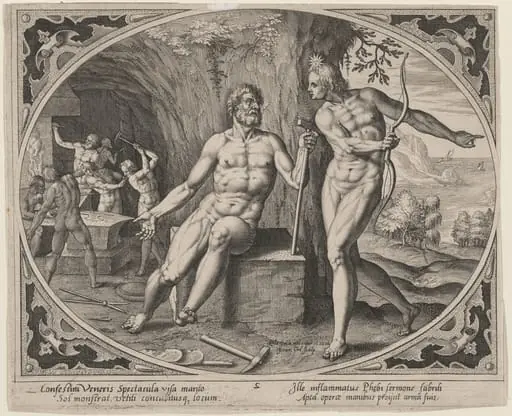 Phoebus Telling Vulcan of His Wife's Adultery
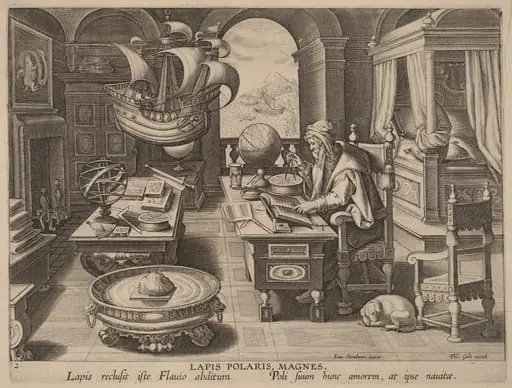 Lapis Polaris, Magnes (The Lodestone, The Magnet)
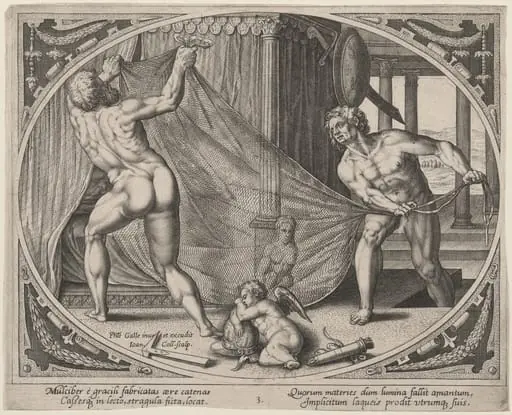 Vulcan Hanging an Iron Net above the Bed
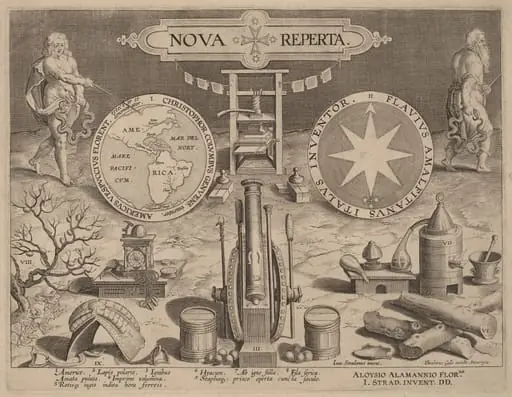 Title Page for Nova Reperta (New Discoveries)
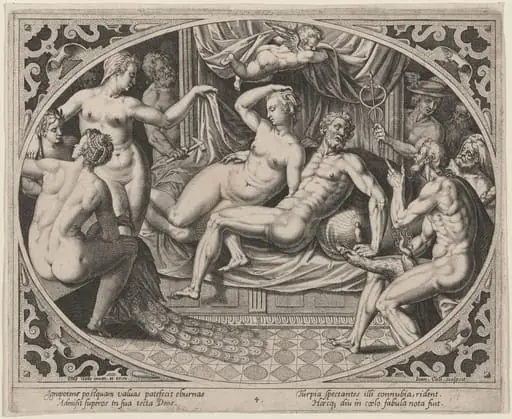 Mars and Venus Caught by the Gods
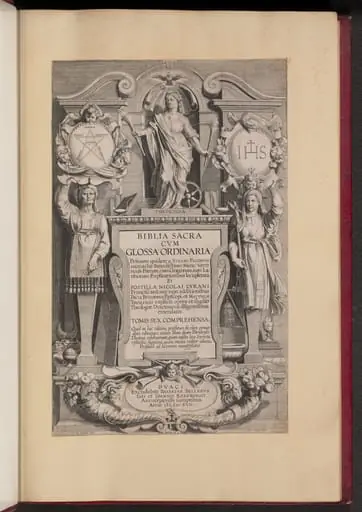 Title Page for Biblia Sacra Cvm Glossa Ordinaria
 Printer's Device for Jan van Keerbergen: Vignette for Biblia Cum Glossa Ordinaria
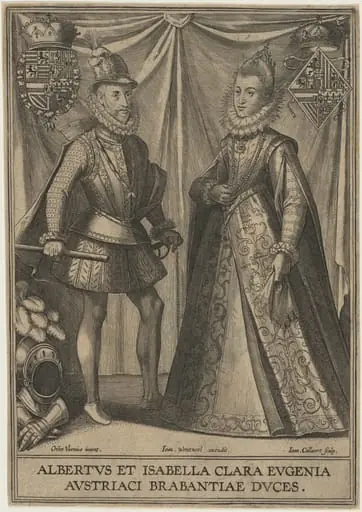 Archduke Albert and Isabella Clara Eugenie of Austria