Artwork
Title Page for Biblia Sacra Cvm Glossa Ordinaria
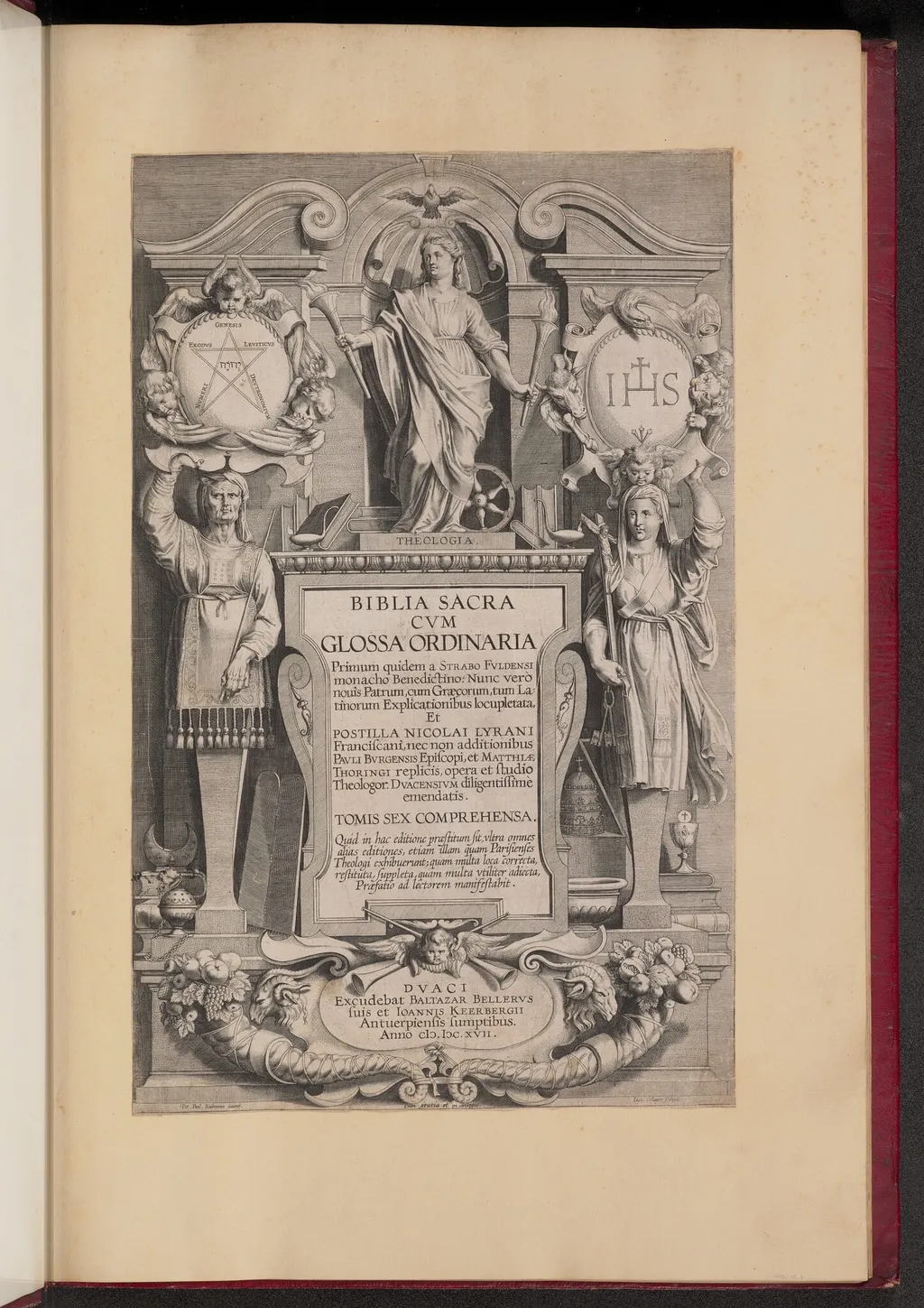
Title Page for Biblia Sacra Cvm Glossa Ordinaria is an ink print by the Baroque artist Hans the Younger Collaert. It is held in the collection of the National Gallery of Art.
About this work
Overview
This 1617 engraving on laid paper, attributed to Hans the Younger Collaert, serves as a title page for *Biblia Sacra Cvm Glossa Ordinaria*. The composition is dominated by a grand, ornate frame enclosing a central book-holding figure, flanked by three smaller figures and adorned with symbolic shields and a banner bearing the title.
Subject & Meaning
The engraving's central figure, holding a book and globe, represents a scholar or divine authority. Flanking figures—a scribe with a scroll and a cross-bearing figure—emphasize scripture and faith. Shields with a compass (knowledge/navigation) and *IHS* (Christ) further embed religious and intellectual themes, targeting a scholarly audience.
Technique & Style
Executed with meticulous attention to detail, the engraving showcases fine cross-hatching to achieve depth and texture, particularly in the figures' robes. The overall design reflects the ornate, symbolic aesthetics common in early 17th-century religious printmaking.
History & Provenance
Created in 1617 by Hans the Younger Collaert, this engraving was designed as a frontispiece for *Biblia Sacra Cvm Glossa Ordinaria*, a religious text with ordinary glosses, indicating its purpose as an introductory piece for a scholarly or devotional work.
Context
Part of a broader tradition of religious printmaking in the early 17th century, this work aligns with the era's emphasis on detailed, symbol-rich illustrations for theological texts. Its use of emblems and figures reflects the period's visual language for conveying complex theological ideas.
Legacy
While specific influences or direct descendants of this work are not widely documented, it contributes to the historical record of religious printing and the evolution of engraving techniques in the Baroque period, offering insights into the visual and intellectual priorities of early 17th-century religious scholarship.
Artist & collection

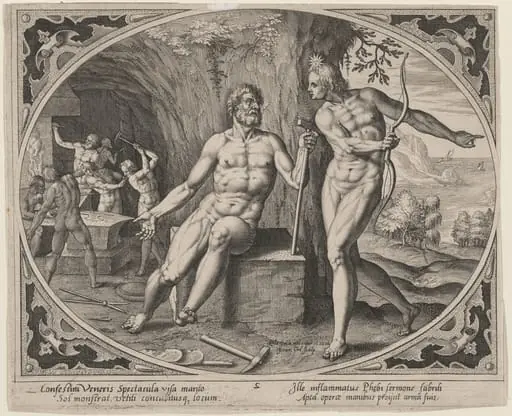 Phoebus Telling Vulcan of His Wife's Adultery
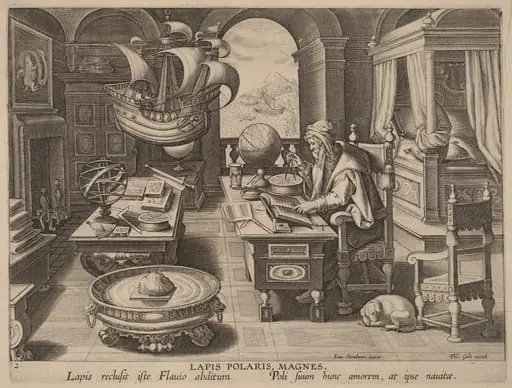 Lapis Polaris, Magnes (The Lodestone, The Magnet)
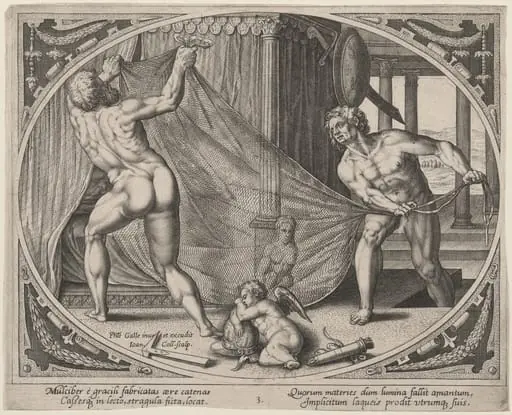 Vulcan Hanging an Iron Net above the Bed
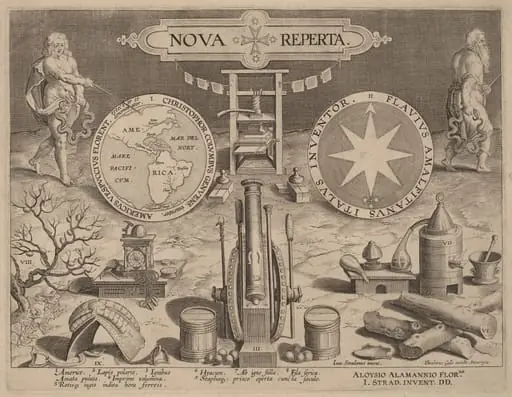 Title Page for Nova Reperta (New Discoveries)
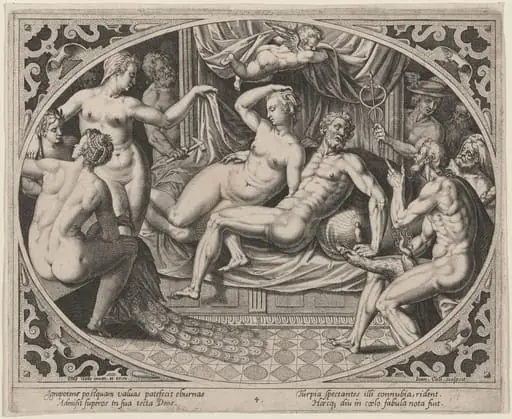 Mars and Venus Caught by the Gods
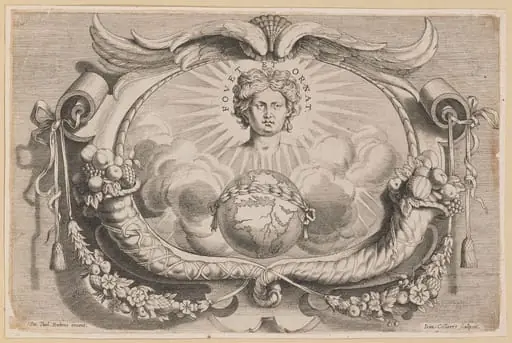 Printer's Device for Jan van Keerbergen: Vignette for Biblia Cum Glossa Ordinaria
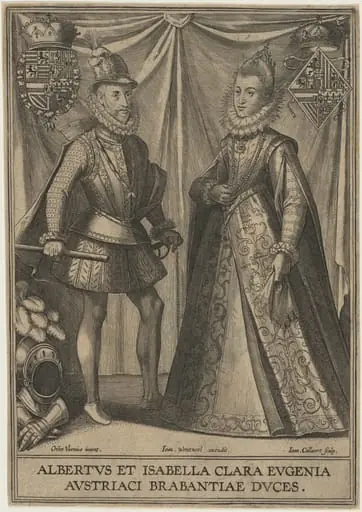 Archduke Albert and Isabella Clara Eugenie of Austria
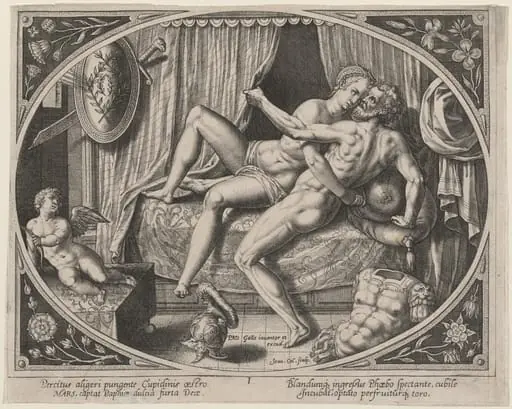 Mars and Venus Adulterous
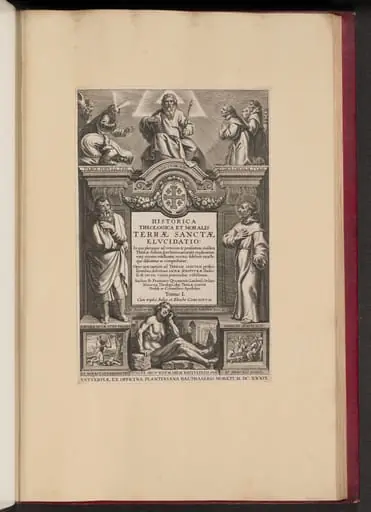 Title Page for Franciscus Aguilonius, Historica Theologica et Moralis Terrae Sanctae Elvcidatio
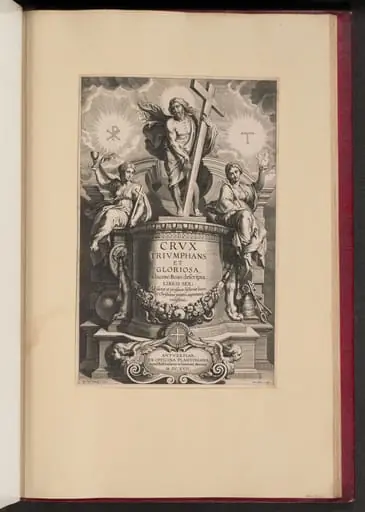 Title Page for Giacomo Bosio, Crux Triumphans et Gloriosa
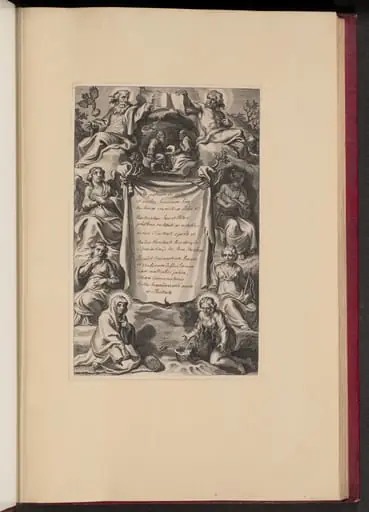 Title Page for Heribert Rosweyde's "Vitae Patrum"
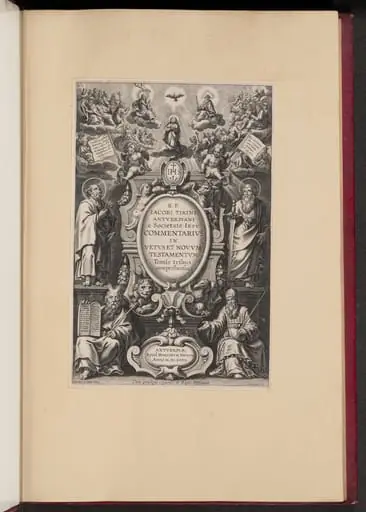 Title Page for R.P. Jacobi Tirini's "Commentarius in Vetvs et Novvm Testamentvm"
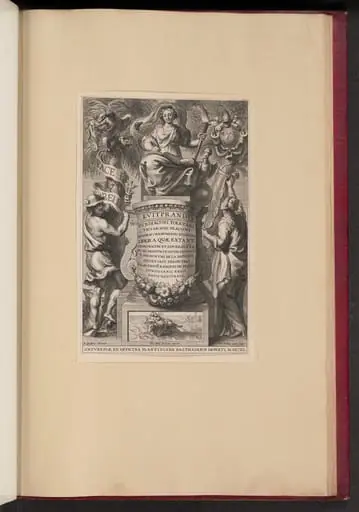 Title Page for Liutprand, Opera
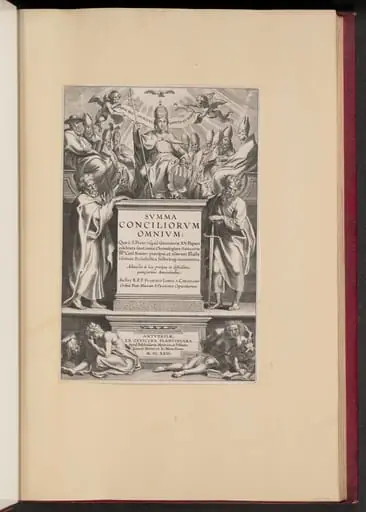 Title Page for F. Longo a Coriolano's "Svmma Conciliorvm Omnivm"
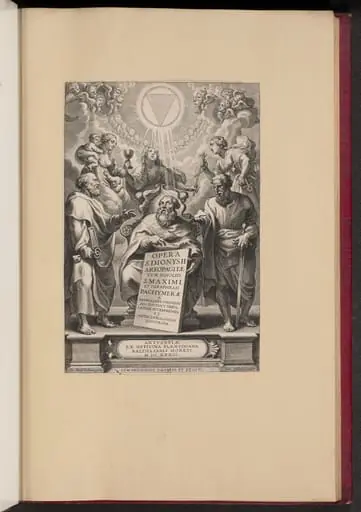 Title Page for Balthasar Cordier's "Opera S. Dionysii Areopagitae, I"
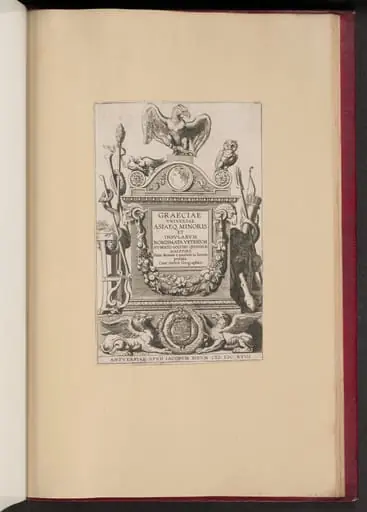 Title Page for Hubert Goltzius, Graeciae Vniversae Asiaeq. Minoris et Insularum Nomismata
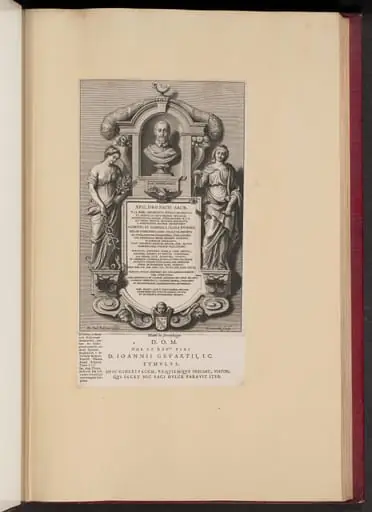 Epitaph of Claude Jean Gevaert