Artwork
The Triumph of Saint Stephen
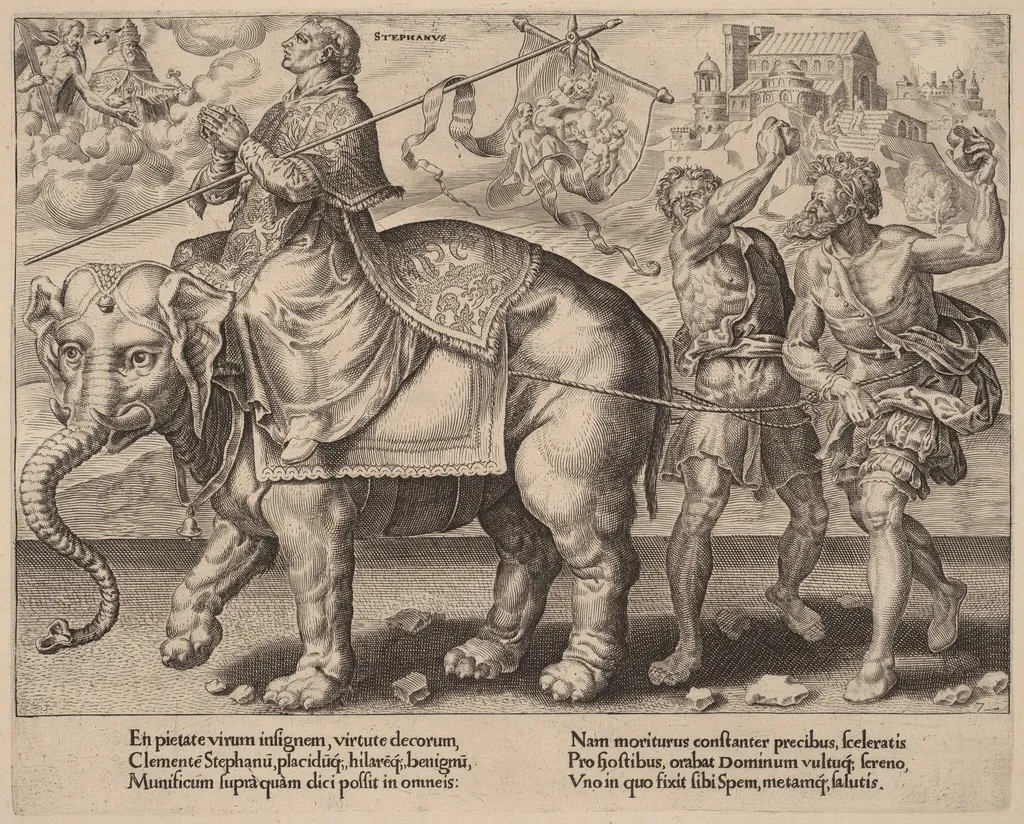
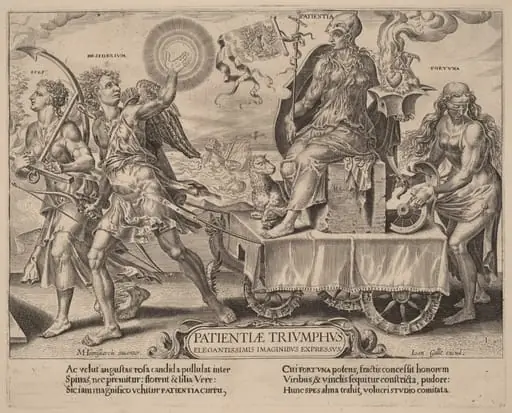
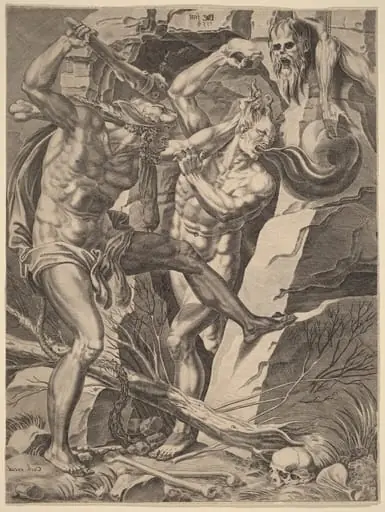
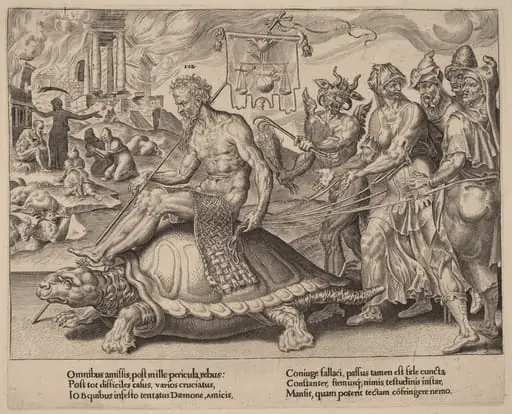
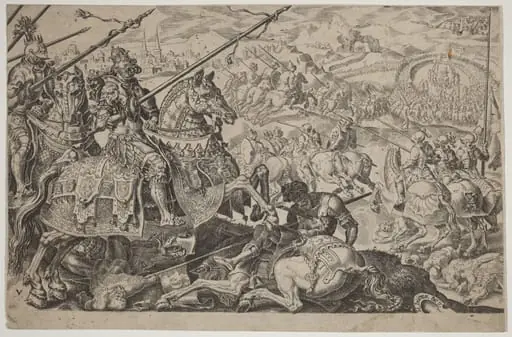
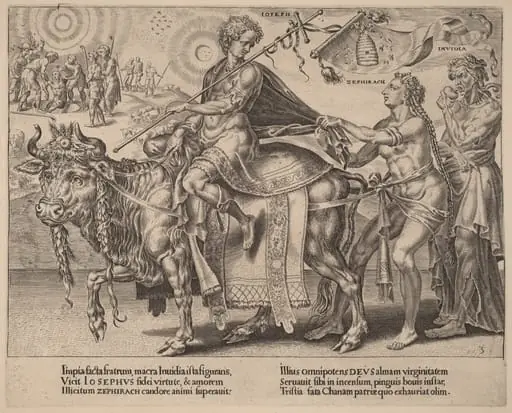
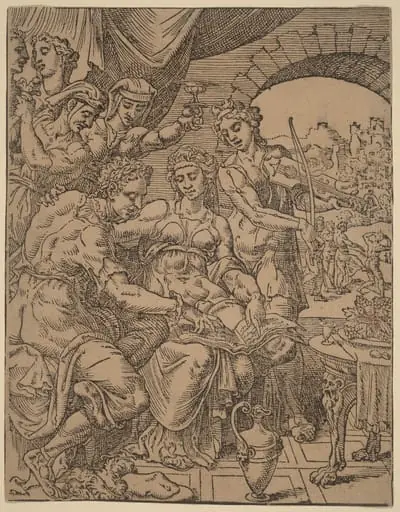
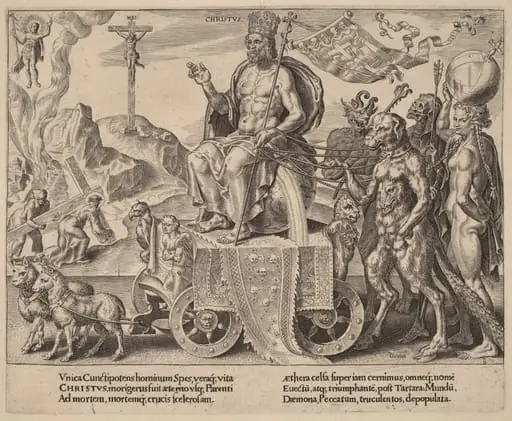
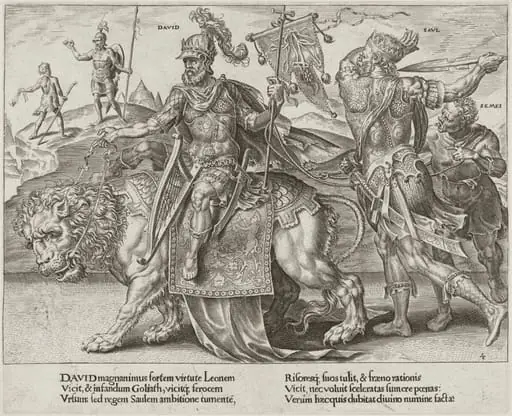
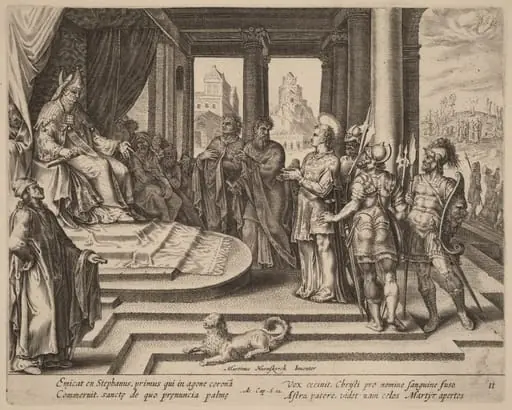
The Triumph of Saint Stephen is an ink print by the Renaissance artist Dirck Volckertz Coornhert. It dates from 1559 and is held in the collection of the National Gallery of Art.
About this work
Overview
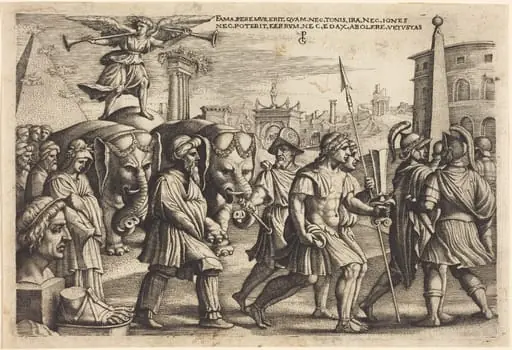
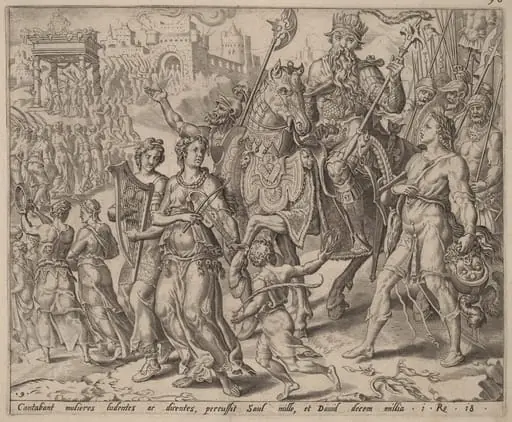
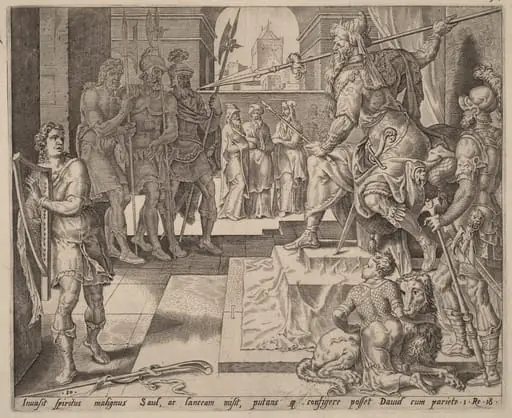
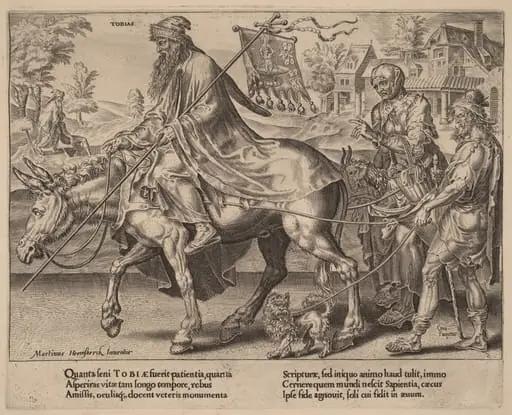
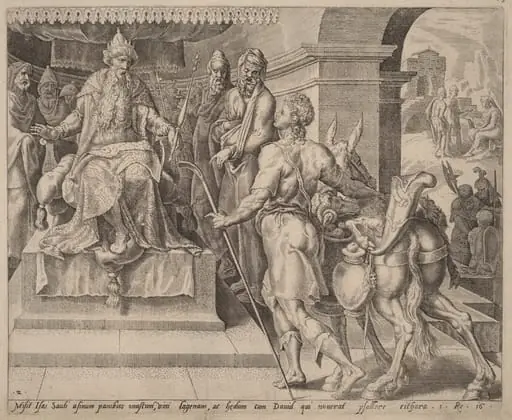
Created in 1559, this engraving and etching on laid paper depicts a symbolic procession centered on a monumental elephant bearing a robed figure.
Created in 1559, this engraving and etching on laid paper depicts a symbolic procession centered on a monumental elephant bearing a robed figure. The composition is dense with intricate, fantastical elements, blending religious allegory with imaginative detail. The artist, Dirck Volckertz Coornhert, used fine lines to construct a layered scene that invites close observation, characteristic of Northern Renaissance printmaking traditions.
Subject & Meaning
The central figure, identified as Saint Stephen, is portrayed not in martyrdom but in triumph, riding an elephant as a symbol of divine authority and patience. The chaotic crowd beneath represents worldly disorder, while the floating city in the distance suggests a heavenly realm. Latin inscriptions beneath praise his moral strength and compassion, framing the scene as a spiritual allegory rather than a literal narrative.
Technique & Style
Coornhert employed precise etching and engraving to achieve fine, controlled lines that define both grand forms and minute details. The elephant’s legs conceal tiny faces, and the background city dissolves into delicate, dreamlike contours. The contrast between the serene central figure and the agitated lower register demonstrates a mastery of visual hierarchy and symbolic density typical of 16th-century Northern prints.
History & Provenance
The print was produced in the Netherlands during a period of religious upheaval, reflecting the era’s interest in visual allegory as a means of conveying theological ideas. While no early ownership records are widely documented, its survival in institutional collections suggests it was valued by learned collectors. Coornhert, a humanist and printer, likely intended it for an educated audience familiar with biblical symbolism.
Context
Made during the Protestant Reformation, the image aligns with humanist efforts to reinterpret saints through moral rather than miraculous lenses. The elephant, a classical symbol of wisdom, was repurposed in Christian iconography to signify steadfast virtue. The surreal cityscape echoes contemporary fascination with imagined architectures, blending medieval symbolism with Renaissance curiosity about perspective and the sublime.
Legacy
Though not widely reproduced, the print exemplifies how Northern artists used printmaking to explore complex theological ideas through visual metaphor. Its intricate detail and symbolic richness influenced later engravers interested in allegorical narrative. Coornhert’s fusion of humanist thought and graphic precision remains a distinctive contribution to the print culture of the mid-16th century.
Artist & collection