Artwork
Alabaster Tablet, Plymtree
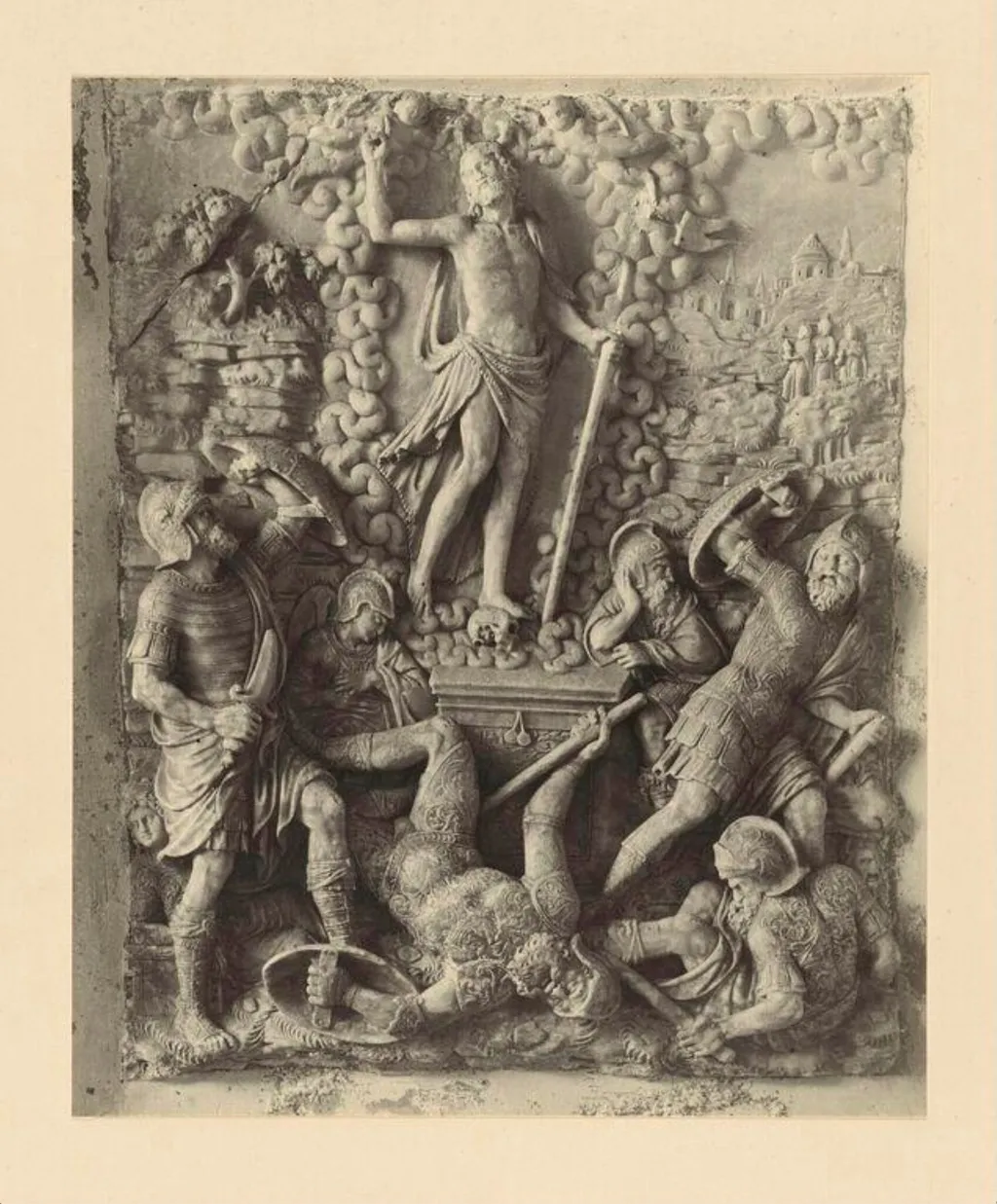
Alabaster Tablet, Plymtree is a photographic photography by J. Crowther Cox. It dates from 1948 and is held in the collection of the Victoria and Albert Museum.
About this work
Overview
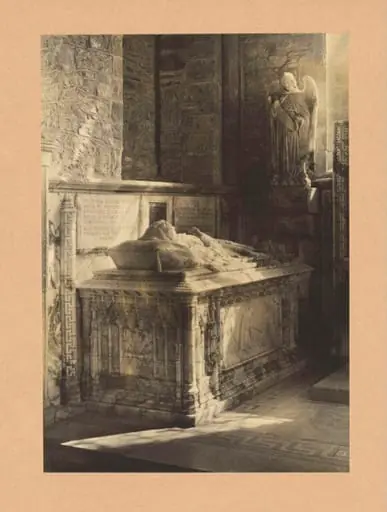
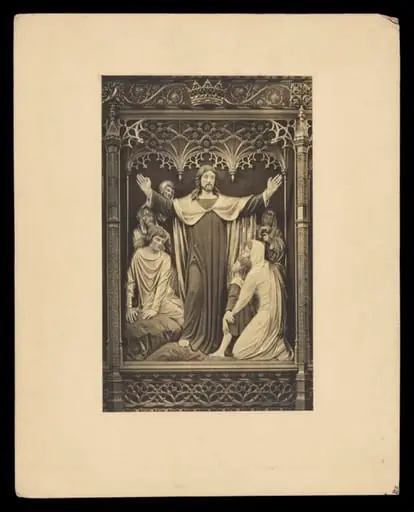
The Alabaster Tablet, Plymtree is a carved relief created in 1948 by J. Crowther Cox, later documented through black-and-white photography. The work presents a biblical scene rendered in stone, with careful attention to spatial depth and surface texture. The photograph preserves the tablet’s intricate carving, capturing its tonal contrasts and fine detailing without altering its original form.
Subject & Meaning
Around him, multiple figures appear in postures of retreat or collapse, suggesting a moment of divine authority overwhelming earthly power.
The scene depicts a central male figure, interpreted as Christ, standing elevated on a pedestal, holding a staff. Around him, multiple figures appear in postures of retreat or collapse, suggesting a moment of divine authority overwhelming earthly power. The composition conveys a narrative of spiritual dominance, rooted in Christian iconography, though without explicit textual reference or symbolic attributes like halos.
Technique & Style
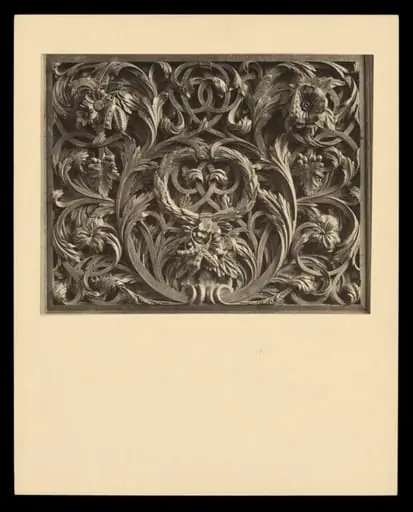
The relief employs deep carving to create pronounced shadows and highlights, enhancing the sense of movement and volume. Figures are rendered with fluid drapery and dynamic poses, suggesting motion within a static medium. The artist’s handling of surface texture—particularly in fabric and armor—demonstrates a refined grasp of tactile realism, aligning with traditional ecclesiastical carving practices of the period.
History & Provenance
The tablet was commissioned for Plymtree, a village in Devon, and installed in a local ecclesiastical setting. Its creation coincided with a postwar revival of religious art in rural England. The photograph documenting it was made shortly after completion, likely for archival or promotional purposes. No record indicates relocation; the original tablet remains in its original location.
Context
Created in the late 1940s, the tablet reflects a modest but persistent tradition of figurative religious art in British parish churches, even as modernism gained traction in urban centers. Its style draws from medieval and Renaissance precedents, yet avoids overt historicism. The work belongs to a regional practice where craftsmanship and devotional function outweighed avant-garde experimentation.
Legacy
The Alabaster Tablet remains a localized artifact, admired within its community for its craftsmanship and spiritual resonance. It has not entered broader art historical discourse but serves as an example of mid-20th-century ecclesiastical artistry in rural England. Its photographic record ensures its preservation beyond the physical object, sustaining its visibility for scholars and local historians.
Artist & collection
Artist
J. Crowther Cox spent his life pointing a camera at old buildings, especially churches, before the stones could forget their stories. He liked the way light hit carved saints and weathered coats of arms, so he returned…

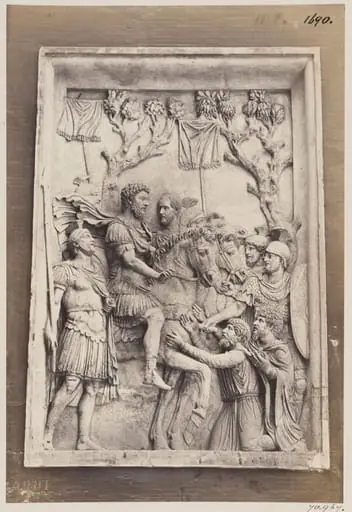 Sculpture - Bas-relief of Marcus Aurelius granting peace to the Germans, from his Arch, now in the Palazzo de' Conservatori on the Capitol
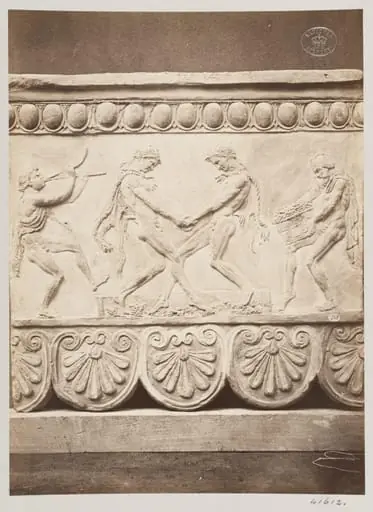 Bas-relief portion of a frieze of Satyrs treading the wine press in terra cotta
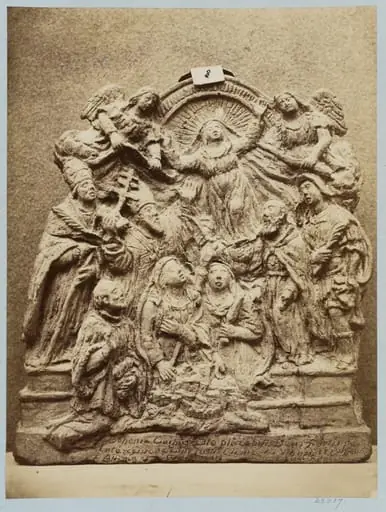 Fifth Series
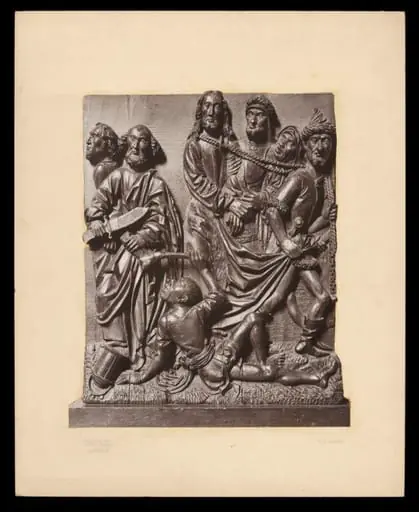 Panel Lincoln
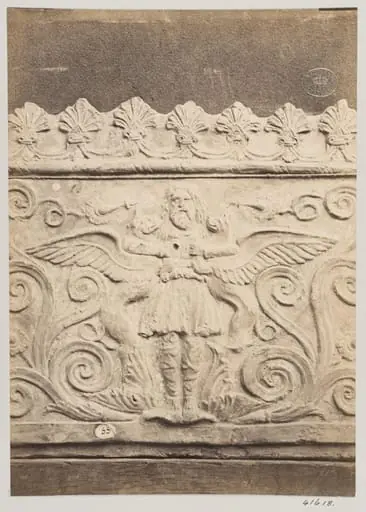 Bas-relief portion of a frieze of a flying genie in terra cotta
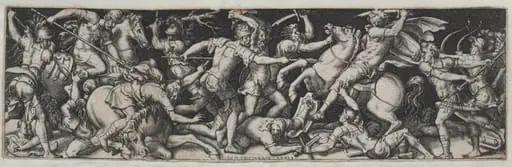 Combats and Triumphs No. 11
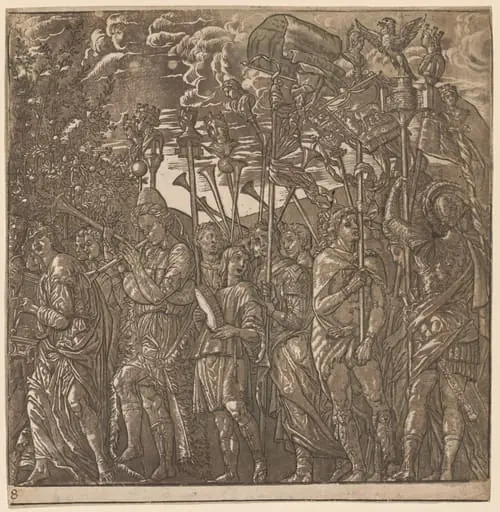 The Triumph of Julius Caesar: Soldiers Carrying Banners and Standards
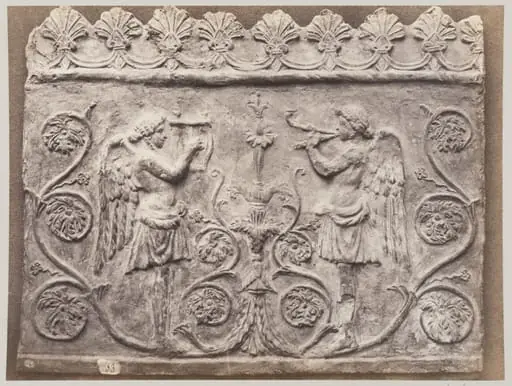 Bas-relief portion of frieze of Genii with double flutes and lyre
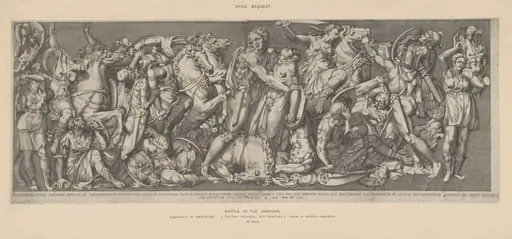 Battle of the Amazons
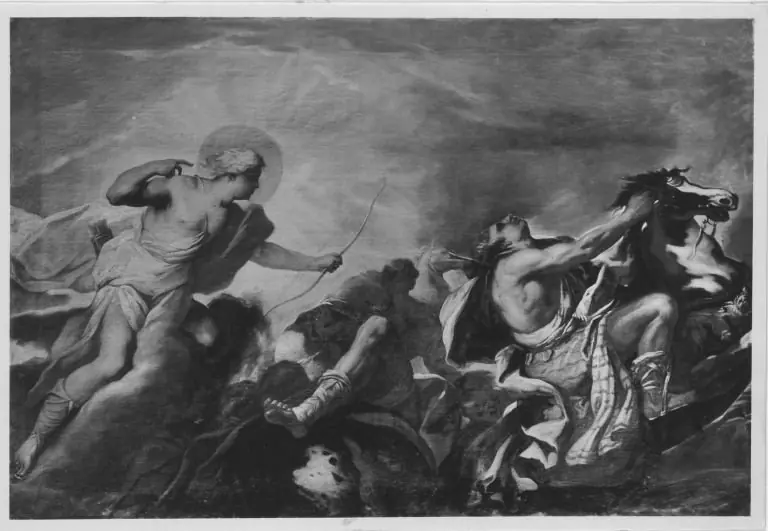 Apollo tötet die Kinder der Niobe
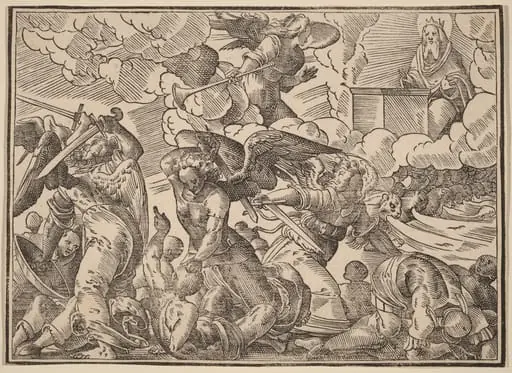 The Four Horsemen of the Apocalypse
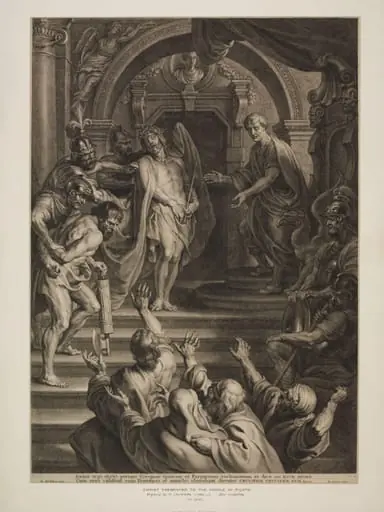 Jesus Christ before Pontias Pilate