Artwork
James I, as James VI of Scotland
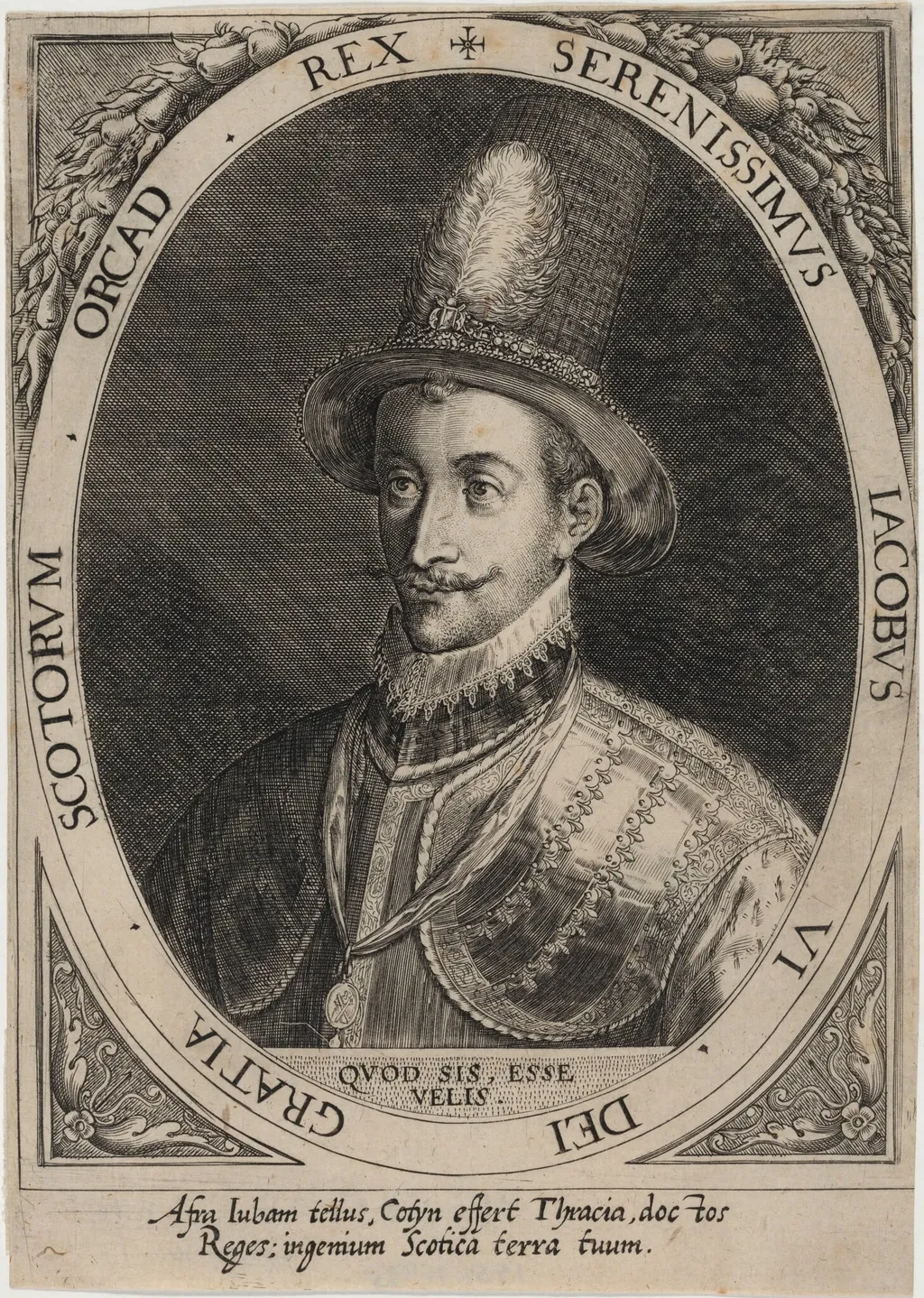
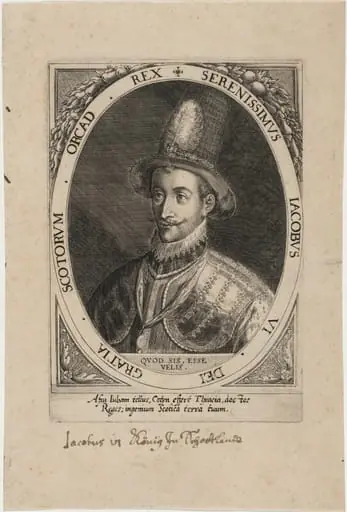
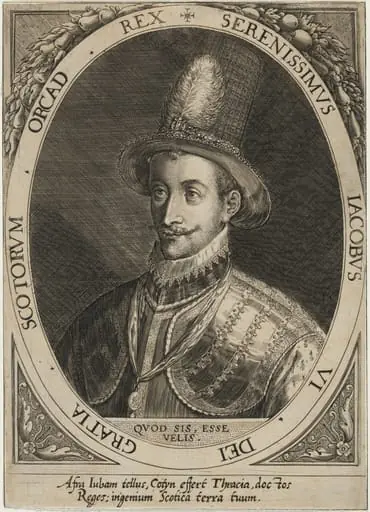
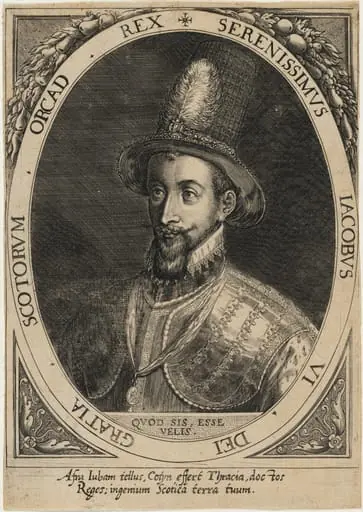
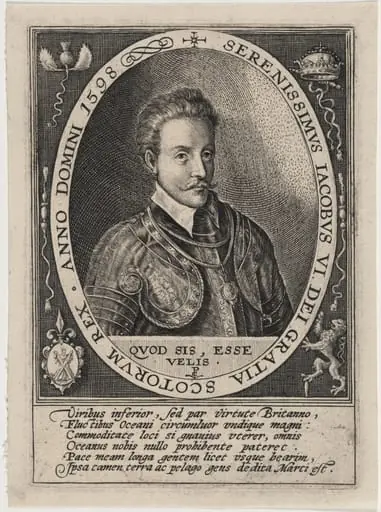
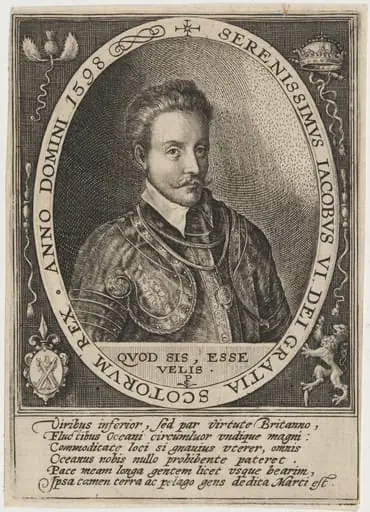
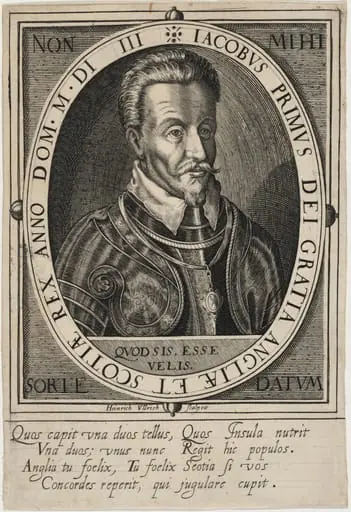
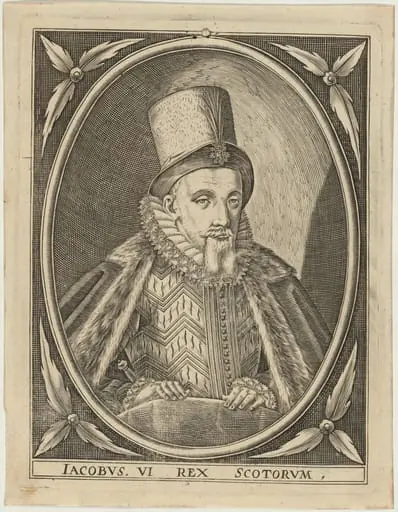
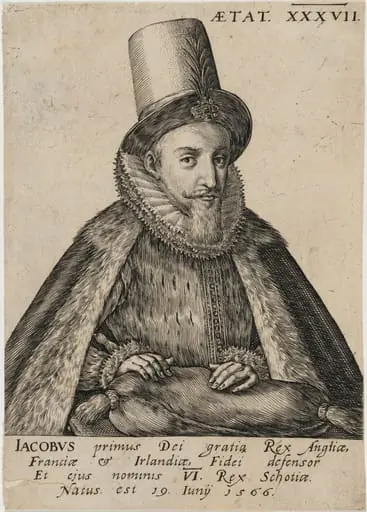
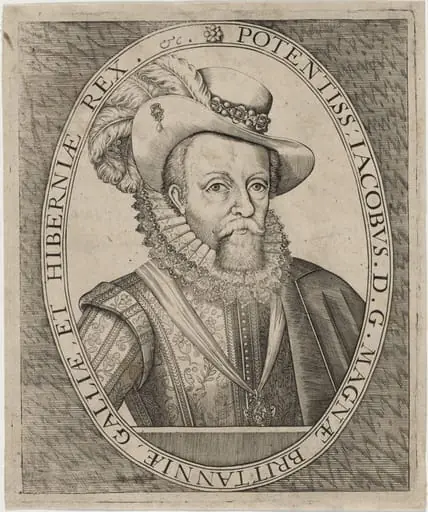
James I, as James VI of Scotland is an ink print by the Baroque artist Dominicus Custos. It dates from 1600 and is held in the collection of the National Gallery of Art.
About this work
Overview
This print is an engraving on laid paper, created by Dominicus Custos in 1600. It depicts a portrait of a man in a detailed, black-and-white style.
Subject & Meaning
The subject is James I of England, shown as James VI of Scotland. The portrait reflects the political and dynastic ties between Scotland and England during this period. The Latin inscriptions around the border, including 'Rex Serenissimus' and 'Jacobus', add to the formal, regal representation.
Technique & Style
The engraving technique is evident in the precise lines and shading achieved through tiny parallel marks, giving the image depth. Custos, trained in the workshop tradition of his father-in-law, Bartholomäus Kilian, specialized in copperplate engraving, a process that involves carving into metal to create detailed images.
History & Provenance
Dominicus Custos, a Flemish engraver active in Augsburg and Prague, created this work. Born in Antwerp, he was trained by his father-in-law, a goldsmith, before developing his skills in engraving.
Artist & collection
Artist
Dominicus Custos (1560–1612) was a Flemish artist, printer and copperplate engraver, who worked in the service of Emperor Rudolph II in Prague.