Artwork
Saint John the Baptist and Saint Onuphrius
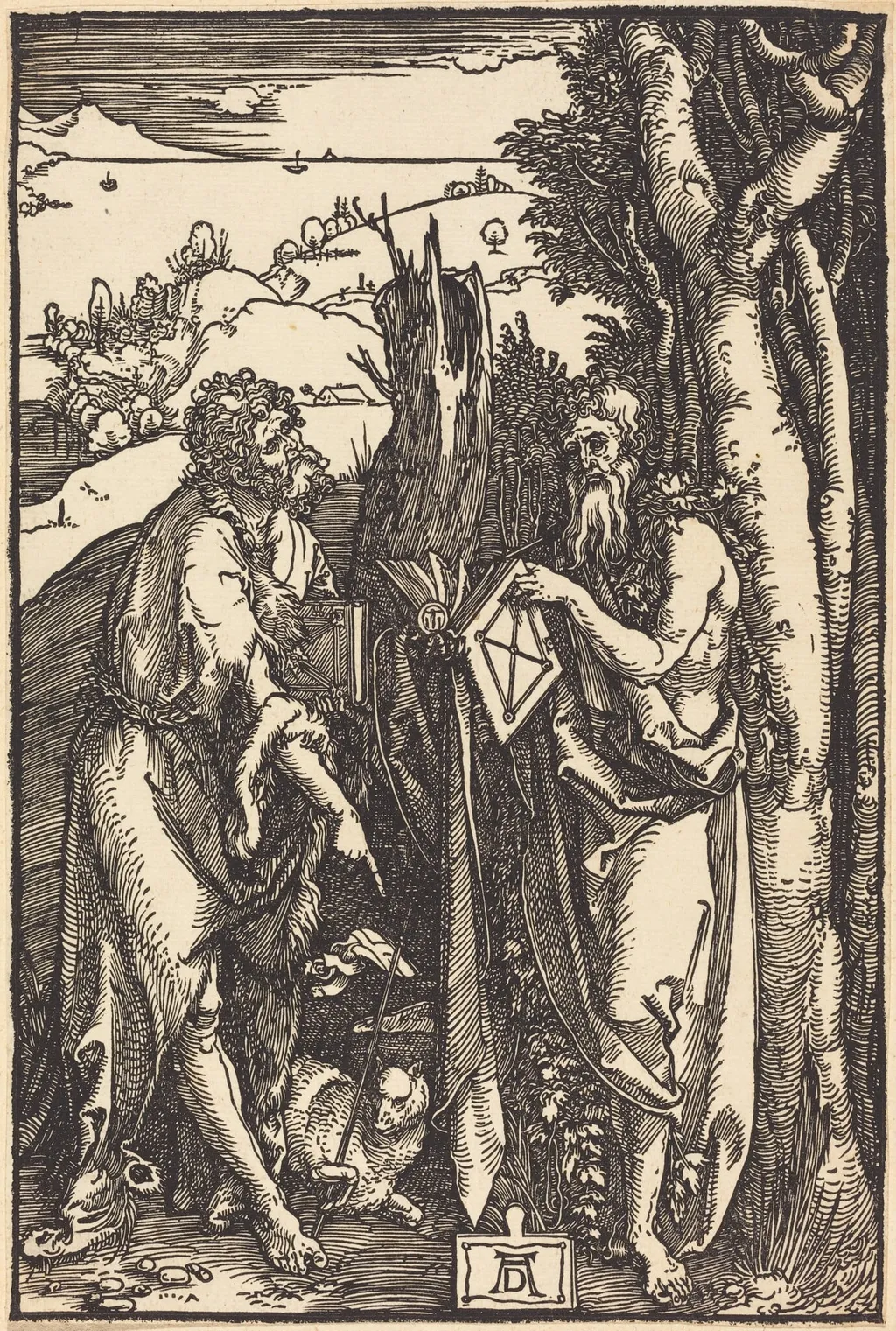
Saint John the Baptist and Saint Onuphrius is an ink print by the Northern Renaissance artist Albrecht Dürer. It dates from 1504 and is held in the collection of the Metropolitan Museum of Art.
About this work
Overview
To his right stands Saint Onuphrius, a desert hermit depicted with long, matted hair and a loincloth, reflecting his ascetic life in the wilderness.
Created in 1504, 'Saint John the Baptist and Saint Onuphrius' is a woodcut by the German Renaissance master Albrecht Dürer. The composition features two standing figures in a vertical format, rendered with the artist's characteristic precision in line and texture. On the left stands John the Baptist, identifiable by his traditional camel-hair garment and the cross staff he holds, representing his role as the forerunner of Christ. To his right stands Saint Onuphrius, a desert hermit depicted with long, matted hair and a loincloth, reflecting his ascetic life in the wilderness. Dürer juxtaposes these two figures to contrast their distinct forms of piety: the prophetic mission of John and the solitary penance of Onuphrius. The work exemplifies Dürer's mastery of the woodcut medium during his mature period, utilizing fine hatching and cross-hatching to model volume and create detailed surface textures in the hair and drapery without the use of color. This print is part of a series of religious works produced around the time of Dürer's second Italian journey, showcasing his ability to synthesize Northern European detail with Italianate compositional balance and anatomical study.
Subject & Meaning
The image brings together Saint John the Baptist, the forerunner of Christ, and Saint Onuphrius, a hermit saint associated with desert asceticism. Their juxtaposition highlights themes of prophetic witness and solitary piety, inviting viewers to reflect on the varied paths to spiritual devotion within Christian tradition.
Technique & Style
Dürer employs the woodcut medium with precise line work, creating a strong chiaroscuro that separates the figures from the background. Fine hatching renders the texture of the saints’ garments and hair, while the limited tonal range emphasizes the solemn stillness of the scene.
History & Provenance
The print originates from Dürer’s early period in Nuremberg, when he was experimenting with religious subjects for the burgeoning market of devotional prints. Surviving copies are held in several European collections, indicating the work’s wide distribution shortly after its production.
Context
Created during the transition from the late Gothic to the Northern Renaissance, the woodcut reflects Dürer’s engagement with both traditional iconography and emerging humanist interests. The pairing of a biblical prophet with a desert hermit mirrors contemporary theological discussions about the nature of sanctity.
Artist & collection
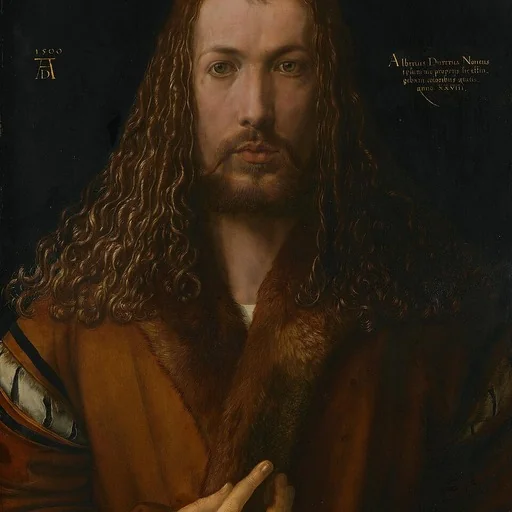
Artist
Albrecht Dürer spent his life in Nuremberg, a busy German city where artists traded prints like currency.

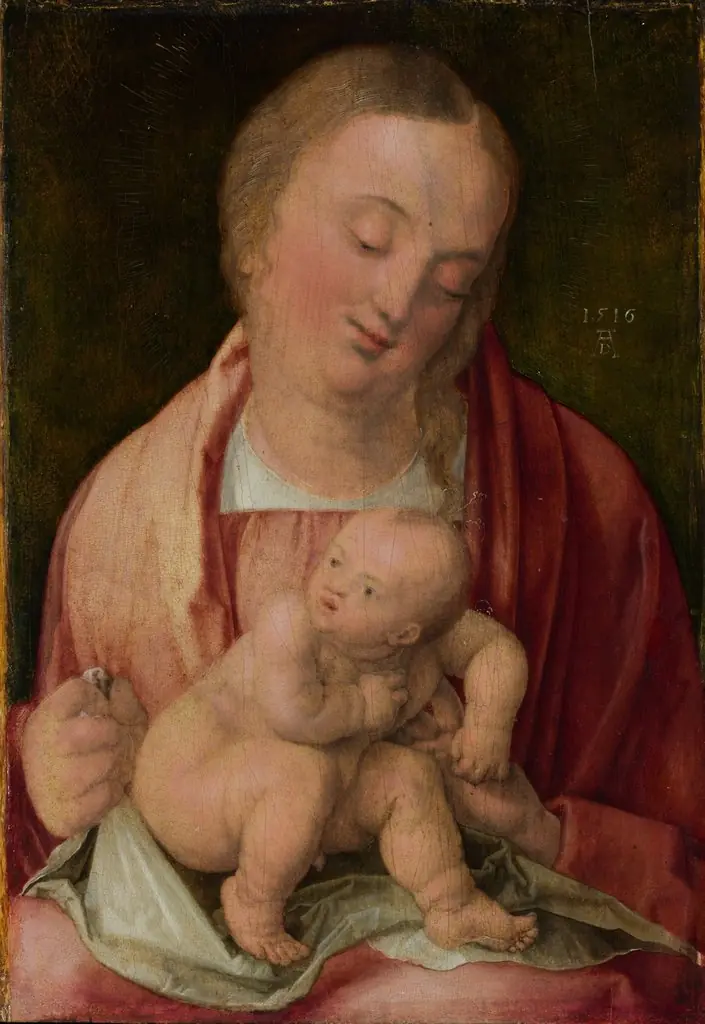
![Madonna and Child [obverse], by Albrecht Dürer](https://artifactworldgallery.com/img/albrecht-durer--madonna-and-child-obverse--d7b8ebf05d22ebe5-w320.webp)
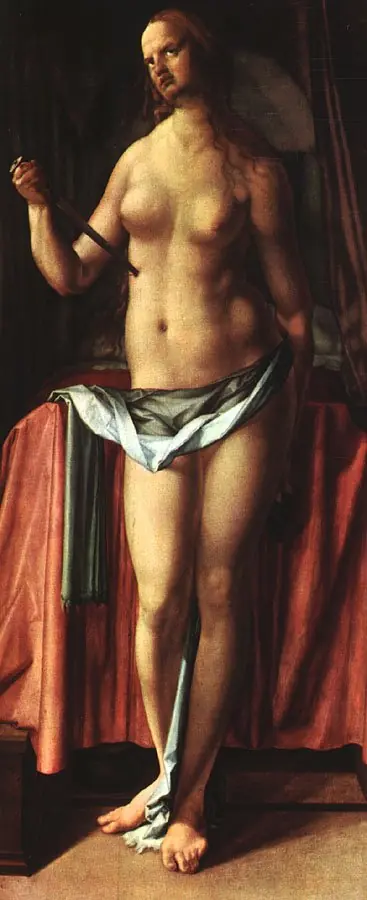
![Lot and His Daughters [reverse], by Albrecht Dürer](https://artifactworldgallery.com/img/albrecht-durer--lot-and-his-daughters-reverse--b4ebf9b282faa17a-w320.webp)
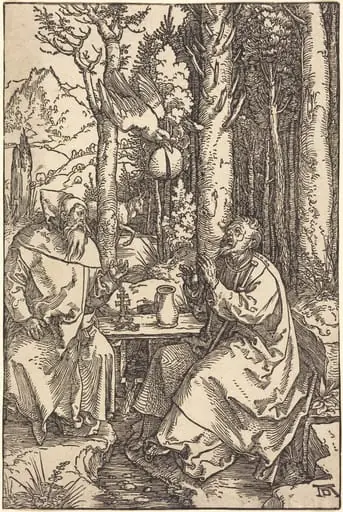 Saint Anthony and Saint Paul in the Wilderness
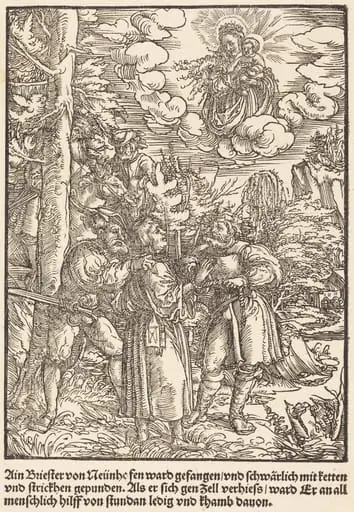 Ain Briester von Neunhe ...
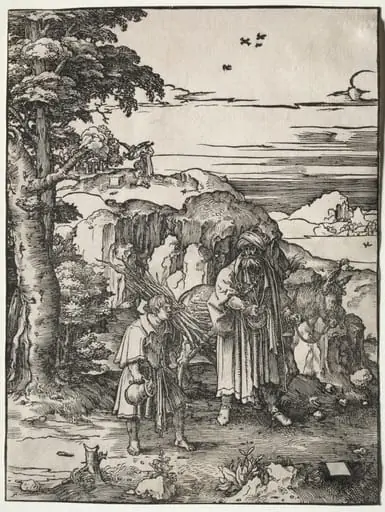 Abraham Going to Sacrifice Isaac
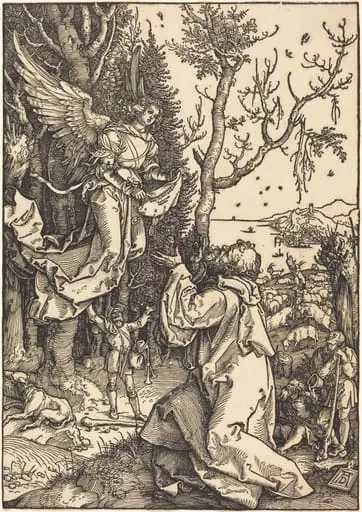 Joachim and the Angel
 Saint Christopher Seated by a River Bank
 The Agony in the Garden
 Saint Jerome in the Desert
 Christ Appearing to Mary Magdalene
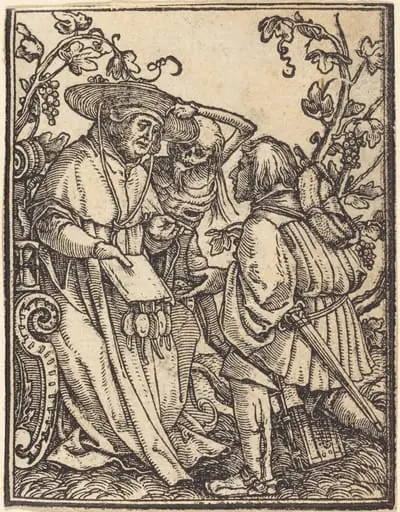 The Cardinal
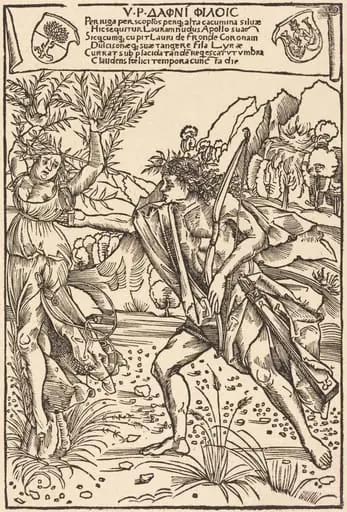 Apollo and Daphne
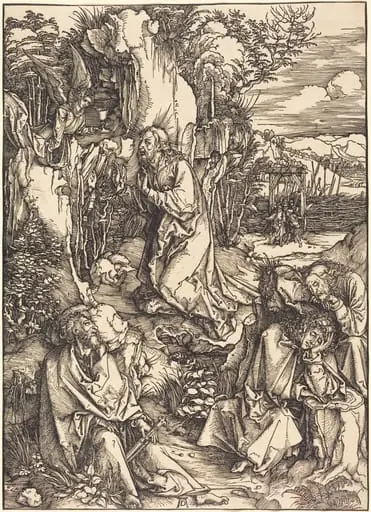 Christ on the Mount of Olives
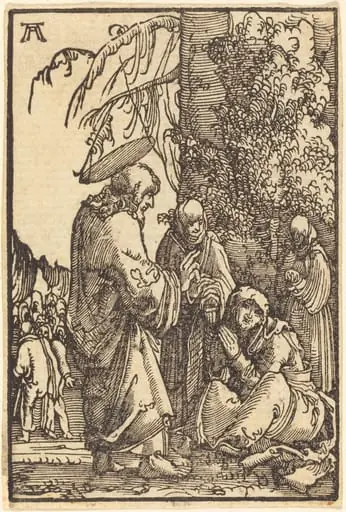 Christ Taking Leave of his Mother