Artwork
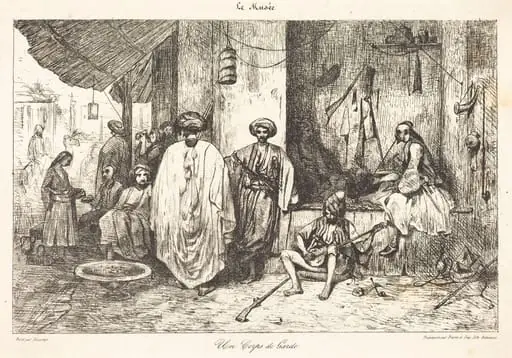
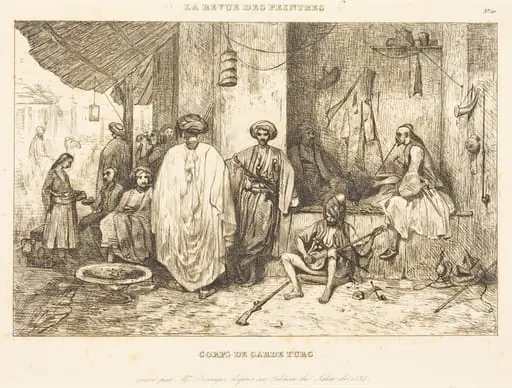
Un corps de garde peint par Decamps
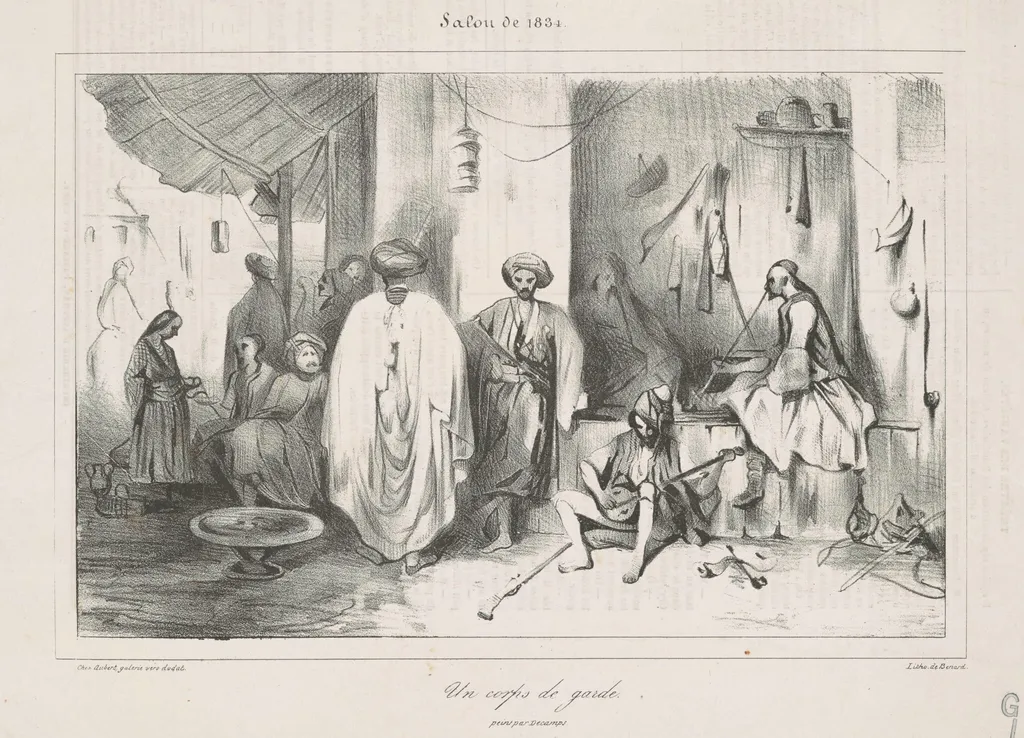
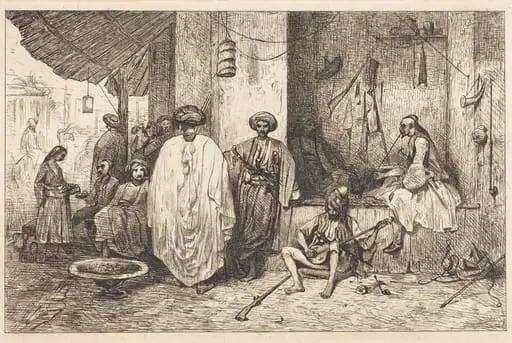
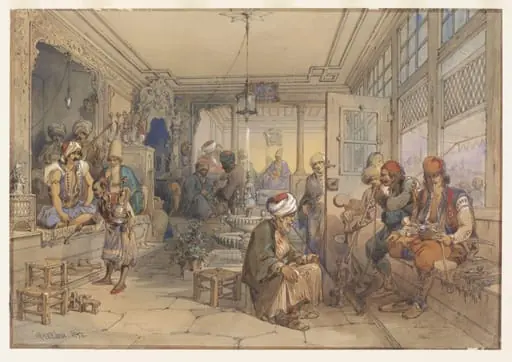
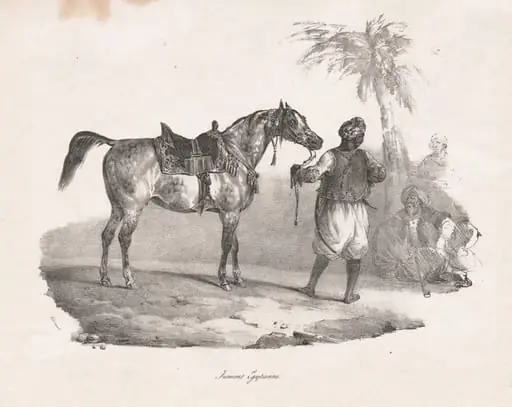
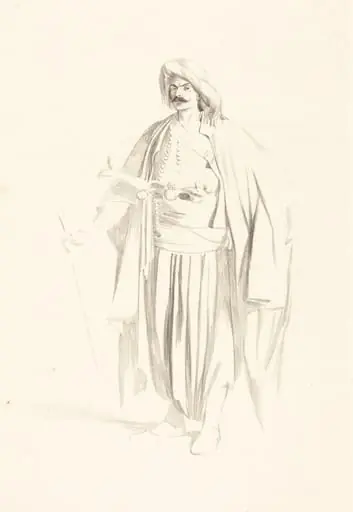
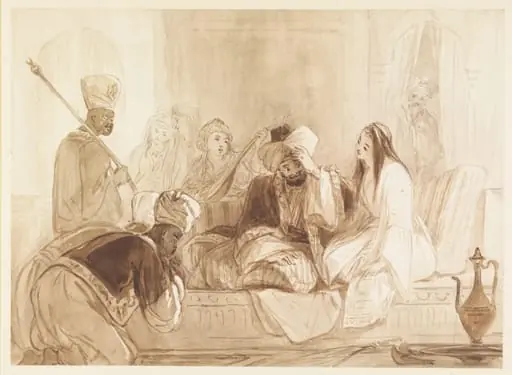
Un corps de garde peint par Decamps is an ink print by the Romanticist artist Honoré Daumier. It dates from 1834 and is held in the collection of the National Gallery of Art.
About this work
Overview
The work belongs to a series of satirical prints Daumier produced during the July Monarchy, using visual irony to comment on social pretensions.
Created in 1834, this lithograph by Honoré Daumier depicts a group of figures in elaborate attire gathered in a space that ambiguously blends interior and exterior environments. The work belongs to a series of satirical prints Daumier produced during the July Monarchy, using visual irony to comment on social pretensions. Its composition focuses on the contrast between ceremonial dress and the mundane setting of a military guardhouse.
Subject & Meaning
The figures, dressed in exoticized robes and turbans, appear to be performing or observing music within a military outpost. Daumier uses this incongruous setting to critique the aristocracy’s fascination with Orientalist spectacle, juxtaposing theatrical display with the drab reality of state institutions. The scene suggests a hollow performance of culture, revealing the disconnect between appearance and substance in bourgeois society.
Technique & Style
Daumier employed lithography to achieve sharp contrasts and fluid linework, emphasizing texture in fabrics and the angular postures of the figures. His use of dense hatching and minimal tonal gradation creates a sense of immediacy and caricature. The composition is tightly framed, directing attention to the clustered figures and the draped textiles that obscure architectural boundaries, reinforcing the ambiguity of the setting.
History & Provenance
Produced during Daumier’s early career as a political cartoonist for the satirical journal La Caricature, this print was part of a broader campaign to mock the excesses of the July Monarchy. It was likely distributed as a single-sheet lithograph, circulating among Parisian intellectuals. No known original printing from 1834 survives in major public collections, but later impressions are held in institutional archives.
Context
In the 1830s, Orientalism was a popular aesthetic in French art and fashion, often used to signify luxury and exoticism. Daumier subverted this trend by placing such imagery within the mundane context of a guardhouse—a symbol of state control. His work responded to the government’s censorship and the public’s appetite for spectacle, using satire to expose the absurdity of cultural mimicry among the elite.
Legacy
This lithograph exemplifies Daumier’s early mastery of social critique through printmaking. While less known than his later depictions of lawyers or laborers, it established his signature approach: using everyday scenes to reveal deeper societal tensions. His ability to merge visual wit with political insight influenced generations of satirical artists and cartoonists in Europe and beyond.
Artist & collection
Artist
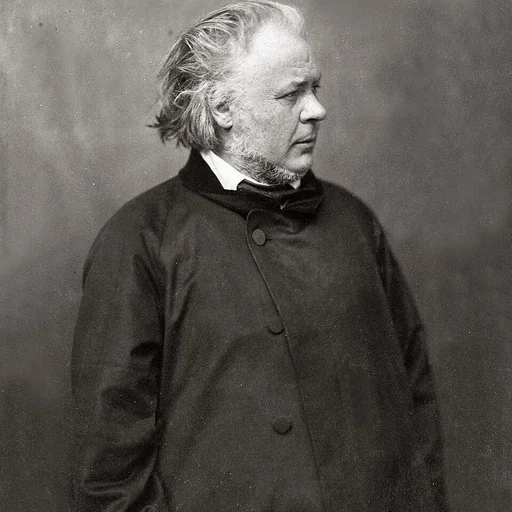
Honoré-Victorin Daumier was a French painter, sculptor, and printmaker, whose many works offer commentary on the social and political life in France, from the Revolution of 1830 to the fall of the Second French Empire in 1870.