Artwork
Classical Sculpture of a Woman with an Outstretched Arm
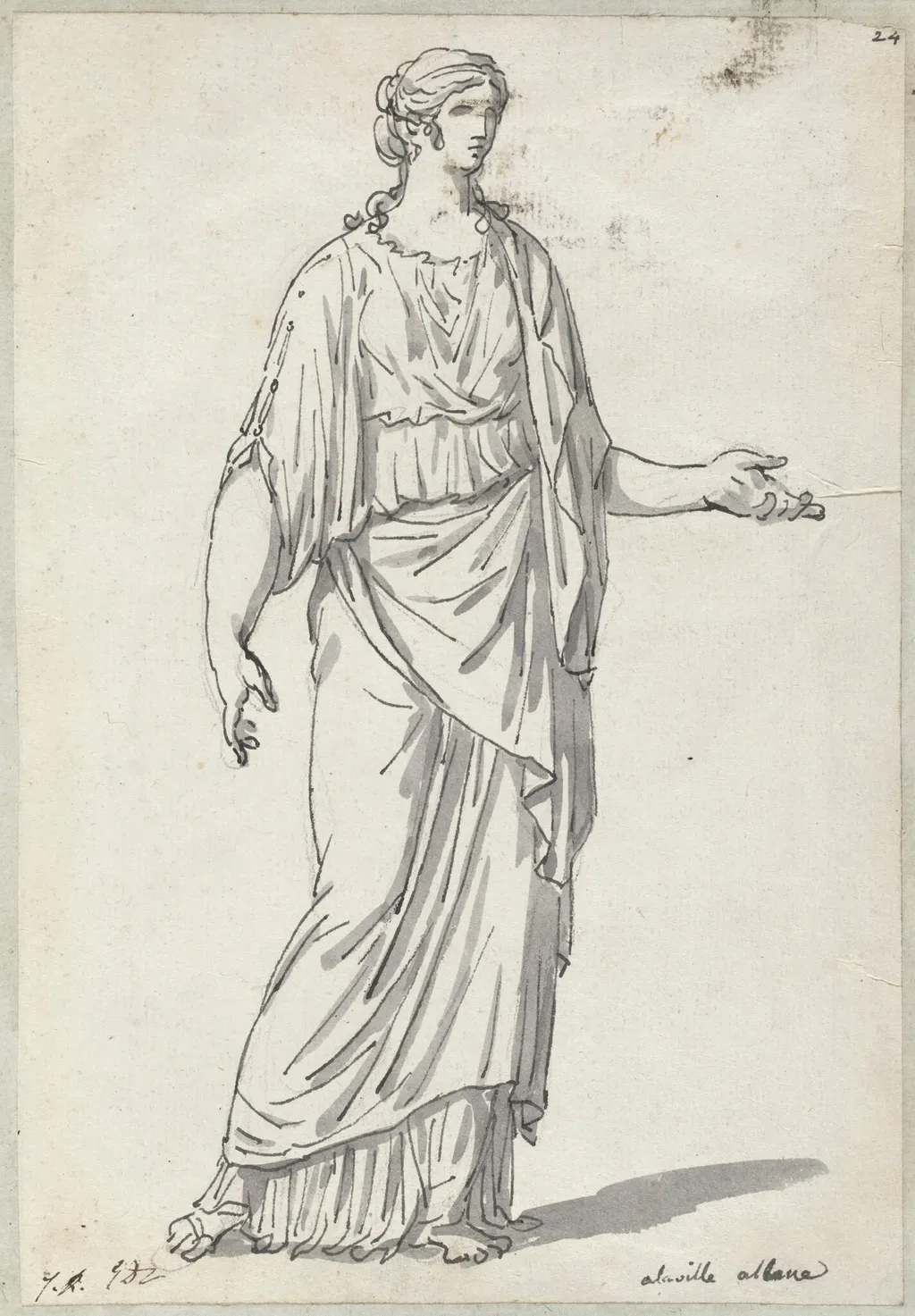
Classical Sculpture of a Woman with an Outstretched Arm is an ink drawing by the Neoclassicist artist Jacques-Louis David. It dates from 1778 and is held in the collection of the National Gallery of Art.
About this work
Overview
Jacques‑Louis David’s 1778 drawing, titled Classical Sculpture of a Woman with an Outstretched Arm, is executed on laid paper using black ink, gray wash, and underlying graphite traces. The composition presents a single female figure rendered as a classical statue, her draped garment and hair rendered with careful attention to form and surface.
Subject & Meaning
The work depicts a solitary woman posed in a neoclassical idiom, her right arm extended forward while the left rests at her side. The gesture suggests a moment of poised action or offering, aligning with the period’s fascination with antiquity and the idealized representation of the human body.
Technique & Style
David employs a realistic drawing approach, combining precise cross‑hatching with a subtle gray wash to model volume and texture. The graphite underdrawing provides structural guidance, while the ink lines define the folds of the drapery and the texture of the hair, creating depth without reliance on heavy shading.
History & Provenance
Created in 1778, the piece belongs to David’s early oeuvre, produced before his rise as a leading French neoclassical painter. The drawing remains on laid paper, preserving the artist’s original materials and technique, and is catalogued among his preparatory studies of classical subjects.
Artist & collection
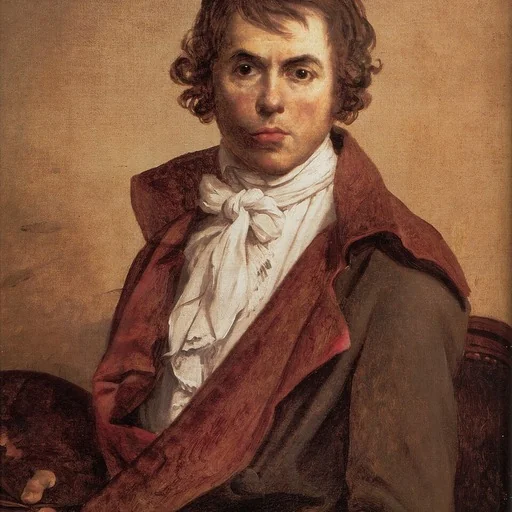
Artist
Jacques-Louis David was born in Paris on 30 August 1748 into a bourgeois family; his father died in a duel when the boy was nine, and a maternal uncle guided his education.

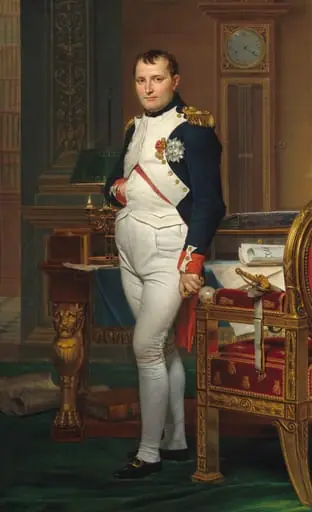 The Emperor Napoleon in His Study at the Tuileries
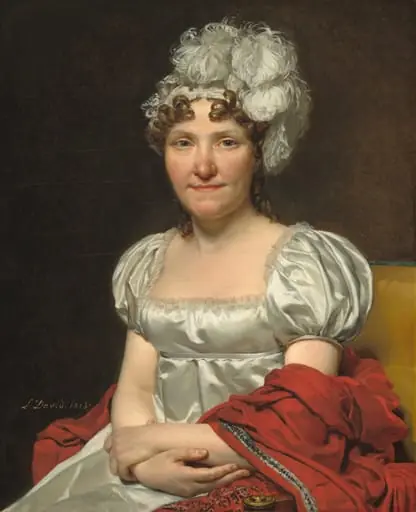 Madame David
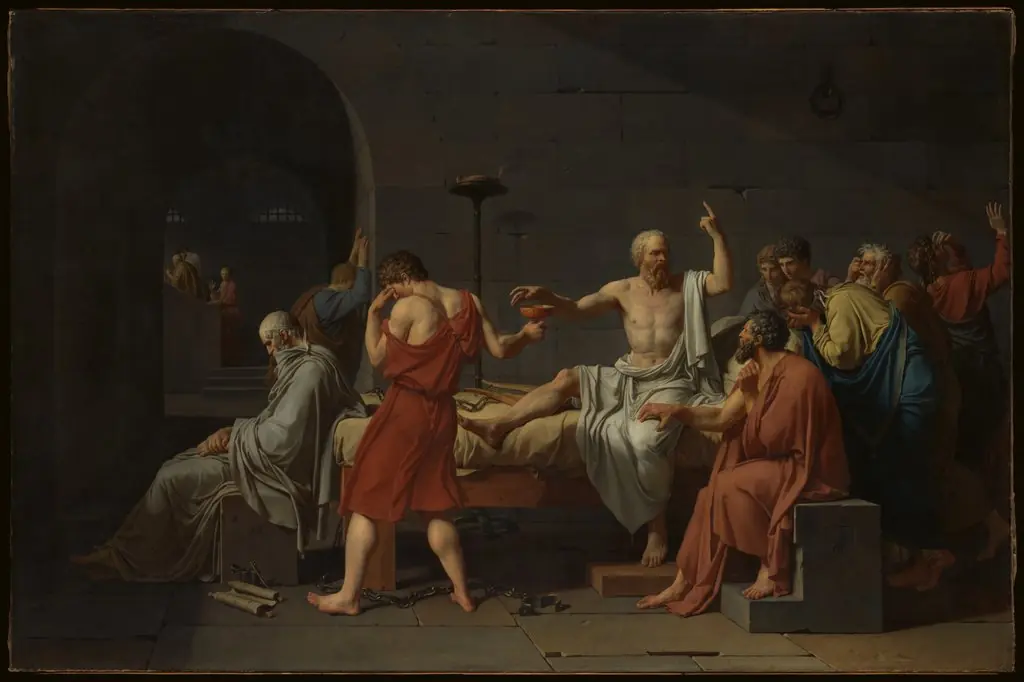 The Death of Socrates
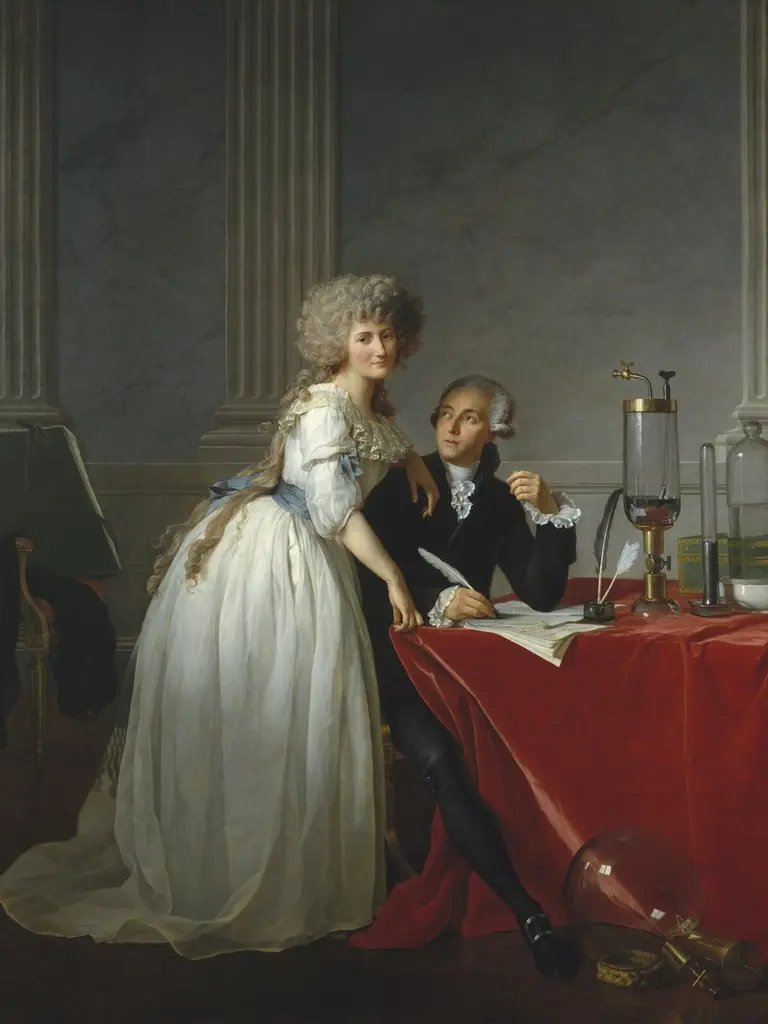 Portrait of Antoine-Laurent Lavoisier and his wife
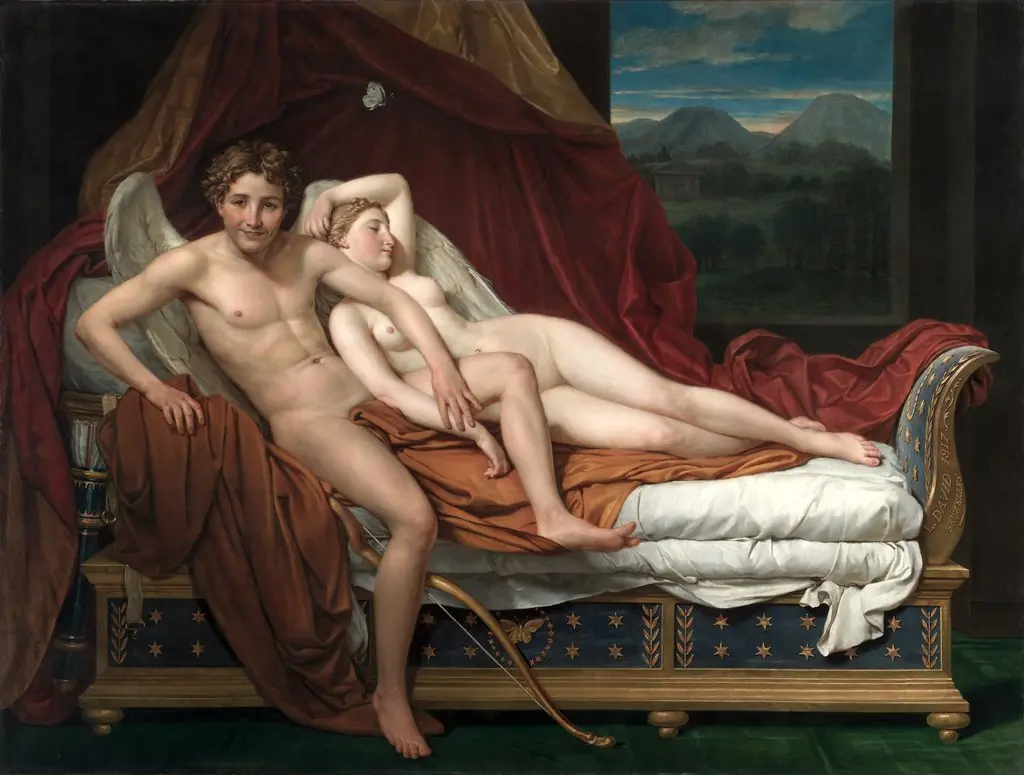 Cupid and Psyche
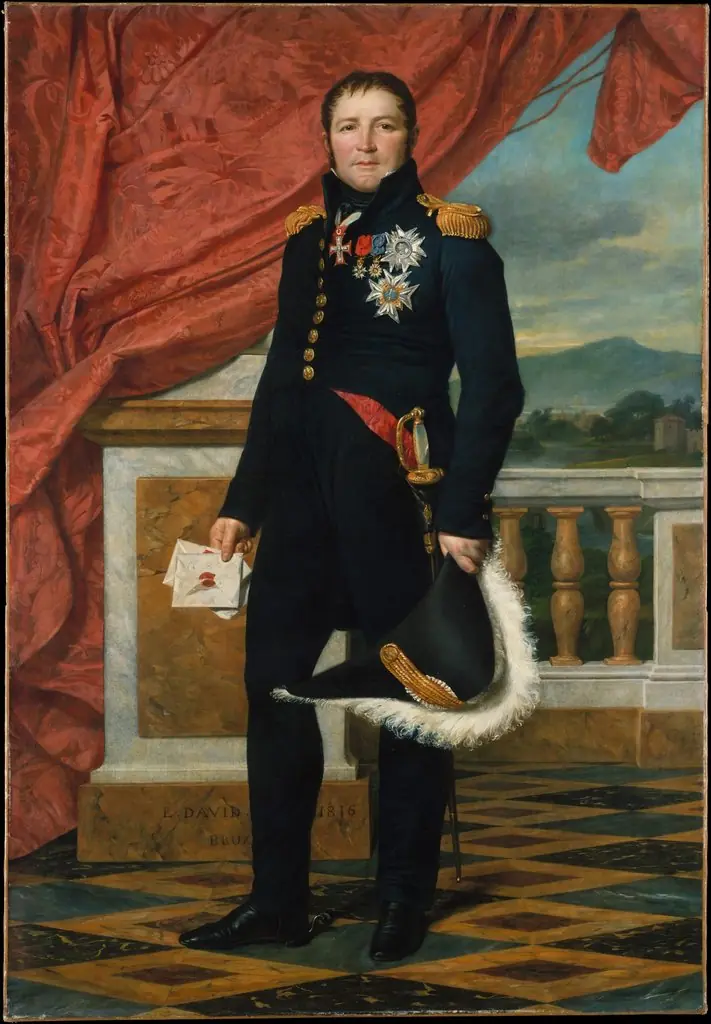 General Étienne-Maurice Gérard (1773–1852), Marshal of France
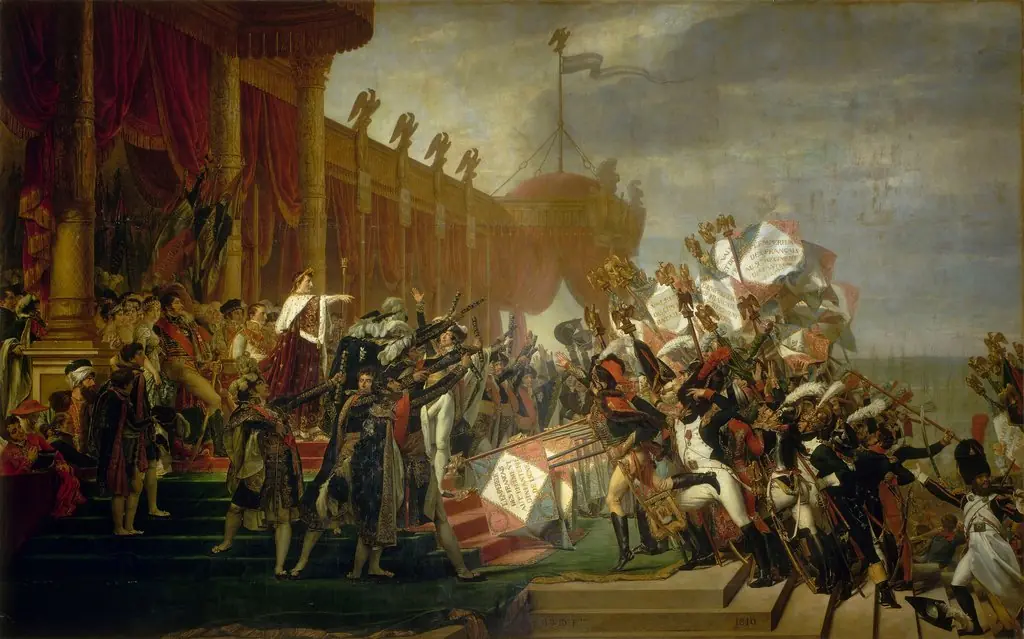 The Distribution of the Eagle Standards
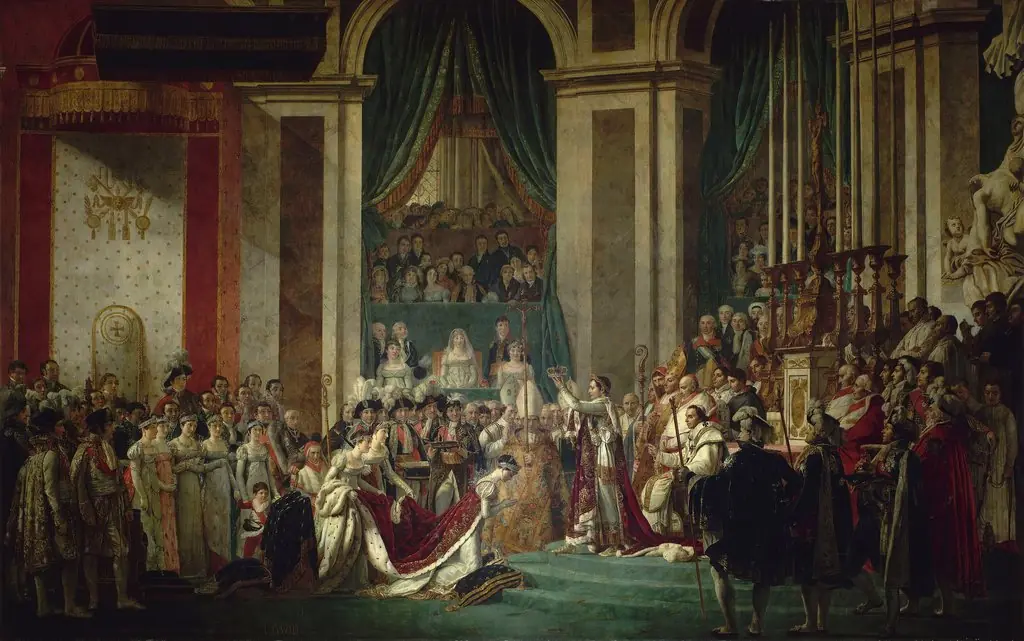 Coronation of Emperor Napoleon I and Coronation of the Empress Josephine
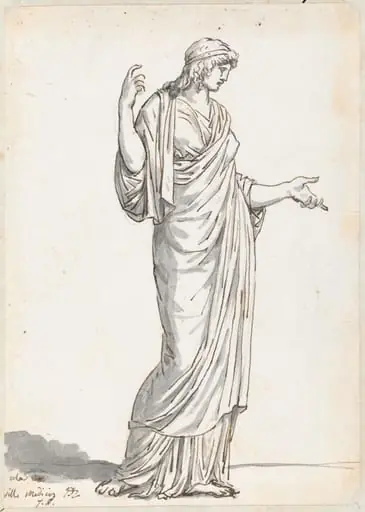 Woman from the Villa Medici
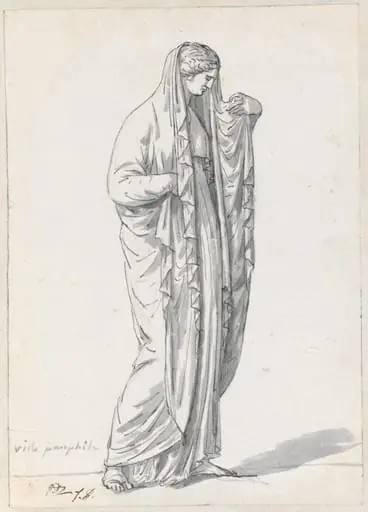 Draped Woman from the Villa Pamphili
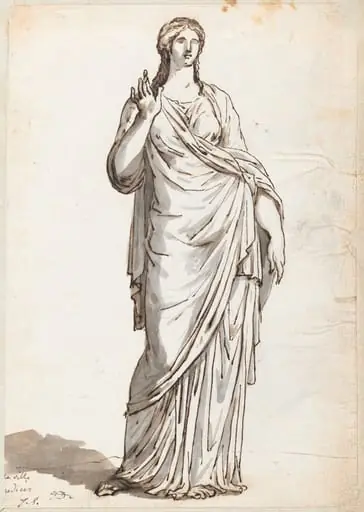 Woman with a Raised Hand, from the Villa Medici
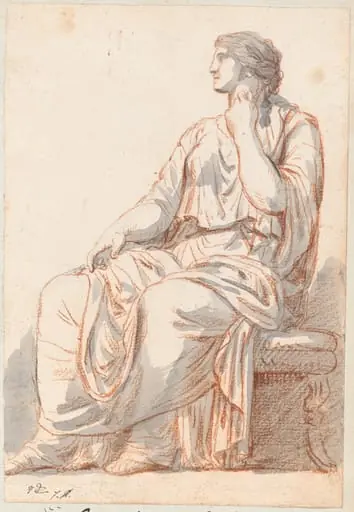 Faustine
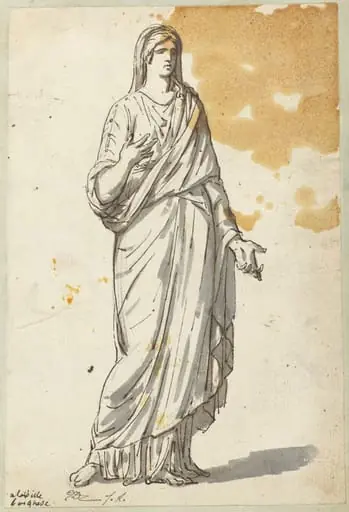 Woman from the Villa Borghese
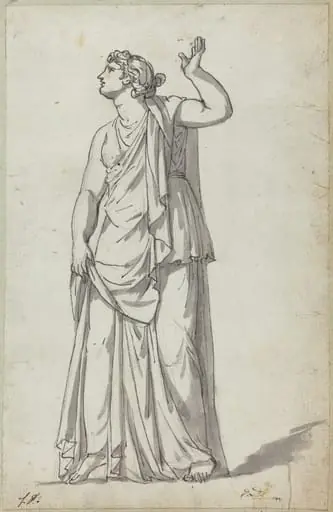 Roman Statue of a Muse (Anchyrrhoe)
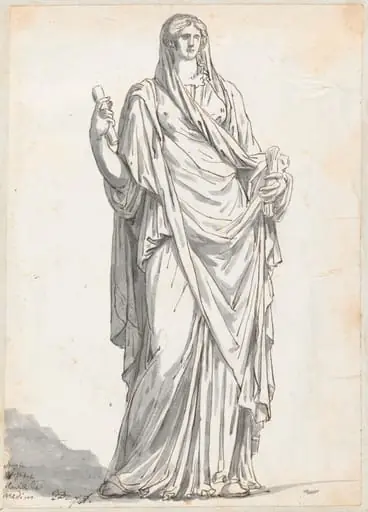 Orante from the Villa Medici
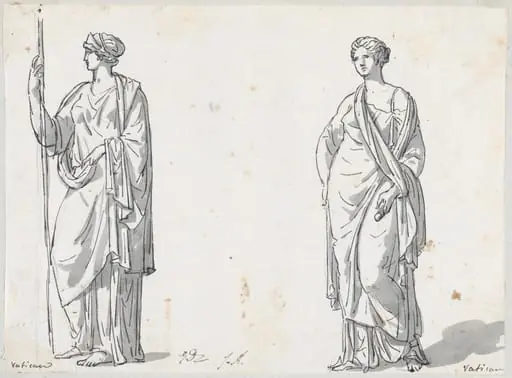 Hera and Ceres, from the Vatican
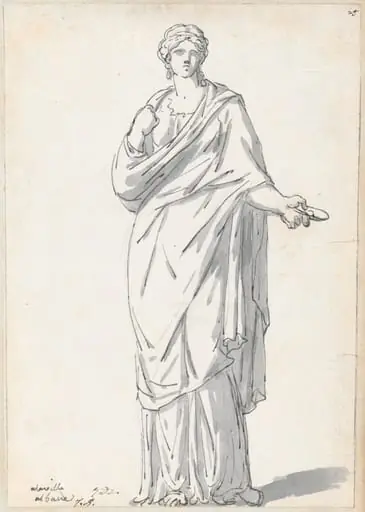 Woman from the Villa Albani
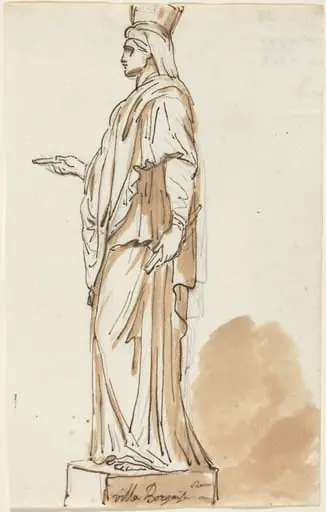 The Borghese Cybele
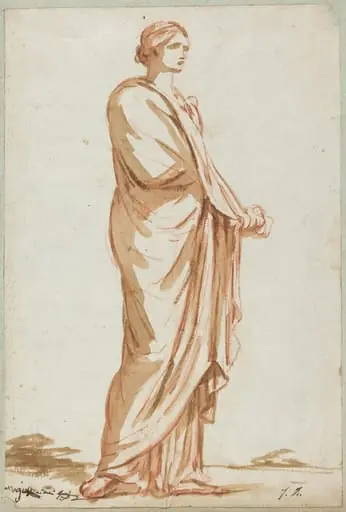 Roman Statue of a Standing Woman
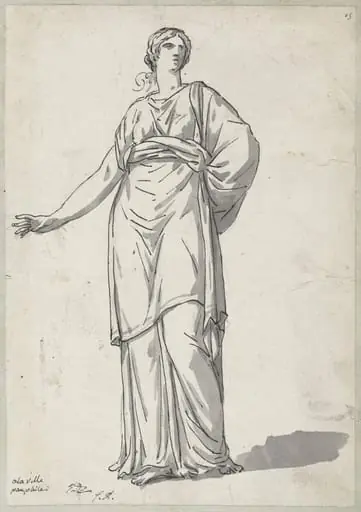 Woman from the Villa Pamphili