Artwork
View of the City of Lahore Taken from the Roof of the Palace in the Fort
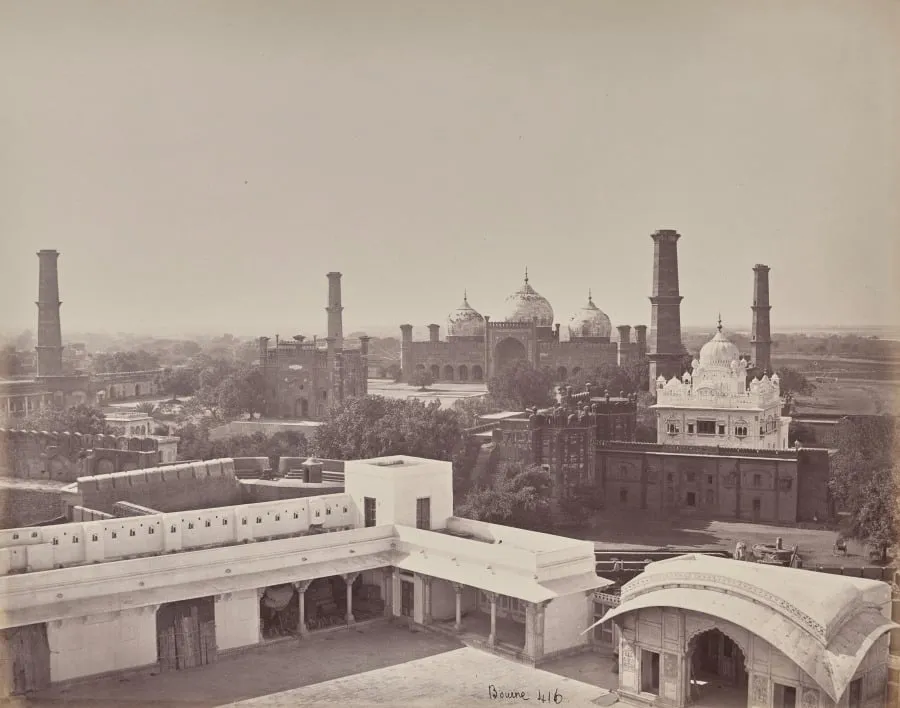
View of the City of Lahore Taken from the Roof of the Palace in the Fort is a photography by the Impressionist artist Samuel Bourne. It dates from 1866 and is held in the collection of the Cleveland Museum of Art. This photograph, taken from the rooftop of Lahore Fort in the 1860s, presents a broad view of the city’s skyline.
About this work
It’s one of the earliest clear pictures of the city, showing buildings and streets before modern changes.
You see a wide, sunlit cityscape—flat rooftops, domes, and minarets stretching to hazy hills.
This photo was taken in the 1860s from the Lahore Fort. It’s one of the earliest clear pictures of the city, showing buildings and streets before modern changes. The image is sharp enough to count individual bricks in the fort walls.
To see more early photos of India, look up Samuel Bourne (British, 1834–1912).
Overview
This photograph, taken from the rooftop of Lahore Fort in the 1860s, presents a broad view of the city’s skyline. The image captures a sun‑lit expanse of flat roofs, domes and minarets that recede toward distant, hazy hills, offering one of the earliest clear visual records of Lahore before later urban alterations.
Subject & Meaning
The picture documents Lahore’s built environment in the mid‑nineteenth century, showing the arrangement of streets, residential rooftops and prominent religious structures. By depicting the city’s layout and architectural forms, it provides insight into the everyday urban fabric of a major Mughal centre during the colonial period.
Technique & Style
Executed with the large‑format wet‑collodion process common to the era, the photograph displays a high level of detail; individual bricks in the fort’s walls are discernible. The composition balances foreground architectural elements with a sweeping background, employing natural daylight to render a clear, evenly illuminated scene.
History & Provenance
Part of a series of fifty images captured across northern India in the 1860s, the photograph belongs to a body of work that surveyed hill towns and major cities such as Delhi, Lucknow, Agra, Varanasi and Calcutta. These images serve as historical records of monuments before the extensive restorations of the twentieth century.
Context
The image was produced during a period when British photographers were systematically documenting the Indian subcontinent’s architecture and landscapes. It aligns with the broader visual project of the time, which sought to catalogue imperial territories for both scientific and administrative purposes.
Legacy
As an early, high‑resolution visual source, the photograph is frequently referenced by scholars studying Lahore’s historic urban morphology. Its clarity aids comparative analyses of architectural change, and it remains a key example of mid‑nineteenth‑century photographic documentation of South Asian cities.
Artist & collection

Artist
Samuel Bourne was a British photographer known for his prolific seven years' work in India, from 1863 to 1870.

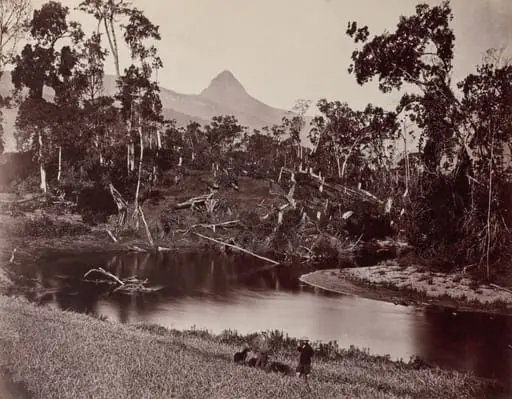 Ceylon Views to Adam's Tooth
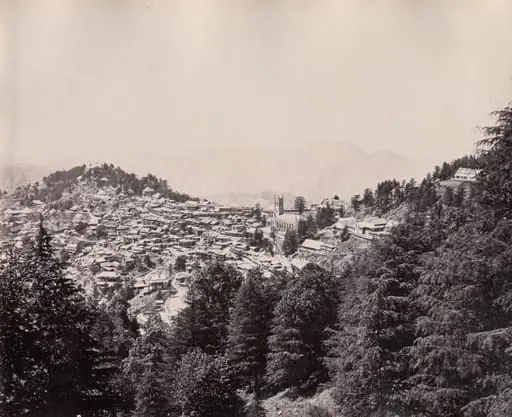 Shimla
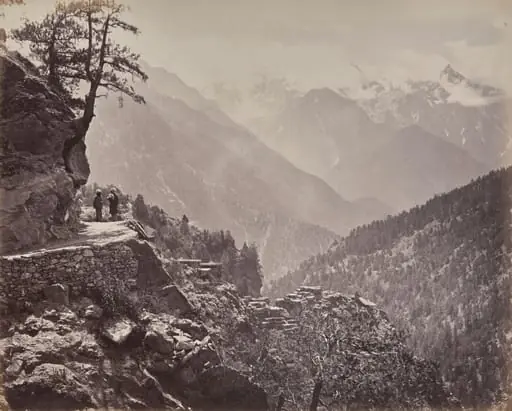 The Upper Himmalayahs. View on the New Road between India and China. Mt. Pangi with the Snowy Peaks of China in the Distance
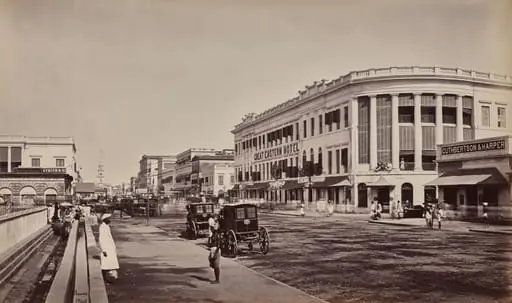 Calcutta. Old Court House Street
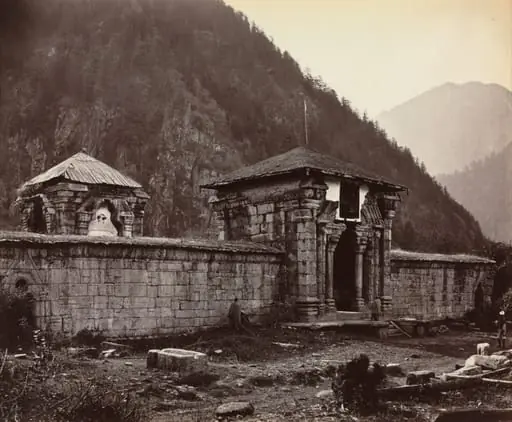 Temple at Naveshera, Kashmir, India
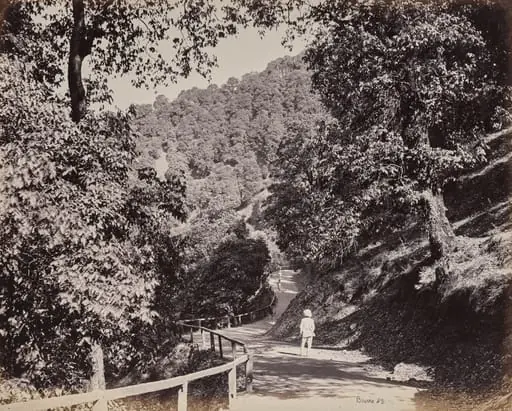 Shimla. The Mall near Rabq Lodge
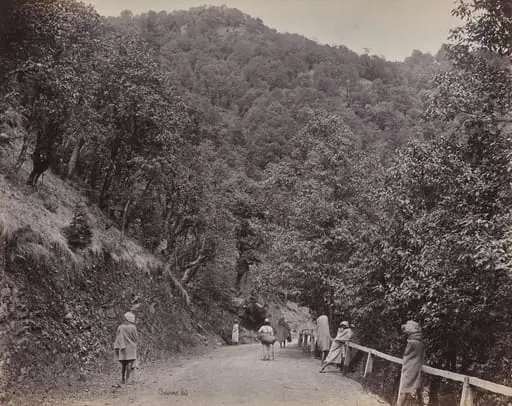 Shimla. The Mall or Principal
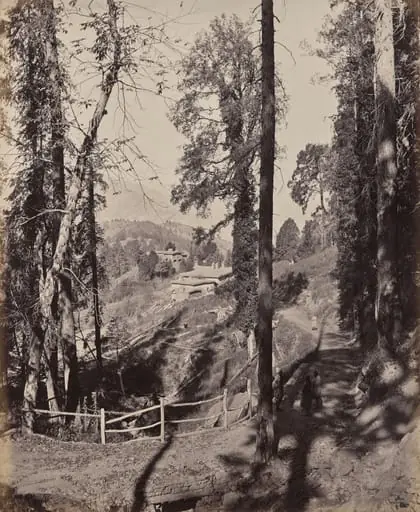 Murree. A Hill Station in the Himmalayahs, View Through the Forest
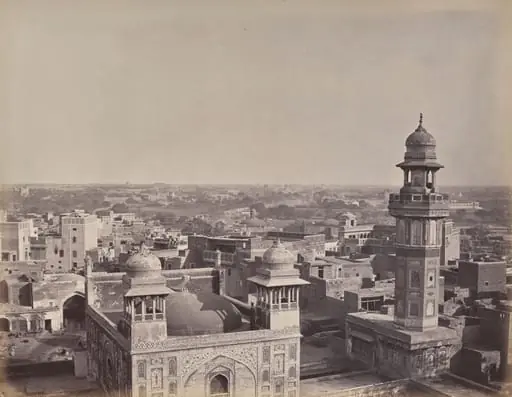 The City of Lahore. Another View Taken from Huzeer Khan's House
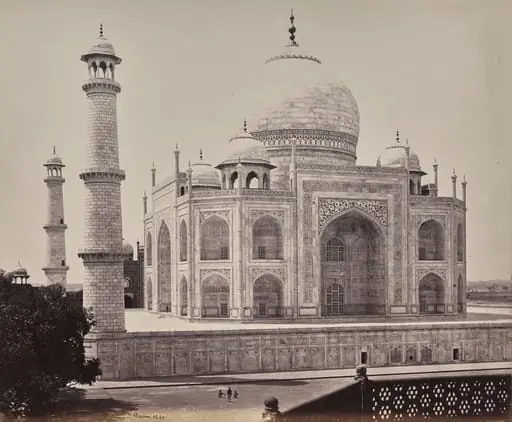 Agra. View of the Taj from a Corner in the Quadrangle
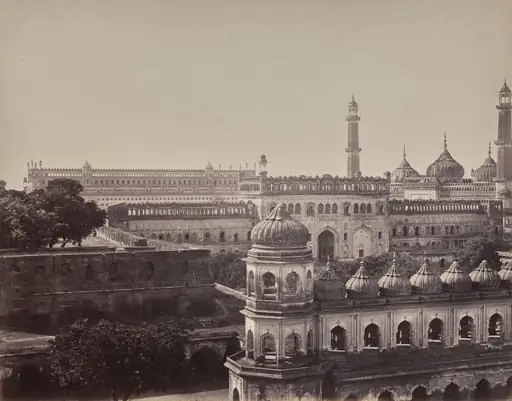 Lucknow. The Great Emambara and Mosque
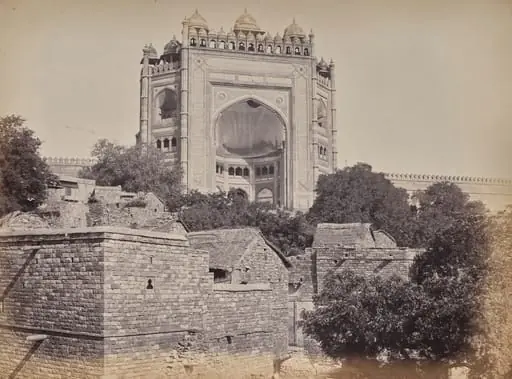 Futheypoor Sikre Guard Gate of the Fort
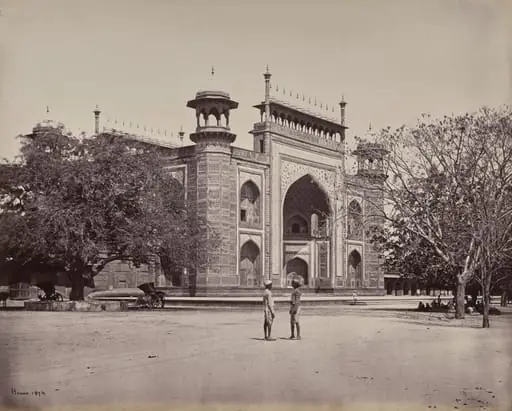 Agra. The Gateway of the Gardens Surrounding the Taj
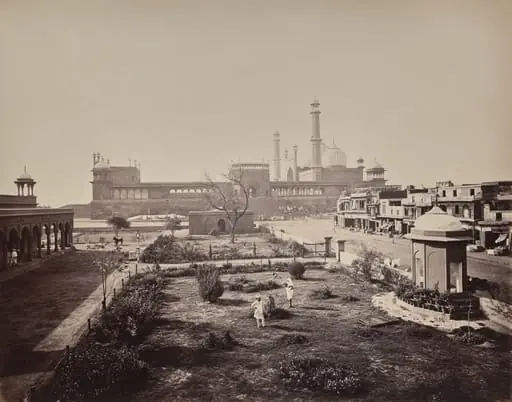 Delhi. View of North Side of the Jamma Musjid in Principal Mabonedau Place of Worship
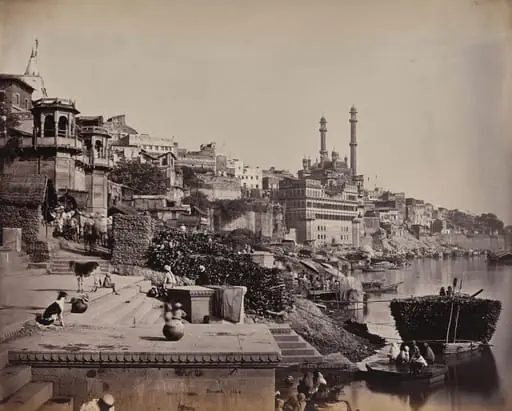 The City of Benares, on the Ganges, View of the Great Mosque of A (?) and Adjoining Landing Places
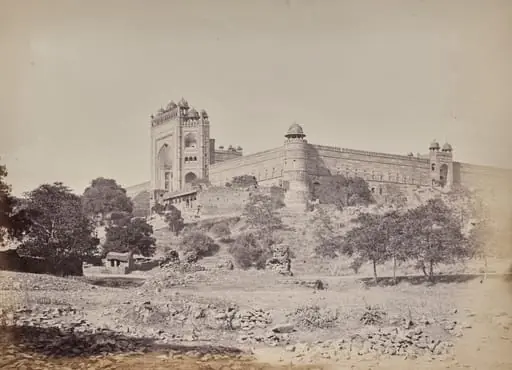 Fort of Futheypoor Sikre near Agra. The Residence of the Emperor Akbar
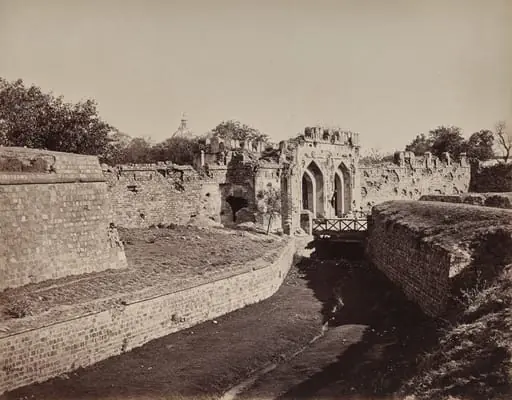 Delhi. The Kashmire Gate. The Scene of Some Very Hard Fighting in 1857
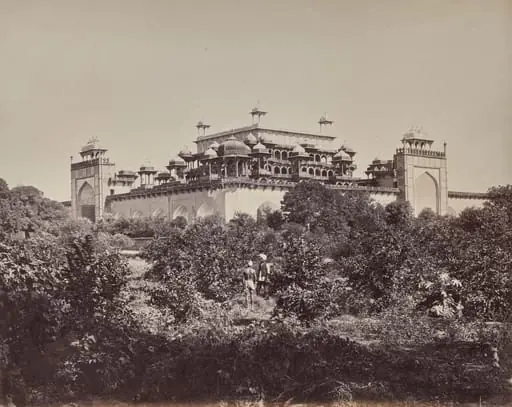 Secundra Near Agra. The Mausoleum of the Emperor Akbar
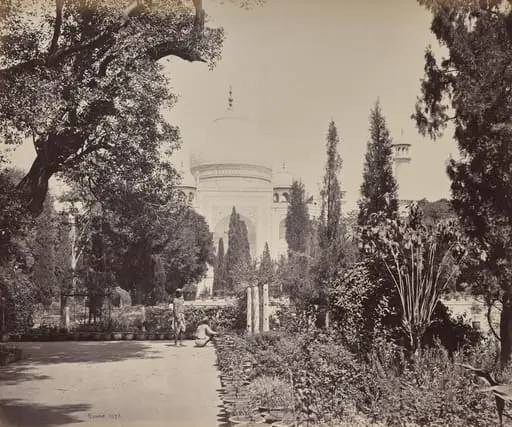 Agra. View of the Taj from the Garden
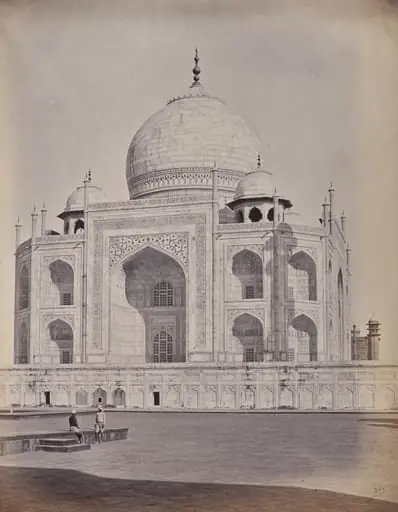 Agra. The Taj, the Central of Principal City