Artwork
Portfolio I, Plate 33: Navaho Flocks
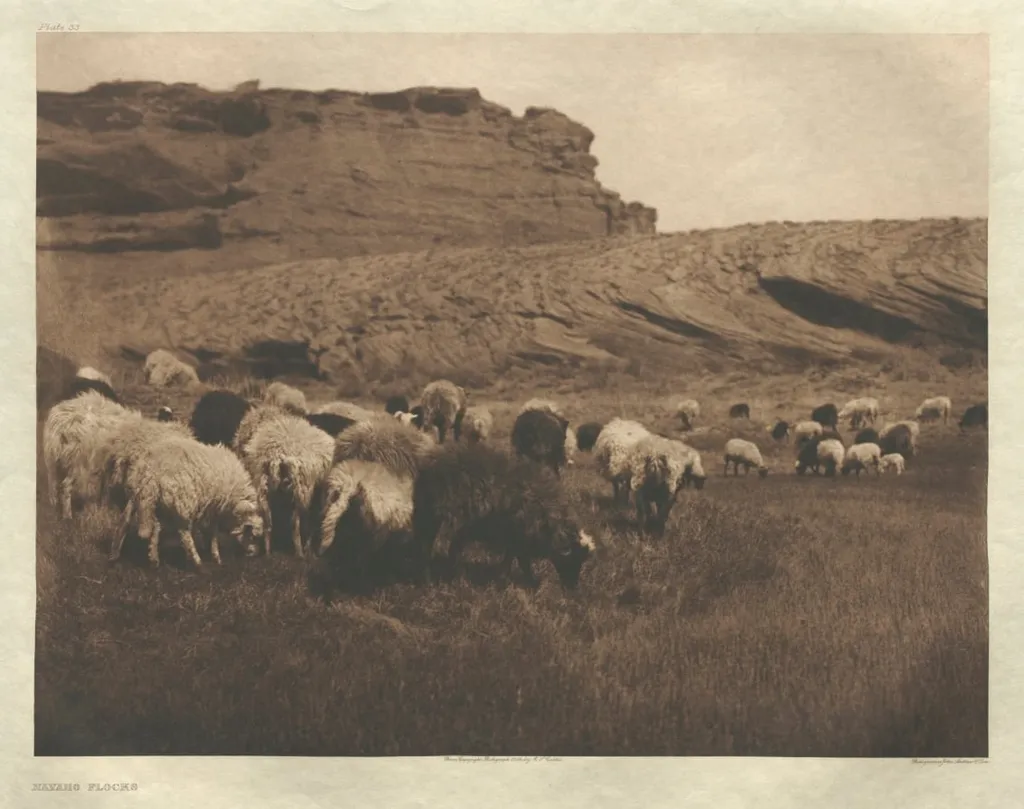
Portfolio I, Plate 33: Navaho Flocks is a work on paper by Edward S. Curtis. It dates from 1904 and is held in the collection of the Cleveland Museum of Art. Plate 33 from Edward S.
About this work
Overview
Plate 33 from Edward S. Curtis’s Portfolio I, dated 1904, is a photographic print depicting a pastoral scene of sheep on a arid landscape. Part of a larger project to record Indigenous life in the American West, this image was produced during Curtis’s fieldwork among the Navajo. It is currently held in the collection of The Cleveland Museum of Art.
Subject & Meaning
The image presents a herd of sheep, predominantly white and woolly, scattered across a windswept hillside. Their placement suggests quiet, daily activity—grazing or resting—rather than staged performance. The title, Navaho Flocks, links the animals to the livelihood of the Navajo people, implying a relationship between land, livestock, and cultural continuity.
Technique & Style
Curtis employed large-format film and careful lighting to render texture and spatial depth. The contrast between the soft wool of the sheep and the hard, sun-baked terrain emphasizes tactile detail. Shadows cast by the rocky outcrops in the background add dimension, grounding the scene in naturalistic observation rather than romanticized composition.
History & Provenance
Created during Curtis’s extensive photographic survey of Native American communities, this plate was produced in 1904 as part of his early fieldwork. The work entered The Cleveland Museum of Art’s collection through documented acquisition, preserving its role within the broader context of early 20th-century ethnographic documentation.
Context
Curtis’s project emerged amid growing interest in Indigenous cultures perceived as vanishing. While his images are often viewed as anthropological records, they also reflect the era’s complex attitudes toward Native life. This photograph, like others in the portfolio, situates livestock within a landscape tied to Navajo subsistence and identity.
Legacy
Though later critiques have questioned Curtis’s methods and framing, his photographs remain significant as historical artifacts. Plate 33 contributes to a visual archive that continues to inform discussions on representation, cultural preservation, and the intersection of photography and ethnography in American history.
Artist & collection

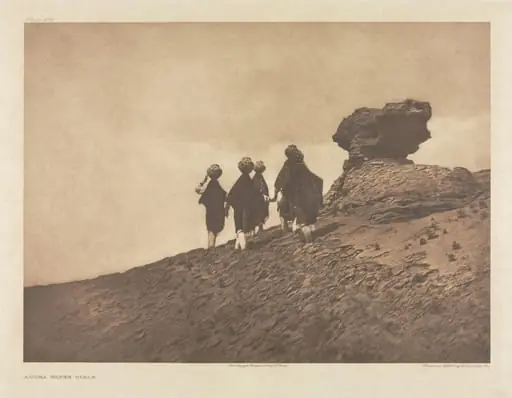 Portfolio XVI, Plate 573: Acoma Water Girls
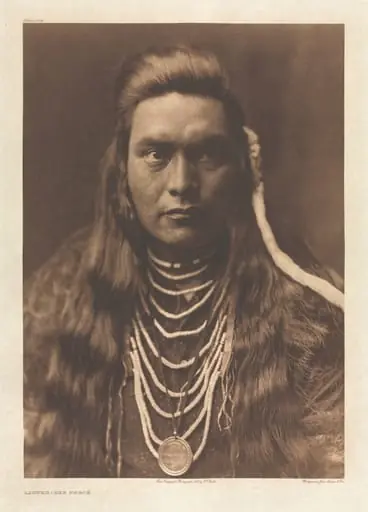 Portfolio VIII, Plate 264: Lawyer - Nez Percé
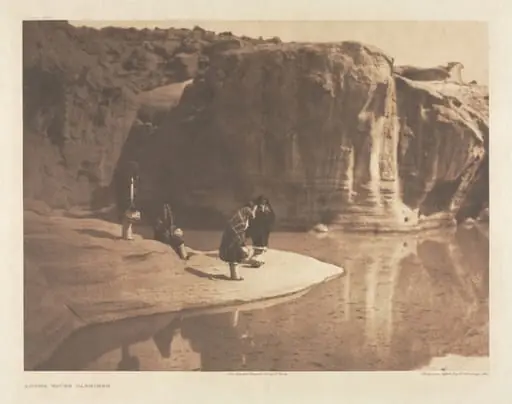 Portfolio XVI, Plate 568: Acoma Water Carriers
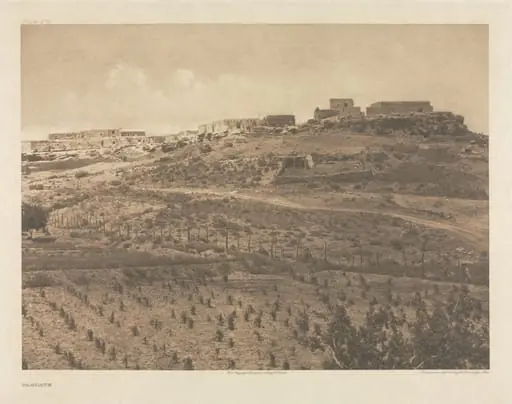 Portfolio XVI, Plate 574: Paguate
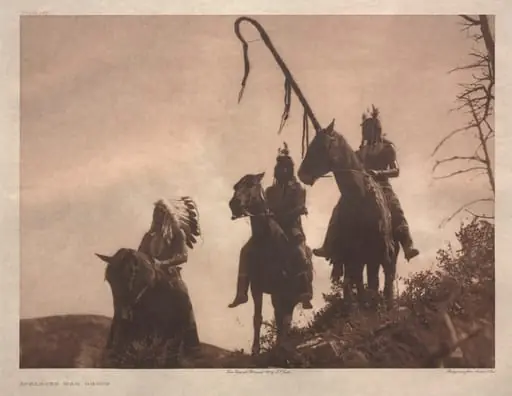 Portfolio IV, Plate 147: Apsaroke War Group
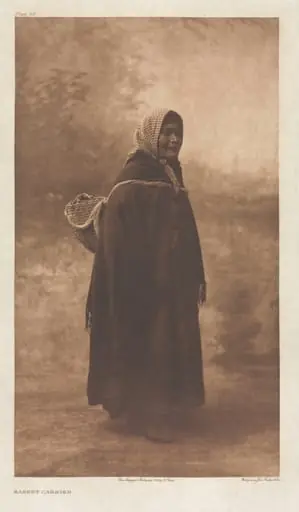 Portfolio IX, Plate 311: Basket Carrier
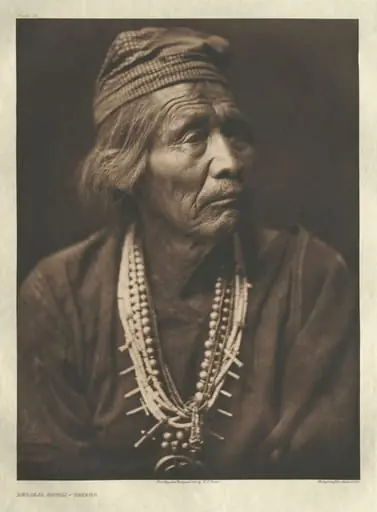 Portfolio I, Plate 31: Nesjája Hatáli-Navaho
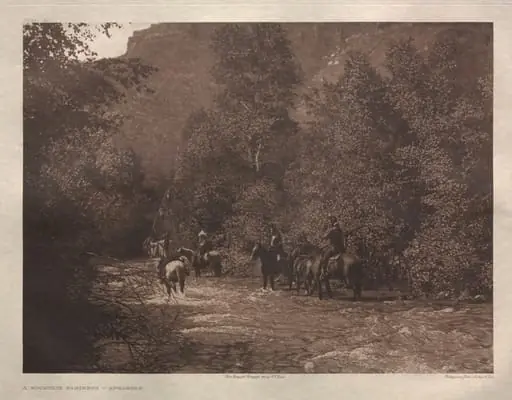 Portfolio IV, Plate 140: A Mountain Fastness--Apsaroke
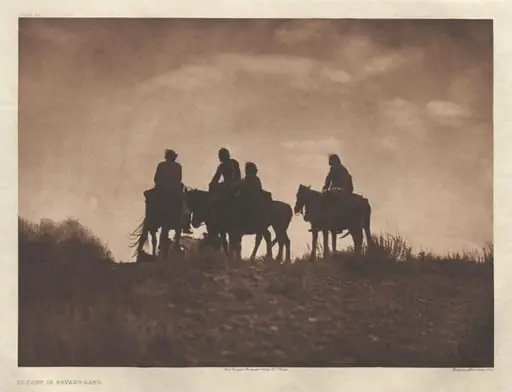 Portfolio I, Plate 38: Sunset in Navaho-Land
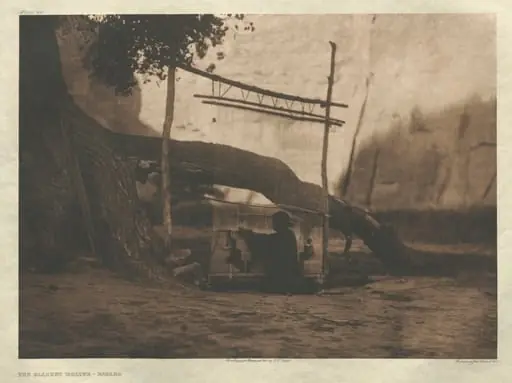 Portfolio I, Plate 34: The Blanket Weaver-Navaho
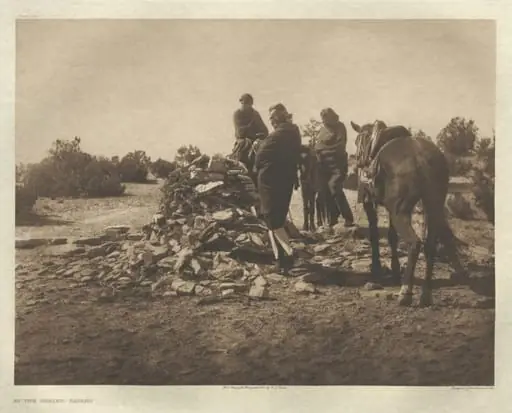 Portfolio I, Plate 30: At the Shrine-Navaho
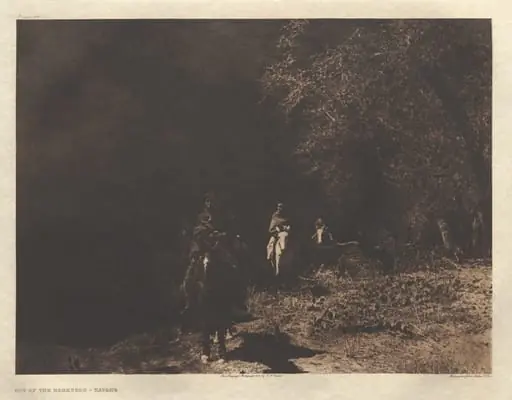 Portfolio I, Plate 37: Out of the Darkness-Navaho
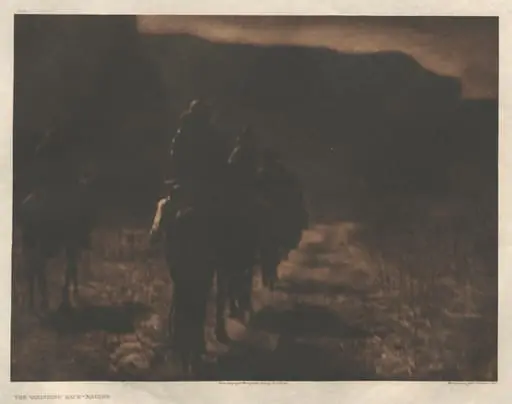 Portfolio I, Plate 1: The Vanishing Race-Navajo
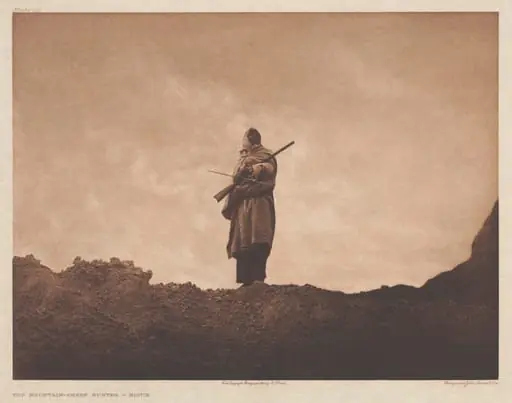 Portfolio III, Plate 110: The Mountain-Sheep Hunter
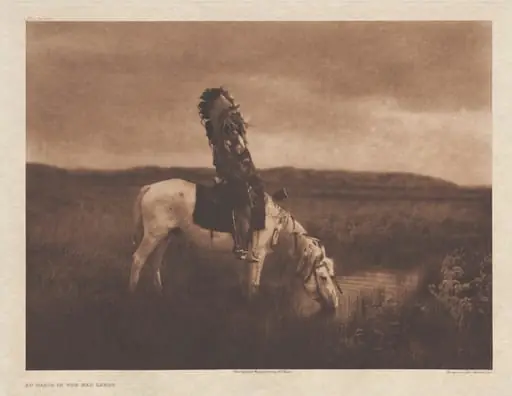 Portfolio III, Plate 80: An Oasis on the Bad Lands