Artwork
Portfolio I, Plate 30: At the Shrine-Navaho
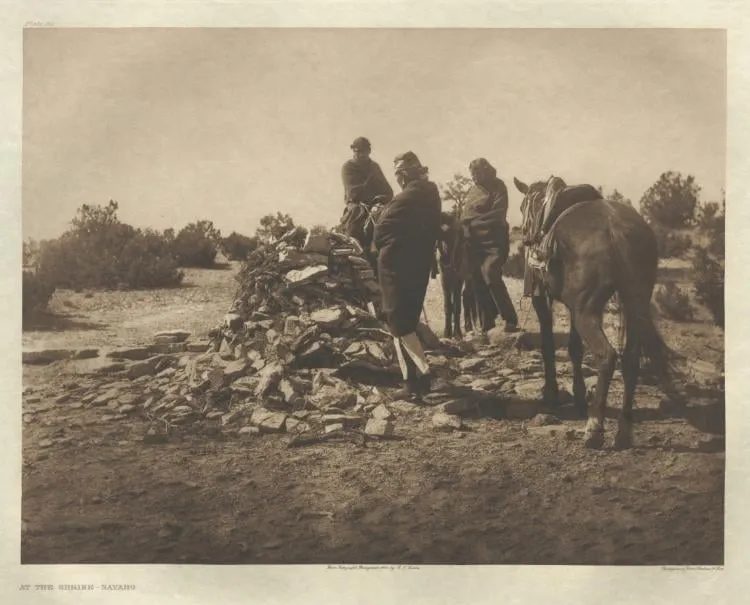
Portfolio I, Plate 30: At the Shrine-Navaho is a work on paper by Edward S. Curtis. It dates from 1904 and is held in the collection of the Cleveland Museum of Art. Plate 30 from Edward S.
About this work
The people and the landscape are depicted in a realistic and detailed manner, suggesting a high level of craftsmanship and attention to detail.
In the image, four individuals are shown standing in a desert landscape, surrounded by a pile of rocks and a horse. The people are dressed in traditional clothing, with one person sitting on the horse and the others standing nearby. The scene is set against a backdrop of sparse vegetation and a clear sky.
The image appears to be a historical photograph, capturing a moment in time from a bygone era. The people and the landscape are depicted in a realistic and detailed manner, suggesting a high level of craftsmanship and attention to detail.
To learn more about the artist behind this work, look up Edward S. Curtis (American, 1868–1952).
Overview
Plate 30 from Edward S. Curtis’s Portfolio I, titled At the Shrine-Navaho, is a photographic print made in 1904. It is part of a larger project documenting Indigenous peoples of the American West. The image is held in the collection of The Cleveland Museum of Art and reflects Curtis’s methodical approach to capturing cultural practices during a period of rapid social change.
Subject & Meaning
The photograph depicts four Navajo individuals near a ceremonial rock arrangement, with one figure seated on a horse and others standing nearby. The setting suggests a sacred or ritual space, though Curtis does not explicitly identify the ceremony. The composition emphasizes quiet dignity and connection to the land, aligning with his broader aim to portray Native life as enduring despite external pressures.
Technique & Style
Curtis used large-format film and long exposure times to achieve sharp detail and tonal depth. The image’s clarity and careful lighting reflect his commitment to pictorial realism. The desert landscape is rendered with subtle gradations of light and shadow, enhancing the sense of place. His use of natural elements—rock piles, sparse vegetation, and open sky—frames the figures without overt staging.
History & Provenance
Created during Curtis’s decade-long expedition to document Native American cultures, this plate was published in his monumental The North American Indian series. The photograph entered The Cleveland Museum of Art’s collection through established acquisition channels, likely as part of a set of plates from the original portfolio. Its preservation reflects institutional recognition of its historical significance.
Context
In 1904, federal policies were actively displacing Indigenous communities and suppressing traditional practices. Curtis’s work emerged amid growing romanticism about Native cultures, often framed as vanishing. While his images preserve visual records of customs, they also reflect the era’s biases—presenting life as static and unchanging, rather than evolving under colonial pressures.
Legacy
Curtis’s photographs remain key references for studying Indigenous representation in early 20th-century America. Though later critiques question his methods and romanticism, the technical quality and scale of his work ensure its continued use in academic and museum contexts. At the Shrine-Navaho contributes to ongoing dialogues about authenticity, ethics, and cultural memory in visual history.
Artist & collection

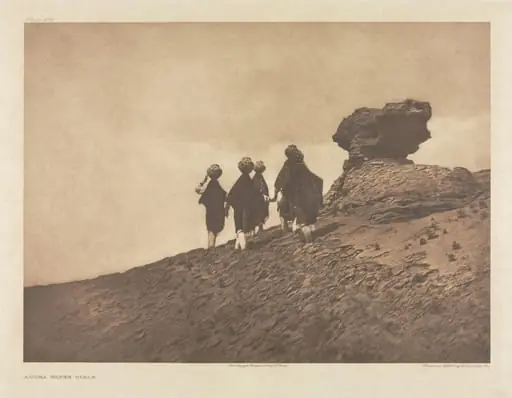 Portfolio XVI, Plate 573: Acoma Water Girls
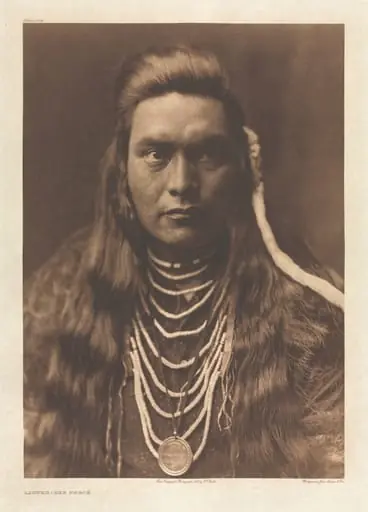 Portfolio VIII, Plate 264: Lawyer - Nez Percé
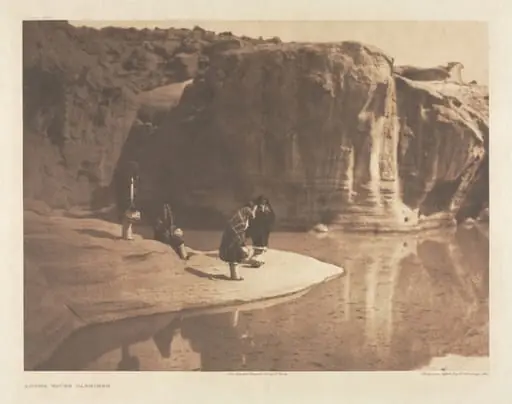 Portfolio XVI, Plate 568: Acoma Water Carriers
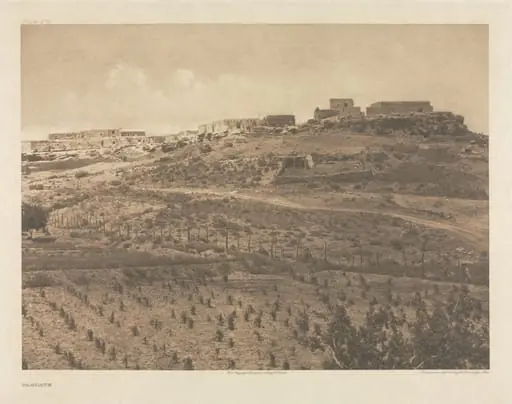 Portfolio XVI, Plate 574: Paguate
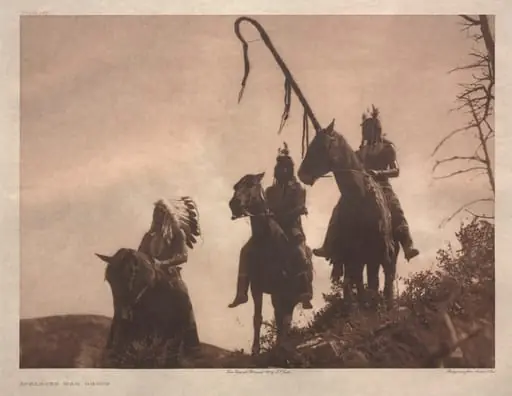 Portfolio IV, Plate 147: Apsaroke War Group
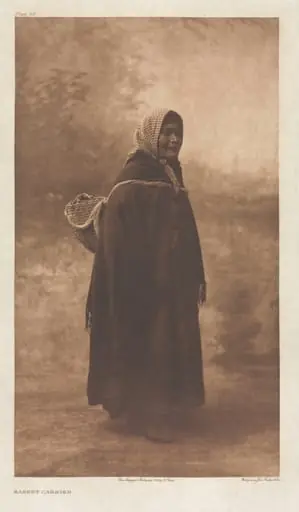 Portfolio IX, Plate 311: Basket Carrier
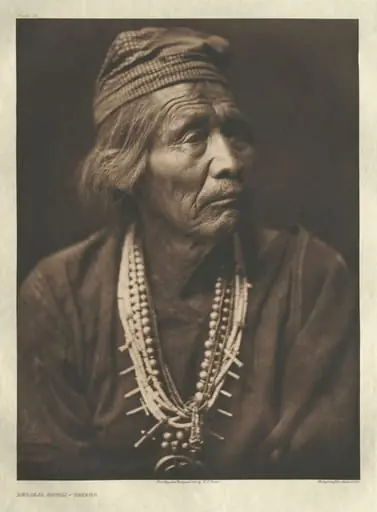 Portfolio I, Plate 31: Nesjája Hatáli-Navaho
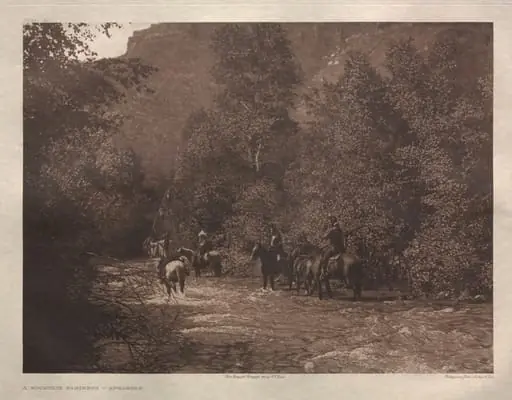 Portfolio IV, Plate 140: A Mountain Fastness--Apsaroke
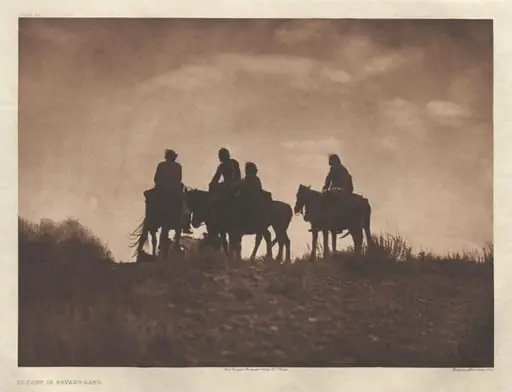 Portfolio I, Plate 38: Sunset in Navaho-Land
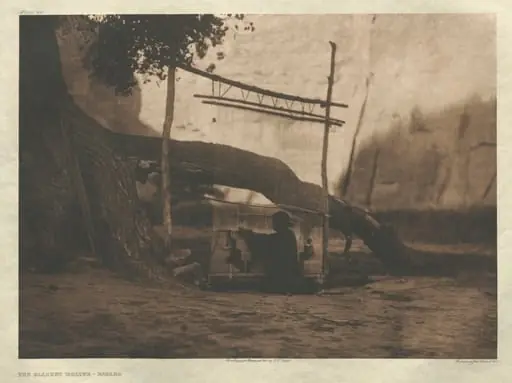 Portfolio I, Plate 34: The Blanket Weaver-Navaho
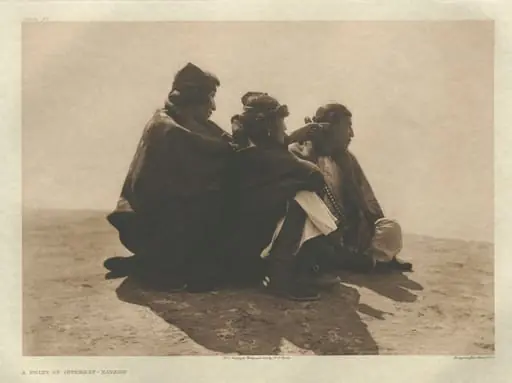 Portfolio I, Plate 36: A Point of Interest-Navaho
 Portfolio I, Plate 37: Out of the Darkness-Navaho
 Portfolio I, Plate 33: Navaho Flocks
 Portfolio I, Plate 11: Story Telling-Apache
 Portfolio XVII, Plate 585: The Fruit Gatherer - San Ildefonso
 Portfolio I, Plate 35: Hastobíga-Navaho Medicine-Man
 Portfolio III, Plate 80: An Oasis on the Bad Lands
 Portfolio XVI, Plate 569: At the Gateway - Acoma