Artwork
3, Bathwick Hill, Bath
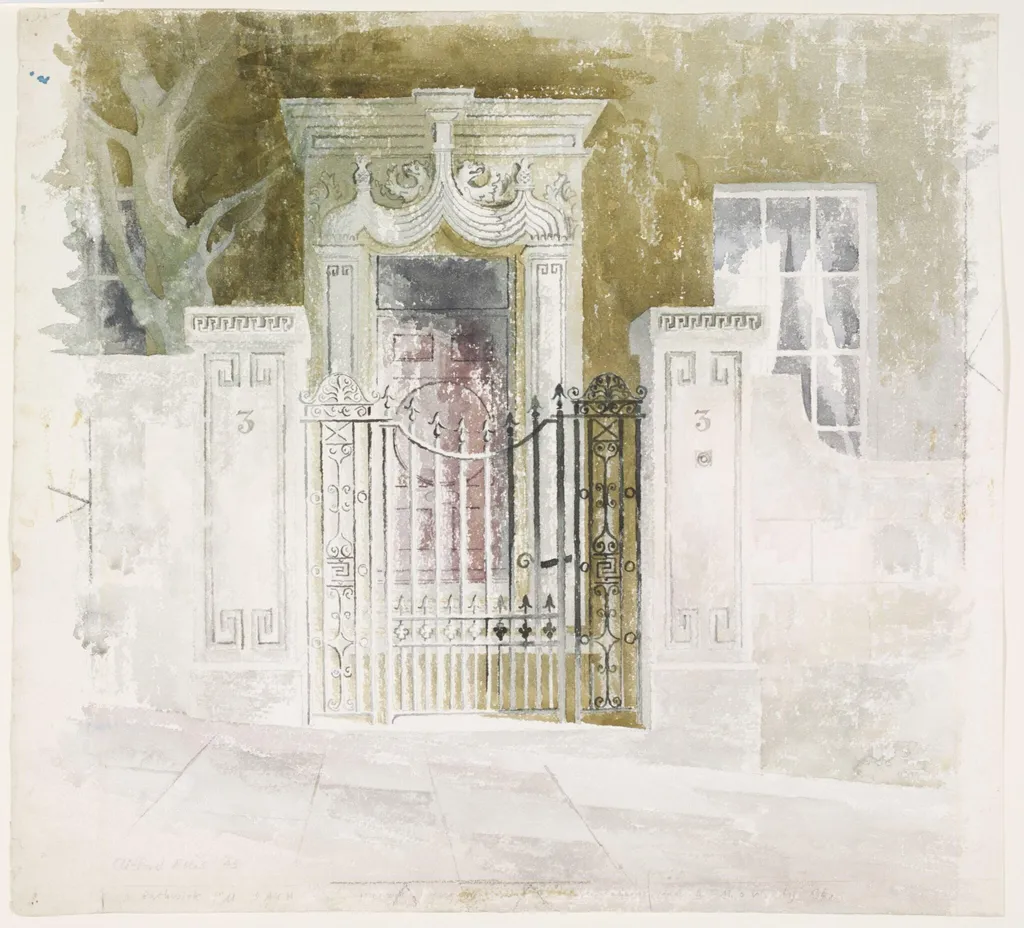
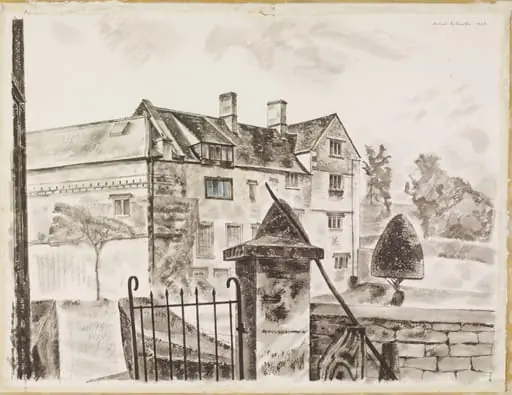
3, Bathwick Hill, Bath is a watercolor work on paper by the Social Realist artist Ellis. It dates from 1943 and is held in the collection of the Victoria and Albert Museum.
About this work
Overview
Ellis’s 1943 watercolour records the ornamental iron gateway and carved stone porch of a town house on Bathwick Hill in Bath. The composition centers on a tall, narrow window framed by a decorative stone surround and a swirled iron gate, rendered in muted greys and browns with subtle shadowing.
Subject & Meaning
The depicted architecture features distinctive motifs—wyvern heads and pineapple carvings—integrated into the masonry, reflecting the eclectic decorative tastes of the period. By focusing on these details, the work highlights the blend of medieval revival and exotic ornamentation that characterises many Bath residences.
Technique & Style
Ellis employs a restrained palette and simplified forms, emphasizing texture over colour. Smooth stone surfaces contrast with the roughness of the surrounding wall, while the delicate ironwork is suggested through fine line work. The light, slightly faded wash conveys both the materiality of the subject and the artist’s economical wartime approach.
History & Provenance
The watercolour was created for the Recording Britain project, a wartime scheme organized by Sir Kenneth Clark and funded by the Pilgrim Trust. The initiative, managed by the Committee for the Employment of Artists in Wartime, commissioned artists to document buildings perceived to be at risk from bombing, urban growth, and changing rural practices during World War II.
Context
Recording Britain sought to preserve a visual archive of a “vanishing Britain,” capturing structures whose future seemed uncertain amid the conflict. Ellis’s contribution records a specific Bath address, illustrating how local heritage was incorporated into a national effort to safeguard cultural memory.
Legacy
The watercolour remains part of the broader Recording Britain collection, serving as a reference for architectural historians and conservationists studying mid‑20th‑century Bath. Its modest execution exemplifies the project’s aim to combine artistic documentation with historical preservation.
Artist & collection
Artist
This British artist left a quiet record of Bath in the early 1940s, painting watercolors of iron gates, gateways, and front doors.

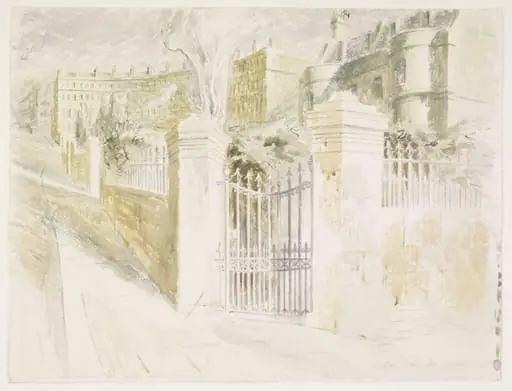
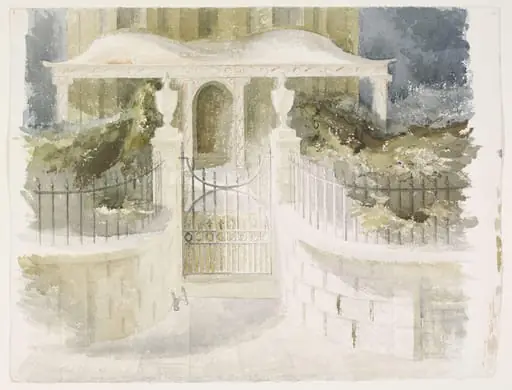
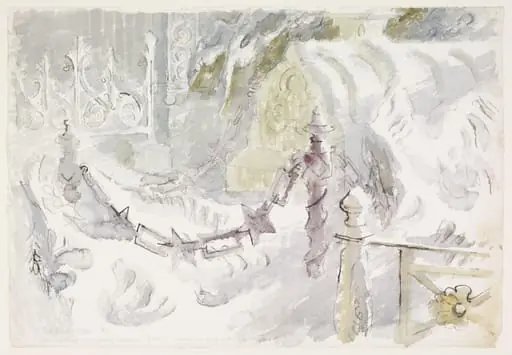
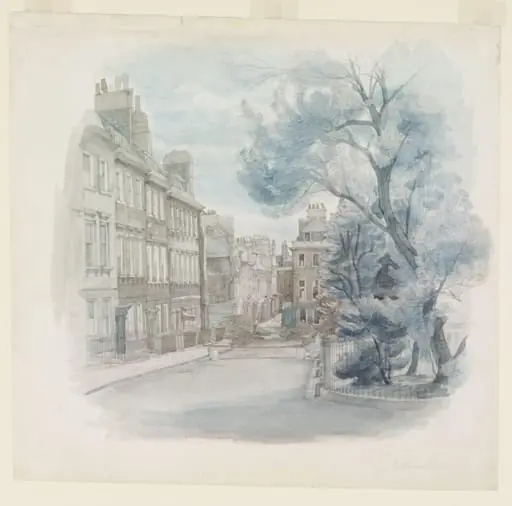 Catharine Place, Bath, Somerset
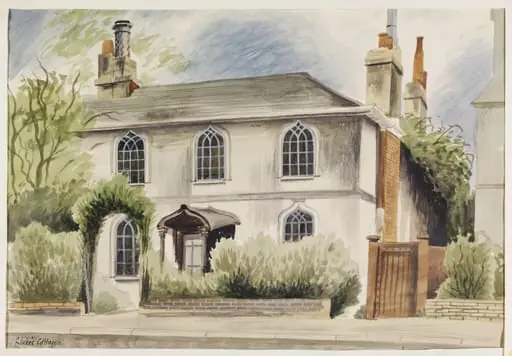 Blake's Cottages, Park Lane, Croydon
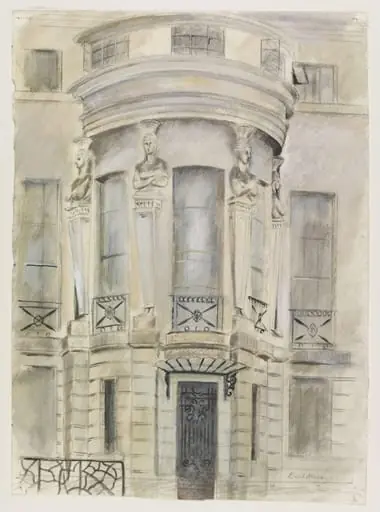 No.1, Cornwall Terrace, Regent's Park
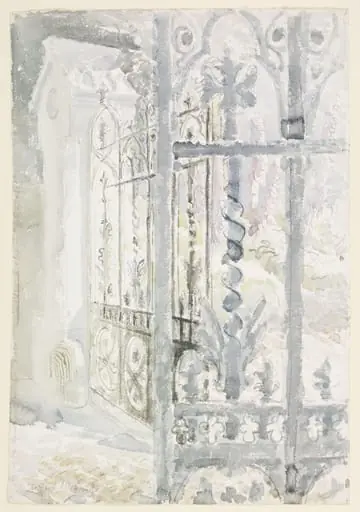 Gates at the Hermitage, Lansdown, Bath
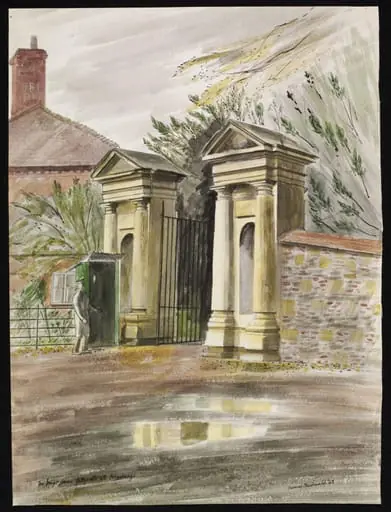 The Inigo Jones Gateposts at Amesbury
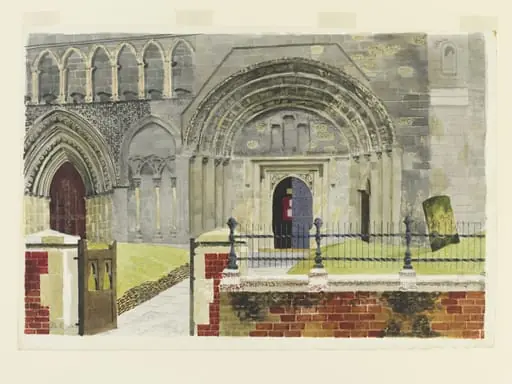 West Front of the Priory Church, Dunstable, Bedfordshire
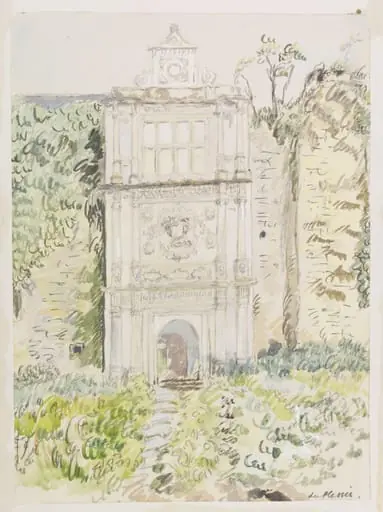 Gateway, Beaupre, Glamorganshire
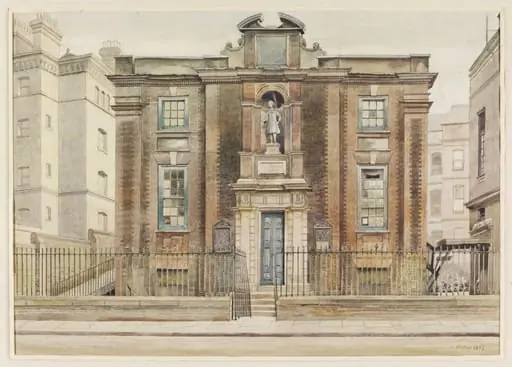 Bluecoat School, Caxton Street, Westminster
 King's Mill House, Painswick