Artwork
Henry Stuart, Lord Darnley
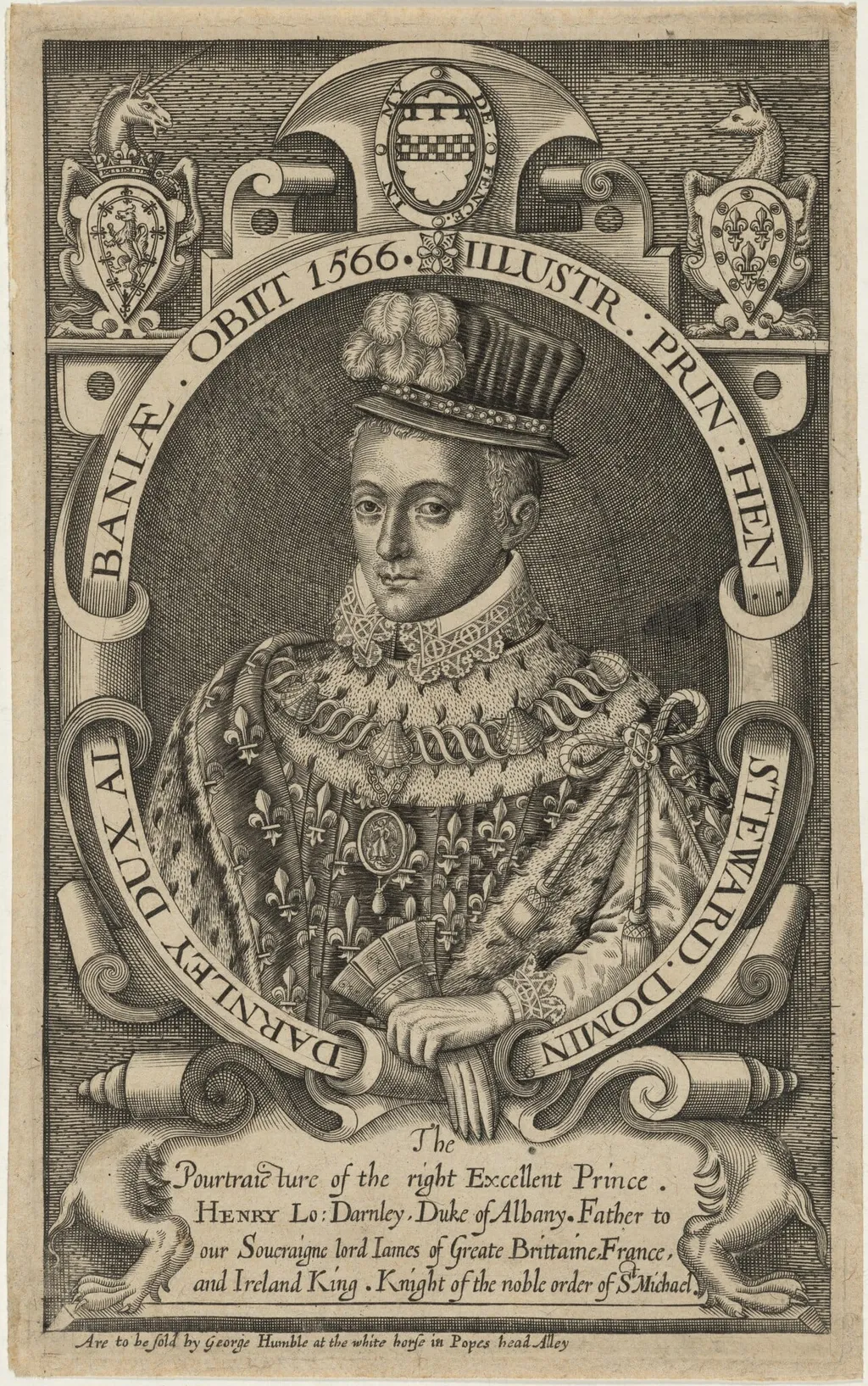
Henry Stuart, Lord Darnley is an ink print by the Renaissance artist Renold Elstrack. It dates from 1598 and is held in the collection of the National Gallery of Art.
About this work
Overview
Renold Elstrack’s 1598 engraving presents Henry Stuart, Lord Darnley, in a formal portrait. The image is rendered in black ink on paper, with a dark, textured backdrop that isolates the figure. Darnley is shown in a richly appointed costume, complete with a feathered hat, a high‑collared doublet, a fur‑trimmed cloak, a sword, and a heraldic shield positioned behind him.
Subject & Meaning
The attire and regalia identify Darnley as a member of the Scottish nobility, emphasizing his status and martial role. The inclusion of his personal coat of arms on the shield serves both as a marker of lineage and a visual assertion of his political authority during a turbulent period in Scottish history.
Technique & Style
Elstrack employs fine line work and cross‑hatching to model the textures of fabric, fur, and metal, achieving a sense of three‑dimensionality typical of late‑Renaissance printmaking. The stark contrast between the illuminated figure and the somber background highlights the subject’s prominence while maintaining a realistic representation of clothing and accessories.
History & Provenance
Created in 1598, the engraving was likely intended for distribution among court circles and supporters of the Darnley family. While the original plate’s whereabouts are undocumented, surviving impressions have appeared in early modern portrait collections and are now held by several European libraries and museums.
Context
The portrait emerges at a time when printed portraiture was increasingly used to disseminate images of political figures across Europe. Darnley’s marriage to Mary, Queen of Scots, and his brief tenure as consort made his likeness a subject of interest, reflecting the broader Renaissance practice of using portraiture to convey power and alliance.
Artist & collection

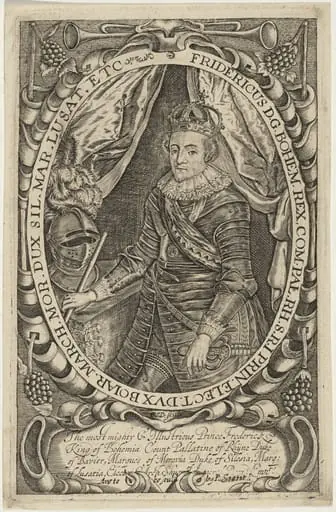 Frederick V, King of Bohemia
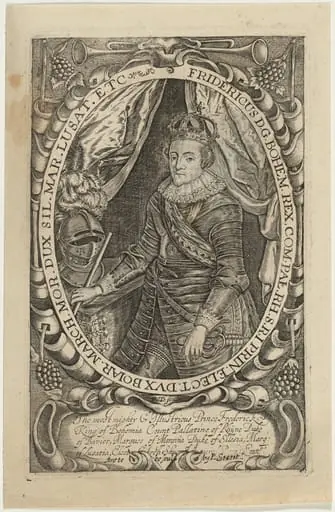 Fredericus D.G. Bohem. Rex (Frederick V, Kingof Bohemia)
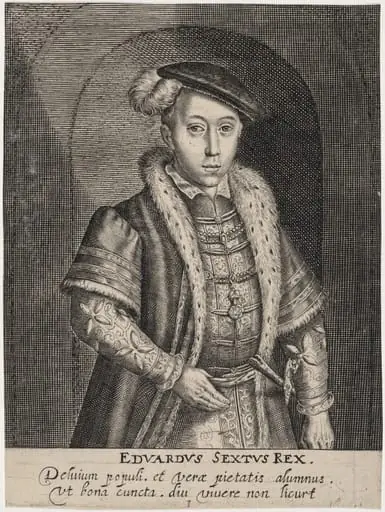 Edward VI
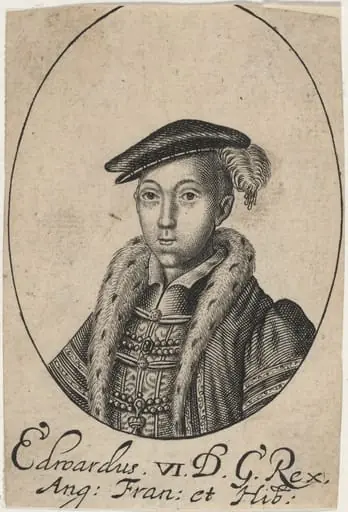 Edward VI
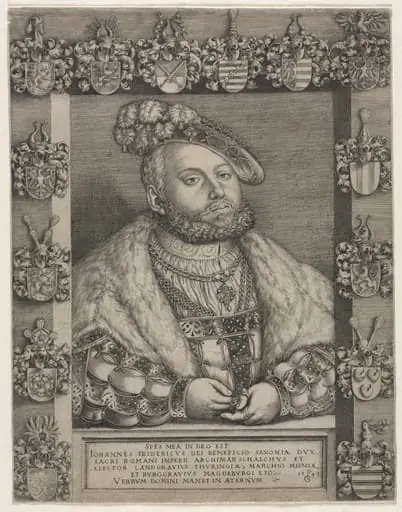 Portrait of John Frederick I, "The Magnanimous," Elector of Saxony
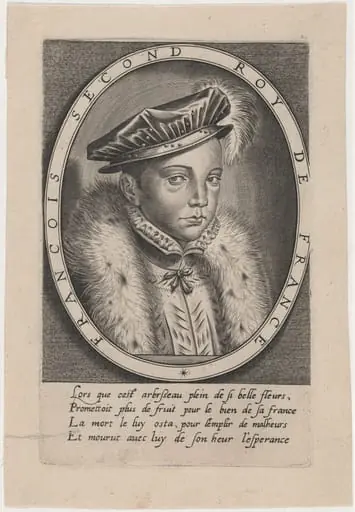 Francis II, King of France
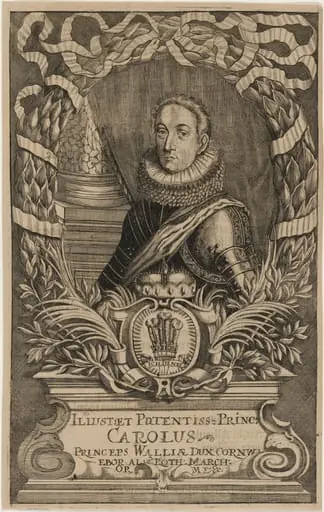 Charles I as Prince of Wales
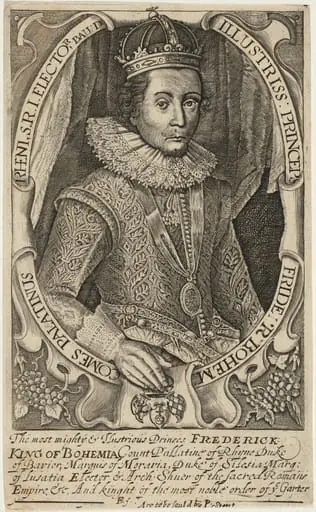 Frederick V, King of Bohemia
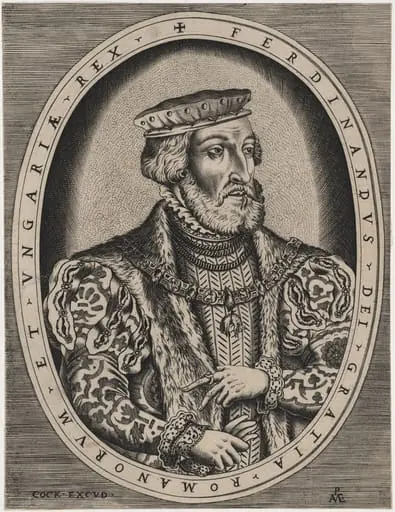 Ferdinand I, Roman Emperor
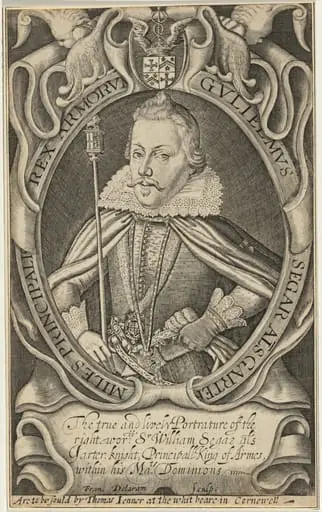 Guliemus Segar (Sir William Segar)