Artwork
King Henry VII
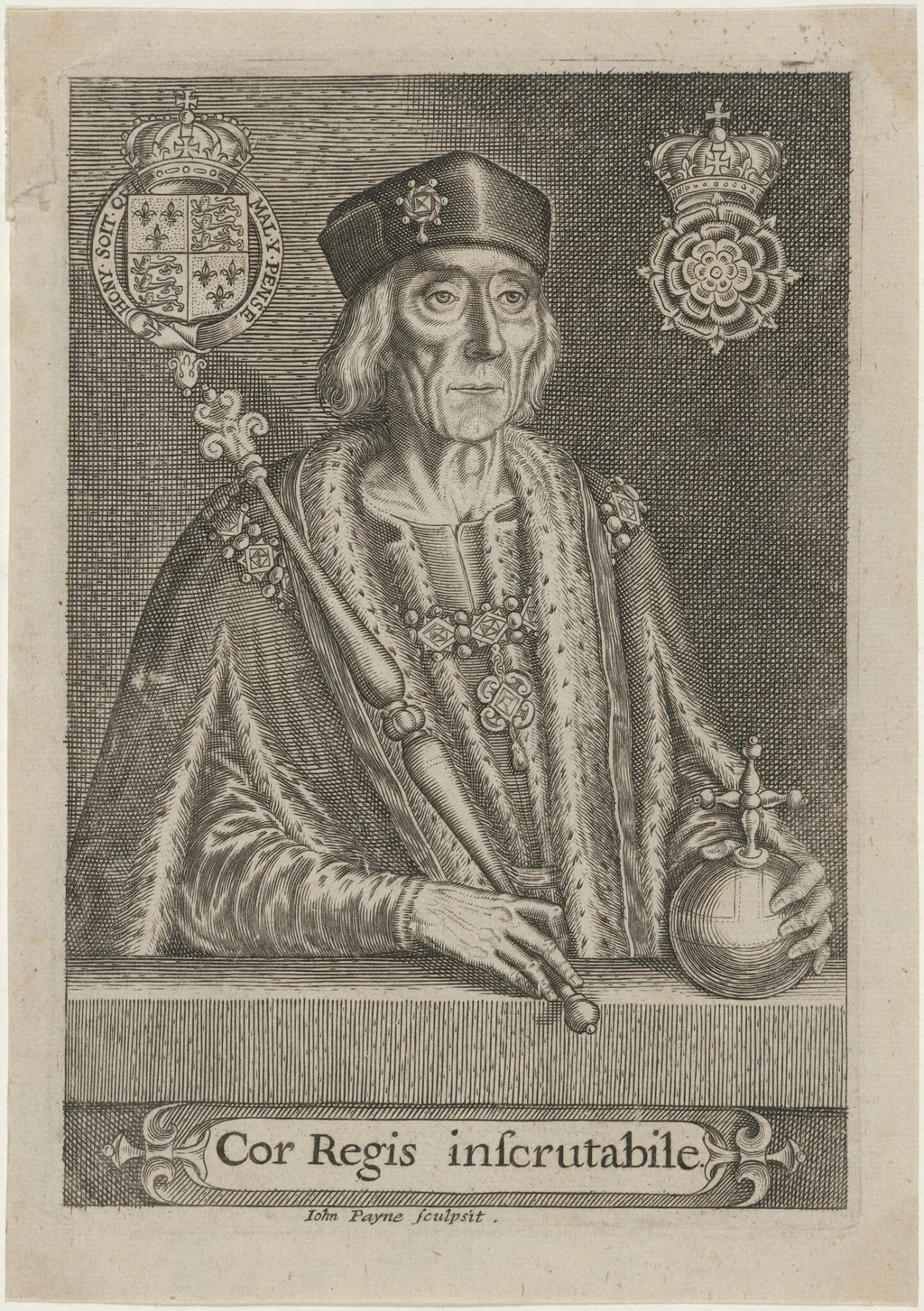
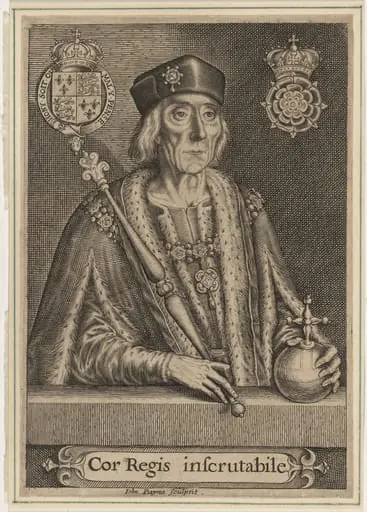
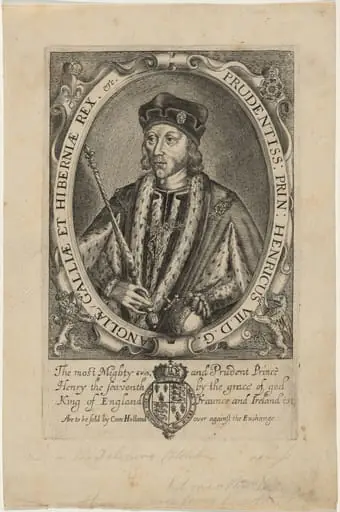
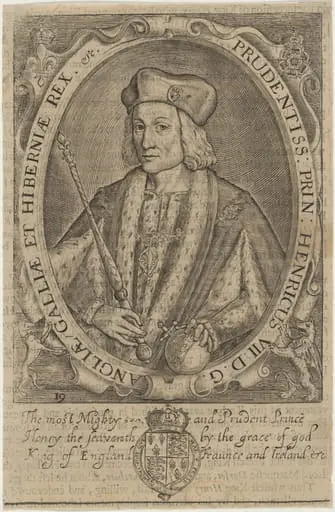
King Henry VII is an ink print by the Baroque artist John Payne. It dates from 1627 and is held in the collection of the National Gallery of Art.
About this work
Overview
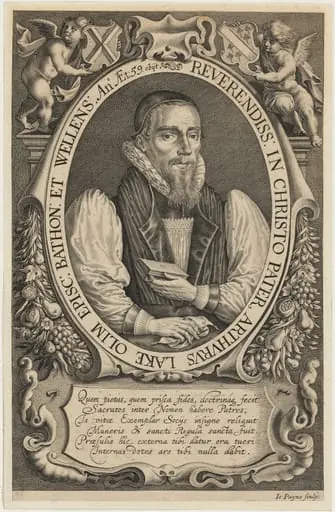
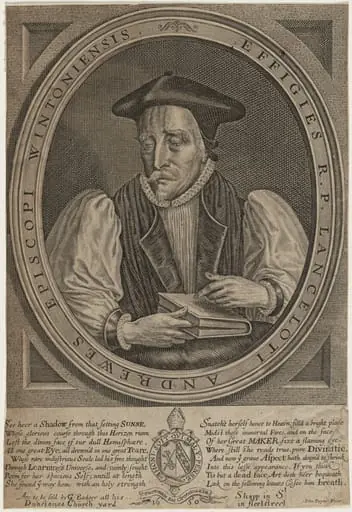
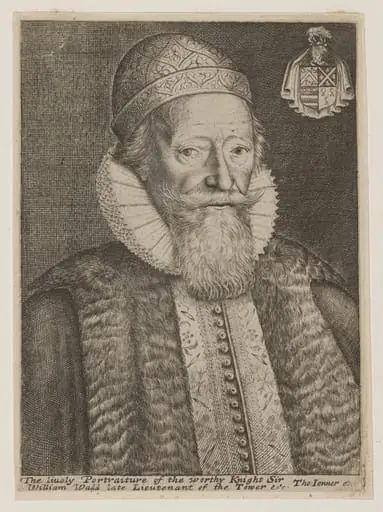
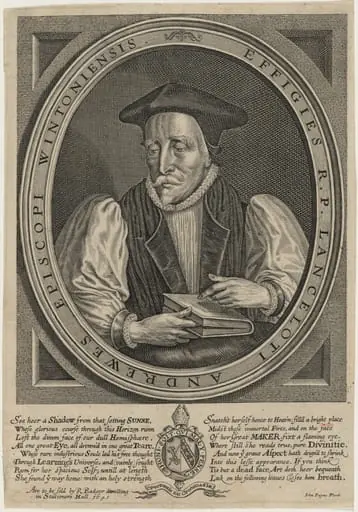
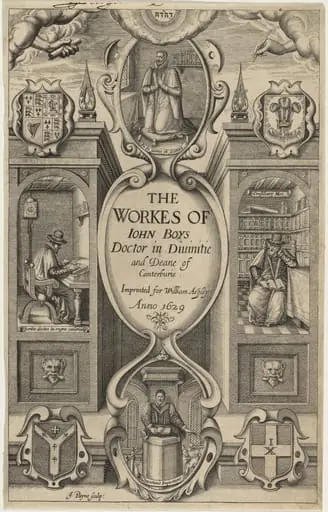
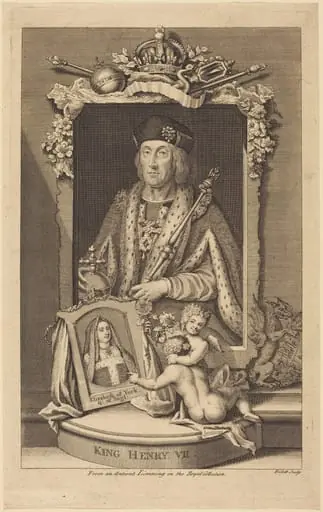
John Payne, an English engraver active in the early seventeenth century, produced the portrait print titled *King Henry VII* in 1627. Executed in black‑and‑white line engraving, the image presents a dignified figure in elaborate dress, framed by ornamental borders and a Latin inscription at the base.
Subject & Meaning
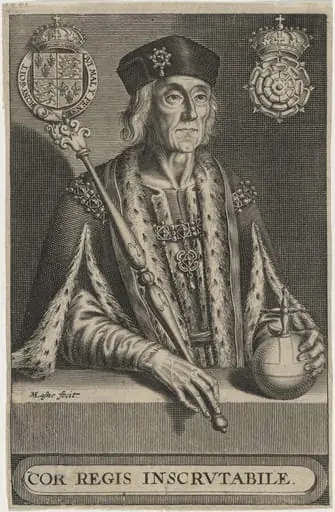
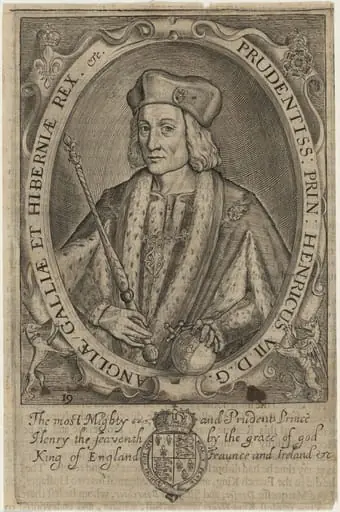
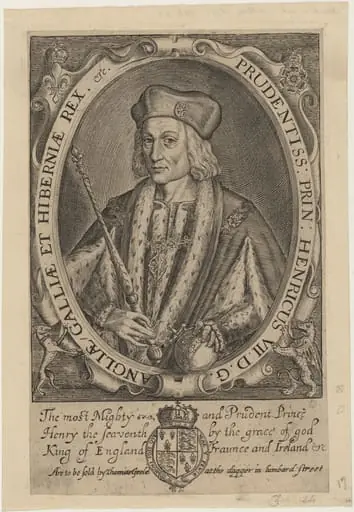
The print portrays the Tudor monarch Henry VII, emphasizing his regal status through symbols such as a jeweled hat, a ceremonial staff, and a series of chains and medals. Above the figure, two heraldic devices—one bearing a crown and lions, the other a floral motif—reinforce his royal lineage and authority.
Technique & Style
Payne’s work demonstrates meticulous line work, using fine cross‑hatching and varied strokes to model light, shadow, and texture on the subject’s garments and accessories. The decorative frame and inscription are rendered with a steady hand, reflecting the early English engraving tradition’s emphasis on precision and detail.
History & Provenance
Created during the reign of Charles I, the engraving belongs to a period when native English engravers were beginning to establish a distinct practice. Payne, born in 1607, is recognized as one of the first English artists to achieve a reputation for high‑quality prints, and this portrait stands among his notable early outputs.
Artist & collection
Artist
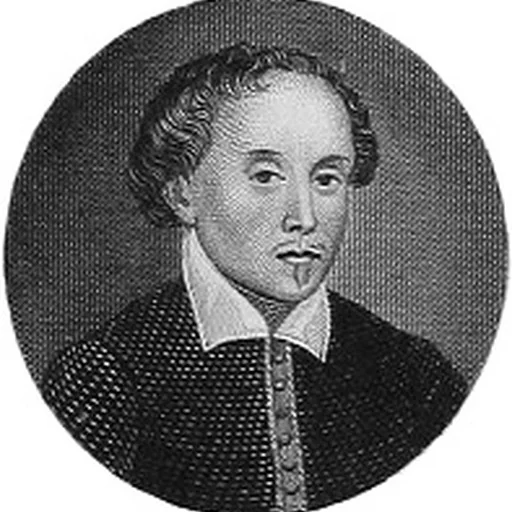
John Payne (1607–1647) was an English engraver, who was one of the earliest exponents of the art of engraving in England. His best work was the finest produced by a native-born engraver working during the reign of Charles I.