Artwork
Henry VII
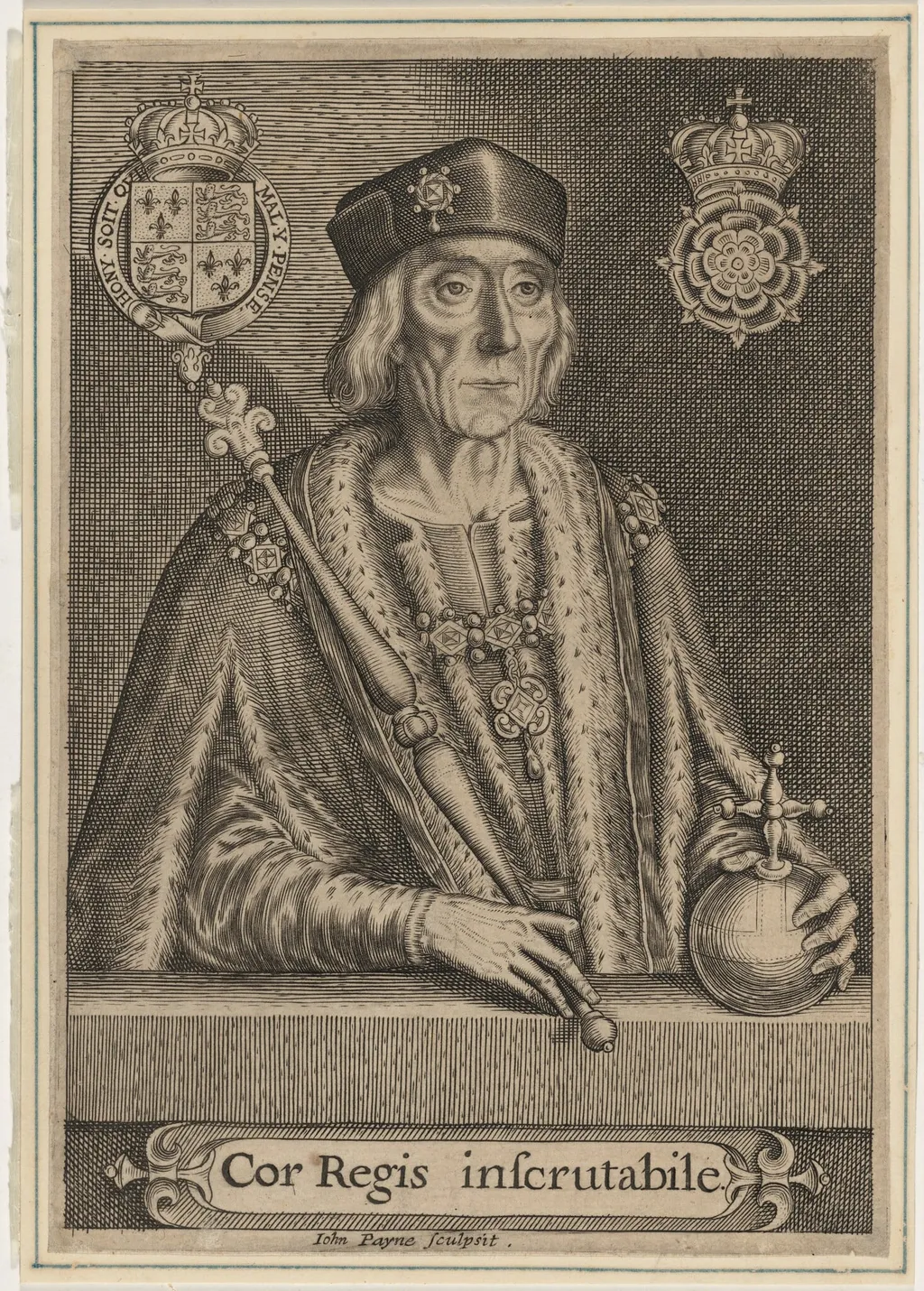
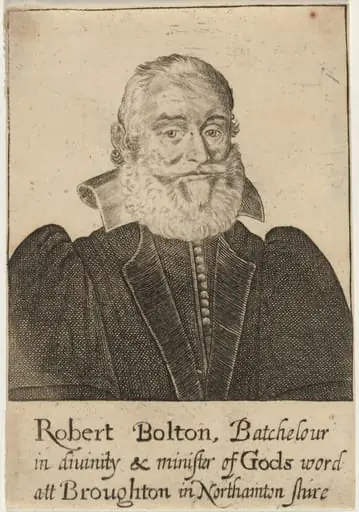
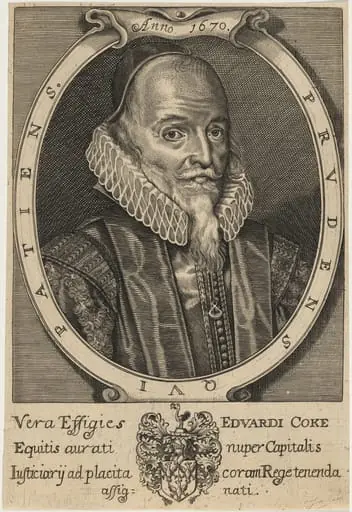
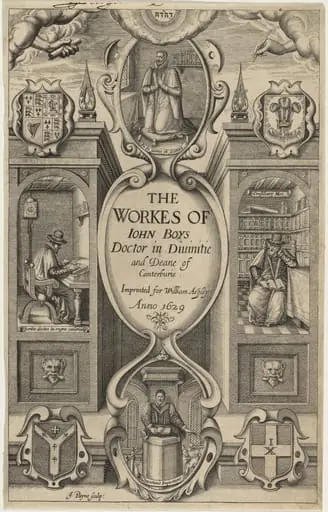
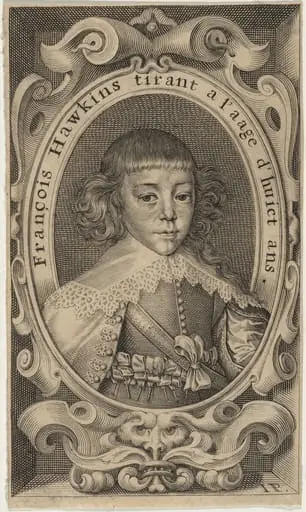
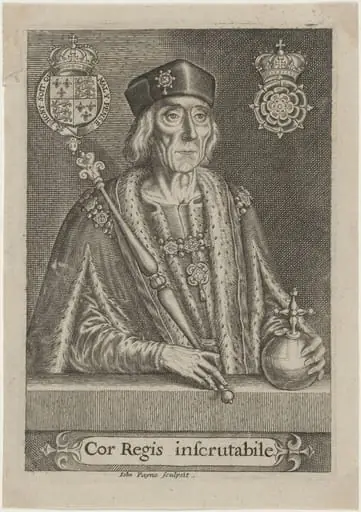
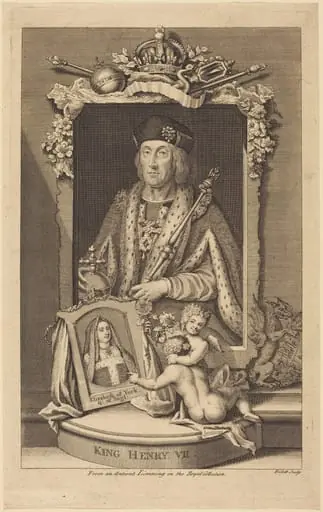
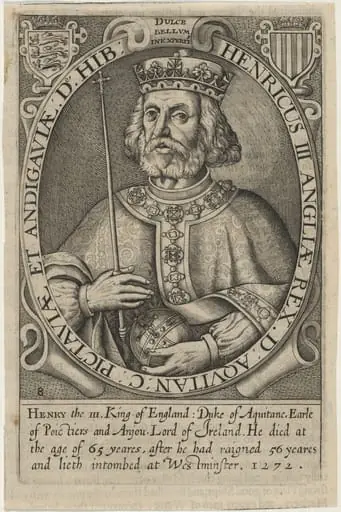
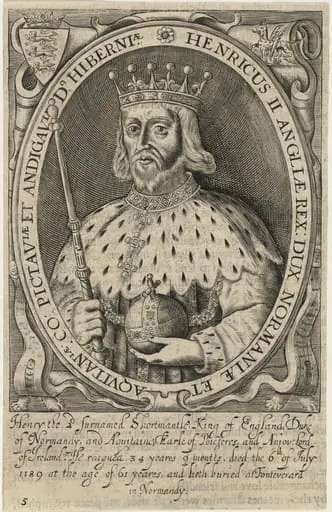
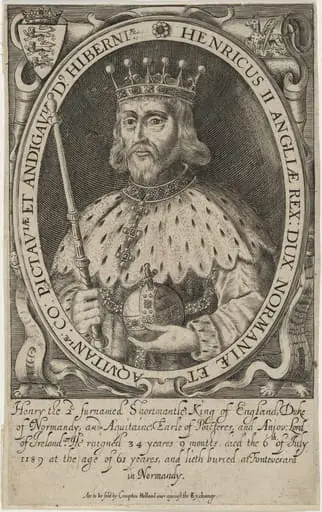
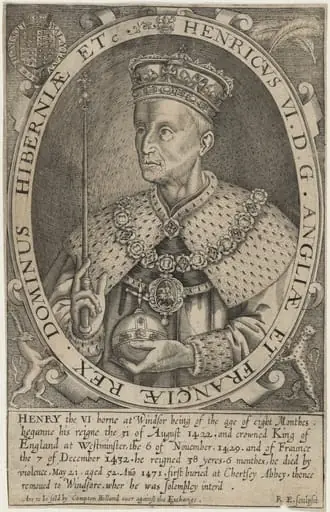
Henry VII is an ink print by the Baroque artist John Payne. It dates from 1622 and is held in the collection of the National Gallery of Art.
About this work
Overview
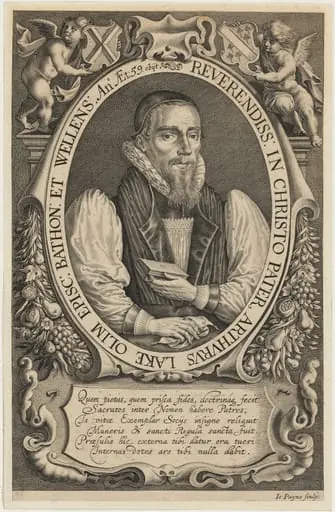
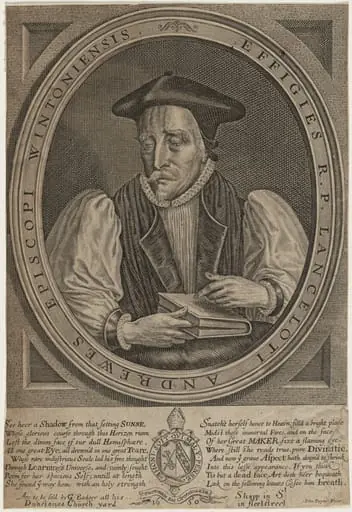
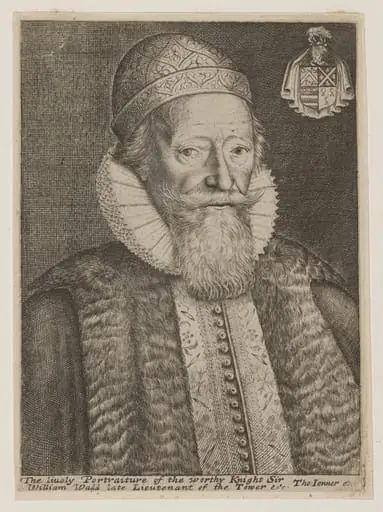
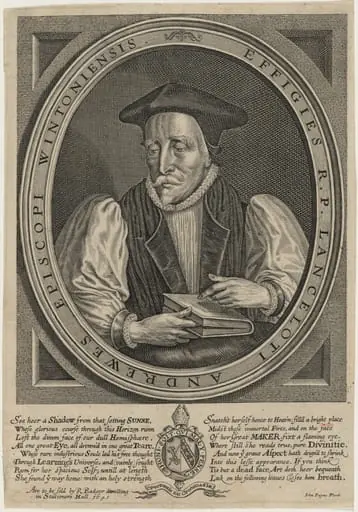
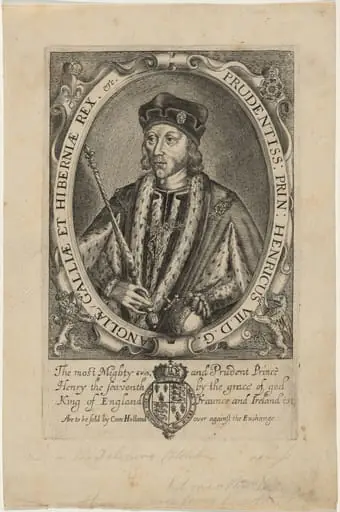
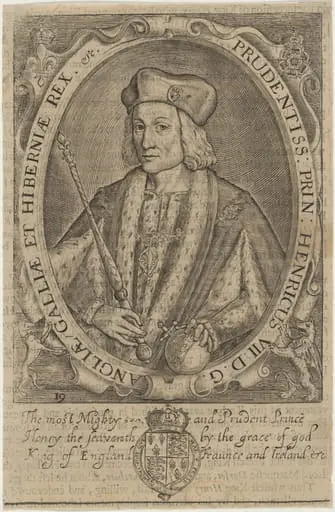
This engraving, created by John Payne in 1622, is a black and white print depicting a dignified figure. It showcases Payne's skill as an English engraver and represents one of his early works.
Subject & Meaning
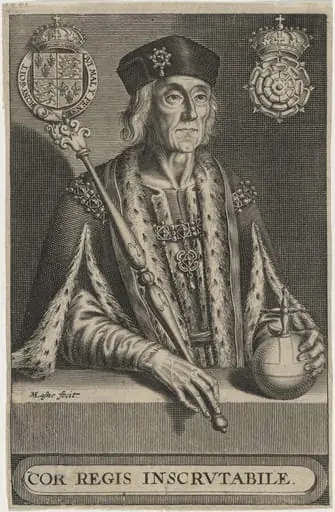
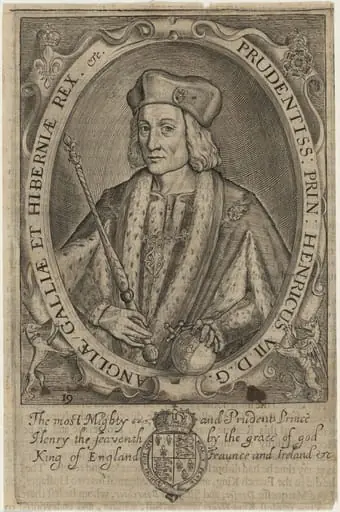
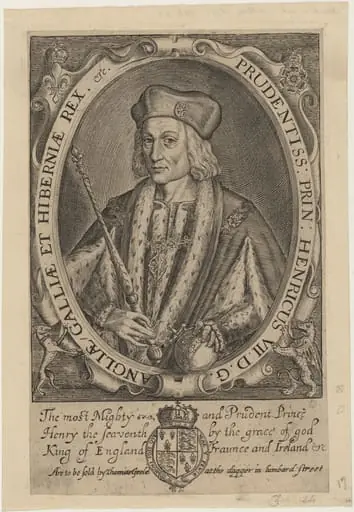
The subject is shown wearing ornate attire, including a fur-trimmed robe and a large necklace, and is accompanied by symbols of power such as a sword and a coat of arms. The figure's serious expression and direct gaze convey authority.
Technique & Style
The engraving features intricate details, reflecting the refined techniques characteristic of Payne's work. The textured background and elaborate clothing demonstrate the artist's ability to capture realism and wealth, aligning with the Baroque style.
History & Provenance
John Payne produced this engraving in 1622, during the early 17th century, a period when he was active in advancing engraving techniques in England under the patronage of Charles I.
Artist & collection
Artist
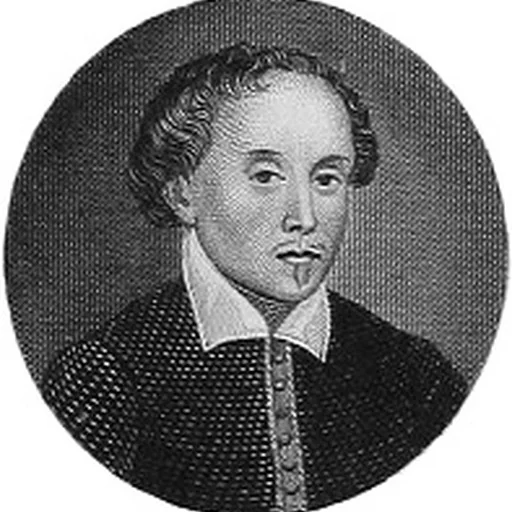
John Payne (1607–1647) was an English engraver, who was one of the earliest exponents of the art of engraving in England. His best work was the finest produced by a native-born engraver working during the reign of Charles I.