Artwork
Anne, Duchess of Albemarle
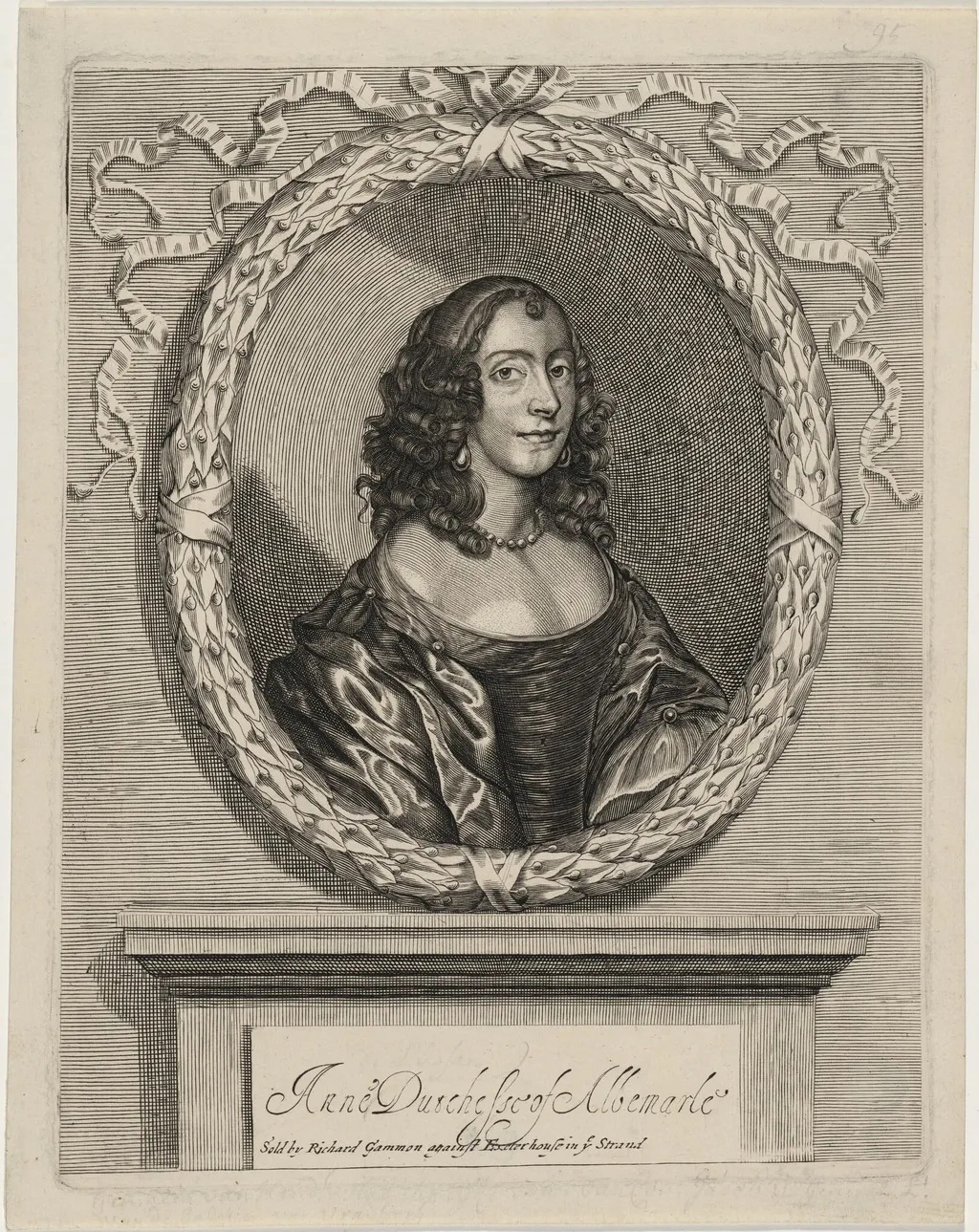
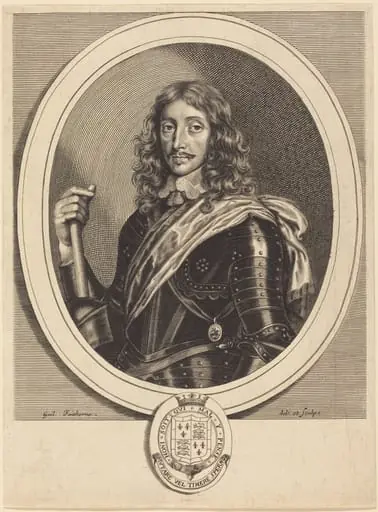
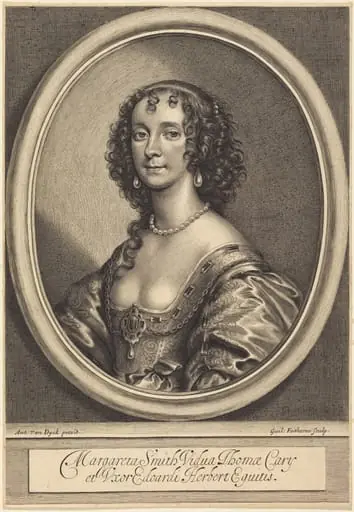
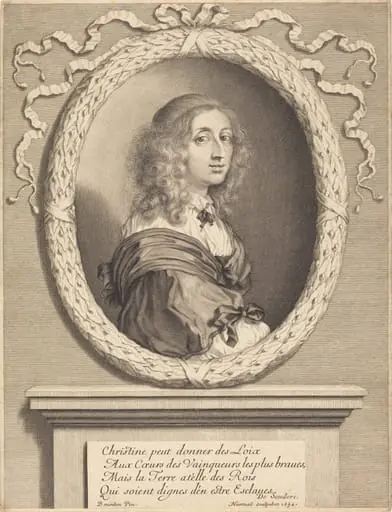
Anne, Duchess of Albemarle is an ink print by the Baroque artist William Faithorne. It dates from 1654 and is held in the collection of the National Gallery of Art.
About this work
Overview
Rendered in fine linear detail, the portrait conforms to the conventions of aristocratic portraiture of the period, emphasizing dignity and refinement.
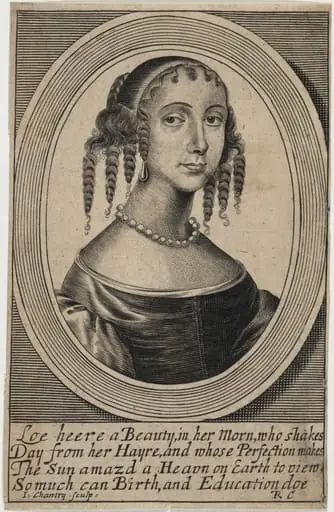
This 1654 engraving by William Faithorne depicts Anne, Duchess of Albemarle, a noblewoman of the mid-17th century. Rendered in fine linear detail, the portrait conforms to the conventions of aristocratic portraiture of the period, emphasizing dignity and refinement. The image is contained within an oval frame, crowned by a decorative ribbon, a common compositional device in engraved likenesses of the era.
Subject & Meaning
Anne, Duchess of Albemarle, is portrayed with composed stillness, her gaze direct and unflinching. Her attire—a dark, low-necked gown and a string of pearls—signals her status and taste, while the absence of overt symbols of power suggests a focus on personal identity rather than political role. The portrait conveys quiet authority, typical of elite women’s representations during the Interregnum, when public displays of nobility were subdued.
Technique & Style
Faithorne employed meticulous cross-hatching to model form and texture, using fine, intersecting lines to suggest the sheen of pearls, the softness of curls, and the weight of fabric. The engraving’s precision reflects his training as a skilled reproductive artist, adept at translating three-dimensional presence into flat, inked surfaces. The oval format and restrained palette enhance the portrait’s intimate, refined character.
History & Provenance
Created in 1654, during the Commonwealth period, the engraving likely served as a private keepsake or a gift among courtly circles, despite the absence of a monarchy. Faithorne, known for his portraits of prominent figures, produced this work shortly after the execution of Charles I, when aristocratic imagery persisted in domestic contexts. Its survival suggests continued reverence for noble lineage during politically turbulent times.
Context
In mid-17th-century England, engraved portraits were a primary means of disseminating likenesses of the elite, especially when painting was less accessible. Faithorne’s work aligns with a tradition of printmaking that preserved the visual culture of the gentry through political upheaval. The Duchess’s portrayal, though modest, reflects enduring norms of feminine decorum and social standing in post-monarchical society.
Legacy
Faithorne’s engraving of Anne, Duchess of Albemarle, remains a representative example of English portrait printmaking in the Interregnum. It illustrates how aristocratic identity was maintained through visual culture even when political power shifted. The work contributes to the historical record of women’s representation, offering insight into the quiet persistence of noble aesthetics beyond the court.
Artist & collection
Artist
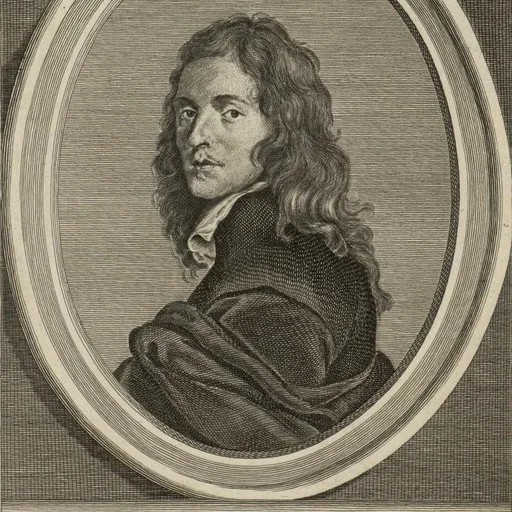
William Faithorne (1616–1691) was a British artist, born in Greater London.