Artwork
Title Page to Sir Dudly Digges, The Compleat Ambassador
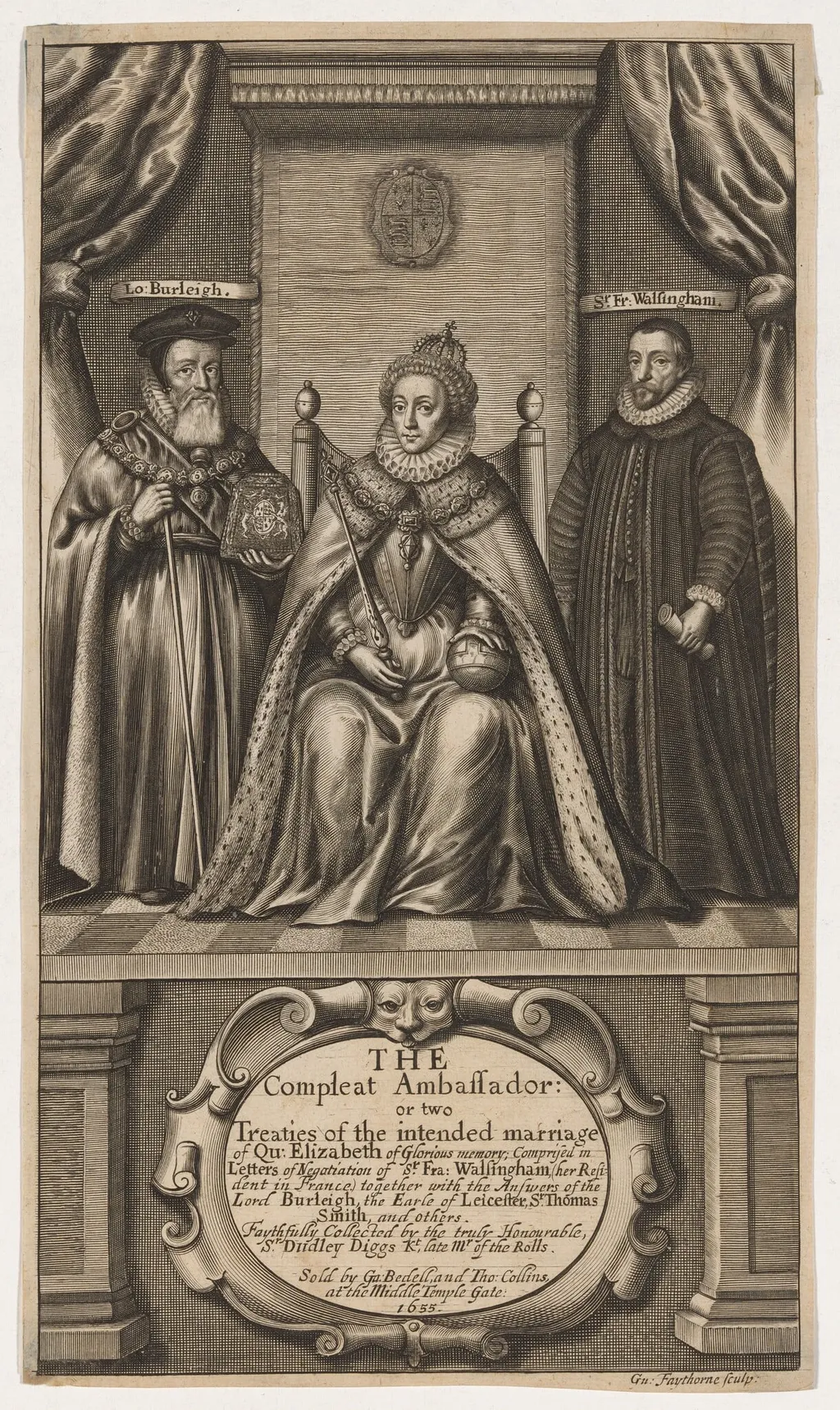
Title Page to Sir Dudly Digges, The Compleat Ambassador is an ink print by the Baroque artist William Faithorne. It dates from 1655 and is held in the collection of the National Gallery of Art.
About this work
Overview
Rendered in fine linear detail, the composition presents three figures beneath a heraldic emblem, framed by an elaborate typographic inscription.
An engraving by William Faithorne, dated 1655, serves as the title page for Sir Dudley Digges’s treatise on diplomacy, The Compleat Ambassador. Rendered in fine linear detail, the composition presents three figures beneath a heraldic emblem, framed by an elaborate typographic inscription. The print functions both as a decorative frontispiece and a symbolic representation of the diplomatic mission central to the text.
Subject & Meaning
The central figure is a woman crowned and holding a scepter, likely symbolizing the French monarchy, while the two men flanking her represent English envoys engaged in negotiation. One holds a scroll, suggesting diplomatic correspondence, and the other gestures with solemnity, indicating deference or oath-taking. The imagery conveys the gravity of statecraft and the formal protocols of international marriage negotiations between England and France.
Technique & Style
Faithorne employed meticulous engraving techniques to render texture and volume, using fine, controlled lines to suggest the folds of rich fabrics, the sheen of metal, and the contours of facial features. The contrast between light and shadow enhances the three-dimensionality of the figures, while the precision of the heraldic elements reflects the importance of lineage and authority in diplomatic contexts of the period.
History & Provenance
Commissioned as the frontispiece for Digges’s 1655 publication, the engraving was produced during the Interregnum, when England’s diplomatic efforts sought to navigate complex European alliances despite the absence of a monarchy. Faithorne, a leading English engraver of the time, was known for his portraiture and book illustrations, lending credibility and visual authority to the treatise.
Context
The Compleat Ambassador addressed the duties and conduct of envoys during a period of intense diplomatic activity following the English Civil War. With marriage alliances between European royal houses still pivotal to political stability, the imagery aligns the text’s advice with the ceremonial language of monarchy, even as England operated as a republic.
Legacy
Faithorne’s engraving exemplifies the integration of visual symbolism with printed political discourse in mid-seventeenth-century England. Its detailed realism and formal composition influenced later book illustration practices, particularly in diplomatic and legal publications, where authority and decorum were visually reinforced through portraiture and heraldry.
Artist & collection
Artist
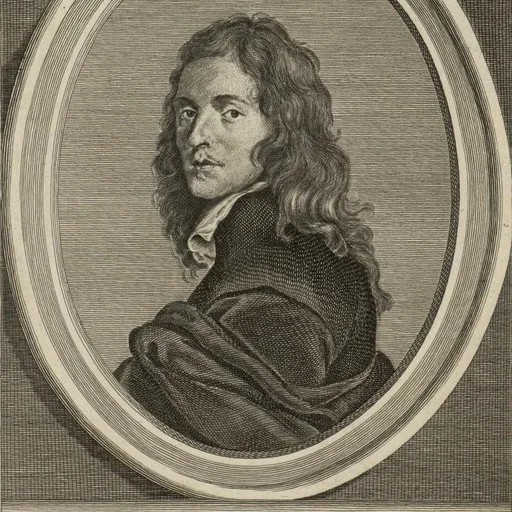
William Faithorne (1616–1691) was a British artist, born in Greater London.

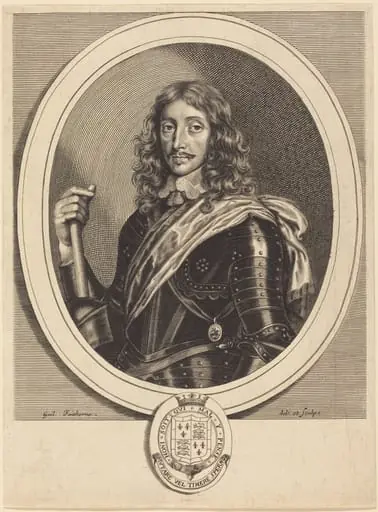
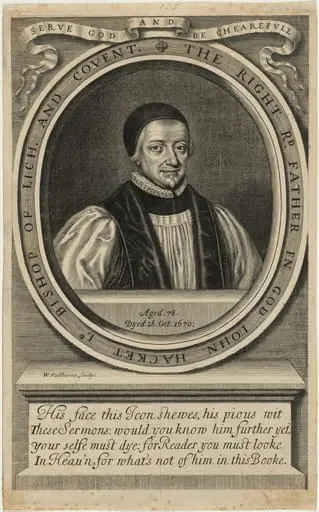
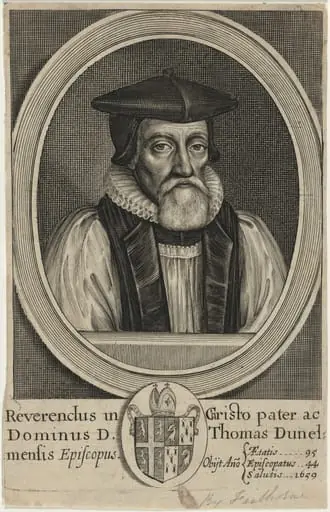
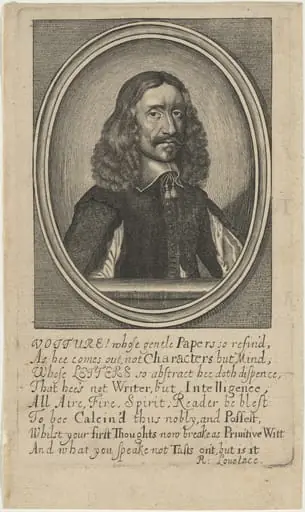
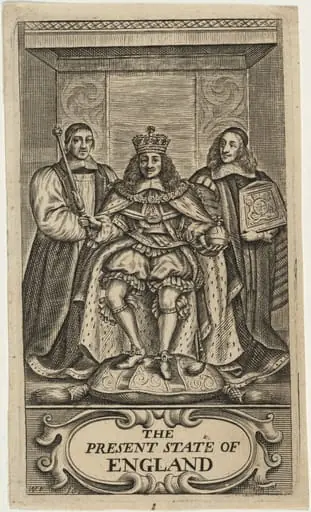 Title Page to The Edward Chamberlayne, The Present State of England
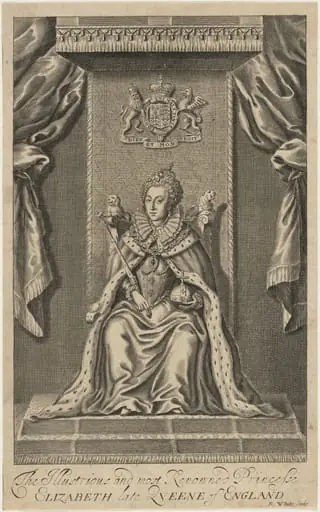 Queen Elizabeth Enthroned
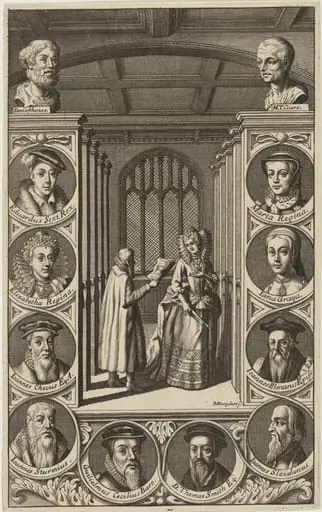 Roger Assham and Mary Surrounded by MedallianPortraits
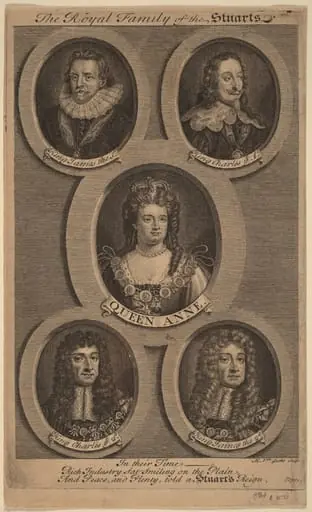 The Royal Family of the Stuarts
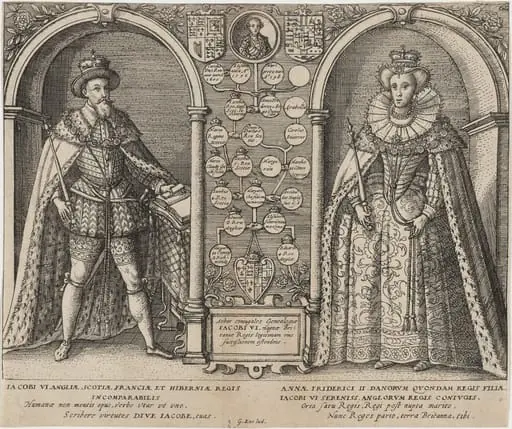 James I and Anne of Denmark with GeneologicalTree
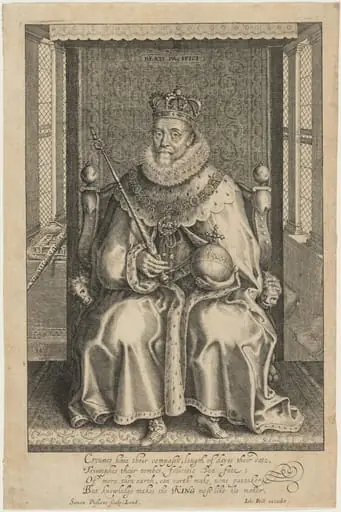 James I of England
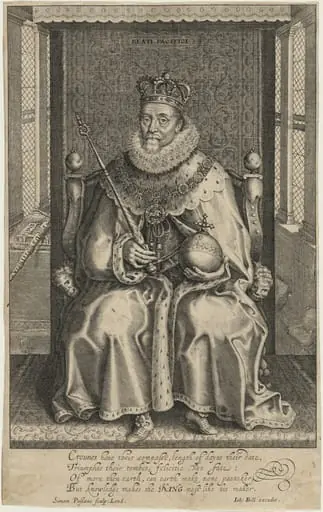 James I of England
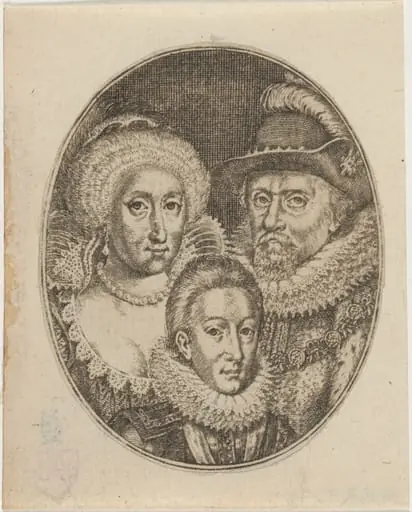 James I, Anne of Denmark, and Prince Charles
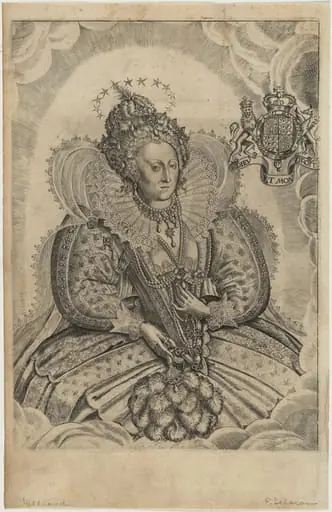 Queen Elizabeth
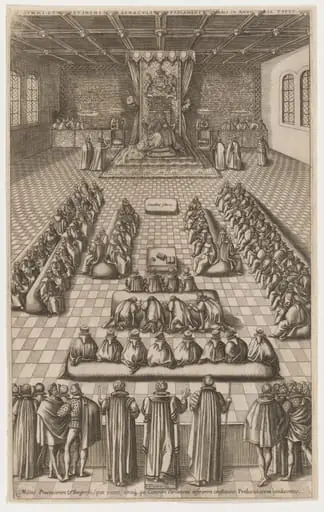 Queen Elizabeth in Parliament
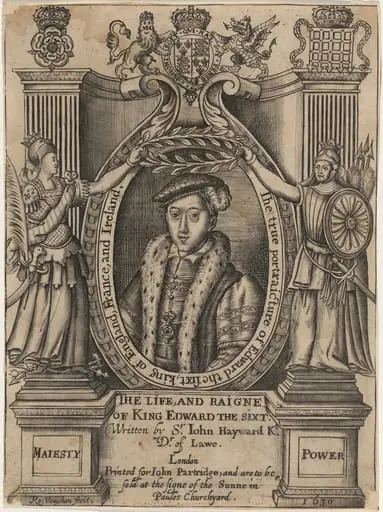 Title Plate to John Hayward, Life and Reigne of King Edward the Sixth
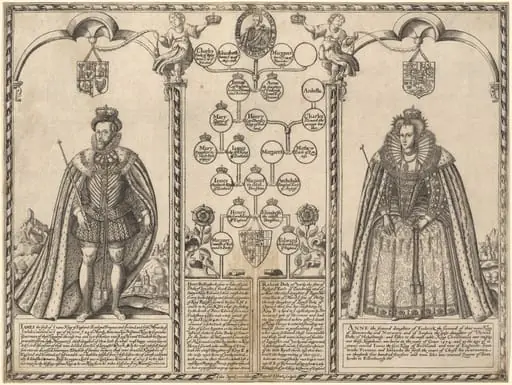 James I and Anne of Denmark