Artwork
William Harvey, M.D.
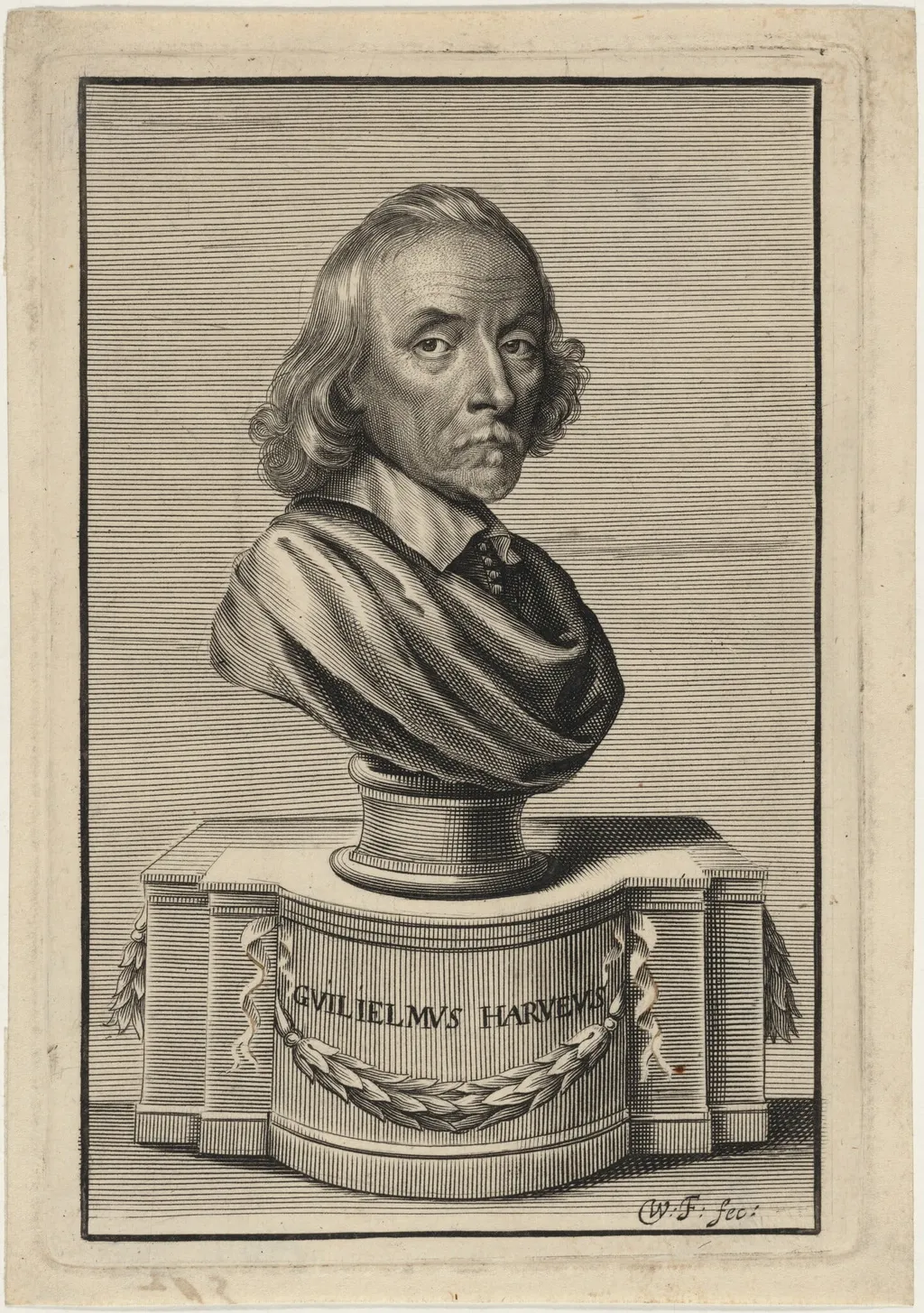
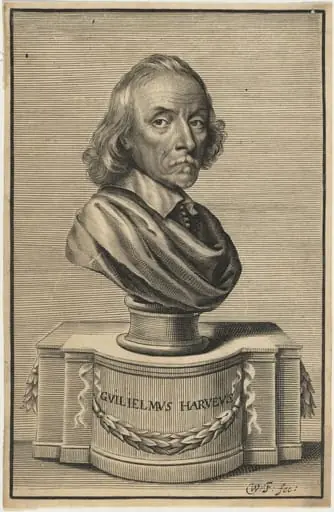
William Harvey, M.D. is an ink print by the Baroque artist William Faithorne. It dates from 1653 and is held in the collection of the Rosenwald Collection.
About this work
Overview
This 1653 engraving by William Faithorne depicts the English physician William Harvey, known for his groundbreaking work on blood circulation. Rendered in monochrome, the portrait presents Harvey in a formal, contemplative pose. The composition emphasizes his intellectual stature through precise line work and subtle tonal gradations, typical of mid-17th-century printmaking practices in England.
Subject & Meaning
Harvey is portrayed not as a nobleman but as a scholar, his identity anchored by the carved inscription on the pedestal beneath him.
Harvey is portrayed not as a nobleman but as a scholar, his identity anchored by the carved inscription on the pedestal beneath him. His turned gaze and restrained expression convey quiet authority rather than grandeur. The absence of symbolic objects or elaborate attire focuses attention on his intellectual presence, reflecting the era’s growing reverence for empirical science and medical expertise.
Technique & Style
Faithorne employed fine, controlled engraving lines to model Harvey’s features with remarkable subtlety. The texture of his ruffled collar and the contours of his face are rendered through delicate cross-hatching and varying line density, creating a sense of volume. The plain background isolates the figure, enhancing the three-dimensionality achieved through meticulous shading—a hallmark of Faithorne’s portraiture style.
History & Provenance
Created in 1653, the engraving was likely produced to accompany Harvey’s published works or to commemorate his scientific contributions during the Restoration period. Faithorne, a leading English engraver of the time, was known for his portraits of prominent figures. The print circulated among scholars and institutions, helping to establish Harvey’s public image as a foundational figure in medicine.
Context
In mid-17th-century England, portraiture in print became a key medium for disseminating the likenesses of intellectuals. Harvey’s recognition through this engraving coincided with the rise of the Royal Society and the institutionalization of scientific inquiry. Unlike earlier religious or aristocratic portraits, this image prioritizes intellectual identity over social status, reflecting broader cultural shifts.
Legacy
Faithorne’s engraving remains one of the most enduring visual records of Harvey, frequently reproduced in medical histories and textbooks. Its restrained aesthetic and focus on the individual’s mind over external trappings influenced later scientific portraiture. The image continues to serve as a reference point for understanding how scientific authority was visually constructed in early modern Europe.
Artist & collection
Artist
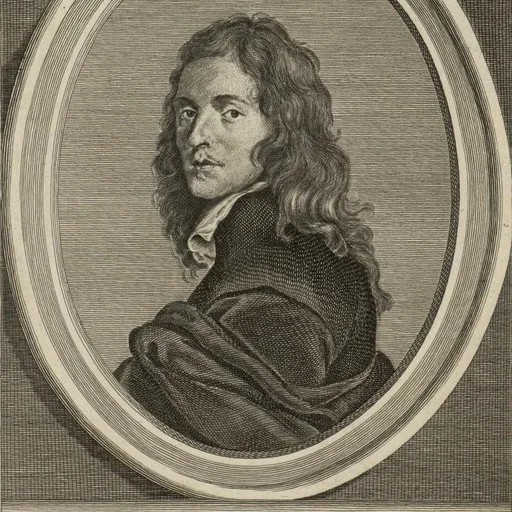
William Faithorne (1616–1691) was a British artist, born in Greater London.
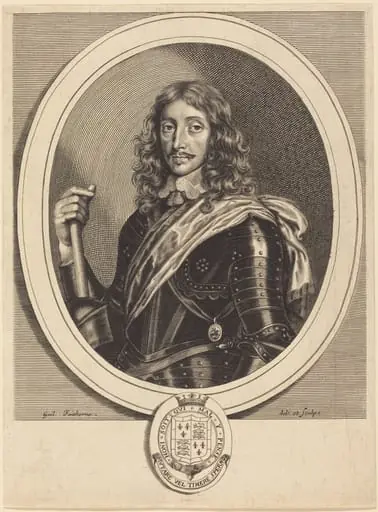
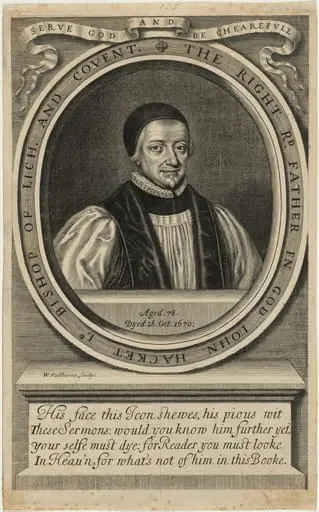
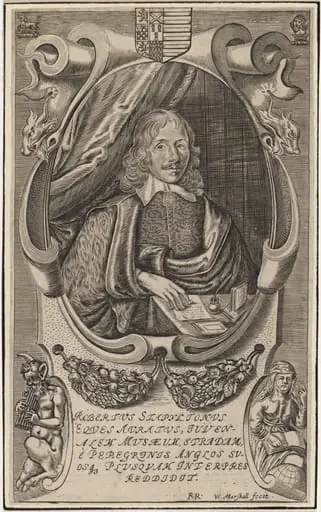 Sir Robert Stapylton
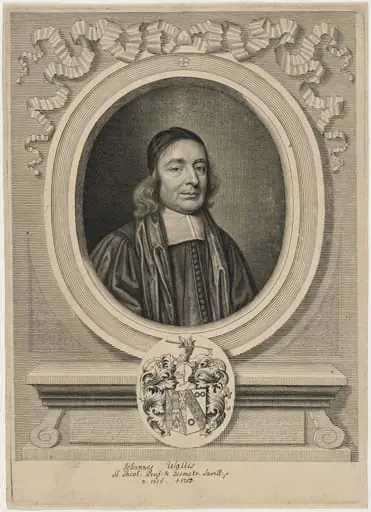 John Wallis, Mathematician
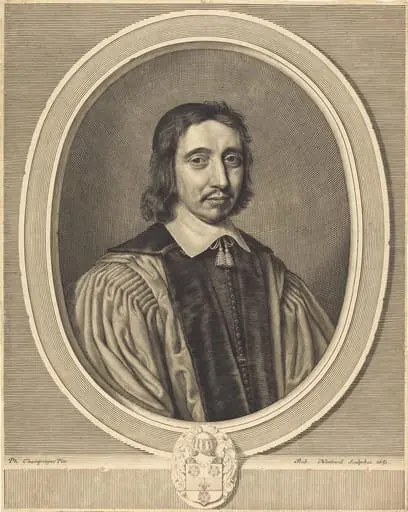 Charles Benoise
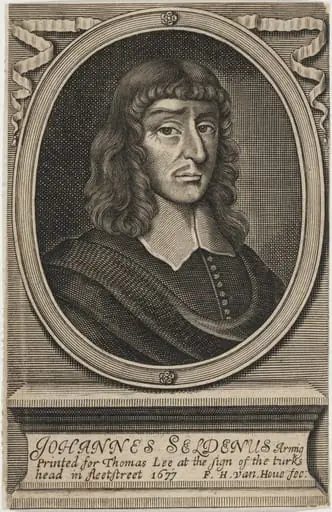 John Selden
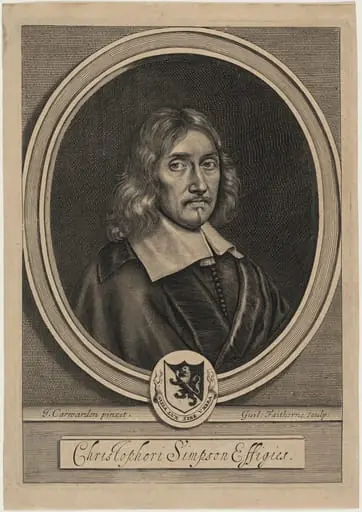 Christopher Chelys Simpson
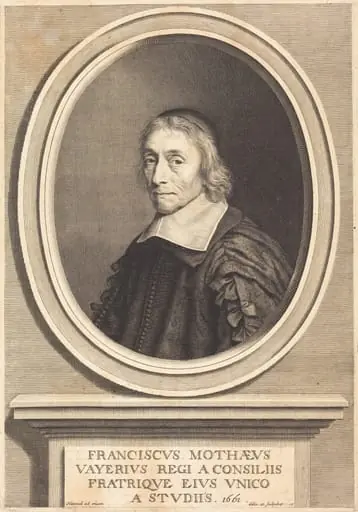 Francois de la Mothe Le Vayer
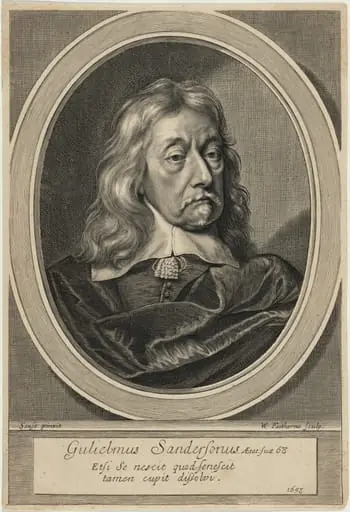 Sir William Sanderson
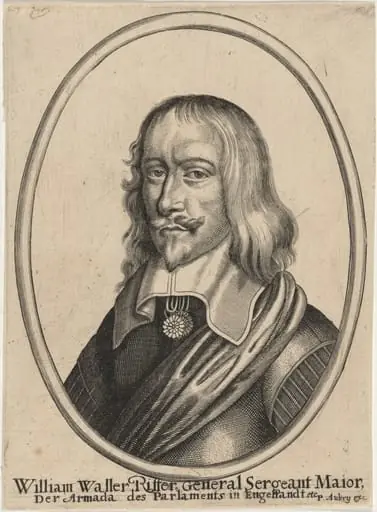 Sir William Waller, Parliamentary General
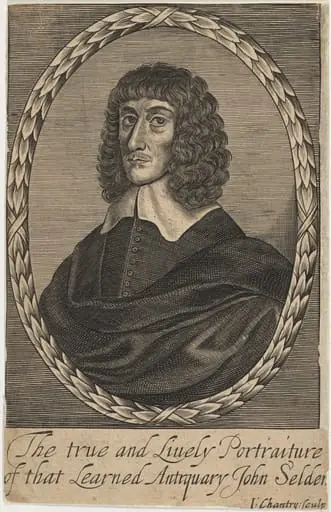 John Selden, Jurist and Antiquary
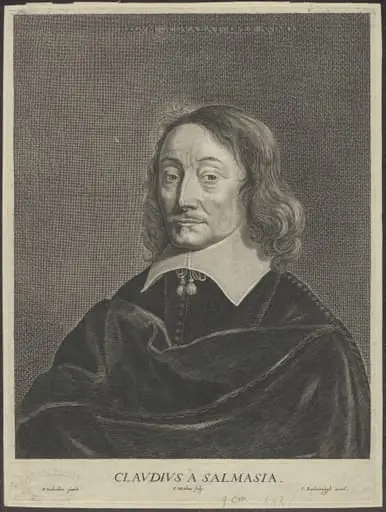 Portrait of Claudius Salmasius, professor at Leiden
 Antoine de Chaubard
 William Harvey, M.D.