Artwork
The Shah Nyjuff or Najaf
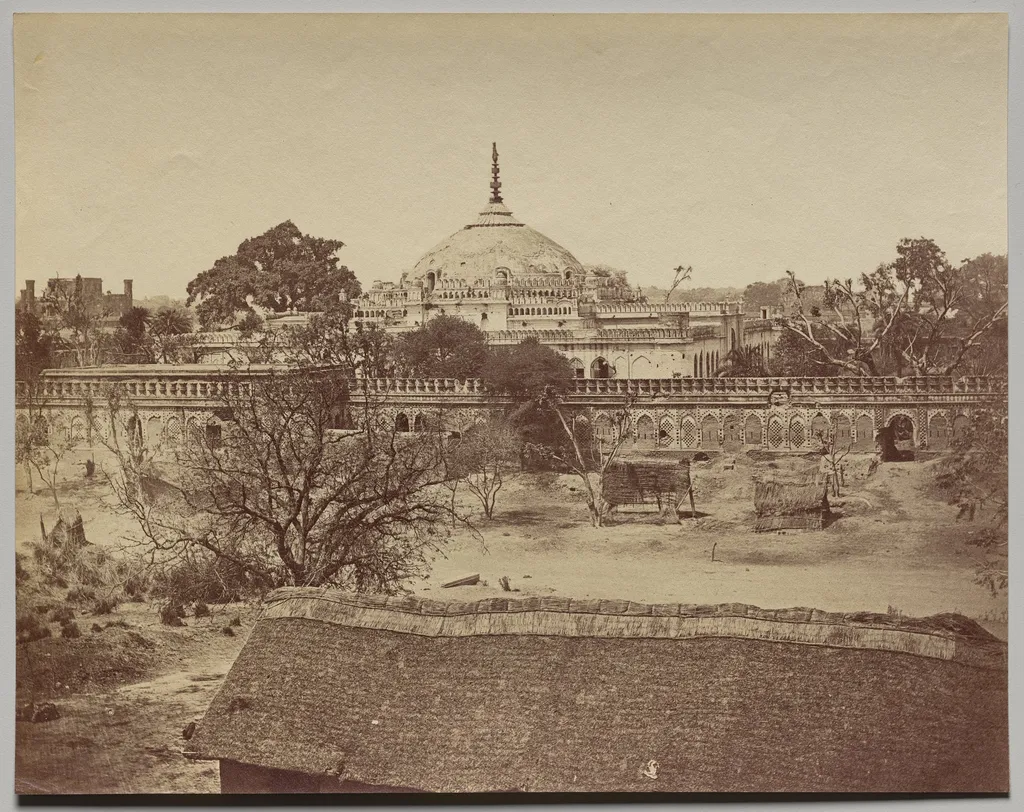
The Shah Nyjuff or Najaf is a photography by the Impressionist artist Felice A. Beato. It dates from 1858 and is held in the collection of the Cleveland Museum of Art. Taken in 1858 by Felice A.
About this work
Overview
Taken in 1858 by Felice A. Beato, this photograph captures the Shah Nujuff, a prominent shrine in Najaf, Iraq. It is one of the earliest photographic records of the site, made during Beato’s travels through the Middle East. The image is held in the collection of The Cleveland Museum of Art and represents a significant example of 19th-century documentary photography in the region.
Subject & Meaning
The Shah Nujuff is a sacred Shia Islamic shrine housing the tomb of Imam Ali, the first Shia Imam. The photograph emphasizes the architectural grandeur of the domed structure and its surrounding minarets, framed by trees and open sky. The image serves as a visual record of religious architecture in the Ottoman Empire, conveying reverence through composition rather than overt symbolism.
Technique & Style
Beato employed the wet collodion process, achieving sharp detail and tonal contrast typical of mid-19th-century photography. The composition uses leading lines from arches and pathways to draw the eye toward the central dome, enhancing spatial depth. The clear sky and careful framing reflect a documentary intent, prioritizing accuracy over artistic embellishment.
History & Provenance
Beato photographed the site during his journey through the Ottoman territories in the late 1850s, documenting religious and military sites. The photograph entered the Cleveland Museum of Art’s collection through established photographic archives, likely acquired in the 20th century as interest in early Middle Eastern photography grew among institutions.
Context
In the 1850s, European photographers like Beato were among the first to systematically record Islamic architecture for Western audiences. This work emerged amid colonial-era curiosity about the East, yet Beato’s approach remained largely observational. His images contributed to a growing visual archive of non-European sites, often used for ethnographic and scholarly study.
Legacy
Beato’s photograph of the Shah Nujuff remains a key reference for historians studying 19th-century Islamic architecture and early photographic documentation in the Middle East. It exemplifies how photography began to replace illustrated travelogues as a tool for cultural record, influencing later ethnographic and architectural studies in the region.
Artist & collection
Artist
Felice A. Beato and Felice Antonio Beato are collective signatures used by the brothers Felice Beato and Antonio Beato, who were both pioneering photographers in the 19th century. They were noted for their depictions of…

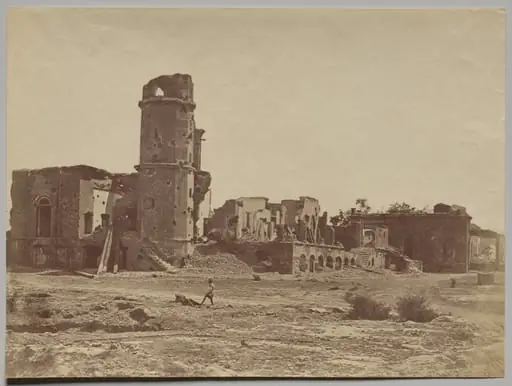 The Residency, Taken from the Redan Battery
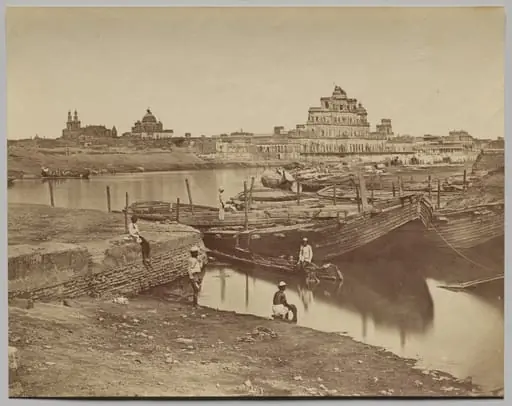 Bridge of Boats over the Gumti River near the Chattar Manzil and Fusseed Bakah or Old Palace
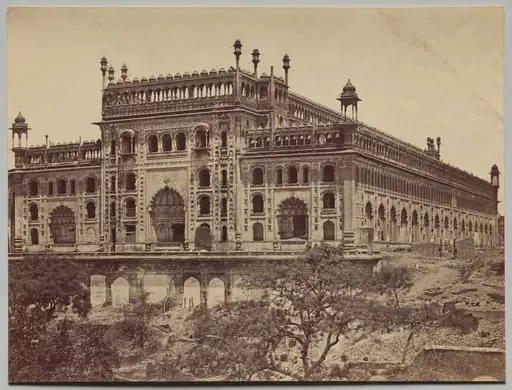 Exterior of Asaf-ud-Daula's Imambara, or Tomb
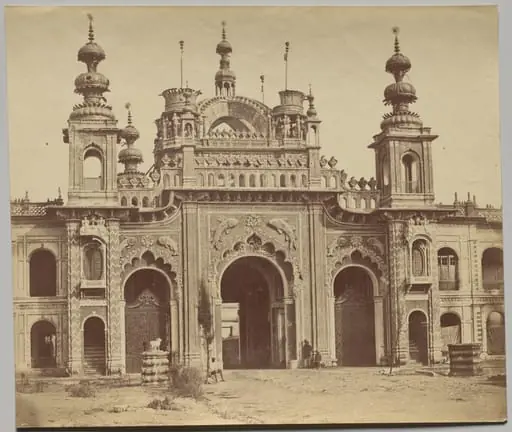 The Great Gateway of the Kasierbagh
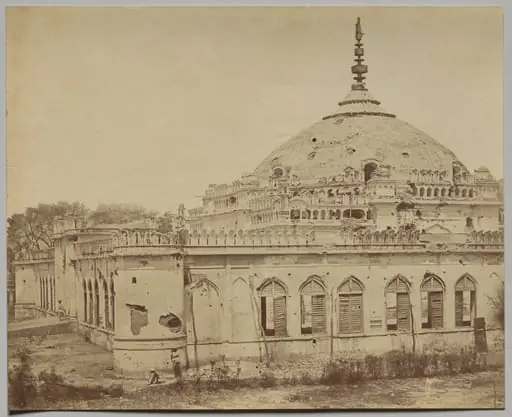 Shah Najaf
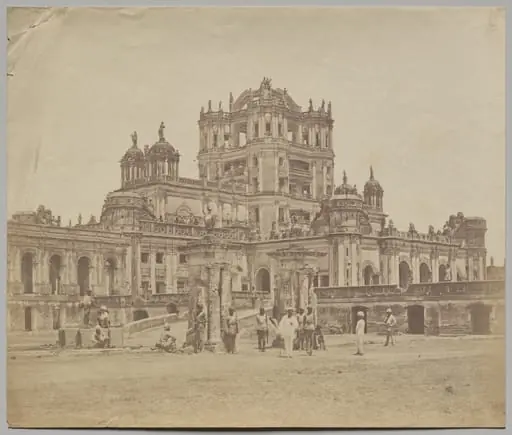 The Martinière College
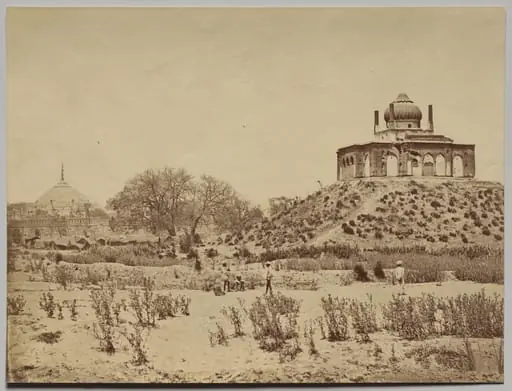 The Kudmsee Russol
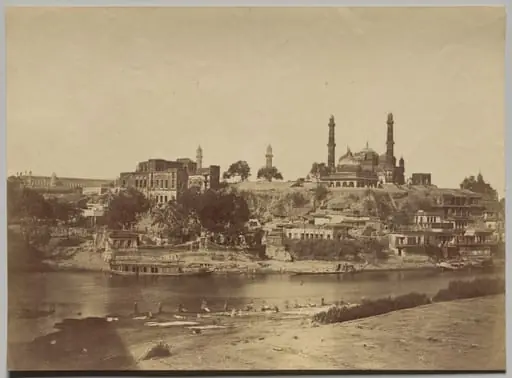 The Muchee Bhawan Fort and the Gomti River Taken from the Stone Bridge
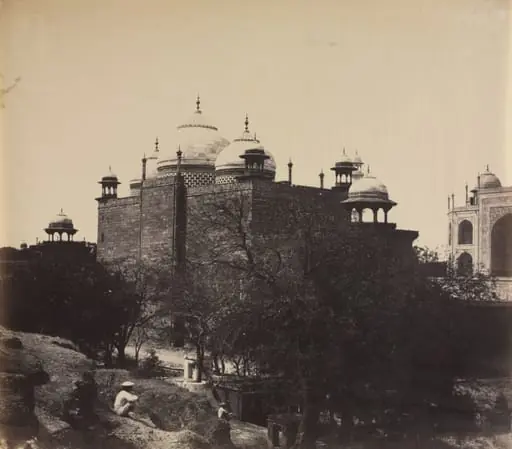 Taj Mahal, Back View of the Rest-House, with Figure
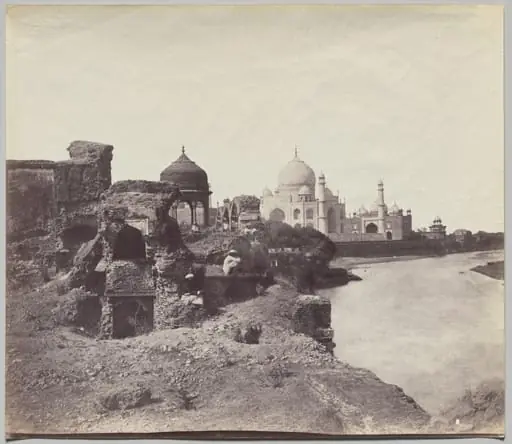 The Taj Mahal
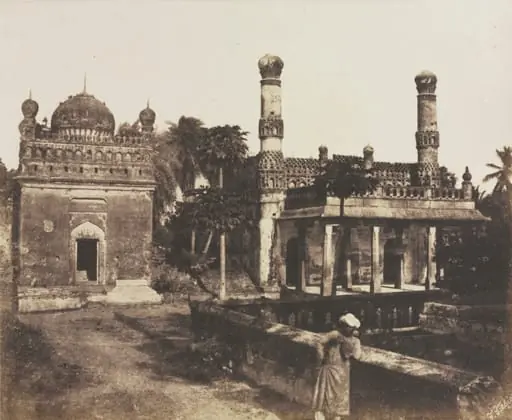 Mosque, Madras
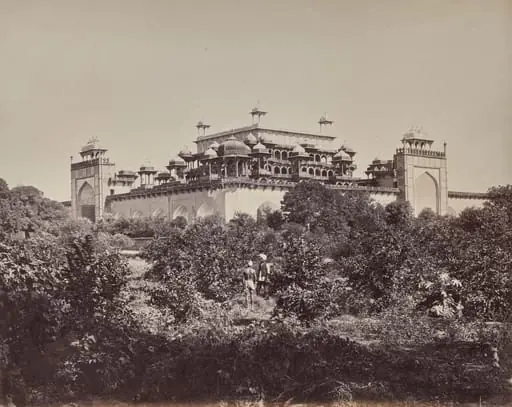 Secundra Near Agra. The Mausoleum of the Emperor Akbar
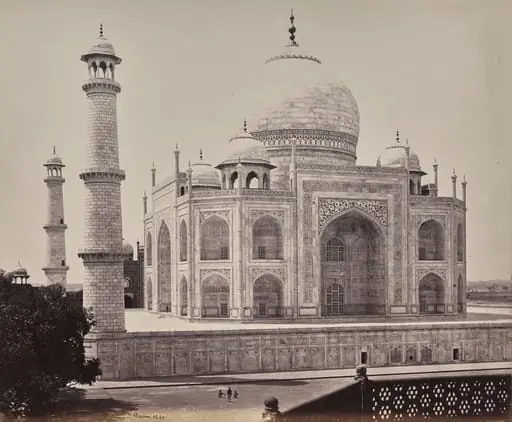 Agra. View of the Taj from a Corner in the Quadrangle
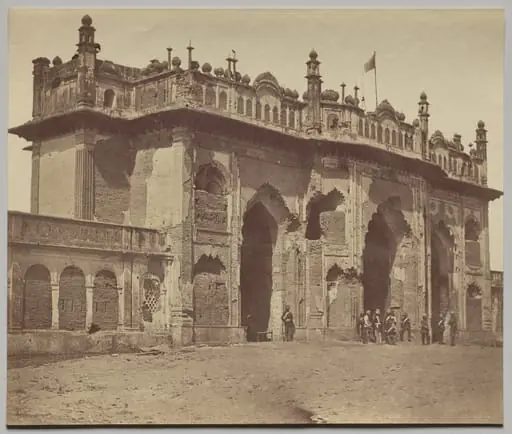 Gateway of the Small Emambara
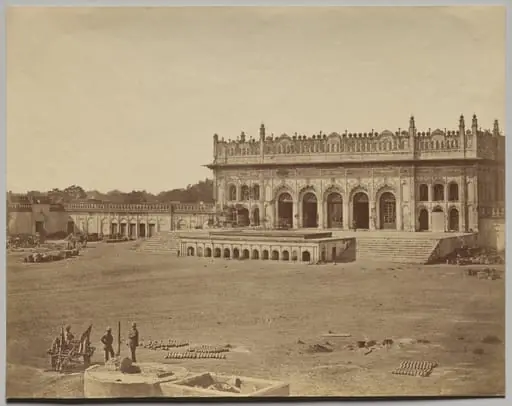 The Small Imambara
 Delhi. The Kashmire Gate. The Scene of Some Very Hard Fighting in 1857
 The City of Lahore. Another View Taken from Huzeer Khan's House