Artwork
The Madonna and Child with Two Angels and Saints Scholastica, Benedict, Roch, Peter, Paul and Jerome
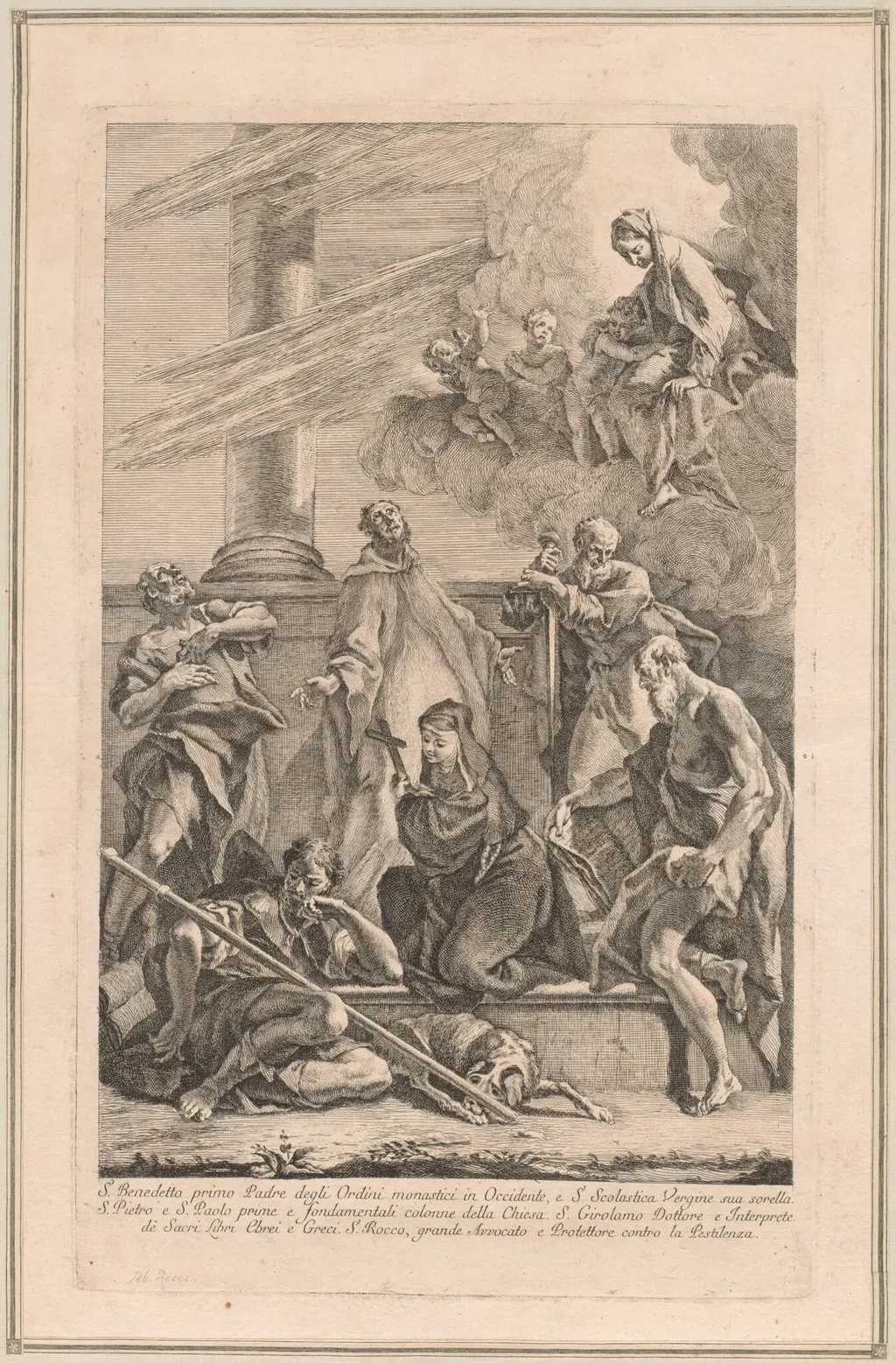
The Madonna and Child with Two Angels and Saints Scholastica, Benedict, Roch, Peter, Paul and Jerome is an ink print by the Baroque artist Francesco Fontebasso. It dates from 1740 and is held in the collection of the National Gallery of Art.
About this work
Overview
Created around 1740 by Francesco Fontebasso, this etching presents a dense religious composition centered on the Madonna and Child, surrounded by six saints.
Created around 1740 by Francesco Fontebasso, this etching presents a dense religious composition centered on the Madonna and Child, surrounded by six saints. Executed in black ink on laid paper, the work belongs to the Venetian Rococo tradition, reflecting Fontebasso’s training under Sebastiano Ricci and his engagement with the dynamic visual language of his time. The print captures a moment of spiritual hierarchy, with celestial and earthly figures arranged in layered, theatrical poses.
Subject & Meaning
The scene centers on the Virgin and Child, elevated above a group of saints including Benedict, Scholastica, Peter, Paul, Jerome, and Roch. Each saint is identified by traditional attributes: a book, a cross, or a pilgrim’s staff. A fallen figure at the lower edge suggests a moment of divine intervention or penitence. The composition conveys sacred intercession, with angels hovering above as witnesses, reinforcing the connection between heaven and earth.
Technique & Style
Fontebasso employed etching to achieve fine, fluid lines that define drapery, facial expressions, and atmospheric depth. The plate’s incised marks create strong contrasts between light and shadow, enhancing the drama of the figures’ gestures. The crowded arrangement and swirling robes reflect Rococo tendencies toward movement and ornamental detail, while the monochrome palette emphasizes form and composition over color.
History & Provenance
The print was produced during Fontebasso’s mature period in Venice, when he was active in both painting and printmaking. Though few of his etchings survive in large numbers, this work aligns with his known output for religious patrons and ecclesiastical collectors. Its survival in institutional collections suggests early recognition of its technical and devotional value within 18th-century Venetian circles.
Context
In mid-18th-century Venice, religious imagery remained central to artistic production, even as secular themes gained ground. Fontebasso’s etching responds to a demand for devotional prints that combined emotional intensity with refined technique. His style bridges the grandeur of Tiepolo’s frescoes and the intimate scale of print culture, serving both private devotion and public display in monastic and aristocratic settings.
Legacy
Though Fontebasso is better known for his paintings, this etching exemplifies his skill in translating large-scale compositions into intimate graphic form. It contributes to the broader tradition of Venetian printmaking, where religious subjects were rendered with theatricality and technical precision. The work remains a reference for understanding how Baroque narrative conventions evolved into Rococo expressiveness in printed media.
Artist & collection
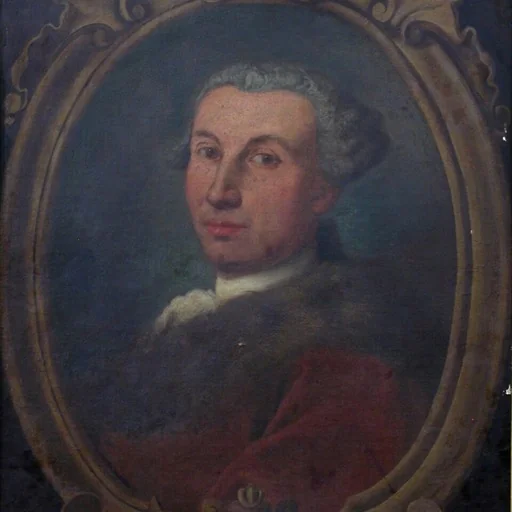
Artist
Francesco Fontebasso (4 October 1707 – 31 May 1769) was an Italian painter of the late-Baroque or Rococo period of Venice.

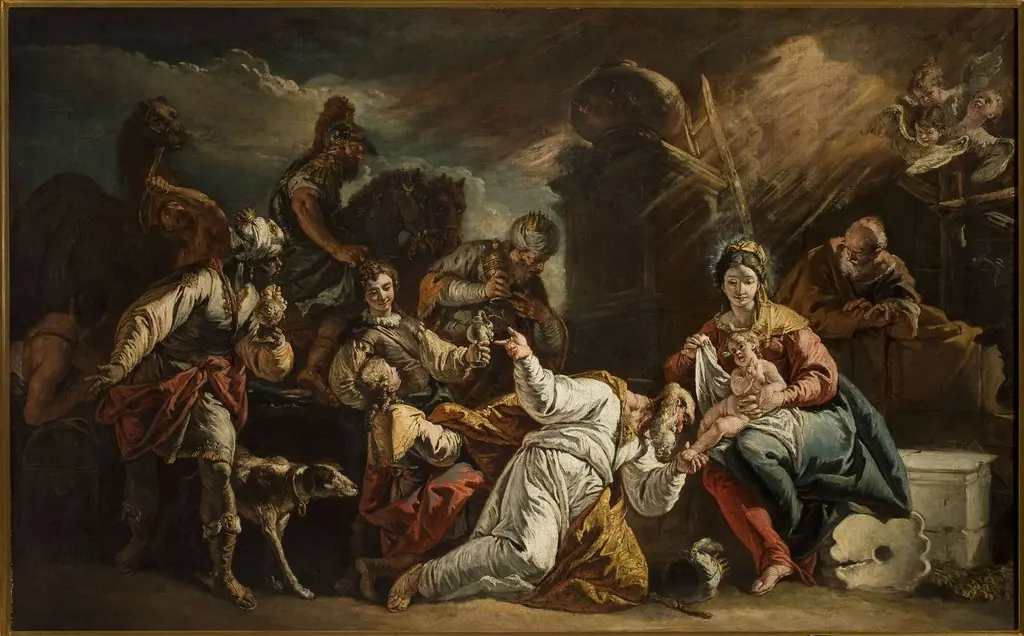 Adoration of the Magi
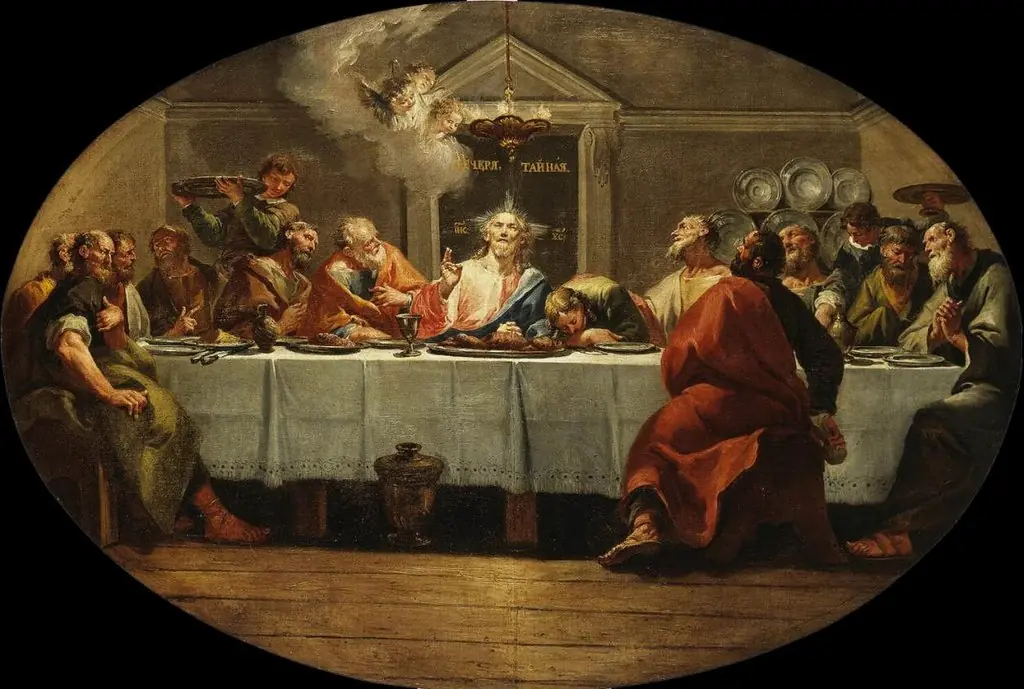 The Last Supper
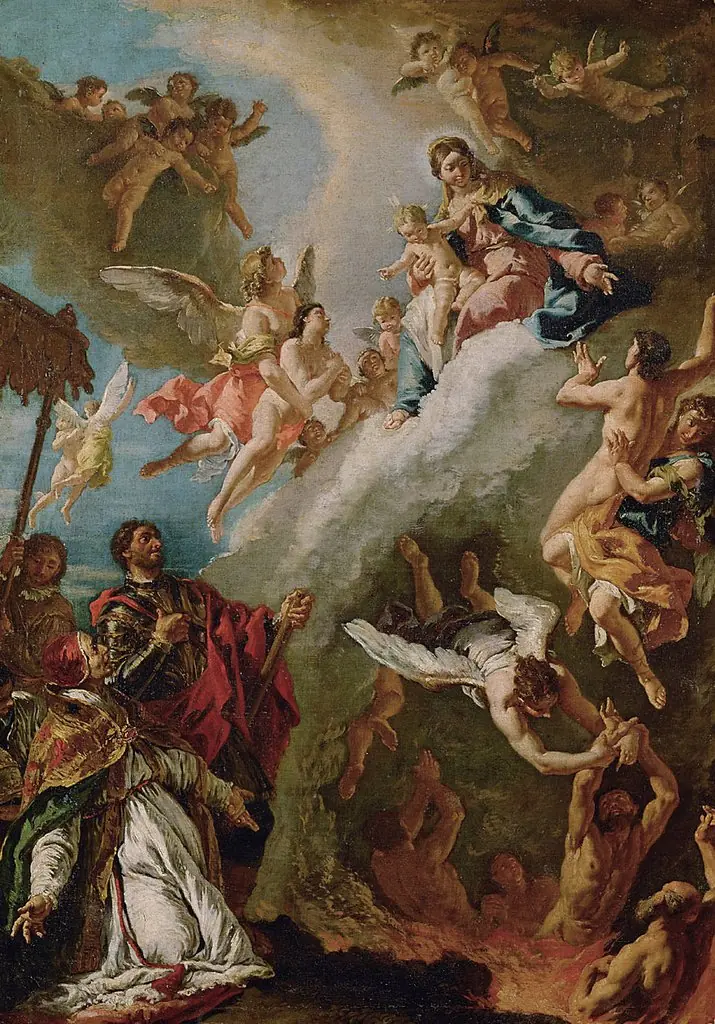 Papst Gregor I. und der Hl. Vitalis bitten die Madonna für die Seelen im Fegefeuer
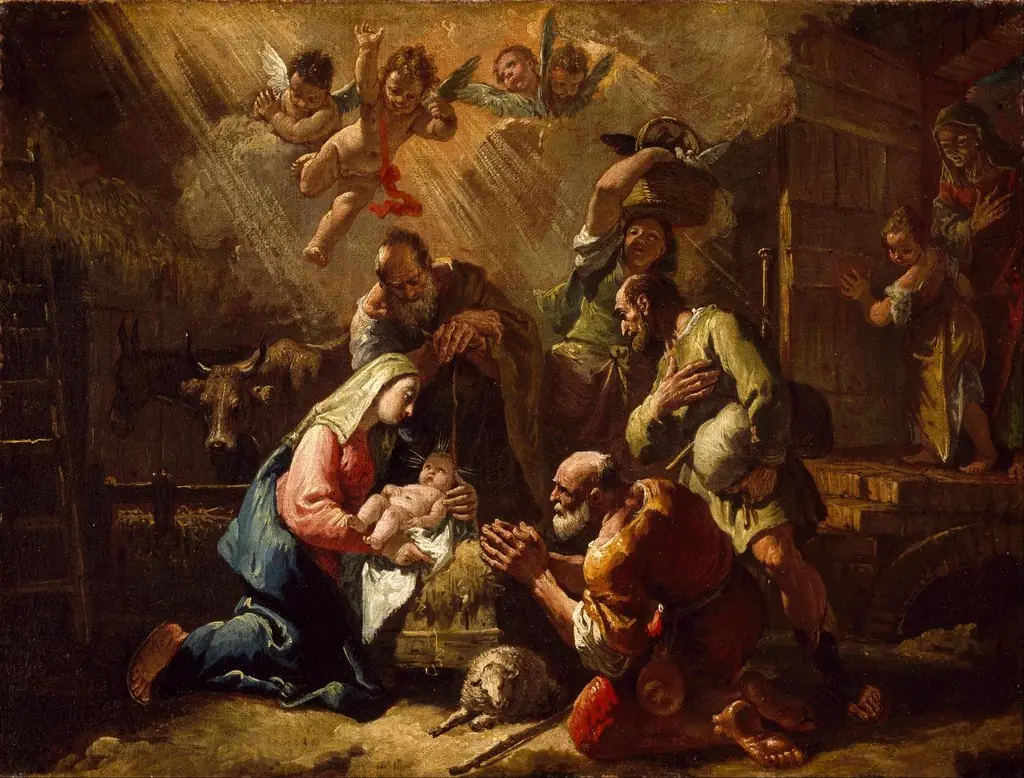 The Adoration of the Shepherds
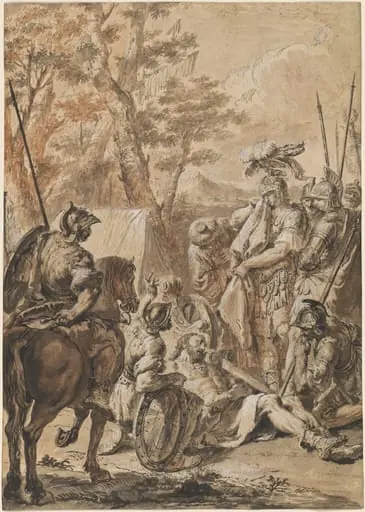 Alexander the Great before the Corpse of Darius
![Head of a Woman and Studies of a Male Nude [verso], by Francesco Fontebasso](https://artifactworldgallery.com/img/francesco-fontebasso--head-of-a-woman-and-studies-of-a-male-nude-verso--bba81b0c130c2863-w320.webp) Head of a Woman and Studies of a Male Nude [verso]
Head of a Woman and Studies of a Male Nude [verso]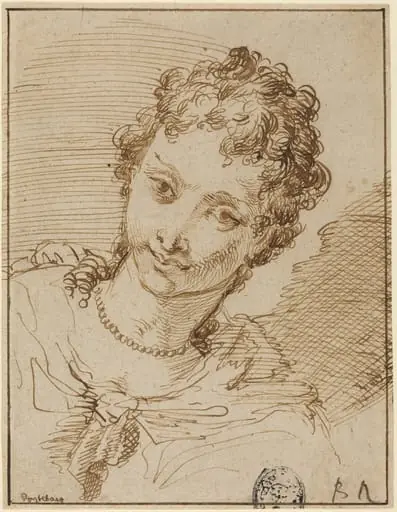 Elegant Young Woman with a Pearl Necklace
![Apollo and Studies of the Artist's Own Hand [recto], by Francesco Fontebasso](https://artifactworldgallery.com/img/francesco-fontebasso--apollo-and-studies-of-the-artist-s-own-hand-recto--ee93288e84456aea-w320.webp) Apollo and Studies of the Artist's Own Hand [recto]
Apollo and Studies of the Artist's Own Hand [recto]
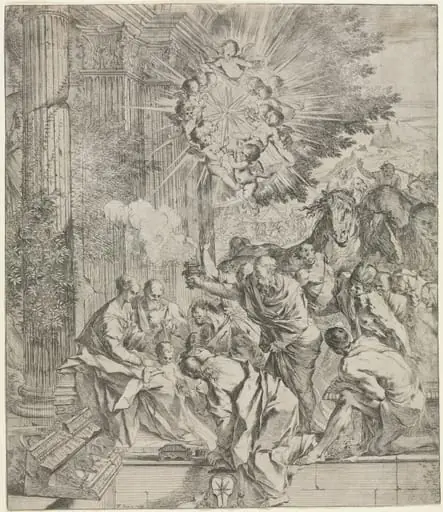 Adoration of the Magi
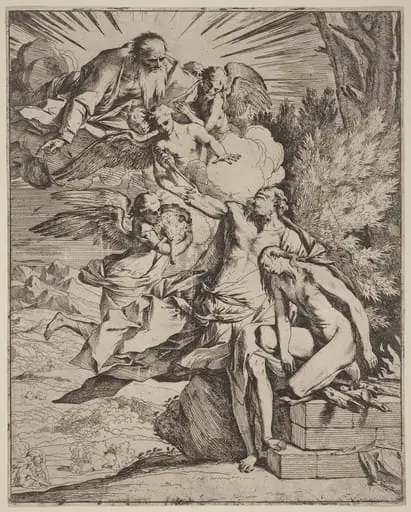 The Sacrifice of Abraham
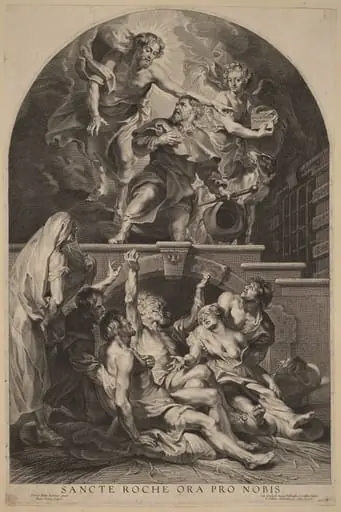 Jesus Christ Appearing to Saint Roch
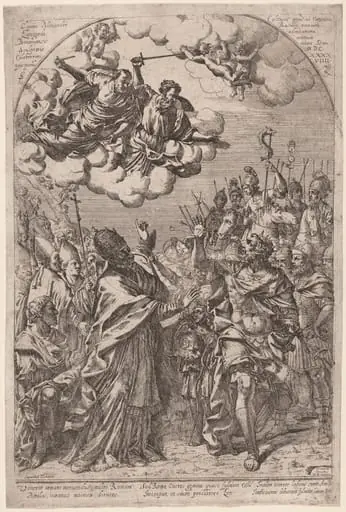 Attila at the Gates of Rome
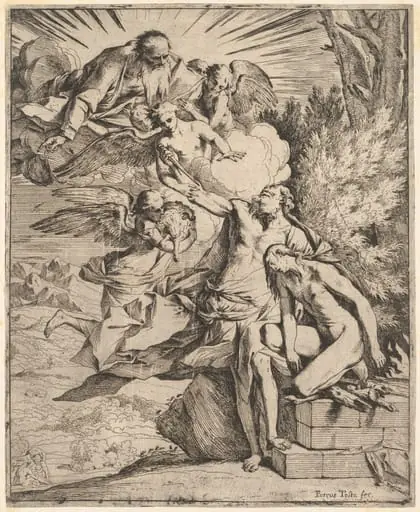 The Sacrifice of Abraham
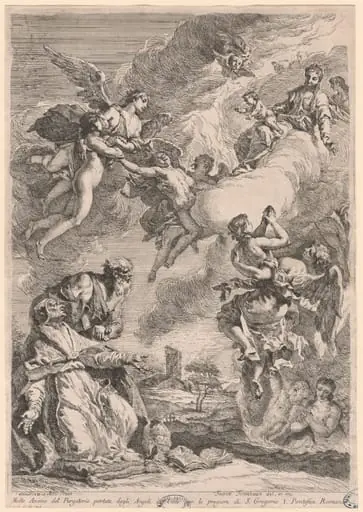 Pope Gregory the Great and Saint Vitale Interceding for the Souls in Purgatory
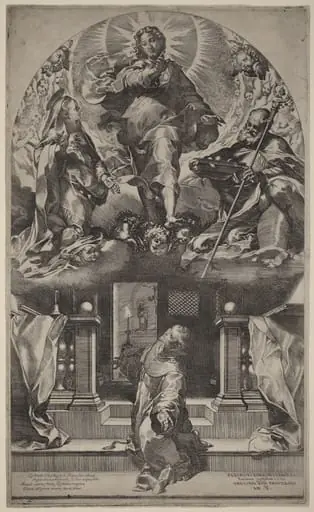 Vision of Saint Francis
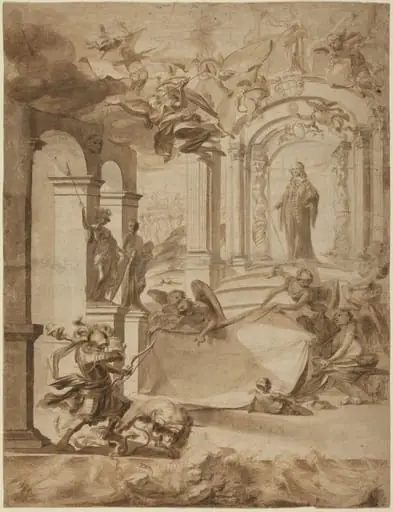 Allegory in Honor of a Gentleman
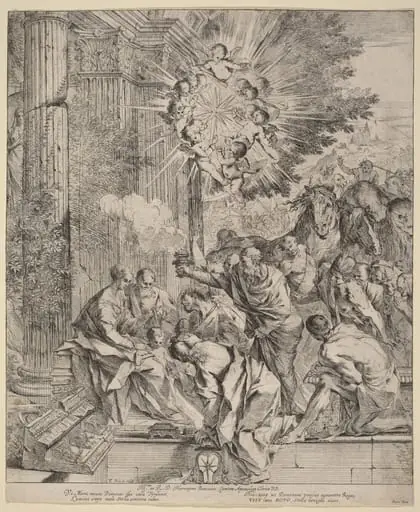 The Adoration of the Magi
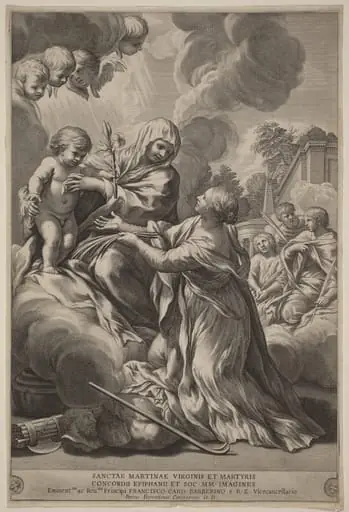 Virgin and Child with Martyrs
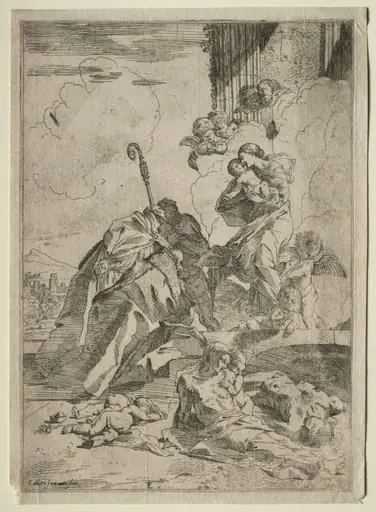 Three Lucchese Saints interceding with the Virgin for the Victims of the plague
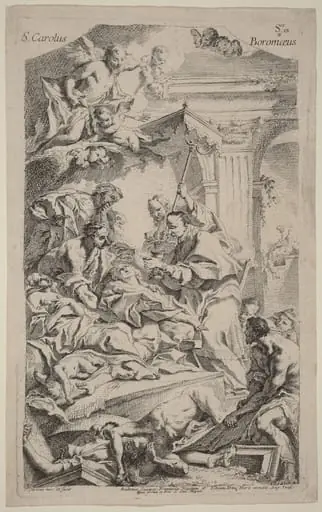 San Carlo Borromeo Giving Last Communion to Victims of the Plague