Artwork
Christ as the Man of Sorrows
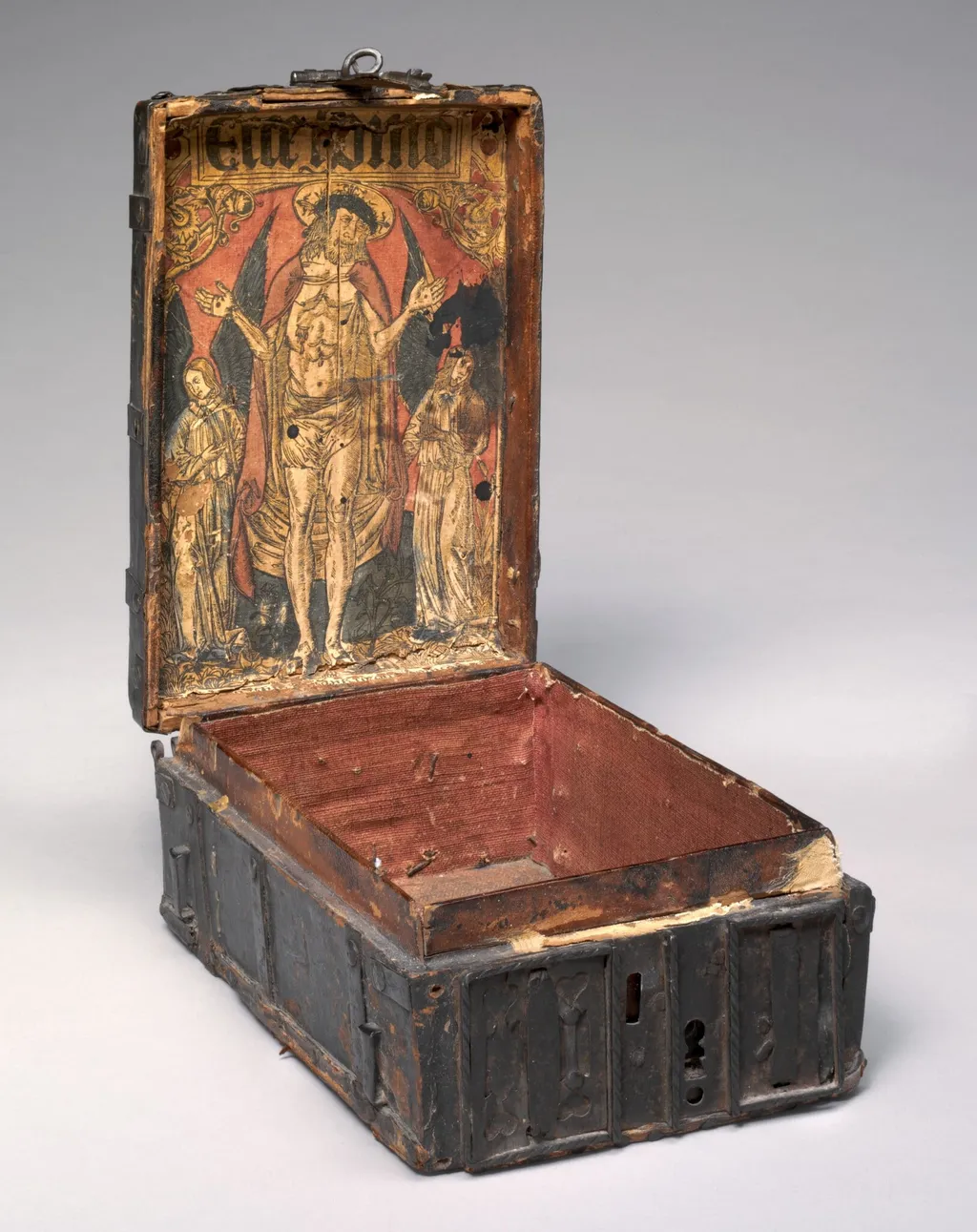
Christ as the Man of Sorrows is an ink print by the Renaissance artist French 15th Century. It dates from 1500 and is held in the collection of the National Gallery of Art. This woodcut, hand-colored with vermilion, dark green, light blue, and brown, was affixed to the interior lid of a portable strongbox.
About this work
Overview
This woodcut, hand-colored with vermilion, dark green, light blue, and brown, was affixed to the interior lid of a portable strongbox.
This woodcut, hand-colored with vermilion, dark green, light blue, and brown, was affixed to the interior lid of a portable strongbox. The image depicts a bare-chested figure with a crown of thorns, holding three nails, surrounded by two smaller figures. Gold leaf outlines the forms, and the word 'SALVATOR' appears above the central figure. The colors have faded over time, and the wooden surface shows signs of wear, suggesting frequent handling and travel.
Subject & Meaning
The central figure represents Christ in his role as the Man of Sorrows, a devotional image emphasizing his suffering after the crucifixion. The crown of thorns and the three nails reference his Passion, while the term 'SALVATOR' identifies him as Savior. The two smaller figures may be mourners or witnesses, reinforcing the scene’s contemplative tone. The object’s placement inside a locked box suggests private, personal devotion, possibly for use during travel.
Technique & Style
The image was produced using a woodcut technique, in which lines were carved into a wooden block and inked to transfer the design onto paper. The print was then hand-colored with pigments, including vermilion and gold leaf, to enhance its visual impact. The bold outlines and flat areas of color reflect late medieval print traditions, where clarity and symbolic emphasis took precedence over naturalistic detail.
History & Provenance
The print was mounted inside the lid of a traveling strongbox, likely used to safeguard valuables during journeys. Its integration into a functional object implies it served both protective and spiritual purposes. The wear on the wood and fading of pigments suggest prolonged use, possibly by a merchant, pilgrim, or clergy member who carried it across regions, blending practicality with religious devotion.
Context
In late medieval Europe, images of the Man of Sorrows were common in private devotion, especially among those who traveled or lived far from established churches. Portable devotional objects like this one allowed individuals to maintain spiritual focus on the road. The use of gold leaf and bright pigments reflected the value placed on sacred imagery, even in modest, utilitarian forms.
Legacy
This object exemplifies how religious imagery was embedded in everyday material culture during the late Middle Ages. Its survival offers insight into personal piety and the mobility of devotional practices. Though not created by a known artist, its craftsmanship and integration into a functional item highlight the widespread cultural resonance of Christ’s suffering as a subject for intimate contemplation.
Artist & collection

Artist
This artist hid their best work inside old travel trunks. They glued vivid woodcuts into the lids of wooden boxes meant to be carried on horseback, like secret postcards from God. If you’ve ever pried open a cracked lid…

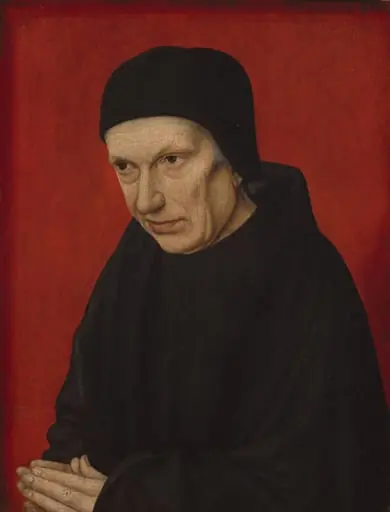
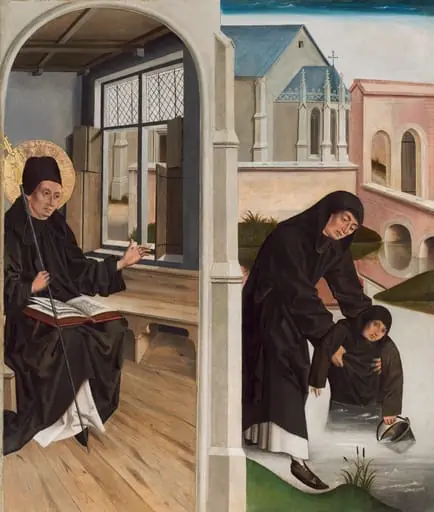
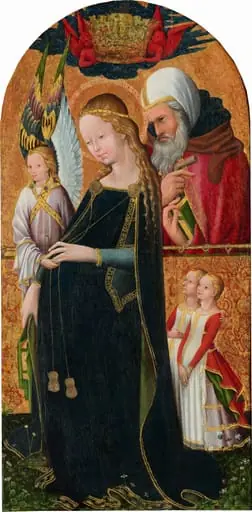
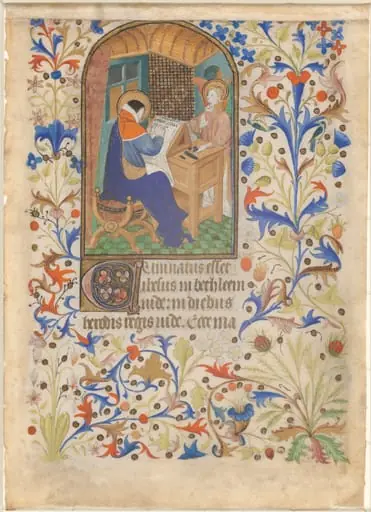
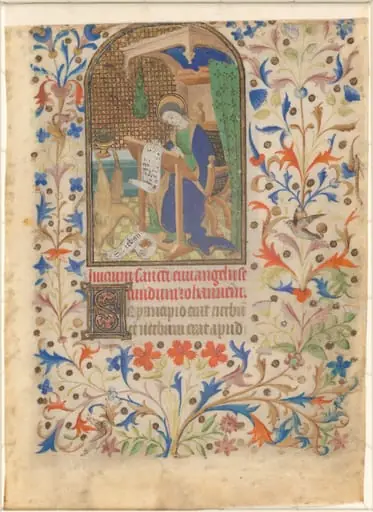
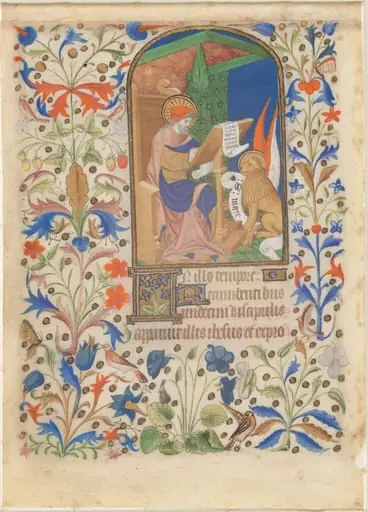
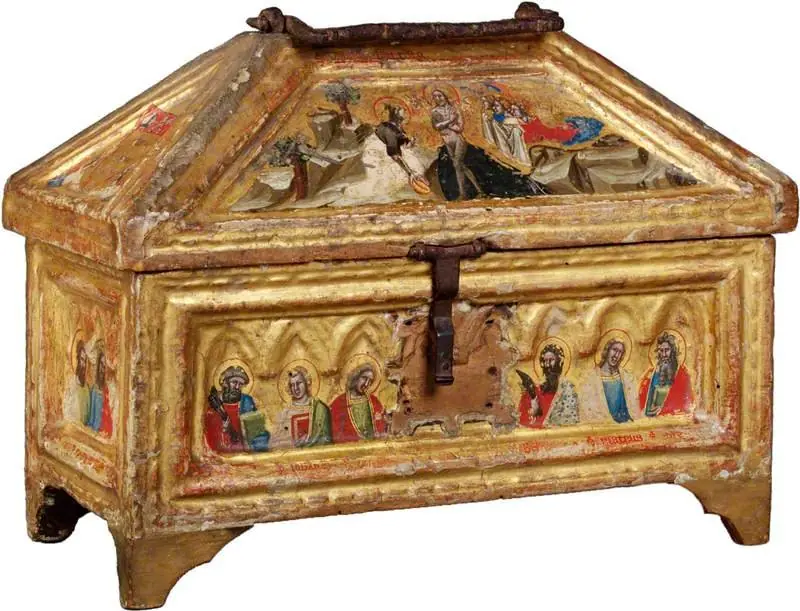 The Baptism of Christ (casket lid, front); Saint Peter, Saint John the Evangelist, Saint Matthew and Two Unknown Saints (casket, front)
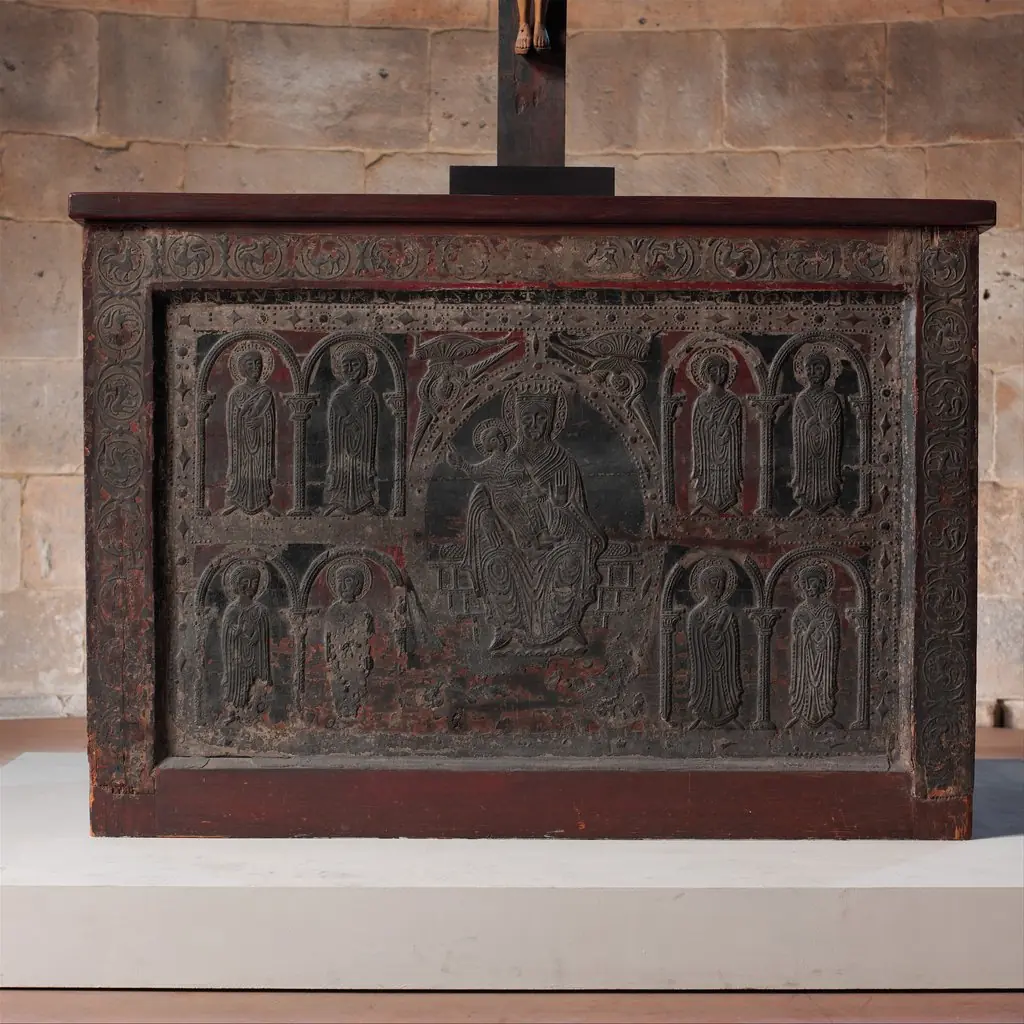 Altar Frontal
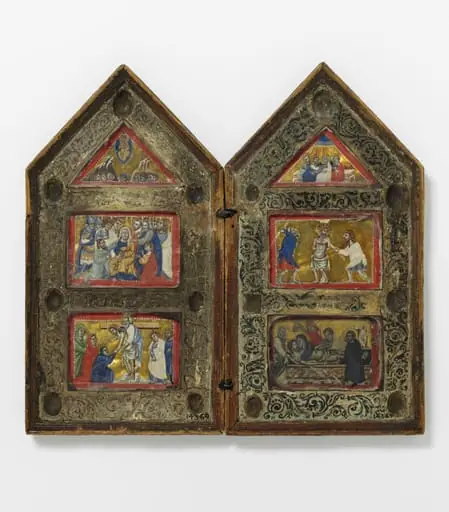 The Mocking of Christ, The Scourging, The Deposition, The Entombment, The Ascension, Pentecost (diptych with miniatures behind crystal)
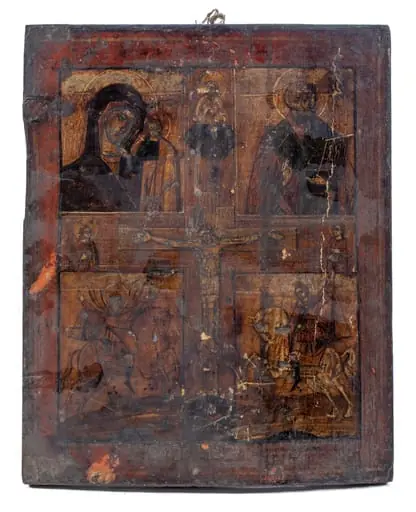 Răstignirea
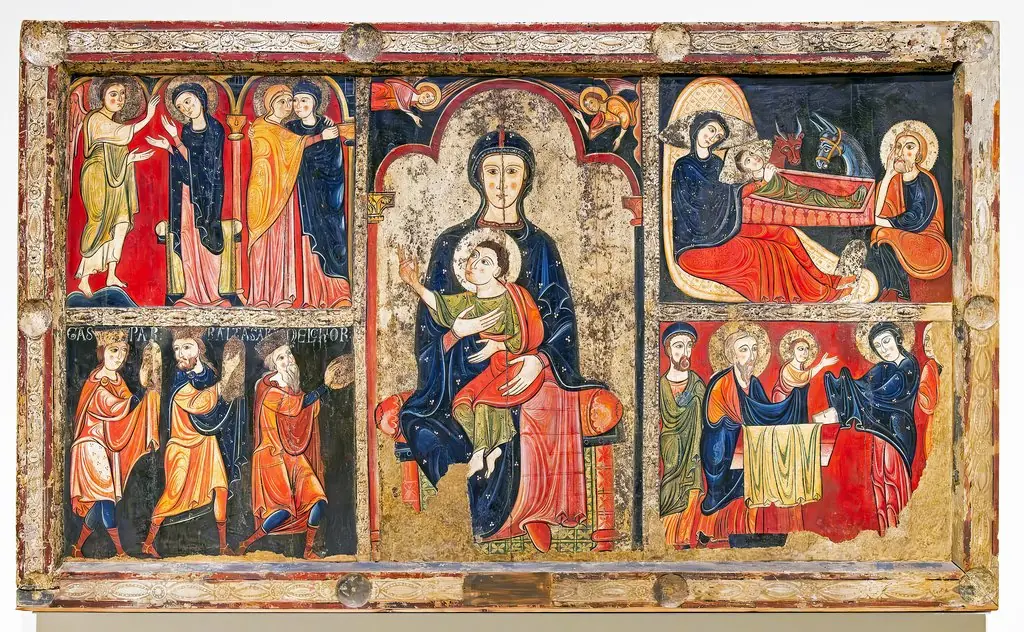 Altar frontal from Avià
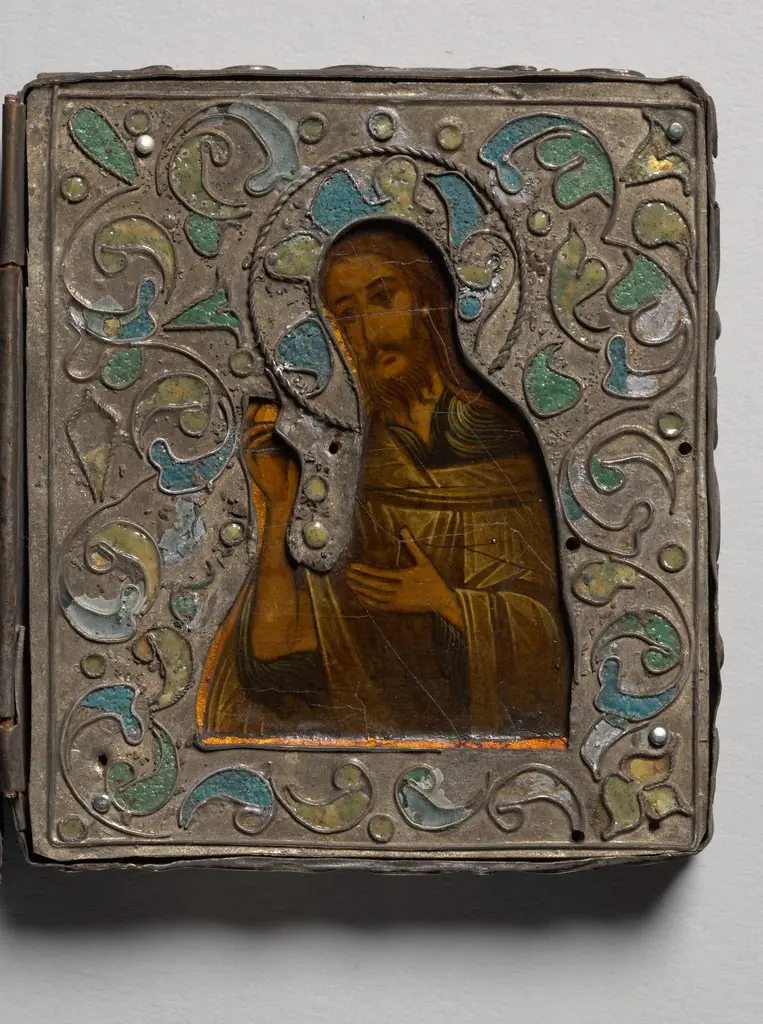 St. John the Evangelist
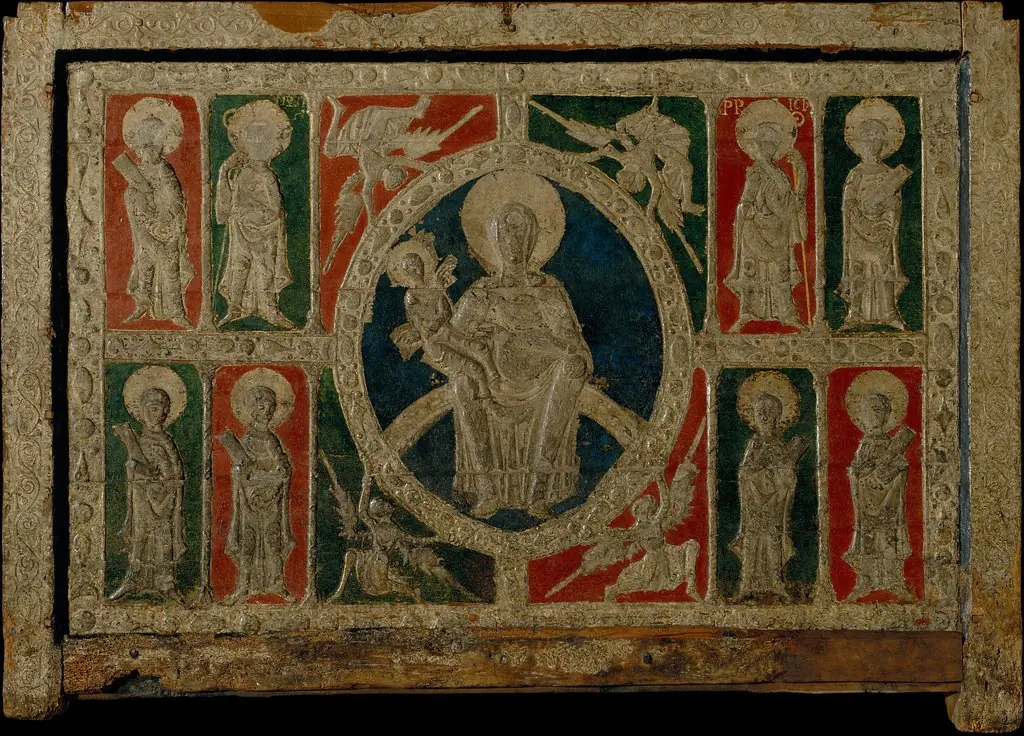 Altar frontal from Alós d'Isil
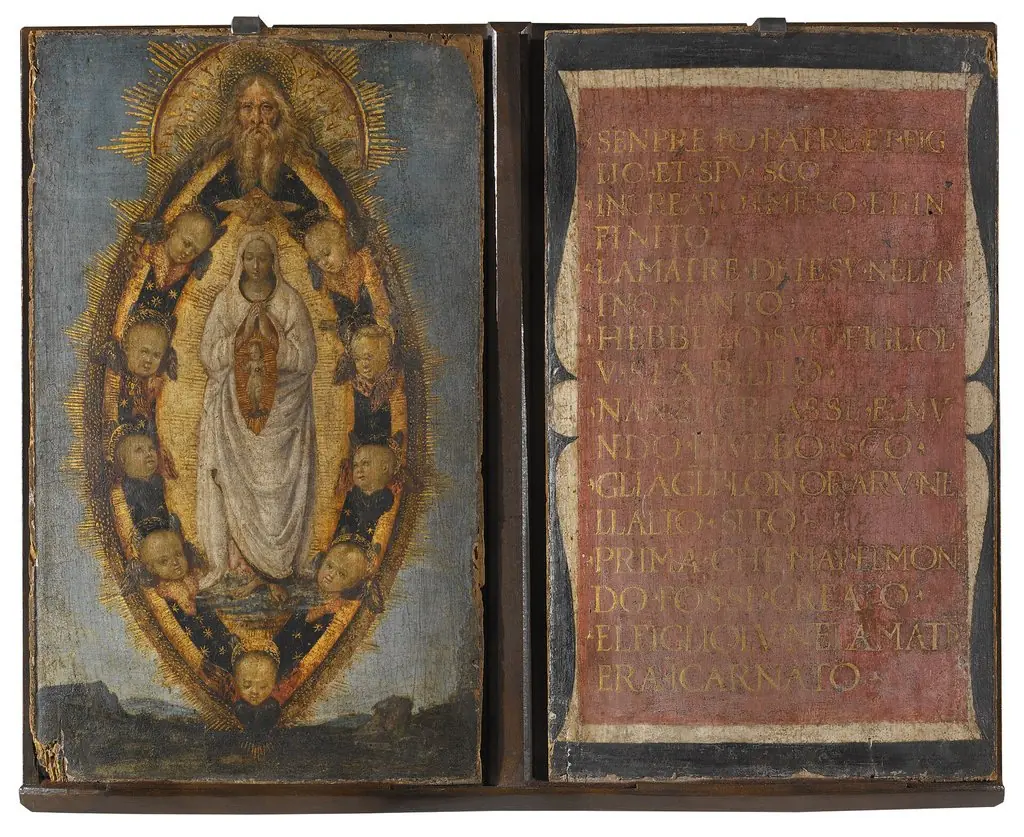 The Conception of the Virgin
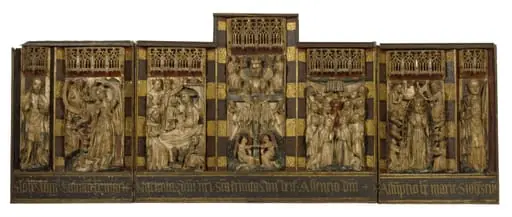 The Swansea Altarpiece
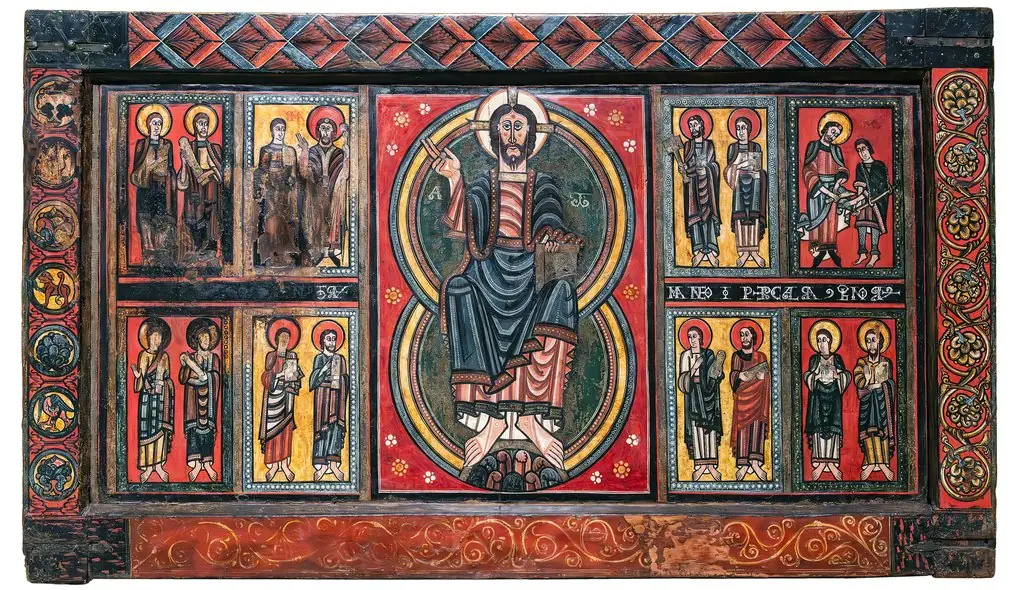 Altar frontal from Ix
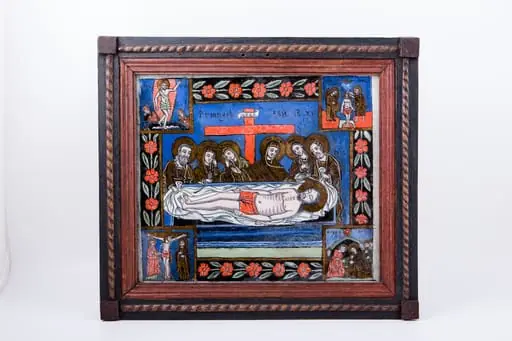 Trupățiș
 Legnica polyptych - right wing external - lower panel - obverse: Resurrection of Christ; reverse: Last judgement