Artwork
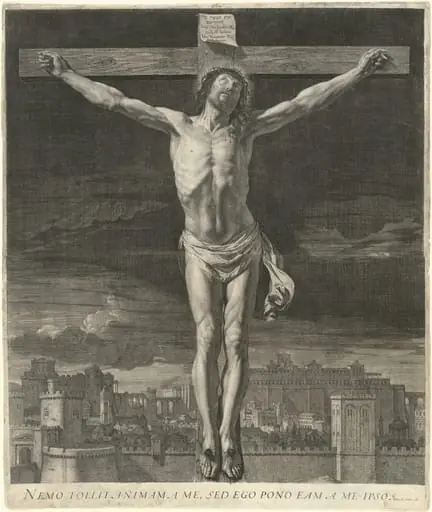
Christ Dying on the Cross
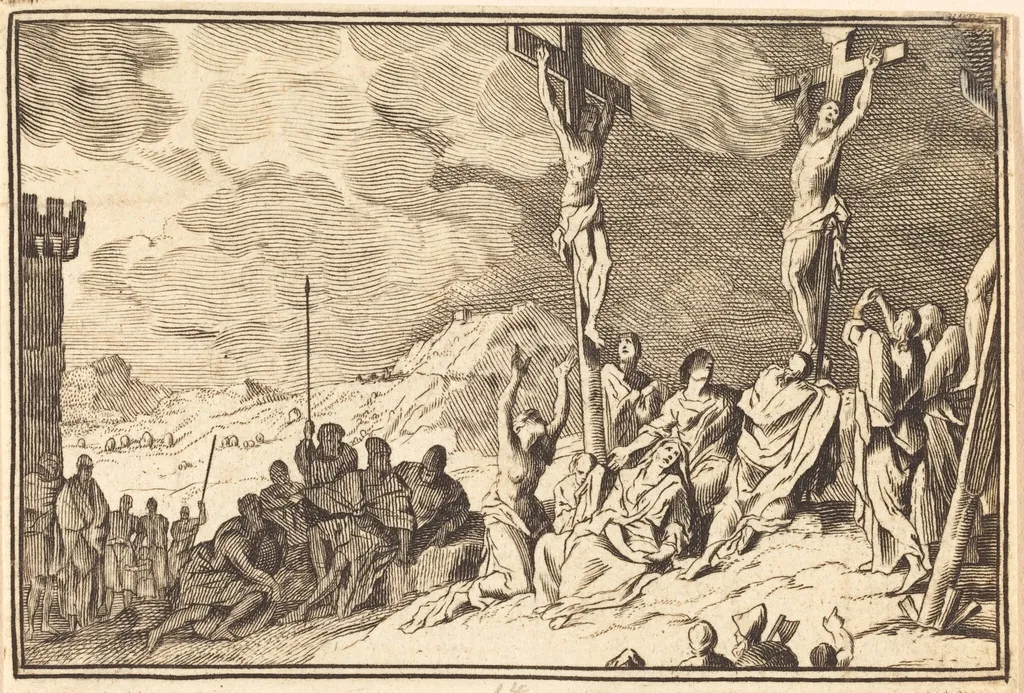
Christ Dying on the Cross is an ink print by the Baroque artist French 17th Century. It dates from 1650 and is held in the collection of the National Gallery of Art.
About this work
Overview
This 17th-century engraving depicts the poignant moment of Christ's death on the cross, characterized by meticulous line work and subtle shading.
Subject & Meaning
The engraving focuses on Christ's limp form on the cross, accentuated by a thin halo, conveying a somber, religious devotion.
Technique & Style
Fine lines create depth, particularly around the cross where denser shading enhances its prominence. The overall effect resembles pencil work due to the engraving's precision.
History & Provenance
Created during the 1600s, a period when engraving was widely used to disseminate religious imagery, allowing individuals to own portable versions of large church artworks.
Context
Part of a broader religious art tradition, this piece reflects the era's preference for detailed, accessible prints for personal devotion.
Artist & collection

Artist
Seventeenth-century French printmakers turned ink into story. Their tools were burin and acid, paper their stage. Look at the Beggar Woman with Rosary (1622), etched on laid paper, her hands folded around faith, or The…

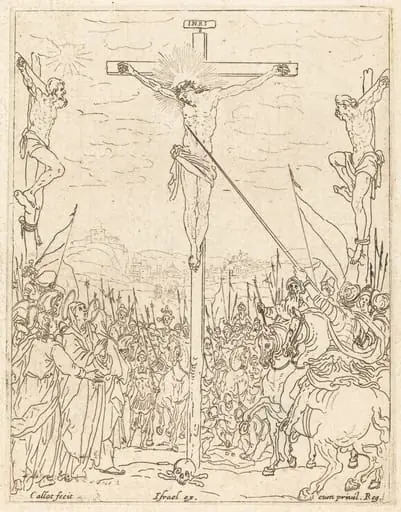 Christ on the Cross
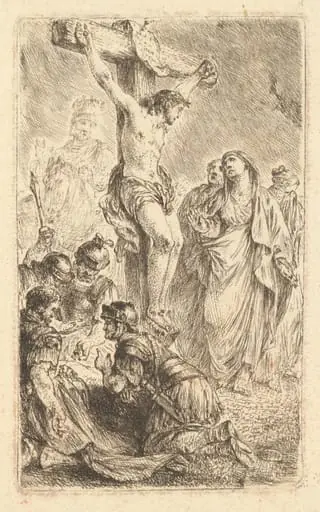 Christ on the Cross
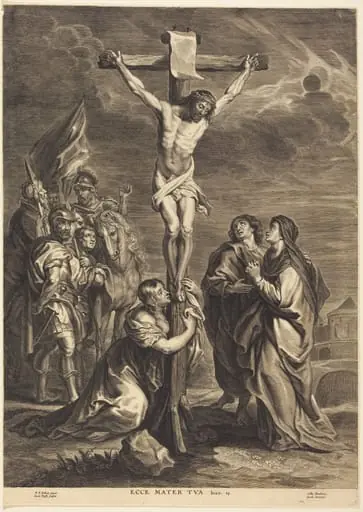 Christ on the Cross
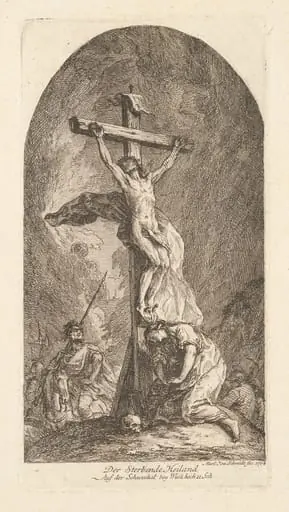 Christ on the Cross
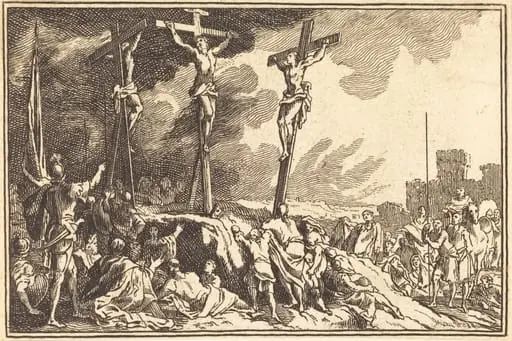 Christ on the Cross between the Two Thieves
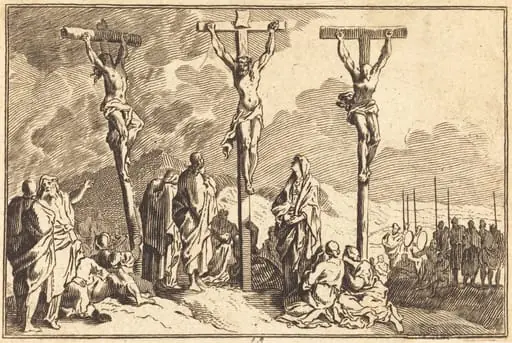 The Virgin, Saint John, and Mary Magdalene at the Foot of the Cross
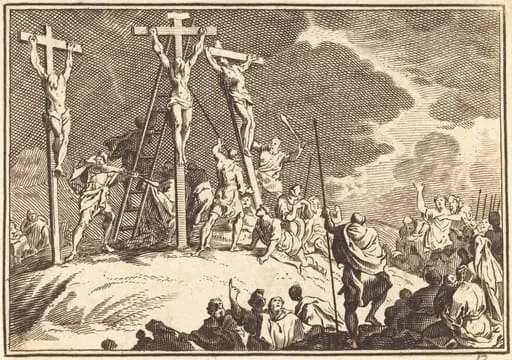 Piercing of Christ's Side
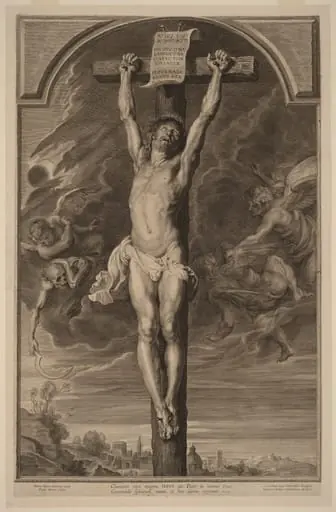 Christ on the Cross
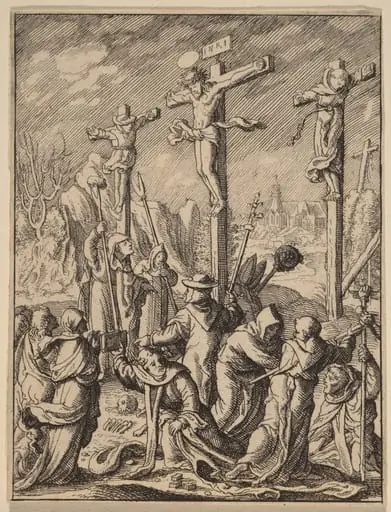 The Crucifixion
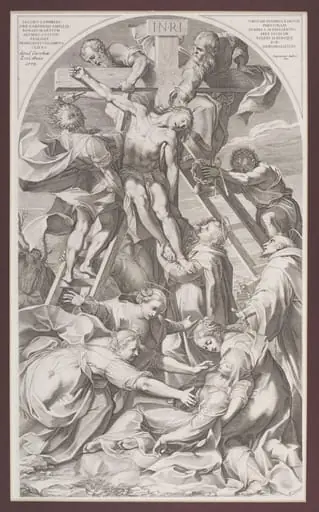 The Taking Down from the Cross
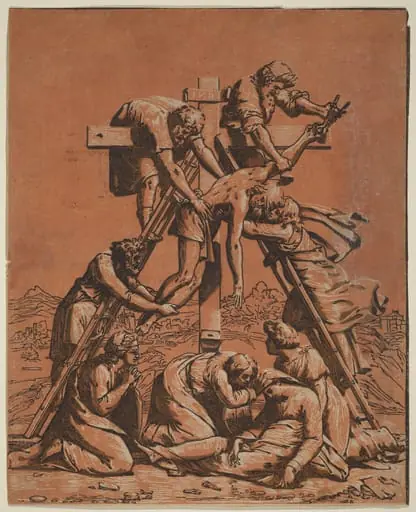 The Descent from the Cross
 Christ Dying on the Cross